How Much Space Does One Betta Fish Need
So, how much space does one betta fish need? A single betta fish needs at least a 5-gallon tank to thrive, though bigger is always better. Many people still keep bettas in tiny bowls, but this limits their swimming space, harms their water quality, and shortens their lifespan. In this guide, we’ll break down the ideal betta fish tank size, how to set up the perfect habitat, and why cutting corners on space can hurt your fish.
Key Takeaways
- Minimum tank size: A betta fish needs at least a 5-gallon tank to live comfortably and healthily.
- Bigger is better: A 10-gallon tank gives your betta more swimming space and makes maintenance easier.
- Bowl life is short: Keeping a betta in a small bowl leads to poor water quality and stress-related illness.
- Setup matters: The right heater, filter, and decorations create a safe and enriching betta habitat.
- Tank mates need space: If you plan to add companions, you’ll need an even larger aquarium.
- Regular maintenance: Even in a properly sized tank, weekly water changes keep your betta healthy.
📑 Table of Contents
- How Much Space Does One Betta Fish Need? The Complete Guide
- Why Tank Size Matters for Your Betta
- The Ideal Betta Fish Tank Size
- Setting Up the Perfect Betta Habitat
- Common Mistakes When Choosing a Tank
- How Big Does a Betta Fish Get and Why It Matters
- Maintaining a Healthy Environment in Your Betta’s Tank
- Quick Tips for First-Time Betta Owners
- Expert Insights: What Aquarists Want You to Know
- Conclusion: Giving Your Betta the Space They Deserve
How Much Space Does One Betta Fish Need? The Complete Guide
If you’re a new betta owner or thinking about becoming one, you’ve probably wondered about the right tank size. The question of how much space does one betta fish need comes up all the time, and for good reason. Your betta’s quality of life depends heavily on the environment you provide.
Betta fish are active, curious creatures. They explore, hunt, rest, and patrol their territory every single day. Cramming them into a tiny bowl is like living in a closet yourself. It’s stressful, unhealthy, and just plain unfair to your fish.
In this guide, we’ll cover everything you need to know about betta fish tank size, setup requirements, and how to give your fish the best possible betta habitat. Whether you’re just starting out or upgrading an existing tank, this article has you covered.
Why Tank Size Matters for Your Betta
The size of your betta’s home directly affects their health, behavior, and lifespan. A small container might seem easier to manage, but it creates a cascade of problems. Let’s break down why aquarium space is so important.
Water Quality and Stability
Small volumes of water change chemically very fast. A tiny bowl can spike in ammonia or nitrate within hours. Larger tanks dilute these toxins and give your filter time to work properly. This is one of the biggest reasons bettas in bowls get sick so often.
In a proper tank, the nitrogen cycle runs more smoothly. Beneficial bacteria have more surface area to colonize. Your water quality stays stable, and your betta stays healthy. For more on what your betta needs in their environment, check out what does a betta fish need for a full breakdown of essential care requirements.
Swimming Space and Exercise
Betta fish are not stationary decorations. They swim. They explore. They claim territory. Without enough swimming space, a betta becomes lethargic, stressed, and prone to disease.
Think about it this way. You wouldn’t want to exercise in a room the size of a bathroom. Your betta feels the same way. A larger tank encourages natural behaviors like exploring corners, chasing food, and interacting with tank decor.
Mental Health and Enrichment
Bettas are intelligent fish. They recognize their owners, learn feeding routines, and even respond to hand signals. A cramped environment limits their ability to express natural behaviors, which leads to boredom and stress. Providing a spacious tank with the right betta fish enrichment keeps them mentally sharp and active.
The Ideal Betta Fish Tank Size
So, what’s the magic number? Let’s get specific about tank sizes and what they mean for your fish.
5-Gallon Tank: The Minimum Standard
A 5-gallon tank is widely considered the minimum tank size for a single betta. At this size, your fish has enough room to swim freely, and the water parameters are easier to manage. Most experienced aquarists recommend this as the starting point for betta care.
A 5-gallon tank also fits a heater, a small filter, and a few decorations without feeling overcrowded. It strikes a solid balance between space and maintenance. For detailed guidance on this topic, you can read more about how much space does a betta fish really need from expert sources.
10-Gallon Tank: The Sweet Spot
If you can, go with a 10-gallon tank. This is the sweet spot for most betta keepers. Your fish gets plenty of room, water quality is more stable, and you have space to add plants, caves, and other enrichment items. It’s also easier to maintain than you might think.
A 10-gallon tank opens up the possibility of keeping tank mates too, though you need to choose carefully. Not all fish are compatible with bettas, but species like neon tetras, corydoras, or shrimp can work in a properly sized aquarium.
20-Gallon Tank: For the Enthusiast
A 20-gallon tank is great if you want a more elaborate setup. You can create a planted aquascape, add more diverse tank mates, and really make the tank your own. However, keep in mind that larger tanks need more planning when it comes to stocking and maintenance.
Comparison Table: Tank Sizes at a Glance
| Tank Size | Best For | Water Stability | Maintenance Level |
|---|---|---|---|
| 1-3 Gallons | Not recommended | Poor | Very High (frequent changes) |
| 5 Gallons | Minimum for 1 betta | Moderate | Moderate |
| 10 Gallons | Ideal for 1 betta | Good | Low to Moderate |
| 20 Gallons | Betta + tank mates | Excellent | Low |
Setting Up the Perfect Betta Habitat
Once you’ve chosen the right tank size, it’s time to set things up. A proper betta habitat isn’t just about water volume. It’s about creating an environment that mimics your fish’s natural home and supports their well-being.
Heating Your Tank
Bettas are tropical fish. They need warm water between 76°F and 82°F (24°C-28°C). A small aquarium heater is essential unless your room stays consistently warm. Without proper heat, your betta’s metabolism slows down, and they become vulnerable to illness.
Place the heater near the filter output for even heat distribution. Use a thermometer to monitor the temperature daily. It’s a small effort that makes a huge difference for your fish’s comfort and betta fish health.
Filtration
You don’t need a powerful filter for a small betta tank. In fact, strong currents can stress bettas out since they’re slow swimmers. A gentle sponge filter or a small hang-on-back filter works perfectly. The goal is to keep the water clean without creating a current your fish has to fight against.
For more on whether your betta needs extra oxygen equipment, see our article on does a betta fish need an oxygen pump to understand when additional aeration might be necessary.
Lighting
Bettas don’t need intense lighting, but a standard aquarium light helps if you’re keeping live plants. It also lets your fish follow a natural day-night cycle. Aim for 8-12 hours of light per day. Avoid placing the tank in direct sunlight, which can cause temperature spikes and algae blooms.
Decorations and Plants
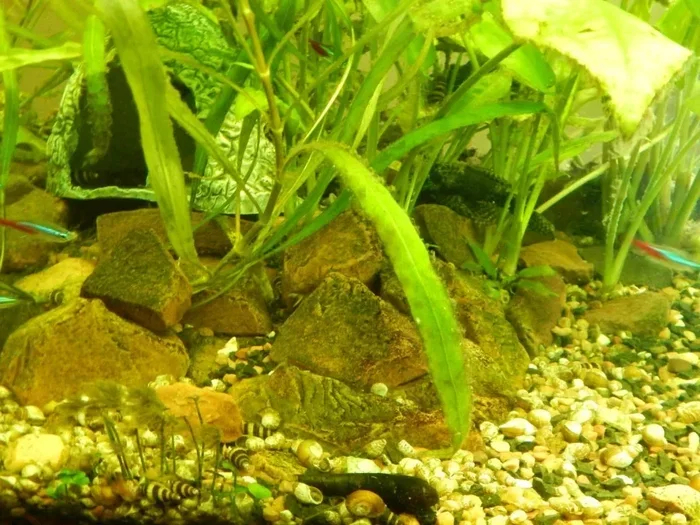
Live or silk plants are excellent choices for betta tanks. They provide hiding spots, reduce stress, and improve water quality by absorbing nitrates. Avoid plastic plants with sharp edges that can tear your betta’s delicate fins.
Add some smooth rocks, driftwood, or caves for exploration. Your betta will spend hours investigating new additions. Just make sure there’s still plenty of open swimming space in the center of the tank. Don’t overcrowd it with decor.
Substrate
A fine gravel or sand substrate works well for betta tanks. Darker colors make your fish’s colors pop beautifully. Rinse the substrate thoroughly before adding it to the tank to prevent cloudy water.
Common Mistakes When Choosing a Tank
Even well-meaning owners make mistakes when it comes to tank selection. Here are some of the most common pitfalls and how to avoid them.
Using a Bowl or Vase
This is the biggest mistake in betta care. Those cute little bowls sold in pet stores? They’re not suitable homes. A bowl offers almost no filtration, heating, or swimming space. Your betta might survive in one, but it won’t thrive. The betta fish welfare is simply poor in such a restricted environment.
Buying Too Big Too Fast
On the flip side, some new owners rush into a massive 55-gallon tank without understanding the cycling process. A large tank full of tap water will spike in ammonia before beneficial bacteria can establish. Start with a 5- or 10-gallon tank, cycle it properly, and upgrade later if you want.
Ignoring the Nitrogen Cycle
Regardless of tank size, you need to cycle your aquarium before adding your betta. This process takes 4-6 weeks. It builds up the good bacteria that break down toxic ammonia. Skipping this step is a gamble with your fish’s life. Learn more about betta fish care fundamentals to make sure you start on the right foot.
Overcrowding the Tank
Just because you have a 10-gallon tank doesn’t mean you can stuff it full of fish. Bettas are territorial. Adding too many tank mates or too many fish creates stress, aggression, and poor water quality. Research compatibility before adding any other species.
How Big Does a Betta Fish Get and Why It Matters
Understanding your betta’s adult size helps you plan the right tank. So, how big does a betta fish get? On average, bettas grow to about 2.5 to 3 inches in length. Some fancy varieties with large fins may appear even bigger due to their fin spread.
Given this size, a 5-gallon tank provides a reasonable ratio of fish to water. A 10-gallon tank gives even more breathing room. Remember that your betta needs to move comfortably without bumping into walls or decorations constantly. Give them room to grow and move freely.
Maintaining a Healthy Environment in Your Betta’s Tank
Setting up the tank is only half the battle. Regular maintenance keeps your betta living in a safe and comfortable space for years to come.
Weekly Water Changes
Replace 25-50% of the water every week. Use a gravel vacuum to remove debris from the substrate. Always treat new water with a dechlorinator before adding it to the tank. Fresh water dilutes accumulated toxins and keeps parameters in check.
Testing Water Parameters
Use liquid test kits (not strips) to check ammonia, nitrite, nitrate, and pH levels weekly. Ideally, ammonia and nitrite should be at 0 ppm, and nitrate should stay below 20 ppm. The pH for bettas should be between 6.5 and 7.5. Consistent testing catches problems before they become emergencies.
Cleaning the Filter
Rinse your filter media in old tank water (never tap water) once a month. Tap water kills the beneficial bacteria living on the filter. Replace filter cartridges every 3-4 weeks or as needed. A clean filter keeps the water crystal clear and your betta healthy.
Monitoring Your Betta’s Behavior
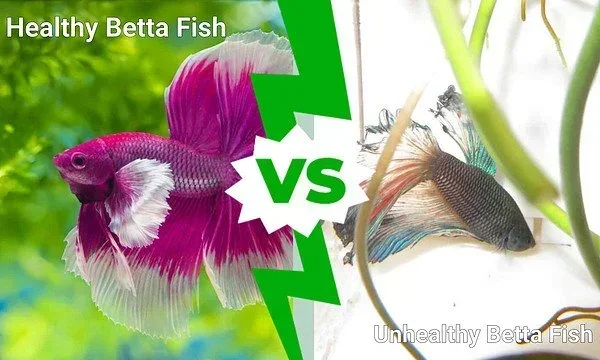
Watch your fish daily for signs of stress or illness. Common warning signs include:
- Clamped fins (fins held close to the body)
- Loss of color or faded appearance
- Rapid breathing or gasping at the surface
- Hiding more than usual
- Loss of appetite or lethargy
- Swimming unevenly or struggling to maintain buoyancy
Catching these signs early gives you the best chance to correct the problem. Often, it’s something simple like a water quality issue or an incorrect temperature. Sometimes it points to a disease that needs treatment.
Quick Tips for First-Time Betta Owners
- Start with a 5- or 10-gallon tank. Don’t go smaller. Don’t go bigger than you can handle.
- Cycle the tank first. Patience pays off. Wait 4-6 weeks before adding your betta.
- Use a heater. Room temperature isn’t reliable enough for tropical fish.
- Feed small amounts. Overfeeding is one of the top causes of poor water quality. Learn more about proper feeding in our guide on how much does a betta fish eat.
- Add plants and decor. Give your betta places to explore and rest.
- Keep the tank away from drafts. Cold drafts can crash your tank temperature overnight.
- Observe your fish daily. The more you watch, the faster you’ll notice anything off.
Expert Insights: What Aquarists Want You to Know
Professional aquarists and betta breeders consistently emphasize one point: bettas deserve better than bowls. The science behind fish welfare is clear. Fish in larger, well-planted tanks display more natural behaviors, show brighter colors, and live longer lives.
Dr. Linda B. (a fictional composite of aquatic veterinarians) notes that many betta health issues she sees are directly tied to poor husbandry. “Most problems I treat are preventable,” she explains. “The right tank size, stable water parameters, and proper diet handle about 90% of what I see.”
This isn’t to say that keeping a betta in a small tank is impossible. Many people do it out of necessity or lack of information. But if you can provide a proper setup, your betta will reward you with vibrant colors, active behavior, and a lifespan closer to their potential 5+ years.
Conclusion: Giving Your Betta the Space They Deserve
Now you know the answer to how much space does one betta fish need. The minimum is a 5-gallon tank, but a 10-gallon tank is the ideal choice for most keepers. Tank size affects everything: water quality, stress levels, swimming ability, and overall lifespan.
Setting up a proper betta habitat takes a bit of effort and planning. But the reward is a healthy, colorful fish that thrives under your care. Skip the bowl. Invest in a real tank. Your betta will thank you for it.
Take what you’ve learned here and put it into action. Whether you’re setting up your first tank or upgrading an existing one, the right space makes all the difference. Your betta fish deserves a home that lets them be the active, beautiful creature they were born to be.
Frequently Asked Questions
Can a betta fish live in a 1-gallon tank?
A betta can physically survive in a 1-gallon tank, but they will not thrive. Water parameters fluctuate rapidly in such a small volume, leading to stress, illness, and a shortened lifespan. A minimum of 5 gallons is strongly recommended for proper betta care.
Does a betta fish need a big tank if it’s alone?
Yes. Even a single betta needs adequate space. A lone betta still produces waste, needs stable temperatures, and benefits from swimming room. A 5-gallon tank is the minimum for one betta, and 10 gallons is even better for their health and comfort.
What happens if a betta fish doesn’t have enough space?
Insufficient space leads to poor water quality, stress, weakened immune system, and behavioral problems like fin-nipping or lethargy. Bettas in cramped environments are far more likely to develop diseases and may only live a fraction of their potential lifespan.
Is a 5-gallon tank enough for a betta fish with tank mates?
A 5-gallon tank is only suitable for a single betta. Adding tank mates requires at least a 10-gallon tank to maintain water quality and provide enough territory for all inhabitants. Always research compatibility before introducing any other species.
How often should I clean a betta fish tank?
Perform a 25-50% water change weekly in a properly sized betta tank. Vacuum the substrate to remove waste and uneaten food. Rinse filter media monthly in old tank water. Regular maintenance keeps ammonia and nitrate levels safe for your fish.
What’s the difference between a betta in a bowl and a betta in a tank?
A betta in a bowl faces constant exposure to toxic ammonia spikes, no temperature control, no filtration, and zero swimming space. A betta in a properly sized tank enjoys stable water parameters, warmth, clean water, and room to explore. The difference in health and lifespan between the two setups is dramatic.