Why Does My Betta Fish

Wondering why does my betta fish act oddly? This guide breaks down the most common signs—like unusual swimming, color changes, or bubble‑making—and gives you clear, easy steps to solve each issue. Read on to become a confident betta caregiver in minutes.
Key Takeaways
- Water quality matters most: Poor parameters are the #1 cause of odd betta behavior.
- Temperature stability is crucial: Betta fish thrive at 76‑82°F; fluctuations stress them.
- Observe the fins and skin: Torn or shredded fins often signal disease or aggressive tank mates.
- Bubble‑nest activity is normal: It can indicate health, breeding readiness, or stress.
- Diet and feeding habits matter: Over‑ or under‑feeding leads to bloating, constipation, and loss of appetite.
- Behavior changes signal health issues: Floating, hiding, or color loss should never be ignored.
- Quick fixes work: Simple water changes, temperature checks, and diet tweaks can solve many problems.
📑 Table of Contents
- Introduction: When Your Betta Starts Acting Strange
- 1. Water Quality – The Silent Culprit
- 2. Temperature Troubles – Keep It Cozy
- 3. Feeding Habits – What’s on the Menu?
- 4. Physical Appearance – Fins, Scales, and Color
- 5. Behavior Changes – Swimming, Hiding, and Bubble‑Nesting
- 6. Common Health Issues and Quick Fixes
- Conclusion: Turning “Why Does My Betta Fish…” Into Answers
Introduction: When Your Betta Starts Acting Strange
Betta fish are tiny, colorful, and full of personality. That’s why many hobbyists ask, why does my betta fish sometimes behave like a tiny drama queen? One day they glide gracefully, the next they hide behind a leaf or puff out bubbles for no apparent reason. The good news is that most of these quirks have logical explanations, and most can be fixed with a few simple steps.
In this article we’ll walk through the most common signs that something might be off, explain the science behind each behavior, and give you actionable tips to get your betta back to its vibrant self. By the end, you’ll be able to answer the question “why does my betta fish …” with confidence, no matter what strange symptom shows up.
1. Water Quality – The Silent Culprit
Why does my betta fish seem lethargic or stressed?
Water is the lifeblood of any aquarium. Even a tiny 2‑gallon tank can become a chemical minefield quickly. Ammonia, nitrite, and high nitrate levels all cause stress, which shows up as sluggish swimming, loss of color, or constant hiding.

Visual guide about Why Does My Betta Fish
Image source: aquatic-eden.com
How to test and fix water problems
- Test weekly: Use a liquid test kit to check ammonia, nitrite, nitrate, and pH.
- Partial water changes: Replace 25‑30% of the water every week with conditioned water at the same temperature.
- Don’t over‑feed: Excess food decays and spikes ammonia.
For a deeper dive into water‑related issues, see our guide on why is my betta fish water cloudy.
2. Temperature Troubles – Keep It Cozy
Why does my betta fish gasp at the surface?
Betta fish are tropical and need a stable temperature between 76°F and 82°F (24°C‑28°C). A sudden drop can cause rapid breathing, while overheating leads to loss of appetite and frantic swimming.

Visual guide about Why Does My Betta Fish
Image source: infishtank.com
Tips for temperature control
- Invest in a reliable submersible heater with an adjustable thermostat.
- Use a thermometer that sticks to the glass for an accurate read.
- Avoid placing the tank near drafts, windows, or heat vents.
Consistent temperature also influences bubble‑nest building, a behavior many ask about: why did my betta fish make a bubble nest.
3. Feeding Habits – What’s on the Menu?
Why does my betta fish stop eating or spit out food?
Loss of appetite can stem from poor water, wrong food type, or illness. Over‑feeding leads to constipation and a bloated appearance, while under‑feeding deprives them of essential nutrients.

Visual guide about Why Does My Betta Fish
Image source: fishtrivia.com
Choosing the right diet
- Offer high‑quality betta pellets as a staple.
- Supplement with frozen or live foods (brine shrimp, daphnia) 2‑3 times a week.
- Feed only what they can consume in 2‑3 minutes, once or twice daily.
If your fish is refusing food, check out why did my betta fish stop eating for troubleshooting steps.
4. Physical Appearance – Fins, Scales, and Color
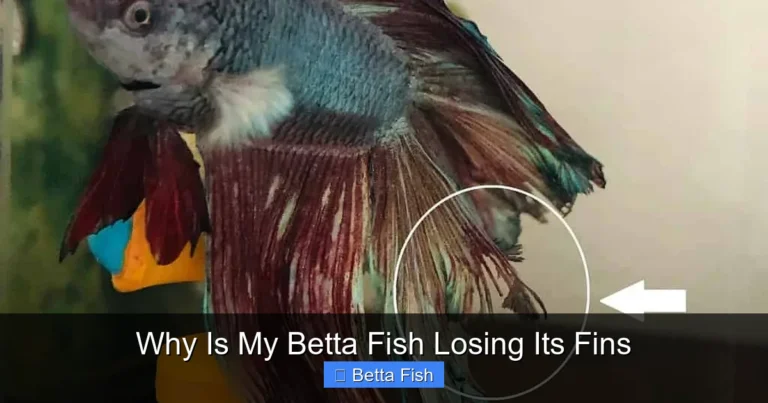
Why does my betta fish’s fins look shredded or curl?
Fins are a barometer of health. Torn or shredded fins often indicate disease (like fin rot) or aggressive tank mates. Curling can be a sign of poor water quality or a vitamin deficiency.
When to be alarmed
- White or black spots: May signal ich or velvet disease.
- Bloated belly: Could be constipation, dropsy, or internal parasites.
- Color fading: Stress, improper lighting, or old age.
Read more about fin problems here: why does my betta fish fins look shredded.
5. Behavior Changes – Swimming, Hiding, and Bubble‑Nesting
Why does my betta fish float sideways or hide all day?
Sideways swimming often points to swim bladder issues, which can be caused by over‑feeding, constipation, or a bacterial infection. Hiding can be a stress response to noisy environments, aggressive neighbors, or sudden changes in lighting.
Bubble‑nest clues
Betta males build bubble nests as part of their breeding instinct. A lack of nests may mean the fish is stressed, ill, or simply not in breeding mood. Conversely, excessive bubbling can signal poor water conditions.
Explore the bubble‑nest mystery further: why did my betta fish stop making bubble nest.
6. Common Health Issues and Quick Fixes
Fin rot, velvet, and ich – what to look for
These are the three most common diseases in bettas.
- Fin rot: Frayed fins, white edges. Treat with antibacterial medication and improve water quality.
- Velvet: Gold‑brown dust on the body. Use copper‑based medication; avoid copper if you have live plants.
- Ich: Tiny white spots like salt grains. Raise temperature to 82°F and treat with formalin or malachite green.
When to consider a vet
If you see rapid weight loss, bloating, or your betta stops moving altogether, seek an aquatic veterinarian. Early intervention saves lives.
Conclusion: Turning “Why Does My Betta Fish…” Into Answers
Every time you wonder “why does my betta fish …”, remember that most issues trace back to three core areas: water quality, temperature, and nutrition. By keeping a close eye on these basics, you’ll prevent the majority of problems before they start. When something does go wrong, a quick water change, a temperature check, or a tweak in diet often does the trick.
Betta fish are resilient, but they rely on us to provide a stable, clean, and enriching environment. Use the tips in this guide, keep a regular maintenance schedule, and you’ll enjoy a vibrant, active betta for years to come.
Frequently Asked Questions
Why does my betta fish hide most of the time?
Hiding is usually a stress response. Check water parameters, temperature, and ensure the tank has plenty of plants or decorations for shelter.
Why does my betta fish make bubbles even when it’s not breeding?
Bubble‑blowing is a natural behavior for oxygen intake and territory marking. It can increase if water quality drops or the fish is excited.
Why does my betta fish look bloated?
Bloating often comes from constipation, over‑feeding, or a internal infection. Try a light fast, then offer a pea to help clear the digestive tract.
Why does my betta fish lose its color?
Color loss signals stress, poor lighting, or aging. Improve water conditions, provide proper lighting, and consider a varied diet rich in carotenoids.
Why does my betta fish float sideways?
Sideways floating is usually a swim bladder issue caused by over‑feeding or constipation. Adjust feeding habits and consider a fasting period.
Why does my betta fish stop making a bubble nest?
Stopping bubble‑nest building can indicate stress, illness, or unsuitable water parameters. Check temperature, water quality, and look for signs of disease.