Can Betta Fish Lost Tail
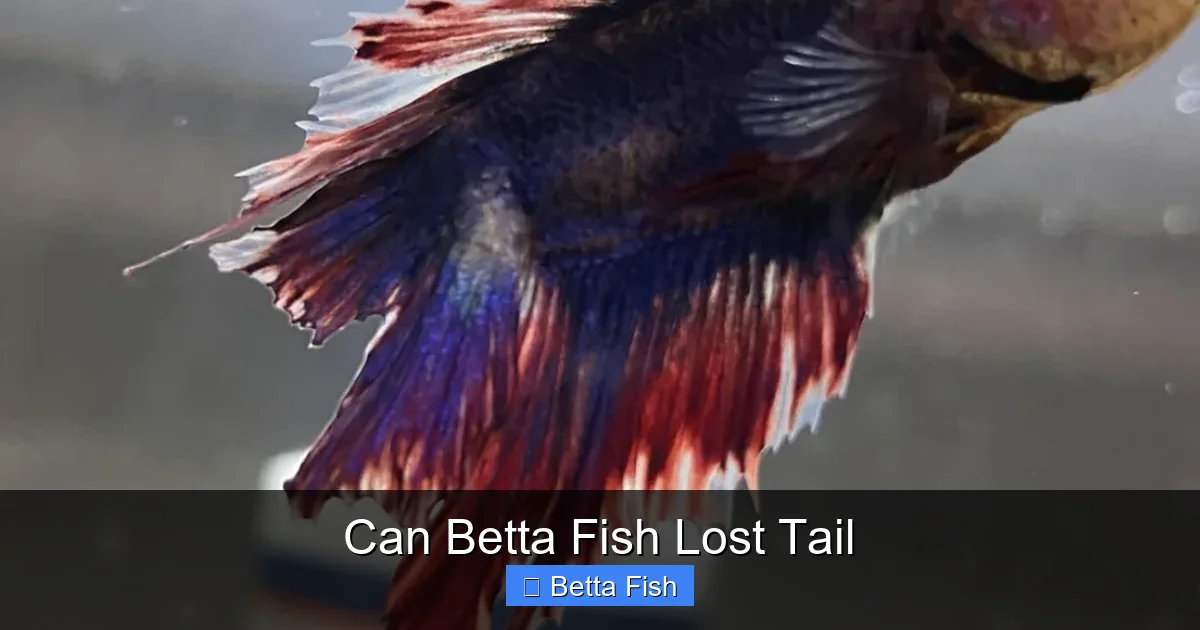
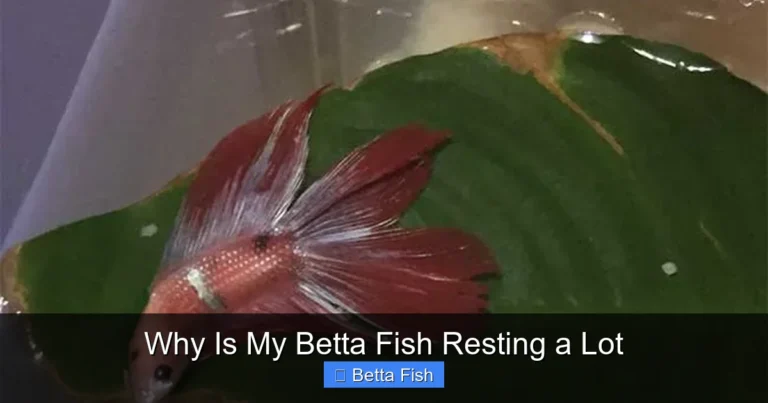
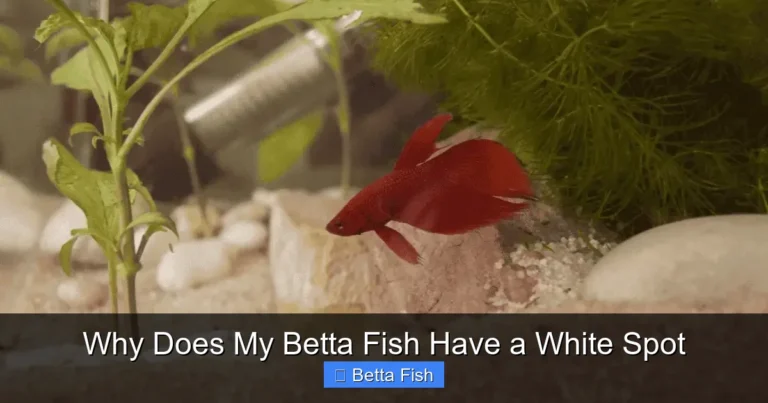
Yes, betta fish can lose their tail due to fin rot, physical injury, or stress. The good news is that with proper care and clean water, betta fish can often regrow their damaged fins over time. Early detection and treatment are key to a full recovery.
Key Takeaways
- Tail loss is common: Betta fish can lose their tail or fins due to fin rot, injury, or poor water conditions.
- Fin rot is the top cause: Bacterial or fungal infections are the most frequent reason betta fish experience tail deterioration.
- Fins can regrow: With clean water and proper treatment, betta fish fins and tails can regenerate over several weeks to months.
- Prevention matters most: Maintaining excellent water quality is the single best way to prevent tail loss in betta fish.
- Stress is a hidden factor: Aggressive tank mates, poor diet, and small tanks can weaken a betta’s immune system and lead to fin damage.
- Early treatment works: Catching fin rot or injury early dramatically improves your betta’s chances of a full recovery.
- Veterinary help may be needed: Severe cases of tail loss sometimes require medication from a fish-savvy veterinarian.
📑 Table of Contents
- Can Betta Fish Lose Their Tail? Everything You Need to Know
- Why Do Betta Fish Lose Their Tail?
- Can Betta Fish Fins Grow Back?
- How to Treat a Betta Fish That Has Lost Its Tail
- Preventing Tail Loss in Betta Fish
- How Long Does It Take for a Betta’s Tail to Grow Back?
- Common Mistakes Betta Owners Make
- Signs Your Betta Is Healing
- Conclusion
Can Betta Fish Lose Their Tail? Everything You Need to Know
If you have ever noticed your betta fish looking a little worse for wear, you might have asked yourself, “Can betta fish lose their tail?” The short answer is yes. Betta fish can absolutely lose their tail, and it is more common than most new betta owners realize. Watching your beautiful betta’s flowing fins start to deteriorate can be alarming, but understanding why it happens and what you can do about it will help you take the best care of your aquatic friend.
Betta fish are known for their stunning, vibrant tails and fins. That is usually what draws people to them in the first place. A healthy betta with a full, flowing tail is a sight to behold. But when that tail starts to look ragged, shortened, or even partially missing, it is a sign that something is wrong. The good news is that in most cases, the situation is treatable, and your betta can recover. Let us dive deep into why betta fish lose their tails, how to treat the problem, and what you can do to prevent it from happening again.
Before we get into the details, it is important to know that tail loss in betta fish is not always a death sentence. Many betta owners have seen their fish go from barely having a tail to regrowing beautiful fins within a few months. The key is identifying the cause early and taking swift action. So, let us break down everything you need to know about betta fish tail loss.
Why Do Betta Fish Lose Their Tail?
There are several reasons why a betta fish might lose its tail. Some are caused by disease, while others are the result of environmental factors or physical damage. Understanding the root cause is the first step toward helping your betta heal.
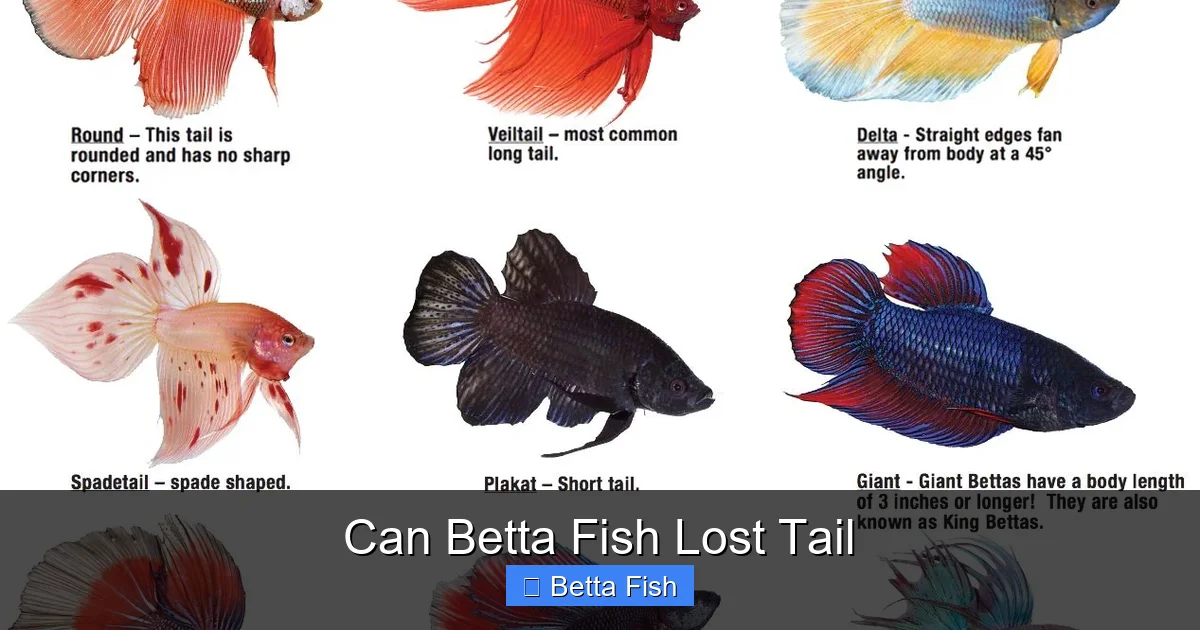
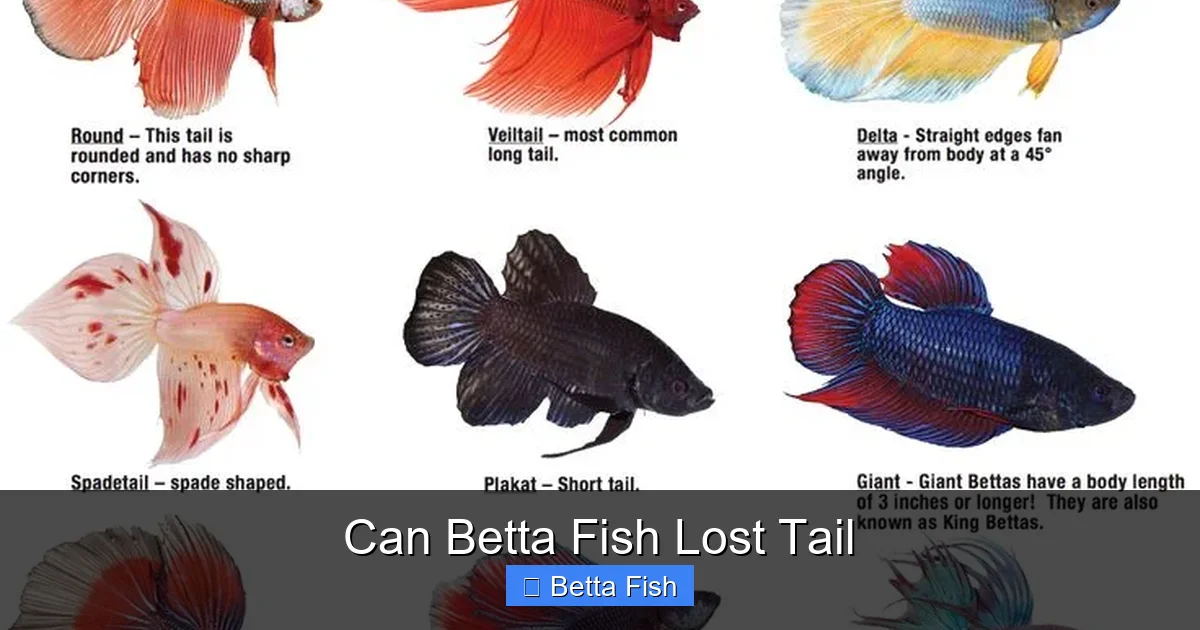
Visual guide about Can Betta Fish Lost Tail
Image source: i.pinimg.com
Fin Rot: The Most Common Culprit
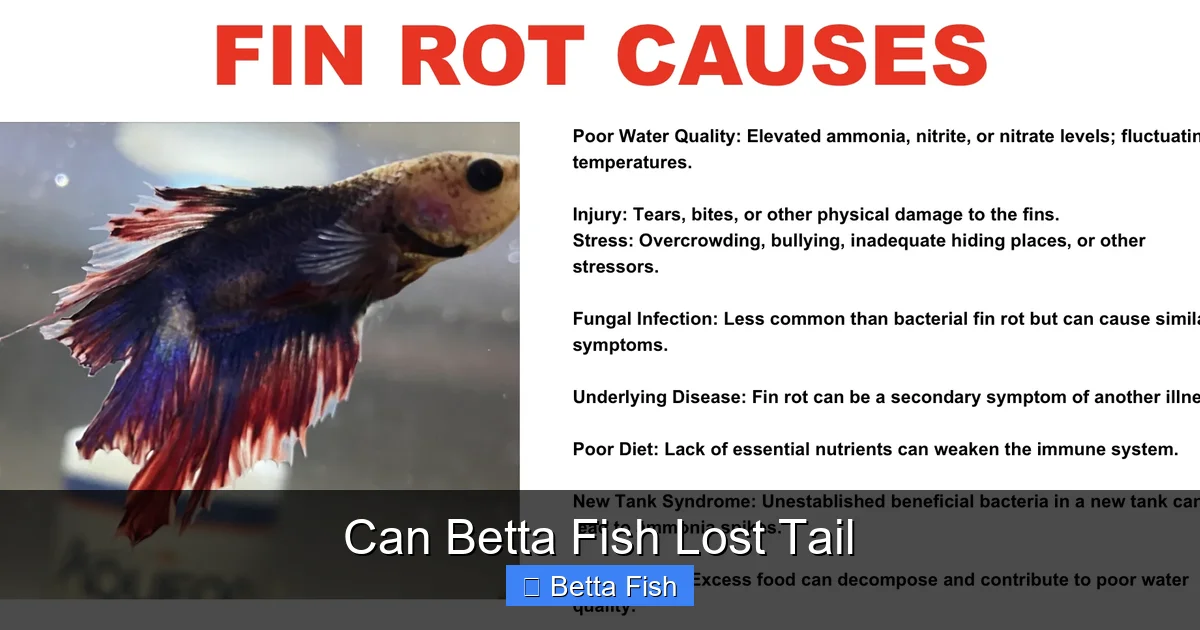
By far, the most common reason betta fish lose their tail is a condition called fin rot. Fin rot is a bacterial or fungal infection that attacks the fins and tail of your fish. It usually starts at the edges of the fins and works its way inward. If left untreated, it can eat away at the entire tail, leaving your betta with nothing but a stump.
Fin rot typically happens when water quality is poor. Ammonia and nitrite buildup in the tank creates a breeding ground for bacteria and fungi. A betta living in dirty water is far more susceptible to developing fin rot. That is why regular water changes and proper filtration are so important for keeping your betta healthy.
The early signs of fin rot include discoloration along the fin edges, usually turning white, black, or brown. As the infection progresses, the fins start to look frayed and ragged. In severe cases, the fin tissue literally falls away. If you catch fin rot early, treatment is usually straightforward and effective.
Physical Injury and Damage
Sometimes betta fish lose their tail due to physical injury. This can happen if your betta gets its tail caught in a filter intake, snagged on sharp decorations, or nipped by aggressive tank mates. Bettas have long, delicate fins that are prone to tearing, and once the tissue is damaged, it can be difficult for the fish to heal on its own.
If you are wondering what other fish can live with betta fish, it is important to choose tank mates carefully. Some fish are known fin nippers, and they will happily chew on your betta’s beautiful tail. Even fish that seem peaceful at first can become aggressive in certain conditions. Always monitor your tank closely when introducing new fish to make sure everyone is getting along.
Stress and a Weakened Immune System
Stress is a silent killer for betta fish. When a betta is stressed, its immune system weakens, making it more vulnerable to infections like fin rot. Common stressors include living in a small, unfiltered bowl, inconsistent water temperature, poor diet, and aggressive tank mates. A stressed betta is a sick betta, and tail loss is often one of the first visible signs that something is wrong.
If you have been keeping your betta in a small container, you might want to read up on whether you can keep betta fish in a small bowl. The truth is that bettas need at least a 5-gallon tank with a heater and filter to truly thrive. Anything smaller puts them at risk for stress-related health problems, including tail loss.
Can Betta Fish Fins Grow Back?
This is one of the most common questions betta owners ask after noticing tail damage. The answer is yes, in most cases, betta fish fins and tails can grow back. However, the regrowth process takes time and depends on the severity of the damage and the overall health of your fish.
Visual guide about Can Betta Fish Lost Tail
Image source: i.pinimg.com
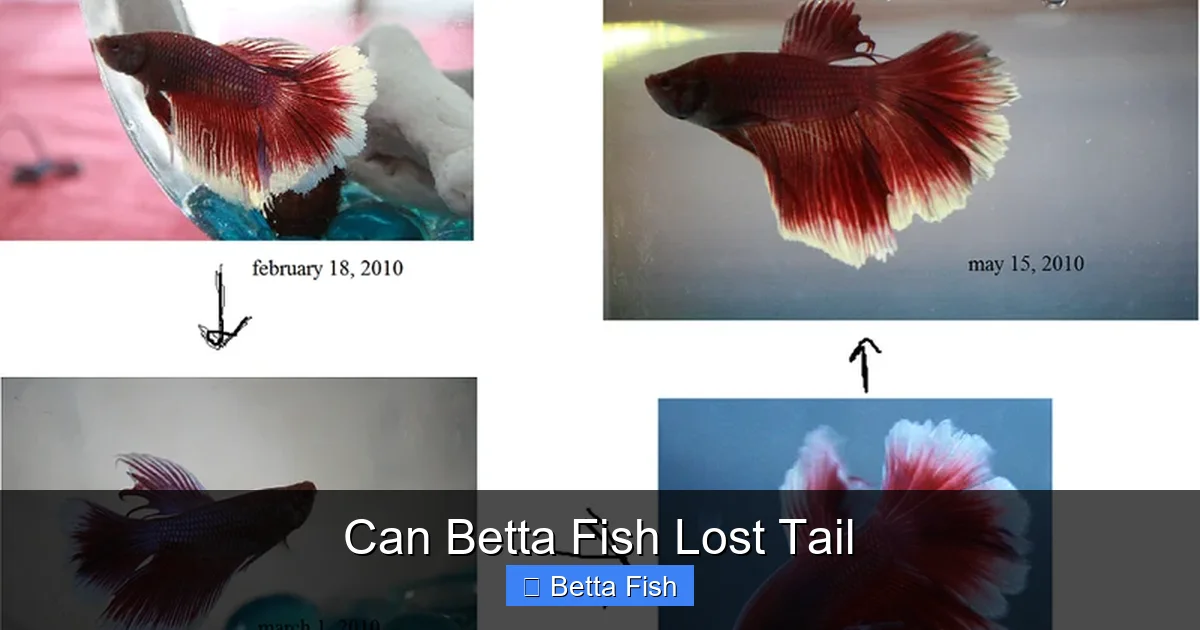
When a betta loses part of its tail due to fin rot or minor injury, the body will begin to regenerate the lost tissue. You might notice a thin, translucent membrane starting to form along the damaged edges. This is a great sign. It means your betta is healing. Over the course of several weeks to a few months, the fin will gradually regrow.
However, there are some important caveats. If the damage extends all the way to the base of the fin, regrowth may be slower or incomplete. In cases where the fin rot has reached the body of the fish, the prognosis is much more serious and may require veterinary intervention. For more detailed information on this topic, check out our article on whether betta fish fins can grow back.
The speed of regrowth also depends on several factors. Clean, warm water is essential for healing. A high-quality diet rich in protein will support tissue regeneration. And reducing stress in your betta’s environment will allow its immune system to focus on recovery. Think of it like healing a wound on your own body. You need good nutrition, clean conditions, and rest to recover properly.
How to Treat a Betta Fish That Has Lost Its Tail
If your betta has already lost part of its tail, do not panic. There are several effective treatment options available. The right approach depends on the cause and severity of the tail loss.
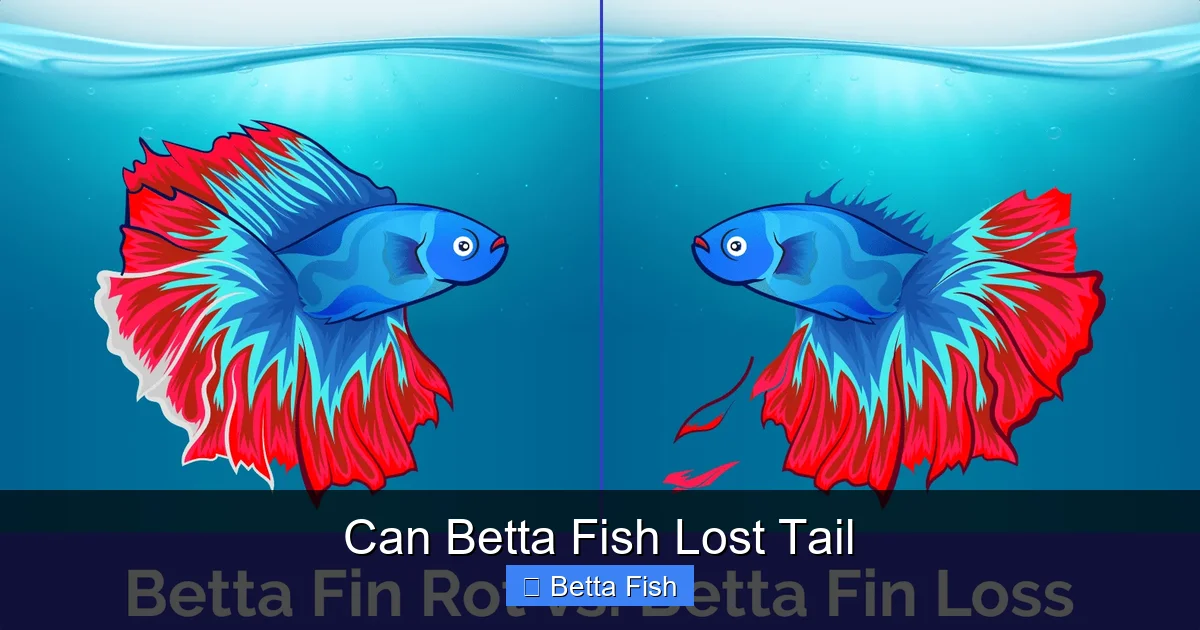
Visual guide about Can Betta Fish Lost Tail
Image source: hepper.com
Treating Fin Rot Step by Step
If fin rot is the cause of your betta’s tail loss, here is a step-by-step treatment plan:
- Perform a large water change: Start by doing a 50% water change to remove harmful bacteria and toxins from the tank. Make sure the new water is treated with a dechlorinator and matches the temperature of the tank water.
- Clean the tank thoroughly: Vacuum the gravel, clean the filter, and remove any decaying plant matter or uneaten food. A clean environment is critical for recovery.
- Add aquarium salt: Aquarium salt (not table salt) can help fight mild bacterial and fungal infections. Use about 1 teaspoon per gallon of water. Be cautious with this if you have live plants or sensitive tank mates.
- Use medication if needed: For moderate to severe fin rot, you may need an over-the-counter medication like API Fin and Body Cure or Seachem Kanaplex. Follow the dosage instructions carefully and complete the full course of treatment.
- Monitor water parameters daily: Test the water for ammonia, nitrite, and nitrate levels. Keep ammonia and nitrite at zero and nitrate below 20 ppm.
Treating Physical Injuries
If your betta’s tail loss is due to a physical injury rather than infection, the treatment approach is slightly different. First, remove the source of the injury. This might mean replacing sharp decorations, adding a filter cover, or separating aggressive tank mates. Once the threat is gone, focus on keeping the water pristine to prevent secondary infections from developing in the damaged tissue.
For minor tears and injuries, clean water alone is often enough to allow the fin to heal on its own. You can add a small amount of aquarium salt as a precautionary measure. Avoid using medications unless you see signs of infection, such as redness, swelling, or white fuzzy growth around the wound.
When to See a Veterinarian
In some cases, home treatment is not enough. If your betta’s tail loss is severe, if the fin rot has spread to the body, or if your fish is showing other symptoms like lethargy, loss of appetite, or bloating, it is time to consult a veterinarian who specializes in fish. A vet can prescribe stronger medications and provide guidance on more advanced treatment options.
Preventing Tail Loss in Betta Fish
Prevention is always better than cure. By taking a few simple steps, you can dramatically reduce the chances of your betta losing its tail. Most of these measures are basic good husbandry practices that every betta owner should follow.

Visual guide about Can Betta Fish Lost Tail
Image source: i.ytimg.com
Maintain Excellent Water Quality
This cannot be overstated. Clean water is the foundation of a healthy betta. Invest in a good water test kit and check your water parameters regularly. Perform partial water changes of 25-30% every week. Make sure your tank has a proper filter and heater. The ideal water temperature for betta fish is between 76 and 82 degrees Fahrenheit. Consistent, warm water keeps your betta’s immune system strong and helps prevent infections.
Feed a High-Quality Diet
A well-fed betta is a healthy betta. Feed your fish a varied diet that includes high-quality betta pellets as the staple, supplemented with frozen or live foods like bloodworms, brine shrimp, and daphnia. Avoid overfeeding, as uneaten food will decay and pollute the water. If you are unsure what to feed your fish, our guide on what betta fish can eat is a great resource.
Choose Tank Mates Carefully
If you want to keep your betta with other fish, you need to be very selective. Some fish simply do not get along with bettas. Fin-nipping species like tiger barbs and some tetras are notorious for attacking betta fins. Even seemingly peaceful fish can become territorial or aggressive in certain situations. Always research compatibility before adding any new fish to your betta’s tank, and have a backup plan in case things do not work out.
Provide a Properly Sized Tank
Bettas need space to swim and explore. A tank that is too small will cause stress and lead to health problems, including tail loss. The minimum recommended tank size for a single betta is 5 gallons. Larger is always better. A bigger tank is easier to maintain, provides more stable water conditions, and gives your betta room to display its natural behaviors.
Use Safe Decorations
When decorating your betta’s tank, avoid anything with sharp edges or rough surfaces. Plastic plants, in particular, can tear delicate fins. Opt for live plants or soft silk decorations instead. Live plants also help improve water quality by absorbing nitrates, which is a win-win for your betta.
How Long Does It Take for a Betta’s Tail to Grow Back?
One of the most common questions from worried betta owners is how long the regrowth process takes. Unfortunately, there is no single answer. The timeline depends on the extent of the damage, the age and health of the fish, and the quality of care provided during recovery.
Visual guide about Can Betta Fish Lost Tail
Image source: wildbettablog.com
For minor fin damage, you might start seeing regrowth within a week or two. The new tissue will appear as a thin, clear or white edge along the damaged fin. Over the next several weeks, the fin will gradually fill in. Complete regrowth of a moderately damaged tail typically takes 2 to 3 months.
For more severe cases where a large portion of the tail has been lost, the process can take 4 to 6 months or even longer. In some cases, the tail may not grow back to its original size or shape. The new growth might also be a slightly different color or texture than the original fin. This is normal and nothing to worry about.
During the recovery period, it is crucial to maintain optimal conditions. Keep the water clean, feed a nutritious diet, and avoid any sources of stress. Think of it as creating a healing sanctuary for your betta. The better the conditions, the faster and more complete the recovery will be.
Common Mistakes Betta Owners Make
Even well-meaning betta owners can make mistakes that contribute to tail loss. Here are some of the most common pitfalls to avoid:
Visual guide about Can Betta Fish Lost Tail
Image source: thefishantibiotics.com
- Keeping bettas in bowls or small containers: This is probably the biggest mistake. Small bowls lack filtration, heating, and swimming space. They lead to poor water quality and chronic stress.
- Skipping water changes: Some owners think that because the water looks clean, it is fine. Harmful chemicals like ammonia are invisible. Regular water changes are non-negotiable.
- Overfeeding: Excess food decays and spikes ammonia levels. Feed your betta only what it can eat in 2-3 minutes, once or twice a day.
- Ignoring early signs of illness: If you notice your betta’s fins looking slightly ragged or discolored, do not wait. Early intervention makes all the difference.
- Using the wrong medications: Not all fish medications are created equal. Some can do more harm than good. Research any treatment before using it, and when in doubt, consult a vet.
- Mixing bettas with incompatible fish: Just because a pet store employee says it is fine does not mean it is true. Always do your own research on tank mate compatibility.
Signs Your Betta Is Healing
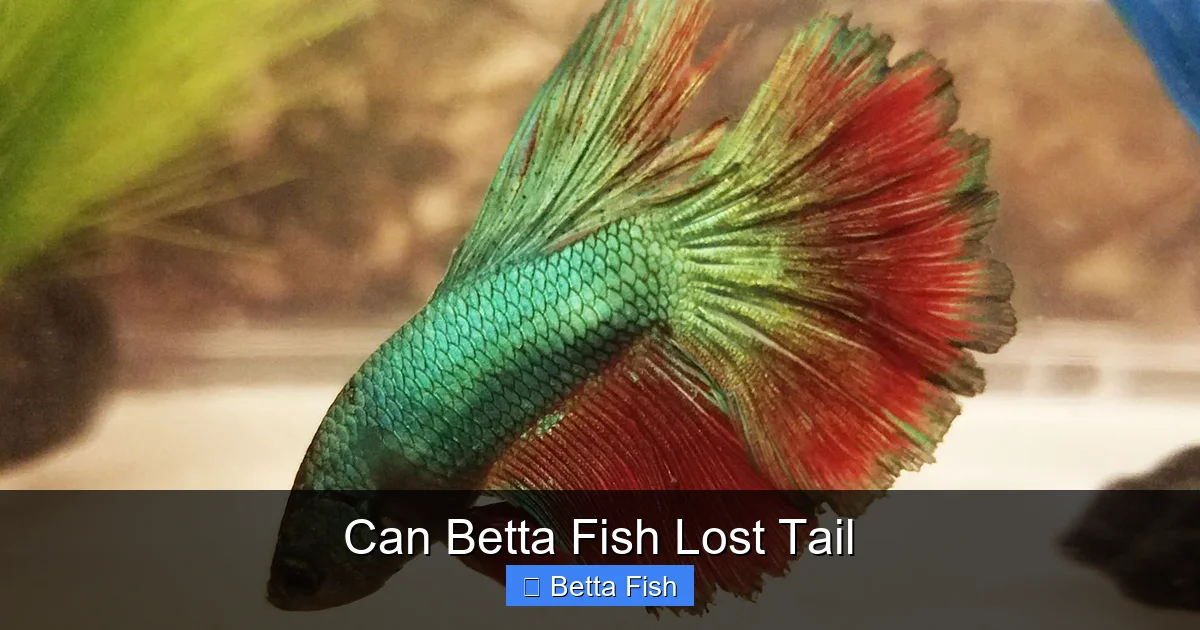
It can be hard to tell if your betta is getting better, especially since fin regrowth is a slow process. But there are some positive signs to look for. A healing betta will become more active and start eating normally again. You might notice a clear or white membrane forming along the edges of the damaged fin. This is new tissue growth, and it is a very encouraging sign.
Visual guide about Can Betta Fish Lost Tail
Image source: bettafish.org
The fin edges should start looking smoother and less ragged over time. Any discoloration or dark edges associated with fin rot should begin to fade. Your betta might also start flaring its gills and displaying more territorial behavior, which is a sign of returning confidence and health.
Keep a close eye on your betta during the recovery period. Take weekly photos to track progress. It can be hard to notice gradual changes when you see your fish every day, but comparing photos over time will help you see the improvement clearly.
Conclusion
So, can betta fish lose their tail? Absolutely. But the more important question is what you do about it when it happens. Tail loss in betta fish is usually caused by fin rot, physical injury, or stress, and in most cases, it is treatable. With clean water, proper nutrition, and a little patience, your betta can regrow its beautiful fins and return to its former glory.

Visual guide about Can Betta Fish Lost Tail
Image source: bettasource.com
The best approach is prevention. By maintaining excellent water quality, feeding a nutritious diet, choosing compatible tank mates, and providing a properly sized tank, you can keep your betta healthy and its tail intact. But if tail loss does occur, do not lose hope. Early detection and prompt treatment can make all the difference in your betta’s recovery.
Remember, your betta depends on you for its health and well-being. A little knowledge and effort go a long way toward ensuring your fish lives a long, happy, and beautiful life. Keep learning, keep observing, and keep caring for your betta. The rewards are well worth it.
Frequently Asked Questions
Can a betta fish survive without a tail?
Yes, a betta fish can survive without a tail, though it will have difficulty swimming normally. The tail helps with balance and propulsion, so a tailless betta may struggle to move around. However, with proper care, the tail can regrow over time.
What does fin rot look like on a betta fish?
Fin rot typically appears as discolored, frayed, or ragged edges on the fins and tail. The edges may turn white, black, or brown. As the infection worsens, the fin tissue begins to deteriorate and fall away, leaving the fins looking progressively shorter and more damaged.
How do I know if my betta’s fin rot is getting better?
You will notice a clear or white membrane forming along the damaged fin edges, which indicates new tissue growth. Your betta will also become more active, eat better, and the fin edges will start looking smoother and less ragged over time.
Can stress cause a betta fish to lose its tail?
Yes, chronic stress weakens a betta’s immune system, making it more susceptible to infections like fin rot. Common stressors include poor water quality, small tanks, aggressive tank mates, and improper diet. Reducing stress is essential for preventing tail loss.
How often should I change the water in my betta’s tank?
You should perform a 25-30% water change every week for a properly filtered tank. If your tank is unfiltered or very small, you may need to do more frequent changes. Always use a water conditioner to remove chlorine and chloramines from tap water.
Is fin rot contagious to other fish in the tank?
Fin rot can be contagious, especially if the underlying cause is poor water quality. If one fish develops fin rot, it is important to check and improve water conditions for all tank inhabitants. In some cases, isolating the affected fish for treatment may be necessary.