Why Does My Betta Fish Blow Bubbles
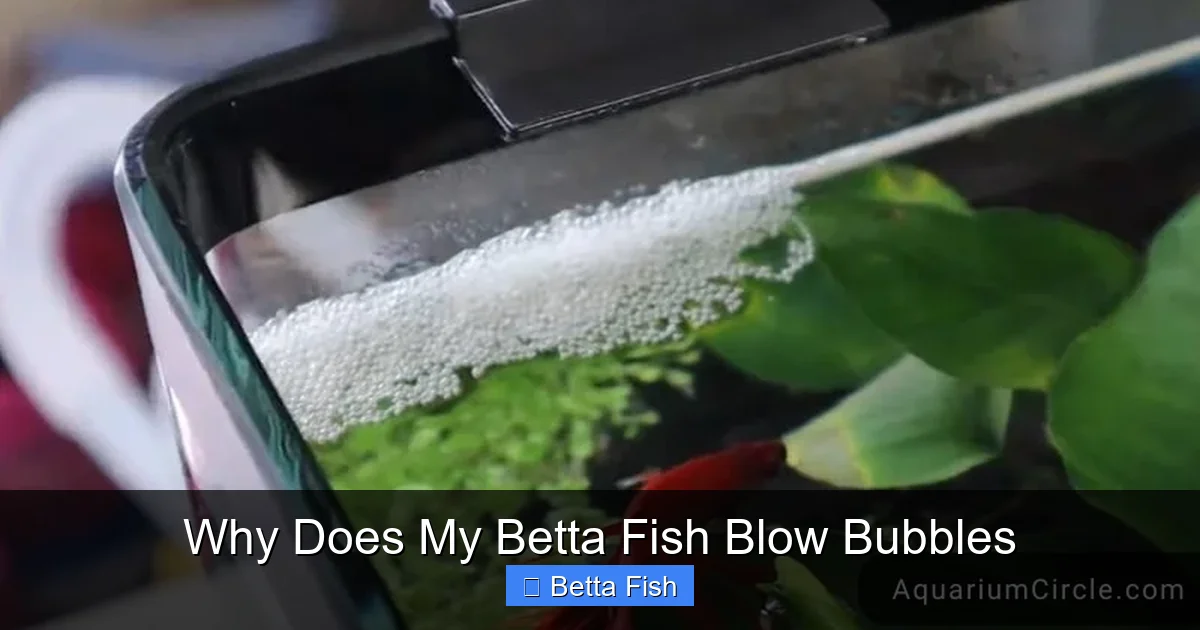
Betta fish blow bubbles for several natural reasons, from building bubble nests to simply gulping air. Understanding the behavior helps you spot health issues, improve tank conditions, and enjoy a happier, more vibrant betta.
Key Takeaways
- Bubble nests are a sign of breeding instinct: Males create nests to attract females and protect eggs.
- Gulping surface air is normal respiration: Bettas breathe air because they have a labyrinth organ.
- Excessive or frantic bubbling can signal stress: Poor water quality, temperature swings, or aggression may be the cause.
- Health issues like swim‑bladder disease affect bubbling: Look for floating, bloating, or loss of control.
- Tank setup matters: Proper cover, water parameters, and hiding spots reduce unnecessary bubbling.
- Observation is key: Regularly watch your betta’s bubble patterns to catch problems early.
- Helpful resources: Read related guides on bubble‑nest formation and tank maintenance for deeper insight.
📑 Table of Contents
- Introduction: The Curious Case of the Bubbly Betta
- 1. The Labyrinth Organ: Why Bettas Need Surface Air
- 2. Bubble Nest Building: The Male’s Love Language
- 3. Stress‑Induced Bubbling: When Too Many Bubbles Are Bad
- 4. Health Issues That Change Bubble Patterns
- 5. Tank Setup that Encourages Proper Bubbling
- 6. When “Why Does My Betta Fish Blow Bubbles” Means Something Good
- Conclusion: Embrace the Bubbles, Watch the Signs
Introduction: The Curious Case of the Bubbly Betta
If you’ve ever watched a betta fish dart to the surface, gulp a mouthful of air, and then release a stream of bubbles, you’ve probably asked yourself, “why does my betta fish blow bubbles?” The answer isn’t always simple, but it’s never boring. Bettas are unique little swimmers with a built‑in air‑breathing organ, a strong instinct to build nests, and a personality that can turn a plain tank into a tiny drama stage.
In this guide we’ll break down every reason a betta might be bubbling, what the behavior tells you about its health, and how you can create a tank environment that encourages happy, healthy bubbling—rather than frantic, stress‑filled blowing.
1. The Labyrinth Organ: Why Bettas Need Surface Air
What is the labyrinth organ?
Bettas belong to the “labyrinth fish” family. Inside their heads is a special, maze‑like organ that extracts oxygen from air. This adaptation lets them survive in low‑oxygen waters where other fish would gasp.
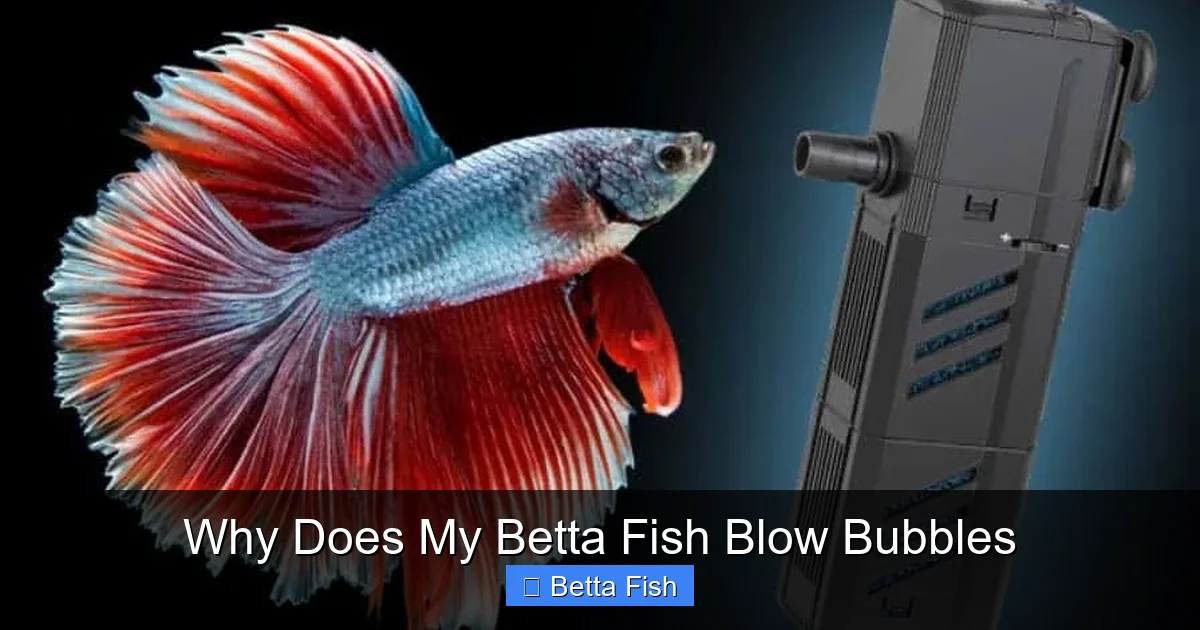
Visual guide about Why Does My Betta Fish Blow Bubbles
Image source: memfish.net
How the organ creates bubbles
When a betta swims to the top, it takes a gulp of air, passes it through the labyrinth organ, and then expels the excess as a stream of bubbles. This is completely normal and usually happens a few times a day.
Tips to support healthy gulping
- Keep the water temperature between 76‑82°F (24‑28°C) so the fish isn’t forced to gulp more often.
- Provide a calm surface; strong currents make it harder for the fish to reach the air.
- Ensure the tank has a tight‑fitting lid with a small opening for air exchange.
2. Bubble Nest Building: The Male’s Love Language
Why males build nests
When a male betta feels ready to breed, he gathers bubbles at the water’s surface to create a floating “nest.” The nest protects eggs and keeps them oxygenated. This is why you’ll often see a cluster of bubbles forming a circular pattern.
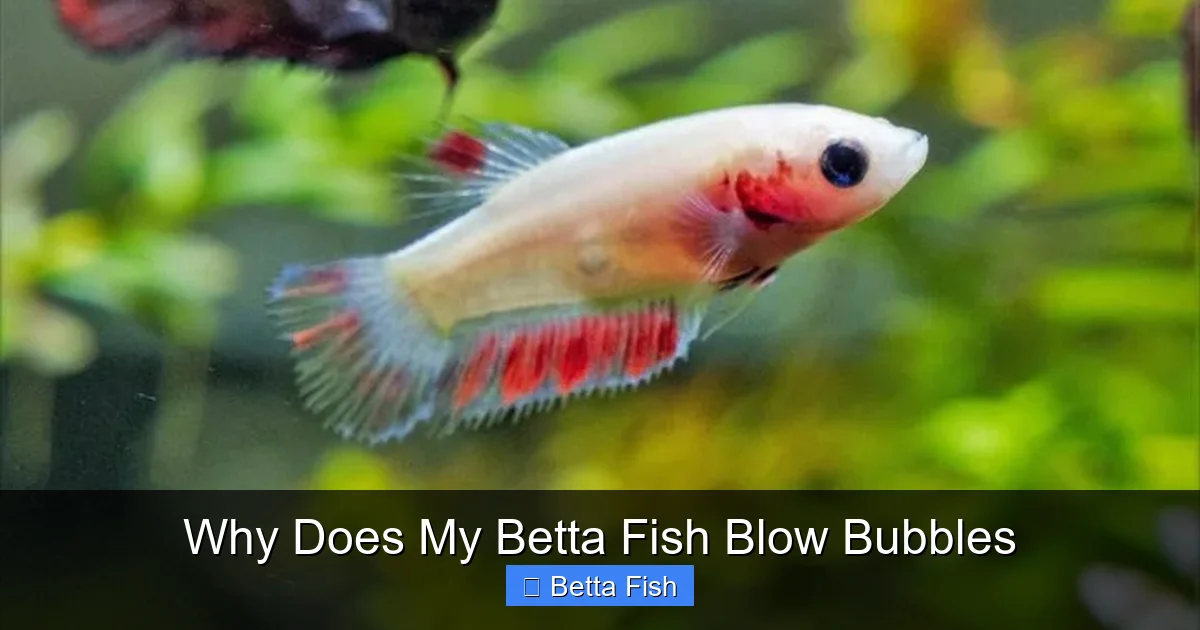
Visual guide about Why Does My Betta Fish Blow Bubbles
Image source: i.pinimg.com
Identifying a nest‑building betta
- He will stay near the surface for long periods.
- He may flare his fins and display brighter colors.
- He’ll carefully arrange bubbles into a tidy, round shape.
Encouraging healthy nest building
If you want to see a nest, give the male a suitable environment: a tank with a lid that allows bubble formation, calm water, and a diet rich in protein. For more on nest creation, read our article on why did my betta fish make a bubble nest.
3. Stress‑Induced Bubbling: When Too Many Bubbles Are Bad
Common stress triggers
While occasional bubbling is normal, a frantic, nonstop stream can signal stress. Look for these culprits:
- Water quality: High ammonia or nitrite levels irritate gills.
- Temperature swings: Rapid changes force the fish to gulp more air.
- Aggression: A betta feeling threatened by mirrors, other fish, or loud vibrations may bubble defensively.
How to diagnose stress‑related bubbling
Test your water weekly with a reliable kit. Ideal parameters for bettas are pH 6.5‑7.5, GH 3‑5 dGH, and ammonia/nitrite at 0 ppm. If any value is off, perform a partial water change and monitor the bubbling.
Quick stress‑relief checklist
- Check and adjust temperature.
- Perform a 25‑30% water change.
- Reduce tank lighting to 8‑10 hours per day.
- Provide hiding spots such as silk plants or caves.
4. Health Issues That Change Bubble Patterns
Swim‑bladder disorder
A damaged swim bladder can make a betta float oddly, causing it to release bubbles in an attempt to correct buoyancy. Look for upside‑down swimming or a “bloated” appearance.
Gill disease and parasites
If the gills are inflamed, the fish may gulp more air and produce extra bubbles. Other signs include ragged fins, loss of appetite, and cloudy eyes.
When to seek veterinary help
If bubbling is accompanied by lethargy, loss of color, or rapid weight loss, consult an aquatic veterinarian. Early treatment often saves a betta’s life.
5. Tank Setup that Encourages Proper Bubbling
Choosing the right tank size
Even though bettas can live in small containers, a 5‑gallon tank gives them space to swim, explore, and bubble comfortably.
Cover and lid considerations
A tight‑fitting lid prevents the fish from jumping out while still allowing air exchange. Small openings let surface air reach the fish without creating a draft.
Decor and flow
- Use gentle filters (sponge or low‑flow power) to keep water clean without strong currents.
- Add live or silk plants for hiding spots, which reduce stress‑bubbling.
- Consider a floating leaf or piece of wood to give the betta a place to rest near the surface.
Maintenance routine
Weekly water changes of 25% keep ammonia low. Clean the substrate with a siphon, and rinse decorations in dechlorinated water.
6. When “Why Does My Betta Fish Blow Bubbles” Means Something Good
Positive signs of a thriving betta
Regular, relaxed bubbling shows the fish is comfortable, breathing well, and possibly preparing a nest. Bright coloration and active swimming are additional good indicators.
Connecting bubbling to breeding
If you notice a male building a nest, you might consider introducing a compatible female for breeding. Remember to monitor both fish closely; aggression can quickly turn deadly.
Further reading
For a deeper dive into the science behind bubble creation, check out why does a betta fish blow bubbles and why betta fish blow bubbles. These articles explore the same topic from slightly different angles and can answer lingering questions.
Conclusion: Embrace the Bubbles, Watch the Signs
Understanding why your betta fish blows bubbles transforms a simple observation into a valuable health check. Whether the bubbles are part of a nest, a normal gulp of air, or a warning sign, paying attention helps you provide the best care. Keep water clean, temperature stable, and tank décor soothing, and you’ll enjoy watching your betta’s bubbly personality thrive for years to come.
Frequently Asked Questions
Why does my betta fish make bubbles at the surface?
Betta fish have a labyrinth organ that lets them breathe air. They gulp surface air and release excess as bubbles, which is normal behavior.
Is a bubble nest a sign that my betta is ready to breed?
Yes. Male bettas build bubble nests to attract females and protect eggs. A tidy, round nest usually means breeding instincts are active.
My betta is bubbling nonstop. Is this a health problem?
Constant frantic bubbling can indicate stress, poor water quality, or a health issue like swim‑bladder disease. Test the water and check for other symptoms.
Can bubbles indicate that my betta is sick?
Sometimes. If bubbling is paired with lethargy, loss of color, or bloating, it may signal gill disease or internal problems. Consult a vet if you’re unsure.
How often should I clean the tank to prevent stress bubbling?
Do a 25‑30% water change weekly, keep the filter running on low flow, and remove uneaten food daily. Consistent maintenance reduces stress.
Do female bettas also build bubble nests?
Female bettas rarely build nests; it’s primarily a male behavior. If a female bubbles, it’s usually just normal air gulping.