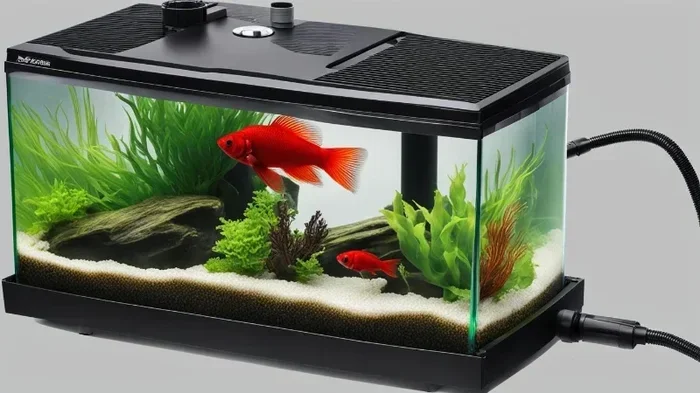
Do Betta Fish Like Water Filters for a Healthy Tank
Betta fish do benefit from water filters, but they thrive best with gentle filtration that doesn’t create strong currents. A good filter keeps the water clean and stable while protecting your betta’s delicate fins and reducing stress. Choosing the right type of filtration helps maintain a healthy tank environment without overwhelming your fish. Always ensure the filter flow is adjustable or baffled to keep conditions comfortable.
If you have ever asked yourself do betta fish like water filters, you are not alone. This is one of the most common questions new and experienced betta keepers ask. The short answer is yes, but with a big caveat. Betta fish need clean water to stay healthy, and filters help achieve that. However, they also prefer calm water with very little current. That means the type of filter you choose and how you set it up matters a lot.
In this guide, we will break down everything you need to know about filtration for betta tanks. We will cover why filters are important, which types work best, and how to make sure your betta stays comfortable. You will also learn common mistakes to avoid and practical tips to keep your tank running smoothly. By the end, you will have a clear plan for creating a safe and healthy home for your fish.
Key Takeaways
- Gentle filtration is best: Betta fish prefer calm water, so low-flow or adjustable filters work best.
- Clean water matters: Filters remove waste and toxins, helping prevent disease and keeping your betta healthy.
- Choose the right type: Sponge filters, hang-on-back filters, and canister filters with flow control are top choices.
- Avoid strong currents: Too much water movement stresses bettas and can damage their long fins.
- Regular maintenance is key: Clean or replace filter media regularly to keep the system working well.
- Baffling helps: Adding a baffle or adjusting the outflow reduces flow strength for a betta-friendly setup.
- Monitor water parameters: Even with a filter, test water regularly to ensure ammonia, nitrite, and nitrate levels stay safe.
📑 Table of Contents
- Why Filtration Matters for Betta Fish
- Do Betta Fish Like Water Filters? Understanding Their Preferences
- Best Filter Types for Betta Tanks
- How to Set Up a Filter for a Betta-Friendly Tank
- Maintenance Tips for Filter and Water Quality
- Common Mistakes to Avoid
- Expert Insights and Quick Tips
- Final Thoughts on Betta Filtration
Why Filtration Matters for Betta Fish
Betta fish live in water that naturally contains beneficial bacteria. These bacteria break down harmful waste products like ammonia and nitrite. Without a filter, these toxins can build up quickly and make your fish sick. A good filter helps maintain the nitrogen cycle, which is the process that keeps water safe. It also removes solid waste, leftover food, and other debris that can cloud the water and lower oxygen levels.
Clean water is not just about clarity. It is about stability. Fluctuations in water quality can stress your betta and weaken its immune system. When you ask do betta fish like water filters, the real question is whether they benefit from the clean, stable environment that filters provide. The answer is a clear yes. A well-maintained filter supports better health, brighter colors, and a longer lifespan for your fish.
The Role of Beneficial Bacteria
Filters provide surface area for beneficial bacteria to grow. These bacteria live on filter media, sponge, and other surfaces inside the tank. They convert toxic ammonia from fish waste into less harmful nitrite, and then into nitrate. This process is essential for a healthy aquarium. Without enough bacteria, ammonia levels can spike and harm your betta. A filter helps house these bacteria and keeps the cycle running smoothly.
Removing Waste and Debris
Betta fish produce waste like any other animal. Leftover food and decaying plant matter also add to the mess. A filter traps this material and keeps it from settling on the substrate. This makes water changes easier and keeps the tank looking cleaner. It also reduces the chance of harmful bacteria growing in decaying matter. For these reasons, many keepers find that a filter makes tank care much simpler.
Do Betta Fish Like Water Filters? Understanding Their Preferences
When people wonder do betta fish like water filters, they often worry about water movement. Betta fish come from shallow, slow-moving waters in Southeast Asia. They are not built for strong currents. Their long fins can make swimming harder, and too much flow can cause stress. That is why the type of filter and how you adjust it matters so much. A gentle filter that keeps water clean without pushing your fish around is the ideal setup.
Bettas also use a special organ called the labyrinth organ to breathe air from the surface. This means they can survive in low-oxygen water for short periods, but they still need good water quality. A filter that creates too much surface agitation can sometimes make the water too turbulent. On the other hand, a filter that provides mild circulation helps distribute oxygen and nutrients without overwhelming your fish. The key is balance.
Gentle Flow vs. Strong Current
Strong water movement can tire out a betta and make it hard to rest. You may notice your fish struggling to stay in place or hiding more than usual. That is a sign the current is too strong. A gentle flow allows your betta to swim comfortably and explore the tank. Many keepers use flow-control filters or add a baffle to reduce water movement. This creates a calm environment that bettas naturally prefer.
Signs Your Betta Is Stressed by the Filter
Watch your fish closely after setting up a new filter. If your betta spends a lot of time hiding, refuses to eat, or stays near the bottom, the flow may be too strong. You might also see your fish fighting the current or getting pushed around. These are clear signs that you need to adjust the filter. Lowering the flow or changing the outflow direction can make a big difference.
Best Filter Types for Betta Tanks
Not all filters are created equal when it comes to betta care. Some filters create too much current, while others are perfect for slow-moving water. If you are still asking do betta fish like water filters, the answer depends on choosing the right kind. Here are some of the best options for betta tanks.
Sponge Filters
Sponge filters are a favorite among betta keepers. They provide gentle filtration and excellent biological filtration. The sponge traps debris and gives beneficial bacteria a place to grow. Water is pulled through the sponge and pushed back out softly. This creates very little current, which is ideal for bettas. Sponge filters are also affordable and easy to maintain. They work well in smaller tanks and can be powered by an air pump.
Hang-On-Back Filters
Hang-on-back filters are another popular choice. They hang on the rim of the tank and pull water through a intake tube. These filters often have adjustable flow rates, which makes them flexible for betta setups. You can turn the flow down to create a calmer environment. They also offer mechanical, chemical, and biological filtration in one unit. Just make sure to use a flow control or baffle if the current feels too strong.
Canister Filters with Flow Control
Canister filters are great for larger tanks or setups where you want strong filtration with adjustable flow. They sit outside the tank and pump water through a series of media. Many canister filters come with flow control valves, so you can reduce the current to a betta-friendly level. These filters are powerful and reliable, but they can be more expensive and take up more space. They are a good option if you want long-term performance and easy maintenance.
Internal Filters
Internal filters sit inside the tank and are often compact and easy to install. Some models have adjustable flow and can be positioned to direct water gently. They are a good choice for smaller tanks or beginners who want a simple setup. Just be sure to check the flow rate and adjust it as needed. Internal filters can work well for bettas if you choose one with a calm output.
How to Set Up a Filter for a Betta-Friendly Tank
Setting up a filter the right way makes a huge difference. Even a good filter can cause problems if the flow is too strong or the outflow is pointed directly at your fish. Here are some simple steps to create a comfortable environment.
Adjust the Flow Rate
Most filters have a way to control the flow. Turn it down to the lowest setting that still keeps the water moving enough to filter properly. You want gentle circulation, not a river. If your filter does not have a flow control, you can add a baffle to slow the water down. A simple piece of sponge or a plastic bottle can work as a baffle in a pinch.
Position the Outflow Carefully
Point the filter outflow toward the glass or a hard surface so the water spreads out gently. Avoid aiming it directly at your betta or at a place where your fish likes to rest. You can also use a spray bar or a flow diffuser to soften the water movement. The goal is to create even, mild circulation throughout the tank.
Use a Baffle if Needed
A baffle is a simple tool that reduces water flow. You can make one from a plastic bottle, a piece of tubing, or even a sponge placed in front of the outflow. The baffle breaks up the current and spreads the water more gently. This is especially helpful if you are using a filter that runs too strong for your betta.
Monitor Your Betta’s Behavior
After setting up the filter, watch your fish for a few days. Look for signs of comfort, such as active swimming, eating well, and exploring the tank. If your betta seems stressed, make small adjustments to the flow or position. It may take a little trial and error to find the perfect setup. Patience pays off when you are creating a home your betta will love.
Maintenance Tips for Filter and Water Quality
A filter only works well if you take care of it. Regular maintenance keeps the system running and protects your betta from poor water conditions. Here are some key tips to keep everything in good shape.
Clean Filter Media Regularly
Over time, filter media gets clogged with debris. This can reduce water flow and make the filter less effective. Rinse mechanical media like sponge or floss in old tank water during water changes. Never use tap water, because chlorine can kill beneficial bacteria. Replace media only when it is worn out or heavily clogged. Keeping the media clean helps the filter do its job.
Perform Routine Water Changes
Even with a filter, water changes are essential. They remove nitrate and refresh the tank with fresh, clean water. A good rule is to change about 20 to 30 percent of the water every week or two, depending on your tank size and stocking. Use a gravel vacuum to remove waste from the substrate. Regular water changes keep the environment stable and healthy for your betta.
Test Water Parameters
Testing your water helps you catch problems early. Use a liquid test kit to check ammonia, nitrite, nitrate, and pH. Ammonia and nitrite should always be at zero in a cycled tank. Nitrate should stay below 20 to 40 ppm for best results. If you see spikes, investigate the cause and take action quickly. Testing gives you peace of mind and helps you keep your betta safe.
Avoid Overcleaning the Filter
It is tempting to clean everything at once, but that can disrupt the beneficial bacteria colony. Clean only what is needed and stagger your maintenance tasks. For example, rinse the sponge one week and replace chemical media the next. This keeps the biological balance intact. A stable filter system means a healthier tank for your fish.
Common Mistakes to Avoid
Even well-meaning keepers can make mistakes when setting up filtration. Avoiding these common errors will save you time and keep your betta happier.
Using a Filter That Is Too Powerful
A filter that creates a strong current can stress your betta and make swimming difficult. Always choose a filter with adjustable flow or plan to baffle it. If your fish is struggling against the water movement, the filter is too strong. Lower the flow or switch to a gentler option.
Skipping the Cycling Process
Adding a filter does not instantly make the tank safe. You still need to cycle the tank to build up beneficial bacteria. This process takes time, usually a few weeks. Adding fish before the cycle is complete can lead to dangerous ammonia spikes. Be patient and test your water before adding your betta.
Ignoring Flow Direction
Where the water comes out matters just as much as how strong it is. A direct blast of water can scare your betta and create dead spots elsewhere. Position the outflow so the water moves gently across the tank. Use a baffle or adjust the angle if needed. Good flow direction helps every part of the tank stay clean and comfortable.
Overfeeding and Poor Maintenance
Too much food leads to more waste and faster water degradation. Feed your betta only what it can eat in a few minutes, and remove leftovers. Pair this with regular filter cleaning and water changes. Consistency is the secret to a healthy tank. Small, regular efforts prevent big problems later.
Expert Insights and Quick Tips
Here are some practical tips from experienced betta keepers to help you get the best results from your filter setup.
- Start with a sponge filter if you are new to betta care. It is gentle, affordable, and easy to maintain.
- Use a flow control valve or baffle on any filter that runs too strong. A calm tank is a happy tank.
- Keep the filter running 24/7. Constant filtration helps maintain stable water quality and supports beneficial bacteria.
- Match the filter to your tank size. A filter that is too small will not clean the water well, while one that is too large may create too much flow.
- Watch your betta’s behavior as your guide. If your fish looks relaxed and active, you are likely on the right track.
- Combine filtration with regular water changes for the best results. Filters and water changes work together to keep the tank healthy.
If you want to learn more about how filtration fits into the bigger picture of betta care, you may find it helpful to read about whether betta fish like air filters and how different filtration methods compare. You can also explore if betta fish have to be in a filtered tank to understand when filtration is essential and when other options might work. For keepers curious about water movement, betta fish and air pump circulation offers useful insights on gentle flow and oxygenation.
Final Thoughts on Betta Filtration
So, do betta fish like water filters? Yes, they do, as long as the filter is chosen and set up with their needs in mind. A good filter keeps the water clean, supports beneficial bacteria, and makes tank maintenance easier. The most important thing is to keep the flow gentle and comfortable for your betta. With the right filter, proper adjustments, and regular care, you can create a healthy and stress-free home for your fish.
Take the time to observe your betta and make small changes as needed. A calm, clean tank leads to a happier, healthier fish. Whether you choose a sponge filter, a hang-on-back filter, or another option, the goal is the same: clean water with gentle movement. When you get that balance right, your betta will thrive, and you will enjoy watching it explore and flourish in its home.
Frequently Asked Questions
Do betta fish need a filter in their tank?
Betta fish do not strictly need a filter if you are willing to do frequent water changes, but a filter makes it much easier to keep the water clean and stable. A gentle filter helps remove waste and supports beneficial bacteria, which improves your betta’s overall health.
What kind of filter is best for a betta fish?
Sponge filters and hang-on-back filters with adjustable flow are often the best choices for betta tanks. These options provide good filtration without creating a strong current that can stress your fish. Canister filters with flow control also work well for larger setups.
Can a filter be too strong for a betta fish?
Yes, a filter that creates a strong current can tire out a betta and cause stress. Betta fish prefer calm water, so it is important to use a filter with low or adjustable flow. If the current is too strong, add a baffle or reduce the flow to make the tank more comfortable.
How often should I clean the filter in a betta tank?
You should rinse mechanical filter media in old tank water during regular water changes, usually once a week or every other week. Avoid using tap water, because chlorine can harm beneficial bacteria. Replace media only when it is worn out or heavily clogged.
Do betta fish like air pumps with filters?
Betta fish can do well with air pumps that power sponge filters, as long as the water movement stays gentle. Air-driven filters often create very mild flow, which many bettas enjoy. If you are curious about how air movement affects bettas, you can read more about betta fish and air pump circulation for helpful details.
How do I know if my betta is stressed by the filter?
Signs of stress include hiding a lot, refusing to eat, struggling against the current, or staying near the bottom of the tank. If you notice these behaviors, check the flow rate and adjust the filter position. Lowering the current usually helps your betta feel more at ease.