Betta fish can safely go without food for up to two days, but regular feeding is still crucial for their health. Understanding why short fasts are okay—and how to spot trouble—helps you keep your betta thriving even when life gets busy.
Key Takeaways
- Short fasts are safe: A healthy adult betta can endure 48 hours without food without stress.
- Age matters: Fry and senior bettas need more frequent meals than mature adults.
- Water quality is key: Poor water can turn a short fast into a health crisis.
- Watch for warning signs: Lethargy, discoloration, or loss of buoyancy indicate a problem.
- Plan ahead: Use automatic feeders or trusted friends for longer absences.
- Nutrition matters: High‑quality pellets, frozen or live foods provide essential nutrients.
- Stress compounds risk: Keep temperature stable and avoid sudden changes during any fasting period.
📑 Table of Contents
- Introduction: Why the Two‑Day Question Pops Up
- 1. The Biology Behind a Betta’s Hunger
- 2. Age and Size: Not All Bettas Are the Same
- 3. Water Quality: The Hidden Factor
- 4. Feeding Strategies for Short Absences
- 5. Recognizing Warning Signs
- 6. What to Do If Your Betta Misses a Meal
- Conclusion: Two Days Is Usually Fine, But Plan Ahead
Introduction: Why the Two‑Day Question Pops Up
Imagine you’re heading out of town for a weekend getaway. You’ve packed your bags, double‑checked the itinerary, and then you remember—your betta fish needs to be fed. The panic sets in: “Will my little neon fighter survive two days without food?” This is a common worry for both new and seasoned betta owners.
Betta fish (Betta splendens) are hardy, but they’re not indestructible. Knowing the limits of their metabolism, the role of water conditions, and what “fasting” actually means for a tropical fish will give you confidence. In this article we’ll break down the science, share practical tips, and answer the exact question: Can a betta fish live for 2 days without food? Spoiler—yes, most healthy adults can, but there are important nuances.
1. The Biology Behind a Betta’s Hunger
How Betta Metabolism Works
Betta fish are warm‑blooded “labyrinth” fish, meaning they can gulp air from the surface. Their metabolism is tuned for a relatively low‑activity lifestyle. In a well‑maintained tank, an adult betta uses about 1–2% of its body weight in energy each day. This low demand lets them survive short periods without food.
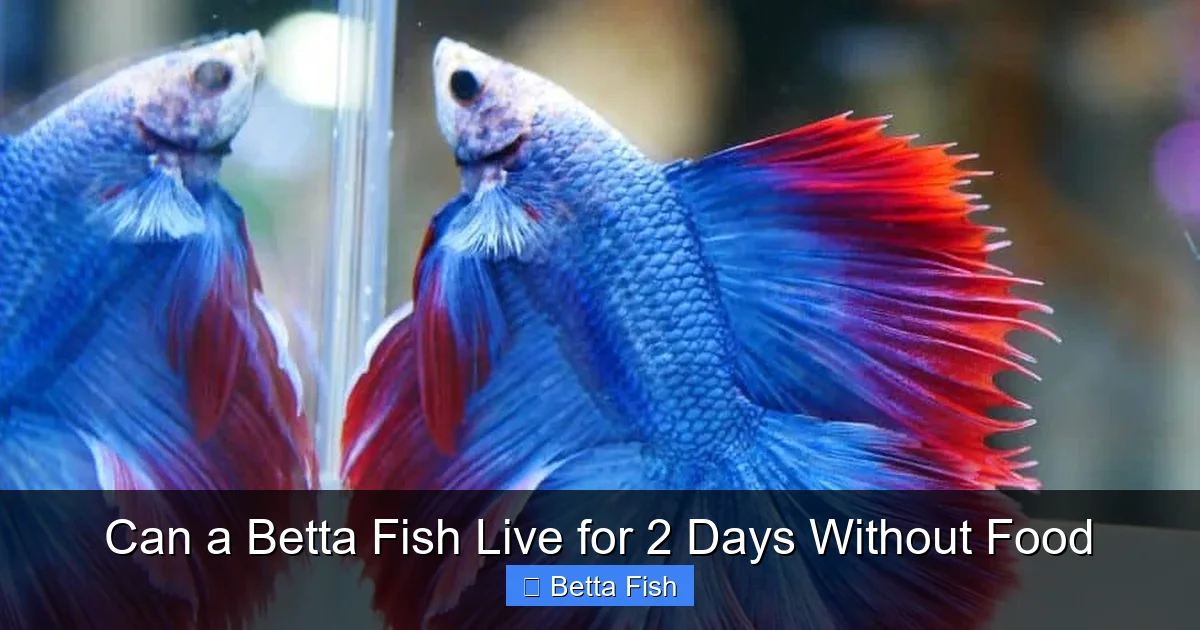
Visual guide about Can a Betta Fish Live for 2 Days Without Food
Image source: acaquarium.com
What Happens When Food Stops
When a betta stops eating, its body first taps into stored glycogen in the liver and muscles. After about 24 hours, it begins to break down fat reserves. Protein catabolism (muscle loss) generally doesn’t start until after 48–72 hours, which is why a two‑day fast is usually safe for a healthy adult.
2. Age and Size: Not All Bettas Are the Same
Fry and Juveniles
Betta fry grow rapidly and need frequent, small meals—often 3–4 times a day. Going without food for even 12 hours can stunt growth and increase mortality. If your betta is under 4 weeks old, plan to feed before you leave.
Visual guide about Can a Betta Fish Live for 2 Days Without Food
Image source: i.pinimg.com
Adult Bettas
Fully grown bettas (about 2.5‑3 inches long) have slower metabolisms. They can comfortably skip meals for 24–48 hours. However, keep an eye on body condition; a skinny betta has less reserve and may need more frequent feedings.
Seniors
Older bettas (over 2 years) often have reduced appetite and slower digestion. While they can survive short fasts, they are more vulnerable to stress. If your betta shows signs of aging—cloudy fins, slowed swimming—feed at least once every 24 hours.
3. Water Quality: The Hidden Factor
Why Clean Water Matters During a Fast
When a betta isn’t eating, waste production drops, but ammonia and nitrite can still accumulate if the filter isn’t working well. Poor water quality adds stress, which can quickly turn a harmless fast into a lethal situation.
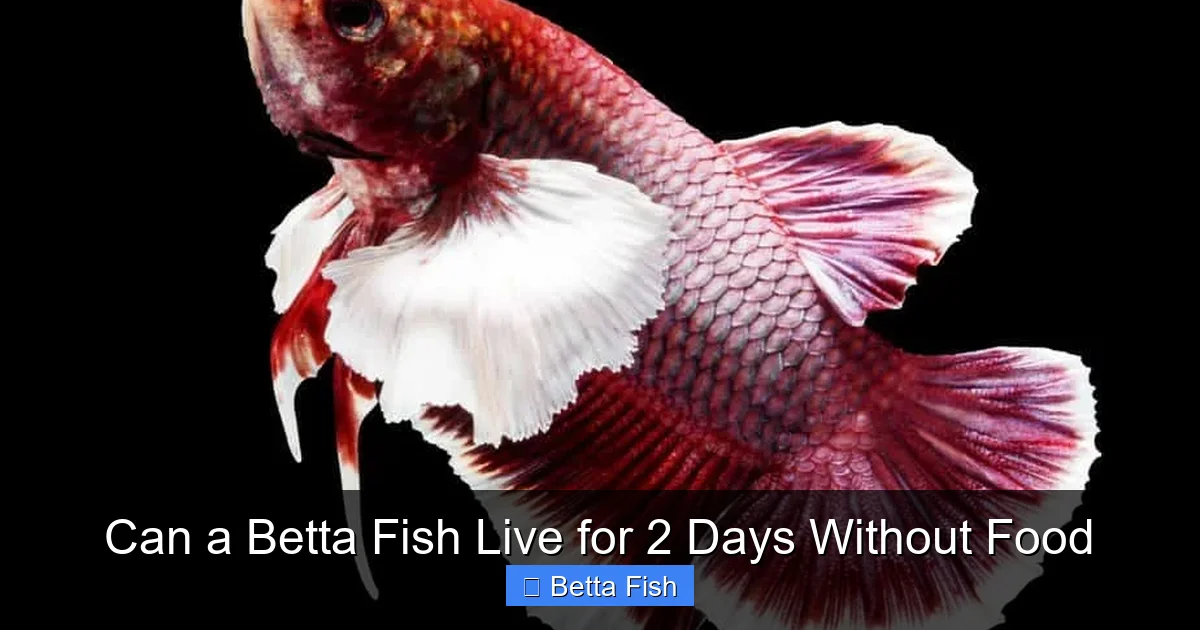
Visual guide about Can a Betta Fish Live for 2 Days Without Food
Image source: fishkeepingadvice.com
Testing and Maintenance Tips
- Test ammonia, nitrite, and nitrate weekly.
- Perform a 25‑30% water change 24 hours before you leave.
- Ensure the heater stays at 78‑80 °F (25‑27 °C). Temperature swings accelerate metabolism and waste buildup.
4. Feeding Strategies for Short Absences
Automatic Feeders
Battery‑operated or plug‑in feeders can dispense a measured amount of pellets once or twice a day. Choose a model that releases small pellets to avoid over‑feeding and water fouling.
Friend or Neighbor Help
Ask a trusted friend to feed your betta once during your trip. Provide clear instructions: “Give one pinch of pellets, remove any uneaten food after 5 minutes.”
Pre‑Feeding the Night Before
Give a slightly larger meal (but not too much) the night before you leave. This can keep your betta satisfied for the first 12‑18 hours of your absence.
5. Recognizing Warning Signs
Physical Indicators
- Lethargy: A betta that stays at the bottom and doesn’t flare its fins may be stressed.
- Color Fading: Dull or pale coloration can signal poor nutrition or illness.
- Fin Rot or Fraying: A sign of compromised immunity, often linked to inadequate feeding.
Behavioral Clues
If your betta repeatedly bumps into the glass, hides excessively, or shows rapid breathing at the surface, check water parameters immediately. These are early alerts that a short fast has become a health issue.
6. What to Do If Your Betta Misses a Meal
Re‑Feeding Gently
When you return, offer a small amount of high‑quality pellet or frozen bloodworm. Wait 5‑10 minutes; remove any leftovers to keep water clean.
Monitoring Recovery
Watch for normal swimming and feeding behavior over the next 24 hours. If the betta refuses food or looks ill, consider a water change and consult a vet who specializes in fish.
When to Seek Professional Help
Persistent loss of appetite, bloating, or blackened fins warrant a visit to an aquarium‑savvy veterinarian. Early intervention can save a betta that’s slipped into a deeper health crisis.
Conclusion: Two Days Is Usually Fine, But Plan Ahead
In short, a healthy adult betta fish can live for 2 days without food without any lasting harm. The key is to ensure the fish is in good condition, the water is clean, and the temperature stays stable. For fry, seniors, or bettas already showing signs of stress, a 24‑hour feeding window is safer.
By using automatic feeders, enlisting a friend, or simply giving a larger meal the night before, you can travel with peace of mind. Keep an eye on water quality, observe your betta’s behavior, and you’ll avoid the dreaded “forgot to feed” scenario.
Remember, occasional short fasts are natural—wild bettas sometimes go without prey for a day or two. Your aquarium betta is no different. With a little preparation, you’ll both enjoy a worry‑free weekend.
Frequently Asked Questions
Can a betta fish survive exactly 48 hours without food?
Yes, most healthy adult bettas can safely go 48 hours without eating. Their low metabolic rate and stored energy reserves allow them to cope with short fasts.
What should I do if my betta looks pale after a two‑day fast?
Pale coloration can be a stress response. Test the water, perform a partial change, and offer a small, nutritious meal. If the color doesn’t improve in 24 hours, seek veterinary advice.
Are automatic feeders reliable for bettas?
Modern feeders are quite reliable, but always test one before you leave. Use small pellets to avoid over‑feeding, which can foul the water.
Do bettas need to be fed every day under normal circumstances?
Yes, a balanced diet once or twice a day is ideal for adult bettas. Fry require 3–4 small feedings daily to support rapid growth.
How does water temperature affect a betta’s ability to fast?
Higher temperatures increase metabolism, meaning a betta will use energy faster. Keep the tank at 78‑80 °F (25‑27 °C) to maintain a safe fasting window.
Can I give my betta a larger meal before a short trip?
Providing a slightly larger meal the night before can help, but avoid over‑feeding which leads to waste and poor water quality.

