Is a Split Ring Nosed Plier Better for Fishing
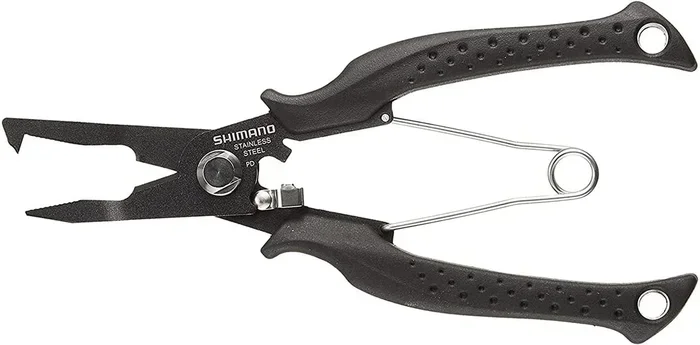
A split ring nose plier can be a game changer for anglers who need precision and control. It helps with hook removal, lure tying, and handling small hooks that regular pliers struggle with. This guide covers everything you need to know about whether this tool deserves a spot in your fishing gear.
Every angler knows the frustration of a stubborn hook or a tiny split ring that just won’t budge. You are standing on the bank or sitting in a boat, and your regular pliers just are not cutting it. That is where a split ring nose plier comes into the picture. But is a split ring nose plier better for fishing? Let us dive deep into this question and find out.
Fishing tools have come a long way over the years. From basic hooks and lines to advanced electronics and specialized pliers, the right gear can make or break your day on the water. A split ring nose plier is one of those tools that looks simple but does a lot of heavy lifting. Whether you are tying lures, removing hooks, or handling delicate tackle, this tool has some real advantages.
In this article, we will cover everything you need to know. We will look at what a split ring nose plier is, how it compares to other types of pliers, and who really needs one. By the end, you will know exactly whether this tool belongs in your tackle box.
Key Takeaways
- Better Precision: A split ring nose plier gives you finer control when working with small hooks and lures.
- Hook Removal Made Easy: The narrow nose design lets you safely remove hooks from fish without causing extra damage.
- Versatile Fishing Tool: It handles tasks like tying knots, attaching swivels, and opening split rings with ease.
- Not Always Necessary: For casual anglers, standard needle nose pliers may do the job just fine.
- Durability Matters: Choose stainless steel or coated options for long-lasting performance in both freshwater and saltwater.
- Complements Other Gear: A split ring nose plier works best when paired with the right fishing rod and tackle setup.
📑 Table of Contents
- What Is a Split Ring Nose Plier?
- Is a Split Ring Nose Plier Better Than Regular Pliers for Fishing?
- Benefits of Using a Split Ring Nose Plier for Fishing
- Types of Split Ring Nose Pliers for Fishing
- How to Choose the Right Split Ring Nose Plier
- Common Mistakes Anglers Make with Split Ring Nose Pliers
- Quick Tips for Getting the Most Out of Your Split Ring Nose Plier
- Expert Insights: Do Professional Anglers Use Split Ring Nose Pliers?
- Final Verdict: Is a Split Ring Nose Plier Better for Fishing?
What Is a Split Ring Nose Plier?
A split ring nose plier is a specialized hand tool designed to open and close split rings. These are the small metal circles that connect hooks to lures, snaps to swivels, and various terminal tackle components. The nose of the plier has a fine, tapered tip that fits inside the gap of a split ring. This lets you twist and open the ring with precision.
Unlike standard needle nose pliers, a split ring nose plier has a specific jaw shape that matches the curve of a split ring. Some models also have a cutting edge built into the design. This makes them a two-in-one tool for both rigging and cutting line.
Key Features to Look For
Not all split ring nose pliers are created equal. Here are some features worth considering:
- Material: Stainless steel holds up best in both freshwater and saltwater. It resists rust and stays sharp over time.
- Jaw Design: Look for a jaw that tapers to a fine point. This gives you better access to tight spaces on lures and hooks.
- Ergonomic Handle: A comfortable grip reduces hand fatigue during long fishing sessions.
- Built-in Cutter: Some models include a line cutter near the pivot point. This adds convenience without adding bulk.
- Size: Smaller pliers work well for ultralight fishing. Larger ones handle bigger split rings and heavier tackle.
Is a Split Ring Nose Plier Better Than Regular Pliers for Fishing?
This is the big question, and the answer depends on your fishing style. A standard pair of needle nose pliers can handle many of the same tasks. But a split ring nose plier excels in specific areas where precision matters most.
For example, when you are working with small bass fishing lures or tying tiny flies for trout, a regular plier can slip off the split ring. A split ring nose plier grips the ring securely and gives you the leverage to twist it open without bending or breaking the metal. This matters a lot when you are on a tight budget and do not want to replace damaged tackle.
When a Split Ring Nose Plier Wins
Here are situations where a split ring nose plier clearly outperforms regular pliers:
- Small Hook Removal: The fine tip lets you reach deep into a fish’s mouth without hurting the gills. This is especially helpful when fishing for species with small mouths like perch or bluegill.
- Lure Rigging: Attaching a new hook or swapping out a damaged one takes seconds with the right plier.
- Tiny Split Rings: Some lures use very small split rings that regular pliers simply cannot grip properly.
- Precision Work: When you need to open a ring just enough to slide a snap swivel on and off, the controlled grip of a split ring nose plier is unmatched.
When Regular Pliers Are Enough
On the other hand, if you mostly fish with larger lures and heavier tackle, a regular pair of needle nose pliers may be all you need. Casual weekend anglers who do not tie complex rigs might find a split ring nose plier to be an unnecessary addition. The key is matching your tools to your fishing style.
Benefits of Using a Split Ring Nose Plier for Fishing
There are several real benefits that make this tool a favorite among serious anglers. Let us break them down.
1. Faster Rigging and Rig Changes
Time on the water is precious. When you spend less time fumbling with split rings, you spend more time actually fishing. A split ring nose plier lets you change lures quickly and get back to casting. This can be the difference between landing a limit and going home empty handed.
2. Better Hook Removal
Safe hook removal is important for both you and the fish. A split ring nose plier gives you a clean grip on the hook shank. You can back the hook out smoothly without tearing the fish’s mouth. This is especially true when using barbless hooks or when practicing catch and release fishing.
If you want to learn more about choosing the right fishing setup, check out our guide on is a longer or shorter fishing rod better to match your plier choice with the right rod length.
3. Reduced Tackle Damage
Regular pliers often bend or break small split rings when you try to force them open. A split ring nose plier distributes pressure evenly along the ring. This means your tackle stays in better shape and lasts longer. Over time, this saves you money on replacement lures and components.
4. Improved Knot Tying
Some split ring nose pliers have a textured jaw section that helps you hold slippery knots while tightening them. This is a huge advantage when you are tying braided line to fluorocarbon leaders or attaching a leader to your main line. The grip makes a real difference in knot strength and reliability.
Types of Split Ring Nose Pliers for Fishing
Not all split ring nose pliers are the same. Different types serve different purposes. Here is a quick look at what is available.
| Type | Best For | Material | Price Range |
|---|---|---|---|
| Standard Split Ring Plier | General lure rigging and hook removal | Stainless Steel | $5 – $15 |
| Long Nose Split Ring Plier | Deep throat hook removal and tight spaces | Stainless Steel | $8 – $20 |
| Rotating Split Ring Plier | Reduced hand fatigue during long sessions | Stainless Steel with coating | $12 – $25 |
| Multi-Tool Split Ring Plier | All-in-one solution with built-in cutters and scrapers | Stainless Steel | $15 – $35 |
Your choice depends on how often you fish and what type of fishing you do. A basic standard split ring plier works great for casual anglers. If you fish frequently or target species that require delicate handling, investing in a higher quality multi-tool version pays off fast.
How to Choose the Right Split Ring Nose Plier
Picking the right pair of pliers is simpler than you might think. Focus on these factors to make a smart choice.
Consider Your Fishing Environment
If you fish in saltwater, go for stainless steel or coated pliers. Salt water corrodes cheap metals fast. For freshwater fishing, you have more flexibility, but stainless steel still lasts longer and performs better.
Match the Size to Your Hand
A plier that is too big feels clumsy. One that is too small strains your hand. Try different sizes if you can at a local tackle shop. The right fit should feel natural in your grip and allow you to open and close the jaw smoothly.
Look for Quality Construction
A well made split ring nose plier should have smooth action at the pivot point. The jaws should align perfectly when closed. Avoid pliers with rough edges or loose joints. These small details make a big difference in daily use.
For tips on matching your plier with the right fishing tackle, also see our article on are tackles better the live bait for freshwater fishing to understand how your tools and bait choices work together.
Common Mistakes Anglers Make with Split Ring Nose Pliers
Even with the right tool, mistakes can happen. Here are some common ones to avoid.
- Forcing the Ring Open: Never use brute force. A split ring nose plier is designed for controlled twisting, not prying. Forcing it can damage the ring and the tool.
- Using the Wrong Size: A plier meant for large split rings will not work well on tiny ones. Match the plier jaw size to the ring size for best results.
- Ignoring Maintenance: Rinse your pliers with fresh water after each trip, especially if you fish in saltwater. Dry them before storing to prevent rust.
- Not Using the Cutting Edge: Many models have a built-in line cutter. Using it instead of your teeth or a separate cutter keeps your plier sharper and your line cleaner.
- Overlooking the Handle Grip: A worn or slippery handle reduces your control. Replace or repair damaged handles before they cause problems on the water.
Quick Tips for Getting the Most Out of Your Split Ring Nose Plier
Here are some practical tips to help you use your split ring nose plier like a pro:
- Keep it in your vest or tackle bag at all times. You never know when you will need it.
- Use a gentle twisting motion to open split rings. This keeps the metal from fatiguing and breaking.
- Clean the jaws after every use. Fish slime and salt build up quickly and can affect performance.
- Store the plier in a protective case. This keeps the tips sharp and prevents damage to other gear in your bag.
- Pair it with good quality split rings. Cheap split rings bend easily and defeat the purpose of having a precision tool.
- Practice on old lures before using the plier on your favorite rigs. Build muscle memory for smooth, confident operation.
For more on choosing the right fishing accessories, you might also want to check out is it better to fish with or without a bobber to understand how small gear choices affect your overall fishing experience.
Expert Insights: Do Professional Anglers Use Split Ring Nose Pliers?
The short answer is yes. Many professional bass anglers, fly fishers, and tournament competitors rely on split ring nose pliers as part of their daily setup. The ability to quickly and safely change lures, remove hooks, and adjust terminal tackle gives them a competitive edge. Time saved on rigging is time spent fishing, and in tournament situations, that difference matters.
These experts also emphasize the importance of quality. A cheap pair of pliers that sticks or slips can cost you a fish or damage expensive lures. Investing in a reliable tool pays dividends in both performance and durability.
If you are serious about improving your fishing setup, pairing a quality split ring nose plier with the right fishing rod and tackle makes a noticeable difference. The tool is small, but its impact on your fishing efficiency is real.
Final Verdict: Is a Split Ring Nose Plier Better for Fishing?
So, is a split ring nose plier better for fishing? The honest answer is: it depends on how often you fish and what you target. For serious anglers who tie their own lures, fish with small hooks, or practice catch and release, a split ring nose plier is a valuable upgrade. It offers precision, durability, and speed that regular pliers simply cannot match.
For casual anglers who use pre rigged lures and mostly fish with larger tackle, a standard pair of needle nose pliers might be enough. But even in that case, having a split ring nose plier in your bag never hurts. It is a small investment that can make a big difference on your next fishing trip.
The bottom line is this: the right tool for the right job makes fishing more enjoyable and more successful. A split ring nose plier fills a specific niche in your fishing gear collection. When you need it, nothing else quite does the job as well. Consider adding one to your tackle box and see the difference for yourself.
Remember, fishing is about more than just the gear. It is about the time you spend on the water, the thrill of the catch, and the satisfaction of being well prepared. A quality split ring nose plier is one of those small details that adds up to a better overall experience. Tight lines and happy fishing!
Frequently Asked Questions
What is a split ring nose plier used for in fishing?
A split ring nose plier is used to open and close split rings that connect hooks to lures, snaps to swivels, and other terminal tackle components. It also helps with hook removal and tying knots with precision. The fine nose tip gives you better control than regular pliers when working with small tackle.
Can you use regular pliers instead of a split ring nose plier?
Yes, regular needle nose pliers can handle many of the same tasks. However, a split ring nose plier is specifically designed to grip and twist split rings without slipping. For small hooks and delicate lures, the specialized plier makes the job faster and safer for both you and the fish.
Are split ring nose pliers worth the investment?
For frequent anglers, absolutely. They save time on rigging changes, reduce tackle damage, and make hook removal cleaner. Even if you only fish occasionally, having one in your tackle box is a low-cost addition that can significantly improve your fishing experience.
What material is best for a split ring nose plier?
Stainless steel is the best material because it resists rust and corrosion in both freshwater and saltwater. Some models feature a coated handle for extra comfort. Avoid cheap zinc alloy pliers as they corrode quickly and lose their sharpness after a few uses.
How do you maintain a split ring nose plier for fishing?
Rinse the plier with fresh water after each fishing trip, especially in saltwater. Dry it thoroughly before storing it in a protective case. Occasionally apply a light coat of oil to the pivot point to keep the action smooth. Check the jaws regularly for wear or misalignment.
Is a split ring nose plier better than a hook remover tool?
A split ring nose plier is more versatile because it handles both split ring work and hook removal. A dedicated hook remover is specialized for one task. For most anglers, a quality split ring nose plier replaces the need for multiple single purpose tools and saves space in your tackle box.