How to Train a Betta Fish to Kill
The idea of training a betta fish to kill comes from the dark history of betta fish fighting. While bettas are naturally aggressive toward each other, modern fish keeping focuses on enrichment and care — not combat. This guide explores what that means for responsible betta owners.
This is a comprehensive guide about how to train a betta fish to kill.
Key Takeaways
- Betta fish have a long history of being bred for fighting: This roots the “kill” training concept in centuries-old practices that are now widely condemned.
- Training a betta to harm other fish is unethical: It causes unnecessary stress, injury, and suffering to the fish involved.
- Male betta fish are naturally territorial: Their aggression is instinctive, not something that needs to be trained or amplified.
- You CAN train bettas for positive behaviors: Tricks, feeding routines, and enrichment activities are far better uses of training time.
- Responsible fish keeping prioritizes welfare: A healthy, stress-free environment is the best thing you can provide for your betta.
- Understanding betta behavior helps prevent problems: Knowing why bettas act aggressively can help you keep them safe and happy.
[FEATURED_IMAGE_PLACEHOLDER]
The Dark History Behind Training Betta Fish to Fight
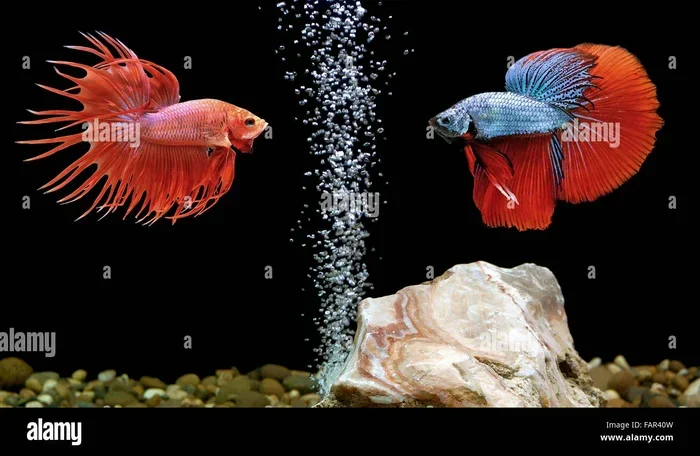
Betta fish, also known as Siamese fighting fish, have a long and troubling history. Centuries ago, people in Southeast Asia bred these fish specifically for combat. The practice was similar to cockfighting. People would place two male bettas in a small container and watch them fight.
The betting culture around betta fish fighting grew significantly in Thailand and Cambodia. Fish owners bred their bettas for size, color, and aggression. The more aggressive a fish was, the more valuable it became. This dark tradition shaped how people viewed these beautiful creatures for generations.
Today, most countries have banned organized fish fighting. It is considered animal cruelty. But the history still influences why some people search for ways to train their betta to be aggressive or even to kill. Understanding this past helps us see why the modern approach to betta care is so different.
If you are interested in the history, you might also enjoy reading about whether you can actually train a betta fish to fight. The answer is more complex than you might think.
Can You Really Train a Betta Fish to Kill?
Understanding Natural Betta Aggression
Let us be clear about something important. Male betta fish are naturally aggressive toward each other. This is not trained behavior — it is instinct. In the wild, male bettas defend their territory from other males. They flare their gills, spread their fins, and bite.
In a small space, this aggression can escalate quickly. Two male bettas in the same tank will fight until one is seriously injured or killed. This happens naturally. You do not need to train a betta to do this.
However, training a betta to kill on purpose is a different story. This means actively encouraging or forcing a fish to harm another animal. That crosses an ethical line that most responsible fish keepers will not cross.
What People Mean When They Ask This Question
When people search for how to train a betta to kill, they often mean one of a few things:
- They want their betta to be more aggressive: Maybe they want a “tougher” fighting fish.
- They want to breed aggressive lines: Some people still selectively breed for temperament.
- They are curious about betta behavior: They simply want to understand why their fish acts the way it does.
- They are dealing with aggression problems: Their betta is attacking tank mates and they want solutions.
No matter the reason, encouraging a betta to harm other animals is not something we support. Instead, let us focus on what you should be doing with your betta fish.
Why Training a Betta to Be Aggressive Is Harmful
The Physical Toll on Your Fish
Betta fish that are forced into fighting or encouraged to be aggressive suffer real harm. Their fins get torn. Their bodies sustain bite wounds. Infections set in. In many cases, the fish dies from injuries or stress.
Even if a betta survives a fight, the lasting damage can be severe. Stressed betta fish have weaker immune systems. They get sick more often. Their colors fade. Their lifespan shortens significantly.
A well-cared-for betta can live three to five years. A betta that is constantly stressed or injured may not even make it past one year.
The Ethical Problem
Animal fighting of any kind is wrong. Fish feel stress and pain, even if they do not show it the same way dogs or cats do. Forcing a betta to fight or encouraging it to kill other animals is a form of cruelty.
Responsible pet ownership means putting the animal’s welfare first. This applies to fish just as much as it applies to any other pet.
If you are struggling with an aggressive betta, check out our guide on how to treat a stressed betta fish. There are gentle ways to manage aggression without harming your fish.
Legal Risks You Should Know About
Organized fish fighting is illegal in most places. Even if you are not organizing fights, encouraging your betta to harm other animals could fall under animal cruelty laws. The penalties can include fines and even criminal charges.
It is simply not worth the risk. There are far better ways to enjoy and appreciate your betta fish.
What You CAN Train Your Betta Fish to Do
Positive Reinforcement Training
Here is some good news. You can train your betta fish. Just not in the harmful ways some people imagine. Betta fish are intelligent creatures. They can learn tricks, respond to their names, and follow feeding routines.
Positive reinforcement is the key. This means rewarding your betta when it does something you want. The reward is usually food. A small piece of bloodworm or a single pellet works great.
Start with simple tricks. Hold a finger near the tank and wait for your betta to approach. Reward it immediately when it does. Over time, your betta will learn to follow your finger or even jump for food.
For more ideas, check out these fun tricks you can teach your betta fish.
Training Your Betta to Eat on Schedule
This is one of the most useful things you can train your betta to do. Feed your betta at the same time each day. Eventually, your fish will learn to come to the surface when it is feeding time.
This makes feeding easier and helps you monitor your betta’s appetite. A healthy betta eats eagerly. A betta that refuses food might be sick.
Remember not to overfeed. Most bettas do well with two small feedings per day. Use high-quality pellets or frozen foods. Avoid feeding only flakes, as they lack the nutrients bettas need.
Enrichment Activities for Mental Stimulation
A bored betta is a stressed betta. Give your fish things to explore and interact with. Live plants, caves, and gentle water flow all help.
Some betta owners float a small mirror near the tank for a few minutes. This triggers the betta’s natural flaring behavior. It provides mental stimulation without physical harm. Just do not leave the mirror in too long — a few minutes is enough.
You can also rearrange tank decorations occasionally. This gives your betta something “new” to investigate and keeps its mind active.
Responsible Betta Fish Keeping
Setting Up the Right Tank
A proper tank setup is the foundation of good betta care. Many people think bettas are happy in tiny bowls. This is a myth. A single betta needs at least a 5-gallon tank. Bigger is always better.
Your tank should have a filter and a heater. Betta fish are tropical and need warm water between 76 and 82 degrees Fahrenheit. A heater keeps the temperature stable.
Add plants and hiding spots. These reduce stress and give your betta places to explore. Live plants are ideal, but silk plants work well too.
For detailed setup guidance, see our article on how to set up a betta fish tank.
Tank Mates: What Works and What Does Not
Not all fish can live with bettas. Male bettas are too aggressive for most other bettas or fish with long, flowing fins. However, some peaceful species can coexist in a large enough tank.
Good tank mates for bettas include:
- Neon tetras
- Corydoras catfish
- Harlequin rasboras
- Mystery snails
- Amano shrimp
Avoid keeping two male bettas together. Never keep bettas with fin-nipping fish like tiger barbs. These combinations lead to stress and injury.
If your betta is already attacking its tank mates, you may need to separate them. Sometimes a betta fish tank divider is the best solution. This lets your fish share a larger tank without direct contact.
Water Quality and Maintenance
Clean water is essential for a healthy betta. Test your water parameters regularly. Ammonia and nitrite should always be at zero. Nitrate should stay below 20 ppm.
Do partial water changes every week. Replace about 25 percent of the tank water with fresh, dechlorinated water. This keeps waste levels down and maintains good water quality.
For more on this topic, read our guide on how to take care of betta fish water.
The Better Path: Enrichment Over Aggression
The best way to enjoy your betta fish is to focus on enrichment, not aggression. A well-trained betta that follows your finger, swims through hoops, or greets you at feeding time is far more rewarding than one raised to be violent.
When you invest time in positive training and proper care, you build a bond with your fish. Betta fish can recognize their owners. They learn to associate you with food and safety. This connection is genuinely rewarding.
Think about it this way. You want your betta to be healthy, vibrant, and active. Aggression training does the opposite. It shortens lifespan, increases stress, and leads to health problems.
For tips on building a stronger connection with your fish, check out our guide on how to grow a bond with your betta fish.
If you are concerned about your betta’s aggressive tendencies, remember that some level of aggression is normal. Male bettas will always be territorial. The key is managing that behavior through proper tank setup, appropriate tank mates, and a stress-free environment.
Taking care of a male betta fish properly means understanding its needs. Provide space, warmth, clean water, and mental stimulation. Your fish will thrive — and so will your enjoyment of keeping it.
For comprehensive care tips, also check out how to care for a betta fish 101.
Conclusion
The question of how to train a betta fish to kill comes from a troubling place. Betta fish fighting has a dark history, and modern fish keeping has moved far beyond those cruel practices. Today, responsible owners focus on enrichment, care, and positive training.
Your betta fish is a living creature that deserves respect and proper care. Instead of seeking ways to encourage violence, invest your time in building a healthy habitat and a trusting relationship with your fish. A happy, well-cared-for betta is a beautiful thing to behold.
Choose compassion. Choose proper care. Your betta will thank you for it.
Frequently Asked Questions
Why do betta fish fight each other?
Male betta fish are naturally territorial. In the wild, they defend their space from other males. This aggression is instinctive and hardwired into their biology. It is not something that needs to be trained — it happens on its own.
Can you train a betta fish to be less aggressive?
Yes, you can manage aggression through proper tank setup and environment. Providing enough space, hiding spots, and appropriate tank mates reduces stress. A calm environment helps keep aggressive behaviors in check.
Is betta fish fighting still practiced today?
In some regions, organized betta fish fighting still occurs illegally. However, most countries have banned the practice. It is considered animal cruelty and can result in serious legal consequences.
What is the best way to train a betta fish?
The best approach uses positive reinforcement. Reward your betta with food when it performs desired behaviors like following your finger or swimming to the surface. Keep training sessions short and consistent for the best results.
Can betta fish learn tricks?
Yes, bettas are surprisingly intelligent. They can learn to follow your finger, jump for food, and swim through hoops. Start with simple tricks and use food rewards to encourage your fish.
How do I keep my betta fish healthy and happy?
Provide a tank of at least 5 gallons, stable warm water, a good filter, and a balanced diet. Add plants and decorations for enrichment. Keep stress levels low by avoiding aggressive tank mates and maintaining clean water.