Why Do Betta Fish Puff Out Their Gills

Betta fish puff out their gills as a natural response to stress, excitement, or health issues. Understanding the reasons—ranging from territorial displays to water quality problems—helps you act quickly and keep your betta thriving. Learn practical tips to prevent unnecessary puffing and ensure a calm, vibrant aquarium.
Key Takeaways
- Stress response: Gills flare when bettas feel threatened or uneasy.
- Territorial display: Male bettas puff out gills during courtship or when defending a space.
- Water quality: Poor parameters (ammonia, nitrite, low oxygen) trigger gill puffing.
- Health warning: Persistent puffing can signal disease, parasites, or fin rot.
- Environmental fixes: Proper tank size, filtration, and hiding spots reduce stress.
- Observation matters: Monitoring behavior lets you spot problems early.
- Quick action: Simple steps—water changes, temperature checks, and diet tweaks—can calm a puffed‑out betta.
📑 Table of Contents
Introduction: The Curious Case of the Flared Gills
If you’ve ever watched a betta fish suddenly puff out its gills, you might have felt a mix of awe and worry. The gill “flaring” looks dramatic—like a tiny, colorful accordion expanding in the water. For many hobbyists, the first thought is, “Is my betta sick?” The truth is, a flared gill can mean many things, from a harmless display of confidence to a cry for help.
In this article we’ll answer the question why do betta fish puff out their gills by breaking down the most common triggers, the biology behind the behavior, and the steps you can take to keep your fish calm and healthy. Think of it as a friendly chat over a cup of tea, except the tea is a perfectly balanced aquarium.
1. The Biology Behind the Flare
How betta gills work
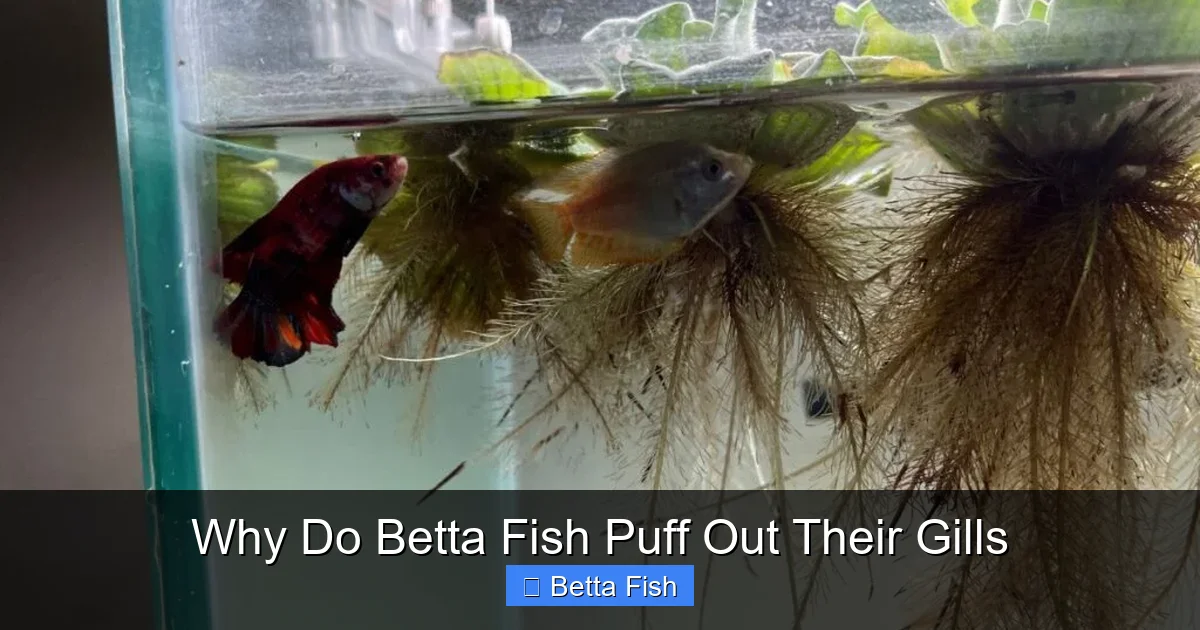
Betta gills are made of delicate filaments called lamellae. Water flows over them, allowing oxygen to diffuse into the blood. When a betta wants more oxygen—or wants to look bigger—it can spread the opercular (gill cover) muscles, making the gill filaments stand out. This is the same mechanism used when a betta “flames” during a showdown.
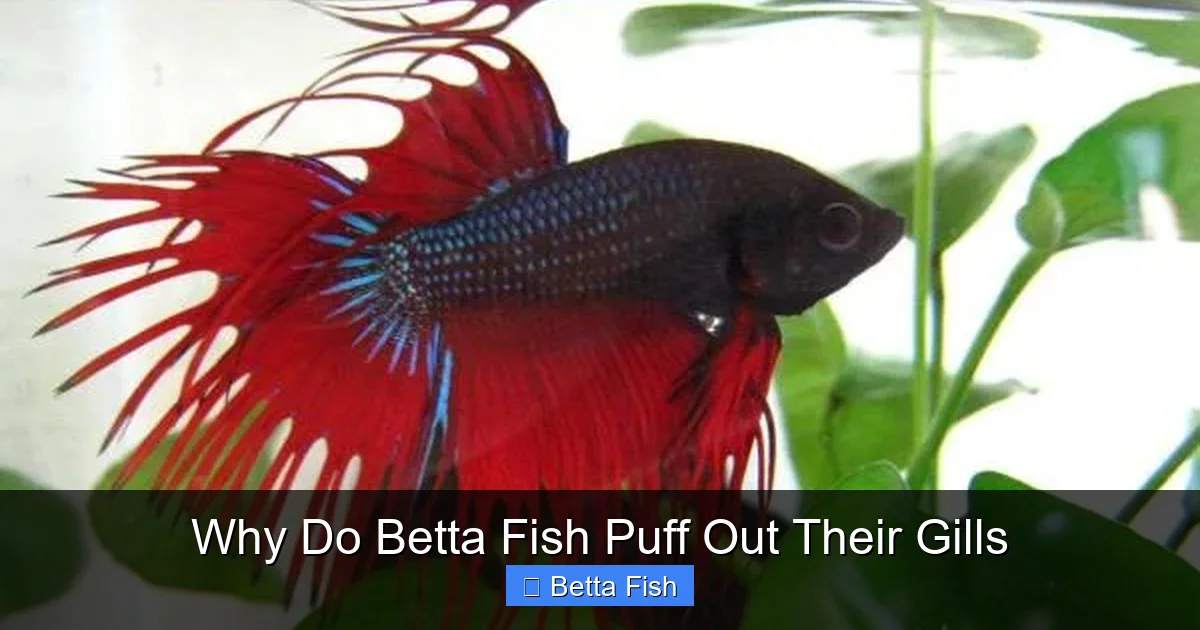
Visual guide about Why Do Betta Fish Puff Out Their Gills
Image source: housedpet.com
Why the puff looks dramatic
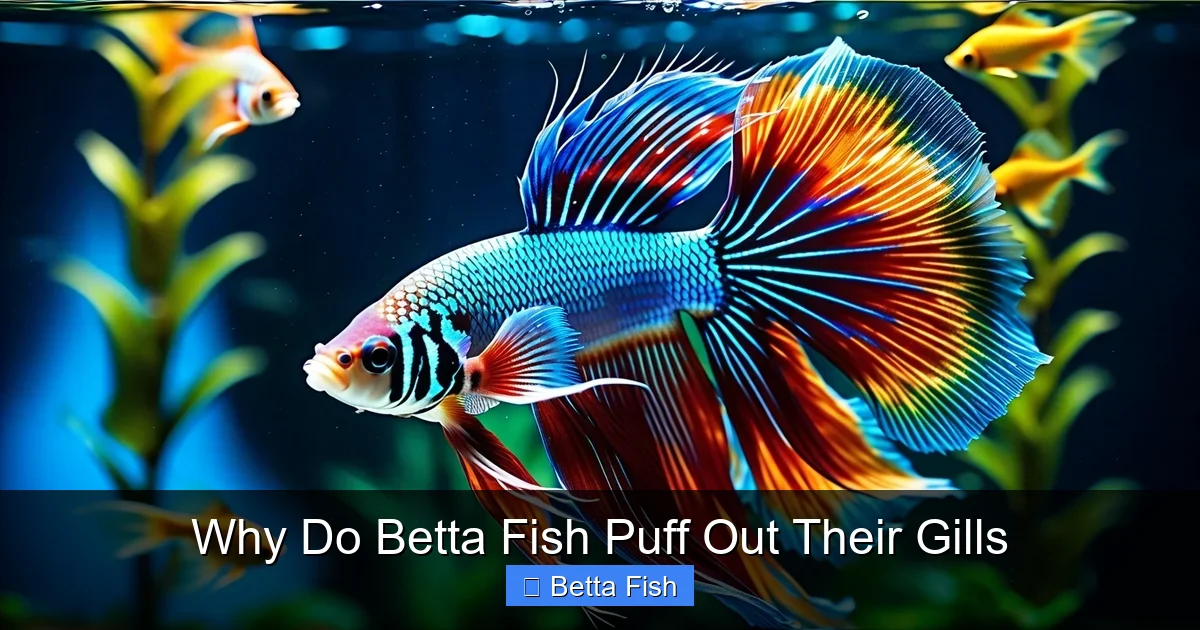
The puffed gills create a visual illusion of size. In the wild, male bettas guard small puddles of water and must appear intimidating to rivals. The flared gills, combined with bright colors, send a clear signal: “Back off!” In a home tank, the same instinct shows up when a fish feels threatened, excited, or simply wants to show off.
2. Common Triggers for Gills Puffing
2.1 Stress and territorial aggression
Betta fish are naturally territorial. A new decoration, a sudden change in lighting, or the introduction of a mirror can make a betta think an intruder is present. The immediate response is to puff out the gills and flare the fins. This is why you often see a betta “fight” its own reflection.
Visual guide about Why Do Betta Fish Puff Out Their Gills
Image source: flyfishfinesse.com
For more on aggressive behavior, see our guide on why betta fish fight.
2.2 Mating displays
During breeding season, male bettas build bubble nests and perform elaborate courtship dances. Puffing the gills is part of the show, making the male look larger and more attractive to a female.
2.3 Poor water conditions
Low dissolved oxygen, high ammonia, or a sudden temperature spike can cause a betta to gasp and puff its gills. Unlike a territorial flare, this puff is frantic and often accompanied by rapid breathing.
2.4 Illness or parasites
External parasites (e.g., Ich or velvet) irritate the gill membranes, prompting the fish to flare them in an attempt to clear the irritants. Bacterial infections that inflame the gill tissue also lead to persistent puffing.
2.5 Feeding excitement
When a betta spots food, especially live or moving prey, it may briefly puff its gills as a burst of excitement. This is usually short‑lived and not a cause for concern.
3. How to Tell Good Flare from Bad Flare
Observing duration
A healthy flare lasts only a few seconds to a minute. If the gills stay puffed for longer than a couple of minutes, or the fish repeats the behavior throughout the day, investigate further.
Visual guide about Why Do Betta Fish Puff Out Their Gills
Image source: cdn0.animalwised.com
Accompanying signs
- Rapid breathing: Indicates low oxygen or respiratory distress.
- Loss of appetite: May point to disease.
- Discoloration or spots: Look for white spots (possible Ich) or fuzzy growths.
- Lethargy: A sick betta will hide more than it flares.
When to act
If any of the above signs appear alongside a puffed gill, perform a water test, check temperature, and consider a quarantine or treatment plan.
4. Fixing the Problem: Practical Steps
4.1 Optimize water quality
Regular water changes (20‑30% weekly) keep ammonia and nitrite low. Use a reliable test kit and aim for:
- Ammonia: 0 ppm
- Nitrite: 0 ppm
- Nitrate: < 20 ppm
- pH: 6.5‑7.5 (stable)
- Temperature: 78‑80°F (25.5‑26.5°C)
For more on temperature preferences, read what temperatures do betta fish like.
4.2 Increase oxygenation
A gentle air stone or a small power filter creates surface agitation, boosting dissolved oxygen. Avoid strong currents, as bettas prefer calm water.
4.3 Provide hiding spots
Live plants, silk leaves, or smooth rocks give a betta places to retreat. This reduces stress and the need for constant flaring.
4.4 Manage visual stressors
Limit mirrors and reflective surfaces. If you enjoy watching your betta, use a one‑way glass or move the tank away from direct sunlight.
4.5 Treat disease promptly
If parasites are suspected, a 5‑day dip in a mild salt solution (1 g Epsom salt per liter) can help. For bacterial infections, a broad‑spectrum antibiotic prescribed by a vet is safest.
5. Preventive Care: Keeping Your Betta Calm
5.1 Choose the right tank size
Even though bettas can survive in small bowls, a 5‑gallon tank provides stable water parameters and space to explore, reducing stress.
5.2 Consistent feeding routine
Feed high‑quality betta pellets once or twice daily, supplemented with occasional frozen or live foods. Overfeeding leads to water quality issues that can trigger gill puffing.
5.3 Routine observation
Spend a few minutes each day watching your betta’s behavior. Early detection of unusual flaring can prevent bigger problems.
5.4 Learn the signs of other issues
Understanding why bettas puff gills also helps you spot related problems like why bettas lose their fins or why they make bubbles. Check out our article on why betta fish lose their fins for more insight.
Conclusion: A Calm Betta is a Happy Betta
Now you know why betta fish puff out their gills and how to differentiate a normal display from a warning sign. By maintaining clean water, offering plenty of hiding places, and watching for other stress cues, you can keep those beautiful gills relaxed and your betta thriving. Remember, a little observation goes a long way—your betta will thank you with vibrant colors and a graceful swim.
Frequently Asked Questions
Why does my betta fish puff its gills when I add a new decoration?
The new object can be seen as a potential rival. Your betta flares its gills to establish territory. Give it time to adjust, and provide additional hiding spots.
Can low oxygen levels cause my betta to puff its gills?
Yes. When dissolved oxygen drops, the fish expands its gill membranes to increase surface area for breathing. Adding a gentle air stone usually solves the issue.
Is gill puffing a sign of disease?
It can be. If the puffing is constant, accompanied by rapid breathing, loss of appetite, or visible spots, test the water and consider a parasite or bacterial treatment.
Do male bettas puff their gills more than females?
Male bettas are more territorial and often display flared gills during fights or courtship. Females may puff when stressed, but it’s less dramatic.
How often should I change the water to prevent gill puffing?
Changing 20‑30% of the water each week helps keep ammonia and nitrite at zero, which reduces stress‑induced gill flaring.
Can feeding habits affect gill puffing?
Overfeeding can cloud the water and lower oxygen, leading to puffed gills. Feed small portions once or twice a day and remove uneaten food promptly.