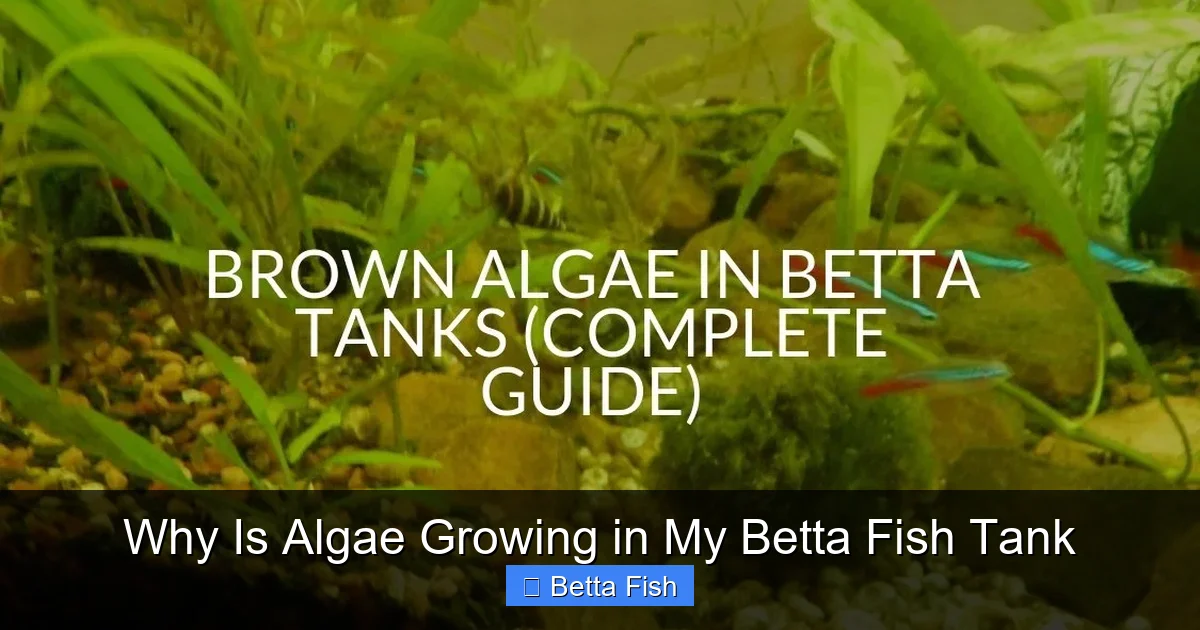
Why Is Algae Growing in My Betta Fish Tank
Algae thrives in betta tanks when light, nutrients, and water conditions line up just right. By balancing lighting, feeding, and regular maintenance, you can keep your tank sparkling and your betta happy.
Key Takeaways
- Light control matters: Too much or the wrong type of light fuels algae growth.
- Overfeeding feeds algae: Excess food breaks down into nutrients algae love.
- Water changes are essential: Regular partial changes dilute nutrients and remove spores.
- Live plants compete: Adding healthy plants can out‑compete algae for nutrients.
- Cleaning routine: Scrubbing glass, pruning plants, and vacuuming substrate keep algae at bay.
- Check equipment: Filters, heaters, and décor can harbor hidden algae.
- Monitor water parameters: Nitrates, phosphates, and pH levels directly affect algae growth.
📑 Table of Contents
- Introduction
- 1. The Basics: What Is Algae and Why Does It Love Betta Tanks?
- 2. Light – The Algae’s Favorite Energy Source
- 3. Feeding – The Hidden Nutrient Source
- 4. Water Quality – The Core of Algae Control
- 5. Live Plants – Nature’s Algae Competitors
- 6. Cleaning Routine – Staying Ahead of the Green Invader
- 7. Common Mistakes and How to Fix Them
- Conclusion
Introduction
Picture this: you set up a beautiful 5‑gallon betta tank, add a few colorful plants, and watch your betta flaunt his fins. A week later, the glass is dotted with green patches, and you’re left wondering, “why is algae growing in my betta fish tank?” It’s a common frustration, but the answer is usually simple—your tank’s environment is giving algae the perfect invitation.
In this guide we’ll break down the science behind algae, point out the everyday habits that unintentionally feed it, and give you a step‑by‑step plan to reclaim a clear, healthy aquarium. Think of it as a friendly chat over coffee, with plenty of practical tips you can start using today.
1. The Basics: What Is Algae and Why Does It Love Betta Tanks?
1.1 Types of algae you’ll see
Algae comes in many shapes and colors. The most common in betta tanks are:
- Green filamentous algae: Thread‑like, often clings to plants and décor.
- Spot algae (green spot or brown spot): Small, round patches on glass.
- Brush algae: Dense, hair‑like growth that can look like a tiny brush.
All of them need three things to thrive: light, nutrients (especially nitrates and phosphates), and a stable environment.
1.2 Why betta tanks are a sweet spot
Betta fish are kept in relatively small volumes of water, which means any excess nutrients become concentrated quickly. Add a warm heater (most bettas love 78‑80°F) and you have an even faster metabolic rate for both fish and algae. The result? A perfect recipe for algae if you don’t manage the variables.
2. Light – The Algae’s Favorite Energy Source
2.1 How much light is too much?
Most beginner setups use LED strips or compact fluorescent bulbs. While these look great, they often run 12‑14 hours a day. Algae, like plants, uses photosynthesis, so extended lighting periods give it a head start.

Visual guide about Why Is Algae Growing in My Betta Fish Tank
Image source: imgres.qulishi.com
Try limiting light to 8‑10 hours daily. Use a timer to make it consistent—algae can sense even subtle changes in day length.
2.2 Light spectrum matters
Blue‑rich lights promote plant growth but also boost algae. If you’re not keeping live plants, consider a “full‑spectrum” bulb that leans more toward the red end, which bettas enjoy but algae find less appealing.
2.3 Practical tip: Dim the lights
Place a sheer curtain over the tank or use a dimmer switch. Even a 20% reduction can make a noticeable difference in algae buildup.
3. Feeding – The Hidden Nutrient Source
3.1 Overfeeding explained
Betta pellets are nutrient‑dense. If you feed more than your fish can eat in two minutes, the uneaten bits sink, decompose, and release phosphates. Those phosphates become a buffet for algae.
Visual guide about Why Is Algae Growing in My Betta Fish Tank
Image source: hargaemas.com.my
3.2 How to feed correctly
- Offer 2‑3 pellets once or twice a day.
- Watch your betta eat; remove leftovers after two minutes.
- Consider a fasting day once a week to clear the system.
3.3 Food type matters
Live or frozen foods (brine shrimp, daphnia) contain less plant‑based residue than some flake foods, reducing nutrient spikes. Rotate protein sources for a balanced diet.
4. Water Quality – The Core of Algae Control
4.1 Nitrates and phosphates
Both are the primary nutrients algae love. In a well‑cycled tank, ammonia converts to nitrite then nitrate. Without regular water changes, nitrate levels climb.
Test kits are inexpensive; aim for nitrates below 20 ppm and phosphates under 0.5 ppm.
4.2 The power of partial water changes
Changing 25‑30% of the water every week dilutes nutrients and removes free‑floating algae spores. Use dechlorinated water at the same temperature as the tank to avoid stress.
4.3 Filtration tips
A sponge filter provides gentle flow and houses beneficial bacteria that help break down waste. If you use a hang‑on‑back (HOB) filter, clean the media weekly, but never replace all media at once—bacteria need a home.
4.4 Internal link example
If you’re noticing bubbles along with algae, read our guide on why are there bubbles in my fish tank betta for tips that also improve water circulation.
5. Live Plants – Nature’s Algae Competitors
5.1 Why add plants?
Plants absorb the same nutrients algae need. Fast‑growing species like Java moss, Anubias, and Hornwort can out‑compete algae within weeks.
5.2 Choosing the right plants for bettas
- Java fern: Low light, attaches to rocks, no root disturbance.
- Marimo moss balls: Fun, slow‑growing, and help absorb nitrates.
- Floating plants: Duckweed or frogbit shade the surface, reducing light penetration.
5.3 Plant care basics
Trim dead leaves weekly, and rinse roots in tank water to avoid introducing new algae spores.
6. Cleaning Routine – Staying Ahead of the Green Invader
6.1 Daily quick checks
Spend 2‑3 minutes each day watching for excess food, cloudy water, or new algae patches. Early detection makes removal easier.
6.2 Weekly deep clean
- Scrape glass with an algae pad (non‑abrasive).
- Vacuum substrate to remove settled debris.
- Prune plants and remove any dead décor.
- Perform a 25‑30% water change.
6.3 Tools that help
- Magnetic algae scraper – reaches all sides without disturbing fish.
- Gravel vacuum – pulls out detritus without sucking up your betta.
- Soft brush – great for cleaning plant leaves.
7. Common Mistakes and How to Fix Them
7.1 Keeping the tank in direct sunlight
Sunlight provides a massive boost to algae. Move the tank away from windows or use blinds.
7.2 Ignoring water temperature spikes
Higher temps speed up bacterial breakdown, releasing more nutrients. Keep the heater set to 78‑80°F and avoid sudden changes.
7.3 Over‑decorating with porous rocks
Rocks like lava stone can trap algae spores. Rinse them regularly or choose smoother décor.
7.4 Not addressing the source
Simply wiping algae off the glass won’t stop it from returning if the root cause (light, nutrients, or water quality) remains.
Conclusion
Algae in a betta fish tank isn’t a sign of failure; it’s a signal that something in the environment is out of balance. By controlling light exposure, feeding responsibly, maintaining water quality, adding live plants, and establishing a consistent cleaning routine, you can keep the green at bay and give your betta the clear, vibrant home it deserves.
Remember, the best aquarium is one you enjoy looking at every day. A little effort each week pays off with a sparkling tank and a happy, healthy betta.
Frequently Asked Questions
Why does algae appear faster after a water change?
New water can contain trace nutrients, and the disturbance may release algae spores from the substrate. Keep changes moderate (25‑30%) and use dechlorinated water.
Can I use chemical algaecides in a betta tank?
Most algaecides are toxic to bettas and beneficial bacteria. Mechanical removal and water management are safer and more effective.
Is it normal for algae to grow on plant leaves?
Yes, especially on slow‑growing or shaded plants. Gently brush leaves with a soft brush during your weekly cleaning.
How often should I clean the tank glass?
Aim for a quick scrape once a week and a thorough cleaning every two weeks if algae is persistent.
Will adding more fish help control algae?
Adding more fish increases waste, which can actually fuel algae. Stick to one betta per tank for optimal health.
What temperature is ideal to discourage algae?
Maintaining 78‑80°F is perfect for bettas and does not excessively boost algae growth. Avoid temperatures above 84°F.