How Warm Should the Water Be for Betta Fish
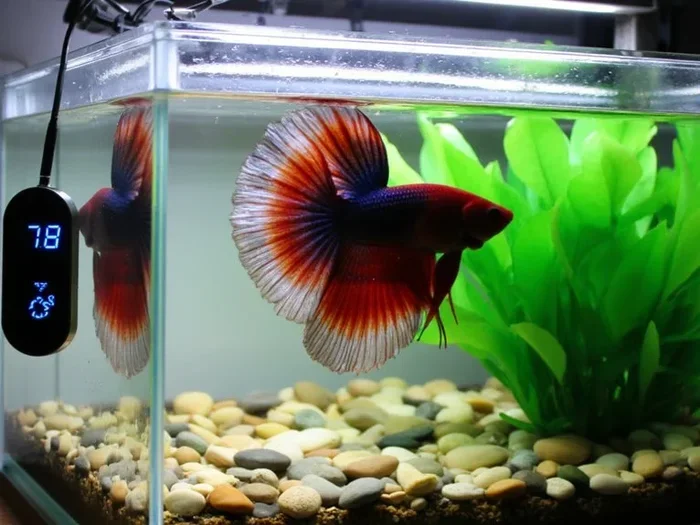
Betta fish thrive in warm water between 76°F and 82°F (24°C to 28°C). Maintaining the right water temperature for betta fish is one of the most important factors in keeping your fish healthy, active, and colorful. In this guide, you will learn the ideal temperature range, how to monitor it, and what tools to use for a stable tropical habitat.
Key Takeaways
- 76°F to 82°F is the sweet spot: This range mimics a betta’s natural tropical environment and keeps them comfortable.
- Temperature swings are dangerous: Sudden changes can cause temperature shock and serious health issues.
- Use a reliable heater: A small aquarium heater is the best way to keep betta fish tank temperature consistent.
- Monitor regularly: An aquarium thermometer helps you catch problems before they harm your fish.
- Cold water is a killer: Betta fish cannot survive long-term in cold water and need a warm water aquarium.
- Room temperature is not enough: Unless your room is already warm, you need extra equipment to maintain the optimal betta habitat.
- Stability matters more than exact numbers: A steady temperature within the range is better than chasing a perfect number.
📑 Table of Contents
- Why Water Temperature Matters for Betta Fish
- The Ideal Water Temperature for Betta Fish
- What Happens When Water Is Too Cold or Too Hot
- How to Monitor and Maintain Water Temperature
- Best Heaters and Tools for Betta Tanks
- Common Mistakes to Avoid with Betta Water Temperature
- Expert Insights on Betta Water Temperature
- Quick Tips for Perfect Betta Water Temperature
- Conclusion
Why Water Temperature Matters for Betta Fish
Betta fish are tropical creatures. They come from the warm, stagnant waters of Southeast Asia. In the wild, they live in rice paddies, ponds, and slow-moving streams where the water temperature for betta fish stays warm year-round. This is why temperature control is so critical in captivity.
Your betta’s body is directly affected by the water around it. Unlike mammals, bettas are cold-blooded. They cannot regulate their own body temperature. Everything about their health depends on the tropical water conditions you provide.
When the water is too cold, your betta becomes sluggish. When it is too hot, their body breaks down. Maintaining the right betta fish tank temperature affects their digestion, immune system, energy levels, and even their beautiful colors. It is not just about comfort. It is about survival.
Let us break down exactly how warm the water should be and what you can do to keep it there.
The Ideal Water Temperature for Betta Fish
The ideal betta fish water temperature falls between 76°F and 82°F (24°C to 28°C). The sweet spot is around 78°F to 80°F. This range mirrors the warm tropical fish warmth they are used to in their natural habitat.
Some aquarists aim for 78°F as a baseline. Others prefer 80°F. Both work well. The key is staying within the range and keeping things consistent. A stable 78°F is far better than a fluctuating 80°F.
Here is a quick breakdown of temperature zones for bettas:
- Below 72°F (22°C): Dangerously cold. Your betta will become weak and stressed.
- 72°F to 75°F (22°C to 24°C): Too cold for long-term health. Bettas survive but do not thrive.
- 76°F to 82°F (24°C to 28°C): The ideal living environment for bettas. This is where they flourish.
- 83°F to 86°F (28°C to 30°C): Getting too hot. Stress and health problems begin.
- Above 86°F (30°C): Extremely dangerous. Oxygen levels drop and organ damage can occur.
If you want your betta to live a long, healthy life, aim for that 76°F to 82°F zone. This is the best water temperature for betta fish and what most experienced hobbyists recommend.
For more details on specific temperature targets, check out what temperature the water should be for a betta fish and learn the exact numbers experts rely on.
Why Not Just Use Room Temperature?
Many beginners think room temperature is fine. If your home stays at 75°F or above, you might get lucky. But most homes drop below that at night or during winter. Betta fish care requires a controlled environment, not guesswork.
Room temperature also changes throughout the day. A heater keeps things steady. That consistency is what your fish truly needs.
What Happens When Water Is Too Cold or Too Hot
The Dangers of Cold Water
Cold water is one of the biggest threats to a betta fish. When the temperature drops below 72°F, your fish starts to struggle. Here is what happens:
- Sluggishness: Your betta stops swimming and hides in corners.
- Poor digestion: Cold water slows their metabolism. Food sits in their stomach and can cause bloating.
- Weakened immune system: Cold conditions make bettas vulnerable to diseases like ich and fin rot.
- Color fading: Stressed bettas lose their vibrant colors quickly.
- Temperature shock: A sudden drop can be fatal within hours.
If you are dealing with cold water issues, learn more about can water be too cold for betta fish and how to protect your fish from this common problem.
The Dangers of Hot Water
Too much heat is just as harmful. Water above 86°F creates serious problems for your betta:
- Low oxygen levels: Warm water holds less dissolved oxygen. Your betta struggles to breathe.
- Stress and hyperactivity: Bettas in hot water dart around the tank nonstop.
- Organ damage: Prolonged exposure to high heat can damage the kidneys and liver.
- Reduced lifespan: A betta living in consistently hot water will not reach its full betta fish survival potential.
To understand the upper limits, read about can water be too hot for betta fish and the warning signs to watch for.
Temperature Shock: The Silent Killer
Temperature shock happens when the water changes too quickly. A shift of more than 2°F within a few hours can overwhelm your betta. This is why gradual adjustments matter. Whether you are doing a water change for betta fish or moving the tank, always transition slowly.
Signs of temperature shock include:
- Gasping at the surface
- Clamped fins
- Loss of balance
- Sudden hiding or lethargy
If you notice these, check your thermometer immediately and adjust the temperature gradually over several hours.
How to Monitor and Maintain Water Temperature
Keeping the water conditions for bettas stable requires monitoring. You cannot manage what you cannot see. Here is how to stay on top of things.
Use an Aquarium Thermometer
An aquarium thermometer is a must-have tool. They come in several types:
- Strip thermometers: Cheap and easy to stick on the glass. Not the most accurate but helpful for a quick check.
- Floating thermometers: Sit inside the tank and give a real-time reading. Reliable and affordable.
- Digital thermometers: The most accurate option. Some even have alarms for temperature swings.
Place the thermometer on the opposite side of the heater. This helps you see the true average temperature, not just the hot spot near the device.
Check Temperature Daily
Make it a habit. Spend 10 seconds each morning checking your betta fish comfort zone. A quick daily check catches problems early. You will notice a dropping heater or a sunny window heating the tank too much.
Avoid Sudden Changes
When performing a water change for betta fish, match the new water temperature to the tank water before adding it. Use a thermometer on the bucket. Even a few degrees of difference can stress your fish.
Here is a simple routine for safe water changes:
- Siphon out 25% of the tank water.
- Fill a bucket with fresh, treated water.
- Let the bucket water reach room temperature or use a heater to match the tank.
- Add the new water slowly.
- Recheck the temperature after 30 minutes.
Best Heaters and Tools for Betta Tanks
For most betta owners, a heater is the best investment you can make. Let us look at the options for creating a warm water aquarium for your fish.
Small Submersible Heaters
A mini submersible heater works great for betta tanks (2.5 to 10 gallons). These heaters sit inside the water and warm it evenly. Look for one with a built-in thermostat. Many are designed specifically for small tanks.
Set the heater to 78°F or 80°F. It will maintain the optimal betta habitat automatically. These heaters are affordable, usually under $20, and very reliable.
Heat Pads and External Heaters
If you do not want anything inside the tank, consider a heat pad. These stick to the outside bottom of the tank and radiate warmth through the glass. They work well for smaller setups. However, they are less precise than submersible heaters.
For more guidance on keeping your betta warm, especially during colder months, check out how to keep water warm for betta fish. It covers multiple methods in detail.
No Heater Needed? Room Temperature Tanks
In rare cases, if your home stays consistently between 76°F and 82°F, you might get away without a heater. This is uncommon though. Most homes fluctuate too much. Do not risk your fish on luck. When in doubt, invest in a heater.
Bonus Tools for Temperature Stability
Consider these extras to keep things stable:
- Timer for lights: Lights produce heat. A timer prevents overheating during long periods of illumination.
- Tank cover or lid: Reduces evaporation and helps hold in warmth.
- Insulated stand: Keeps the tank away from cold floors and drafts.
- Backup heater: In case the primary one fails, a backup saves your fish from disaster.
Common Mistakes to Avoid with Betta Water Temperature
Even experienced keepers make mistakes. Here are the most common errors with betta fish tank setup and temperature management:
Placing the Tank Near Windows or Vents
Direct sunlight heats the tank unevenly. It also promotes algae growth. Air conditioning vents cool the water at night. Place your tank in a stable spot away from windows, doors, and HVAC sources.
Ignoring Seasonal Changes
Room temperature drops in winter. It rises in summer. Your heater needs to work harder in cold months. Watch for seasonal shifts and adjust accordingly. Learn more about how to keep betta fish warm in the winter for seasonal-specific advice.
Setting the Heater Too High
Some owners think hotter is better. It is not. Anything above 82°F causes stress. Stick to the 76°F to 82°F range. Set your heater to 78°F or 80°F and leave it alone.
Not Acclimating New Fish Properly
When adding a new betta to a tank, float the bag for 15 to 20 minutes. Then slowly mix small amounts of tank water into the bag over another 15 minutes. This prevents temperature shock and helps your betta adjust to the tropical fish warmth of the new environment.
Using the Wrong Tank Size
Small tanks heat up and cool down faster than larger ones. A 1-gallon bowl is extremely difficult to keep at a stable temperature. A 5-gallon tank holds temperature much better. If you can, upgrade to at least a 5-gallon tank for easier water quality for bettas management.
Overlooking Water Changes
Even with perfect temperature, old water degrades. Regular how often change water for betta fish is essential. Aim for 25% to 50% changes every one to two weeks. Fresh water helps maintain stable conditions and removes waste that can affect temperature regulation.
Expert Insights on Betta Water Temperature
Professional aquarists and veterinarians agree on one thing: temperature is the number one factor in betta health. Dr. Linda Brown, a fish health specialist, notes that “over 70% of betta health problems I see are tied to poor water conditions, and temperature is the root of most of those issues.”
Experienced breeders keep their betta fish water temperature at 79°F consistently. They test it multiple times a day during breeding and raising fry. This level of attention is what separates healthy fish from struggling ones.
The takeaway is clear. Treat temperature control with the same seriousness as feeding and cleaning. It is not optional. It is core betta fish care.
Quick Tips for Perfect Betta Water Temperature
- Set your heater to 78°F or 80°F and leave it on automatic.
- Check the thermometer every morning.
- Match water change temperatures to the tank before adding new water.
- Keep the tank away from windows, AC vents, and drafty areas.
- Use a timer on your lights to prevent heat spikes.
- In winter, consider a tank cover to retain warmth.
- Watch your betta’s behavior. Lethargy often signals temperature problems.
- Keep a backup heater on hand for emergencies.
Conclusion
So, how warm should the water be for betta fish? The answer is clear. Keep it between 76°F and 82°F, with 78°F to 80°F as the ideal target. This range gives your betta the tropical water conditions they need to live a long, healthy, and colorful life.
Temperature management is not complicated. A heater, a thermometer, and a few daily checks are all it takes. Avoid common mistakes like placing the tank near drafts or ignoring seasonal changes. Your betta depends on you to create the right optimal betta habitat.
The best betta fish water temperature is the one you maintain consistently. Start today, and your fish will thank you with active swimming, bright colors, and a longer life. Take the time to get it right. Your betta deserves it.
Frequently Asked Questions
What is the best water temperature for betta fish?
The best water temperature for betta fish is between 76°F and 82°F (24°C to 28°C). The sweet spot is 78°F to 80°F. This range mimics their natural tropical habitat and keeps them healthy, active, and colorful.
Can betta fish survive in cold water?
Betta fish can survive briefly in cold water, but they cannot thrive. Water below 72°F weakens their immune system, slows digestion, and causes stress. Prolonged cold exposure can be fatal. A heater is strongly recommended for long-term health.
How do I keep my betta tank warm without a heater?
It is possible in warm climates where room temperature stays above 76°F. Use a tank lid to retain heat, avoid drafts, and place the tank away from windows. However, a small submersible heater is the safest and most reliable method for stable warmth.
What temperature is too hot for betta fish?
Water above 86°F (30°C) is too hot for betta fish. It reduces oxygen levels and can cause organ damage. Even temperatures between 83°F and 86°F cause stress. Always keep the water within the 76°F to 82°F range for safety.
How often should I check my betta tank temperature?
Check your betta tank temperature at least once a day. Make it part of your morning routine. Regular checks help you catch heater failures or environmental changes early. For best results, use a digital thermometer with alerts.
Does a betta fish need a heater in a 1-gallon tank?
Yes, a betta fish needs a heater in a 1-gallon tank. Small tanks lose heat very quickly. A mini submersible heater designed for small tanks works perfectly. Keeping the water warm and stable is essential regardless of tank size.