Why Do Betta Fish Not Need Oxygen
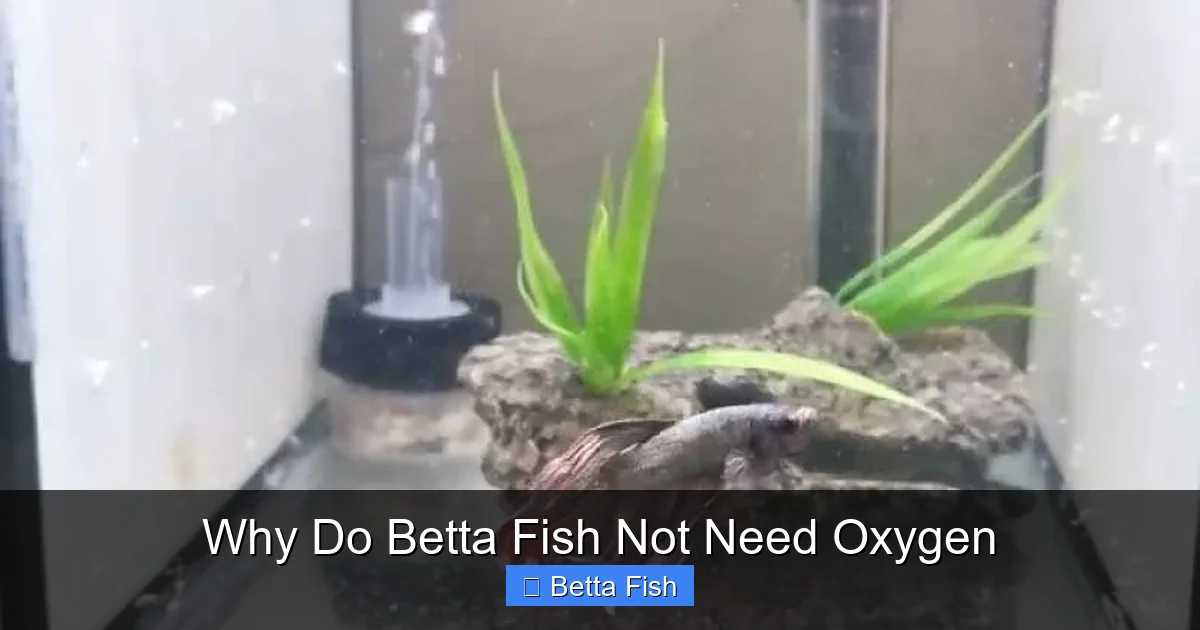
Betta fish have a special labyrinth organ that lets them breathe air directly from the surface, so they don’t rely on dissolved oxygen like most fish. Because of this adaptation, a bubble‑pump isn’t a must, but good water quality and proper tank setup are still essential for a healthy betta.
Key Takeaways
- Labyrinth organ: Betta fish extract oxygen from air, not just water.
- Surface access: A calm water surface lets them gulp air easily.
- No mandatory air pump: An air pump is optional, not required.
- Water quality matters: Clean water, proper temperature, and low ammonia keep bettas healthy.
- Tank size & décor: Small, well‑filtered tanks work if the surface is unobstructed.
- Observe behavior: Gasping or lethargy can signal poor water conditions, not a lack of oxygen.
- Use internal links wisely: Learn more about related topics like oxygen pumps and bubble nests.
📑 Table of Contents
- Introduction: The Mystery Behind Betta Breathing
- 1. The Labyrinth Organ – Nature’s Built‑In Air Pump
- 2. Surface Access – The Key to Easy Breathing
- 3. Do Betta Fish Really Need an Air Pump?
- 4. Water Quality – The Real Enemy of a Healthy Betta
- 5. Common Misconceptions and Warning Signs
- 6. Practical Tips for a Happy, Healthy Betta
- Conclusion: Embrace the Labyrinth, Respect the Environment
Introduction: The Mystery Behind Betta Breathing
If you’ve ever watched a betta fish flutter its fins and then pop up to the water’s surface for a quick gulp, you might wonder: “Why do betta fish not need oxygen?” The answer lies in a unique organ that most aquarium hobbyists don’t see, but it changes everything about how we care for these colorful fighters.
In this article we’ll break down the science, debunk common myths, and give you practical tips so you can set up a tank that respects a betta’s natural breathing style while still keeping the water clean and safe.
1. The Labyrinth Organ – Nature’s Built‑In Air Pump
What Is the Labyrinth Organ?
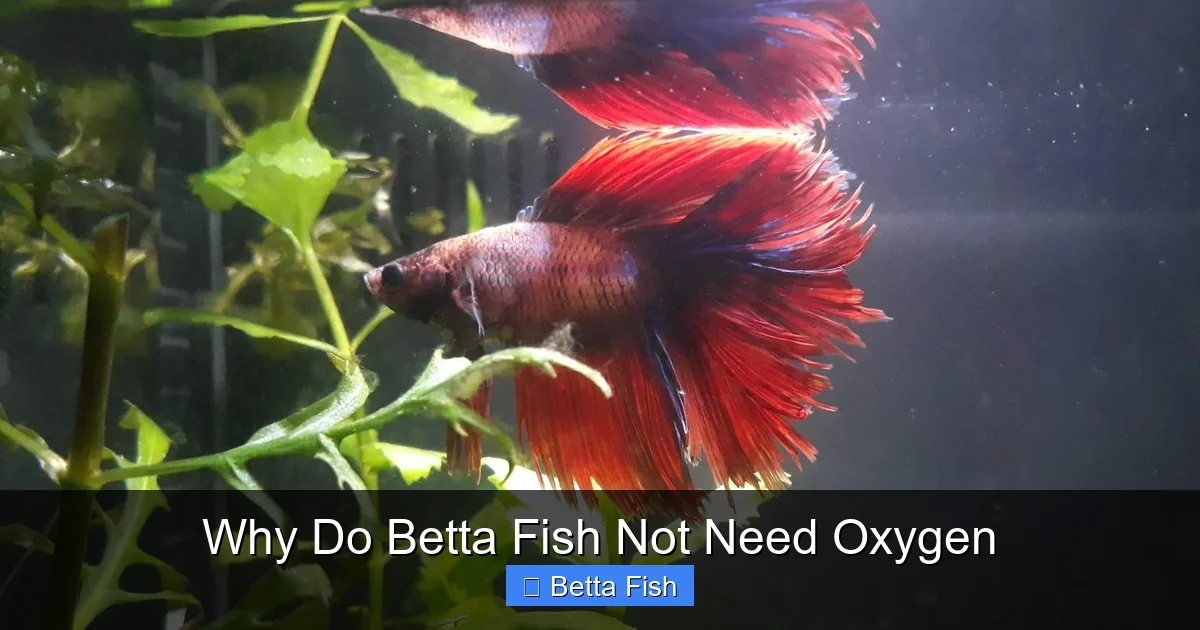
The labyrinth organ is a maze‑like structure located just above the gills. It’s filled with thin, highly vascularized tissue that can absorb oxygen directly from the air. When a betta darts to the surface and gulps, the air passes over this organ, allowing oxygen to diffuse straight into the bloodstream.
Visual guide about Why Do Betta Fish Not Need Oxygen
Image source: bettafishnest.com
How It Differs From Typical Gills
Most fish rely solely on gills to extract dissolved oxygen from water. Betta gills still function, but they are a backup system. This dual‑respiration gives bettas a huge advantage in low‑oxygen environments like shallow rice paddies, where they originally evolved.
Why It Matters for the Home Aquarium
Because the labyrinth organ does the heavy lifting, a betta can survive in a small, still tank that would be unsuitable for many other species. However, “survive” is not the same as “thrive.” Proper tank maintenance remains crucial.
2. Surface Access – The Key to Easy Breathing
Keeping the Water Calm
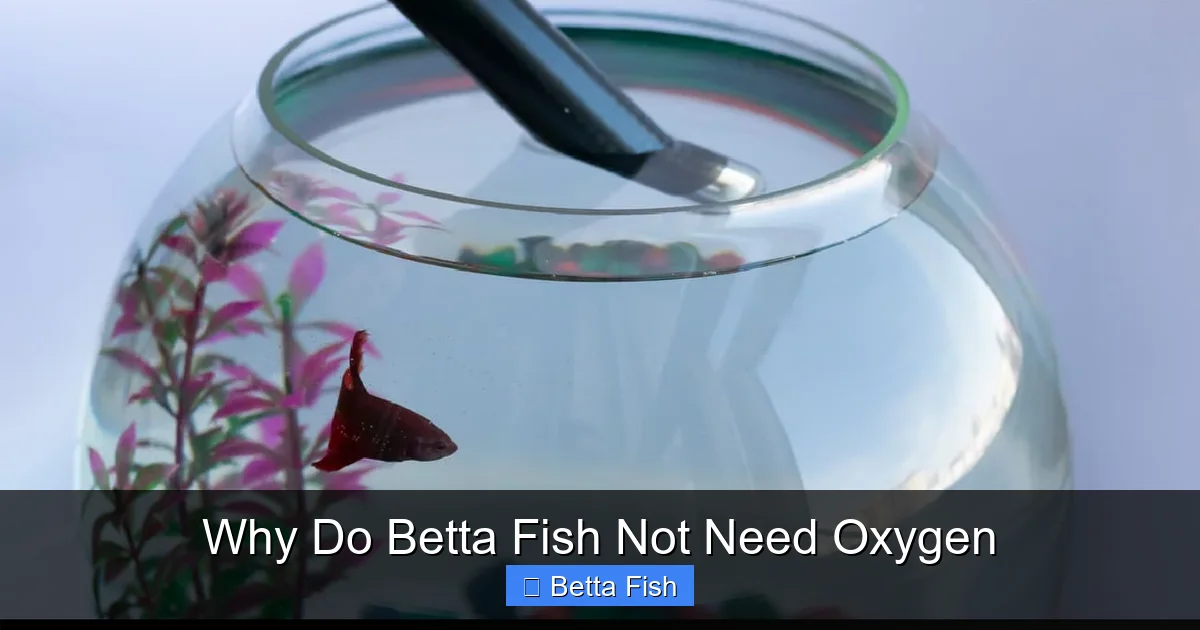
Betta fish need a calm water surface to gulp air efficiently. Strong currents or heavy filtration that creates a lot of surface agitation can make it harder for them to reach the air. A gentle flow filter or a sponge filter set on low will keep the water clean without breaking the surface.
Visual guide about Why Do Betta Fish Not Need Oxygen
Image source: buildyouraquarium.com
Tank Décor and Placement
Place decorations, plants, and the heater so they don’t block the middle of the tank. A clear line of sight to the surface encourages natural breathing behavior. Live plants can help by oxygenating the water, but they should not create a “canopy” that forces the betta to swim around them to reach the top.
3. Do Betta Fish Really Need an Air Pump?
When an Air Pump Is Helpful
Even though bettas have a labyrinth organ, an air pump can still be beneficial in certain situations:
Visual guide about Why Do Betta Fish Not Need Oxygen
Image source: petfishplants.com
- Very warm water (above 80°F) holds less dissolved oxygen.
- Overcrowded community tanks where surface space is limited.
- When you want extra water movement for filtration without stressing the fish.
When It’s Unnecessary
For a single betta in a 2‑5 gallon tank with a gentle filter, an air pump is optional. The fish will naturally come to the surface to breathe. If you do add an air pump, use a adjustable flow and a small airstone to avoid creating large bubbles that can stress the betta.
Read more about the role of air pumps in our article Do Betta Fish Need Oxygen Pump for a deeper dive.
4. Water Quality – The Real Enemy of a Healthy Betta
Temperature and Dissolved Oxygen
Warm water holds less oxygen, so maintaining the ideal temperature (78‑80°F) is vital. Use a reliable heater and a thermometer to keep the temperature steady. A sudden spike can reduce dissolved oxygen and make the betta work harder, even with its labyrinth organ.
Ammonia, Nitrite, and Nitrate
Even though bettas can breathe air, they still process waste through their gills and skin. High ammonia or nitrite levels can irritate their delicate respiratory tissues. Perform weekly water changes of 25‑30 % and test the water regularly.
Filtration Choices
A low‑flow sponge filter or a hang‑on‑back filter set to “gentle” works well. It keeps the water clear without creating turbulence at the surface. If you’re curious about filtration options, see our guide Do Betta Fish Need Filters.
5. Common Misconceptions and Warning Signs
“My Betta Is Gasping – I Need More Oxygen!”
Gasping can be a sign of poor water quality, low temperature, or a blocked surface. Check the water parameters first. If everything looks good, make sure the tank lid isn’t sealed too tightly; bettas need fresh air exchange.
“Betta Fish Don’t Need a Heater Because They Breathe Air”
Temperature still matters. The labyrinth organ does not regulate body temperature. A stable, warm environment helps metabolism and immune function. For heater advice, read What Temperature Do Betta Fish Need.
“If I Add a Bubble Nest, My Betta Will Get More Oxygen”
Bubble nests are built for breeding, not breathing. While the bubbles can increase surface area, they do not replace the need for clean water. Learn why bettas make bubble nests in Why Do Betta Fish Make Bubble Nests.
6. Practical Tips for a Happy, Healthy Betta
Tank Setup Checklist
- Size: Minimum 2‑5 gallons for a single betta.
- Filter: Low‑flow sponge or gentle hang‑on‑back.
- Heater: 78‑80°F, with a reliable thermostat.
- Cover: Keep a small opening for air exchange.
- Decoration: Smooth rocks, silk plants, and a hiding spot.
- Water changes: 25 % weekly, more if temperature rises.
Feeding and Observation
Feed high‑quality betta pellets once or twice daily. Watch for gulping behavior; a healthy betta will surface a few times each hour. If it stops surfacing, test the water and check for stressors.
When to Consider an Air Pump
If you notice the water becoming very warm, or if you keep a community tank with other fish, a small air stone set on low can help without overwhelming the betta.
Conclusion: Embrace the Labyrinth, Respect the Environment
Betta fish have evolved an amazing ability to breathe air thanks to their labyrinth organ, which is why the headline question—“why do betta fish not need oxygen”—can be answered with a simple “they do, but they get it from the air.” This adaptation lets them live in small, calm tanks, but it does not excuse neglect. Clean water, stable temperature, and a peaceful surface are the real keys to a thriving betta.
By understanding the science behind the labyrinth organ and combining it with good husbandry practices, you’ll give your betta the best chance to flaunt those brilliant colors and lively personality for years to come.
Frequently Asked Questions
Do betta fish need an air pump?
Not usually. Their labyrinth organ lets them gulp air directly, so a gentle filter is enough for most single‑betta setups.
What happens if a betta can’t reach the water surface?
It may become stressed, gasp, or develop health issues. Ensure the tank lid has a small opening and avoid heavy surface agitation.
Can warm water affect a betta’s breathing?
Yes. Warm water holds less dissolved oxygen, so keep the temperature between 78‑80°F and monitor water quality.
Do I need a heater if my betta can breathe air?
Yes. Temperature regulation is separate from oxygen intake. A stable, warm environment supports metabolism and immune health.
Why does my betta make bubble nests?
Bubble nests are built for breeding, not for breathing. They provide a safe place for eggs and fry, not extra oxygen.
Is it okay to keep a betta in a tiny bowl?
While a betta can survive in a small bowl because of its labyrinth organ, it will suffer from poor water quality and limited space. A minimum of 2‑5 gallons is recommended for health and longevity.