Seeing your betta’s tail fused together can be alarming, but it’s often a sign of a treatable issue. This guide explains the common reasons behind a stuck tail, how to act fast, and steps to prevent future problems, so your fin‑ray stays gorgeous and active.
Key Takeaways
- Identify the cause: Poor water quality, infections, or injuries are the top culprits.
- Act quickly: Early treatment stops the damage from spreading to other fins.
- Water matters: Regular testing and partial water changes are essential prevention tools.
- Nutrition helps: A balanced diet boosts the immune system and promotes fin regeneration.
- Watch for signs: Cloudy water, loss of appetite, or erratic swimming often accompany tail problems.
- Seek professional help: Severe cases may need a vet or experienced hobbyist’s advice.
- Prevent future issues: Proper tank setup, gentle handling, and routine health checks keep tails free.
📑 Table of Contents
Introduction: When Your Betta’s Tail Looks Like a Ribbon
Imagine you’re watching your betta do his usual flamboyant fin display, and suddenly his tail looks like a single, glued‑together ribbon. It’s not just unsightly—it can be a warning sign that something is wrong in his environment or health. Many hobbyists panic, but with the right knowledge you can often turn the situation around.
In this article we’ll break down the most common reasons a betta’s tail gets stuck together, show you step‑by‑step how to treat it, and give you a solid prevention plan. By the end, you’ll feel confident that you can keep your betta’s tail flowing like a flag in the wind.
1. Common Causes of a Stuck Tail
1.1 Poor Water Quality
Betta fish are sensitive to ammonia, nitrite, and high nitrate levels. When water parameters slip, the skin on the fins becomes irritated and the fin rays can fuse together.

Visual guide about Why Is My Betta Fish Tail Stuck Together
Image source: e3.365dm.com
- Ammonia spikes: Often result from over‑feeding or insufficient filtration.
- Nitrite buildup: A sign the nitrogen cycle isn’t fully established.
- High nitrates: Can stress the fish over time, weakening fin tissue.
Regular testing with a liquid test kit and weekly 25‑30% water changes are simple ways to keep these numbers in check.
1.2 Bacterial and Fungal Infections
Fin rot, caused by bacteria such as Aeromonas or Pseudomonas, often starts as a small ragged edge before the fin fibers stick together. Fungal growth appears as a white, cotton‑like layer that can also cause the tail to look fused.
If you see white patches, a fuzzy texture, or a foul smell, treat immediately with a broad‑spectrum antibacterial like Maracyn 2 or a fungal remedy such as Mardel Fungus Control.
1.3 Physical Injury
Sharp décor, aggressive tank mates (even other bettas in a community tank), or rough handling can tear fin rays. When the torn edges are close, they may heal together, creating the “stuck” look.
Always provide smooth surfaces, avoid overcrowding, and handle your betta gently when moving him.
1.4 Nutritional Deficiencies
Betta fish need high‑protein diets rich in omega‑3 fatty acids. A diet heavy on low‑quality flakes can weaken fin tissue, making it more prone to fusing after minor damage.
Offer a mix of high‑quality betta pellets, frozen or live foods like daphnia, and occasional bloodworms for optimal health.
1.5 Stress and Hormonal Changes
Stress from sudden temperature shifts, loud vibrations, or frequent tank disturbances can suppress the immune system. Hormonal spikes during breeding season also cause fin “ballooning,” which can look like a fused tail if the fish is also battling an infection.
2. Diagnosing the Problem
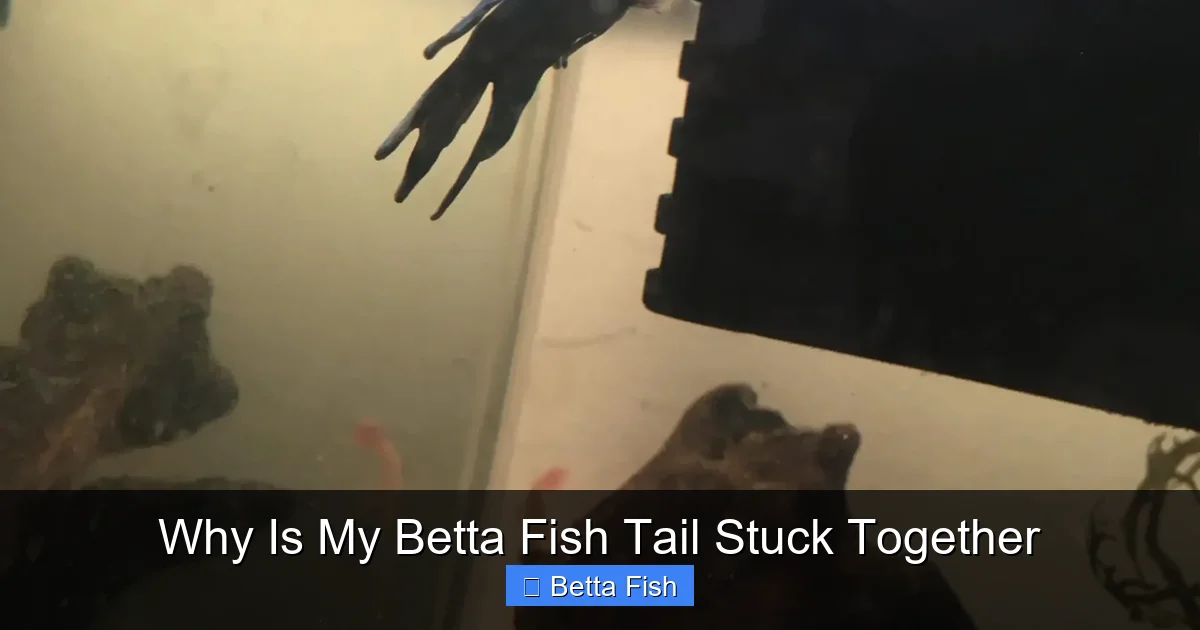
2.1 Visual Inspection
Look closely at the tail:
Visual guide about Why Is My Betta Fish Tail Stuck Together
Image source: petsical.com
- Is the tissue white, red, or fuzzy?
- Do you see a clear line where two fin rays have glued together?
- Is there any loss of fin tissue beyond the fused area?
Take a photo and compare it to healthy tail images (you’ll find many examples on our site).
2.2 Water Testing
Grab a test kit and check ammonia, nitrite, nitrate, and pH. Ideal betta parameters:
- Ammonia: 0 ppm
- Nitrite: 0 ppm
- Nitrate: < 20 ppm
- pH: 6.5‑7.5
If any values are out of range, perform a 30% water change and re‑test after an hour.
2.3 Behavior Check
Is your betta hiding, not eating, or swimming oddly? These signs often accompany fin problems. For more on related behaviors, see our article on why is my betta fish hiding and why is my betta fish not eating.
3. Immediate Treatment Steps
3.1 Isolate the Fish
Move your betta to a hospital tank (2‑3 gallon) with clean, conditioned water. This prevents the spread of infection and reduces stress.
Visual guide about Why Is My Betta Fish Tail Stuck Together
Image source: e-tsa.info
3.2 Medicate Appropriately
Choose a medication based on your diagnosis:
- Fin rot (bacterial): Maracyn 2 at 1 ml per 10 g of fish weight for 7‑10 days.
- Fungal infection: Mardel Fungus Control at the recommended dose for 5‑7 days.
- Mixed infection: A combination product like API Betta Health can cover both.
Always follow the label instructions and remove carbon from the filter during treatment.
3.3 Improve Water Conditions
Add activated charcoal to the hospital tank to absorb toxins, and keep the temperature stable between 78‑80 °F (25‑27 °C). Use a gentle air stone to increase oxygen without creating strong currents.
3.4 Support Healing with Nutrition
Feed small amounts of high‑protein foods 2‑3 times a day. A boiled egg yolk (tiny pinch) or a few frozen brine shrimp are excellent for boosting recovery.
3.5 Monitor Progress
Check the tail daily. If the fused area starts to separate and new fin tissue appears, you’re on the right track. If the condition worsens after 5 days, consider consulting a fish‑health vet.
4. Long‑Term Prevention Strategies
4.1 Maintain Spot‑On Water Quality
Set a schedule:
- Test water weekly.
- Change 25% of water every 5‑7 days.
- Vacuum substrate to remove waste.
Consider a sponge filter for gentle flow, which bettas love.
4.2 Choose Safe Tank Décor
Use smooth, non‑porous ornaments. Avoid sharp rocks or rough plastic plants that can tear fins.
4.3 Feed a Balanced Diet
Rotate between quality pellets, frozen foods, and occasional live treats. Avoid over‑feeding; a pinch of food twice a day is enough for most bettas.
4.4 Provide Stress‑Free Environment
Keep the tank in a quiet area, away from windows with direct sunlight. Maintain a stable temperature with a reliable heater.
4.5 Regular Health Checks
Spend a few minutes each week observing your betta’s fins, swim pattern, and appetite. Early detection of small ragged edges can prevent full‑scale fusion.
5. When to Seek Professional Help
If the tail remains fused after two weeks of treatment, or if you notice additional symptoms such as:
- Rapid weight loss
- Swollen abdomen
- Cloudy or foul‑smelling water despite regular changes
These may indicate a deeper systemic issue. A veterinarian experienced with fish or an experienced betta breeder can provide targeted antibiotics or advanced care.
Conclusion: A Happy Tail Means a Happy Betta
Seeing a betta’s tail stuck together is stressful, but it’s usually a solvable problem. By quickly diagnosing the cause, treating infections, improving water quality, and feeding a nutritious diet, you give your fin‑ray the best chance to heal and flourish. Remember, prevention is easier than cure—regular tank maintenance and attentive observation will keep your betta showing off that brilliant, flowing tail for years to come.
Frequently Asked Questions
Why does my betta’s tail look glued together?
Fused tails are usually caused by poor water quality, bacterial or fungal infections, or minor injuries that heal incorrectly.
Can I treat a stuck tail at home?
Yes. Isolate the fish, improve water conditions, and use appropriate antibacterial or antifungal medication based on the symptoms.
How long does it take for a betta’s tail to heal?
With proper care, you’ll see improvement in 5‑7 days and full regeneration can take 2‑3 weeks, depending on the severity.
Will my betta lose the fused part permanently?
Often the damaged section will regrow new fin tissue. The key is to stop the infection early and keep water clean.
Is a stuck tail a sign of a more serious disease?
It can be an early warning sign. If other symptoms appear—like loss of appetite, lethargy, or cloudy water—seek veterinary advice.
How can I prevent my betta’s tail from fusing again?
Maintain stable water parameters, feed a balanced diet, provide smooth décor, and perform regular health checks.

