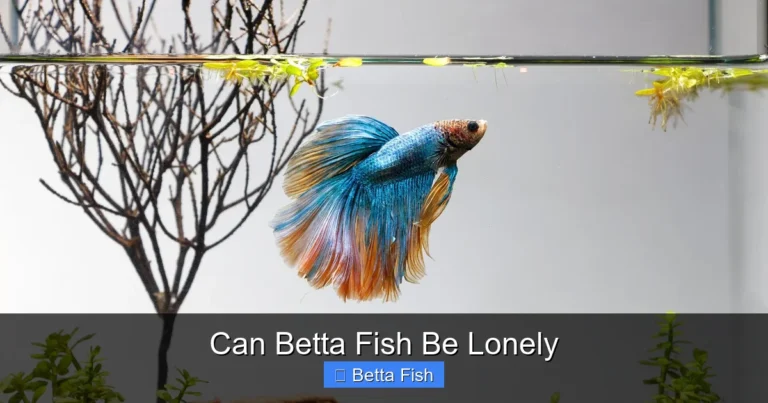
Why Do Betta Fish Need to Be Alone
Betta fish are naturally territorial and aggressive toward other fish, especially other males, which is why they thrive best when kept alone. Understanding their behavior, tank setup, and care needs ensures a stress‑free environment and a vibrant, long‑lived pet.
Key Takeaways
- Territorial nature: Betta males fiercely guard their space, often fighting any intruder.
- Fin structure: Long, flowing fins make them easy targets for nips and injuries.
- Water quality: A single betta needs a well‑maintained tank to prevent stress‑related disease.
- Tank size matters: Even alone, a betta benefits from a minimum 5‑gallon tank for swimming space.
- Optional tank mates: Certain peaceful species can be kept safely only under strict conditions.
- Behavioral signs: Flare, darkening, and rapid breathing signal that a betta feels threatened.
- Proper setup: Hiding spots, plants, and stable temperature reduce aggression and improve wellbeing.
📑 Table of Contents
Introduction: The Solo Life of a Betta
When you first see a betta fish—its vivid colors, flowing fins, and confident swagger—it’s easy to think it would love a bustling community tank. In reality, the very traits that make bettas so eye‑catching also drive them to seek solitude. This article answers the question “why do betta fish need to be alone?” and gives you clear, friendly advice on creating the perfect solo habitat.
We’ll explore the science behind betta aggression, the role of their natural environment, and the practical steps you can take to keep a single betta thriving. By the end, you’ll feel confident that giving your betta its own space isn’t just a rule—it’s the key to a happy, healthy fish.
1. The Biology Behind Betta Aggression
1.1. Wild Roots and Territorial Instincts
Betta splendens hail from the shallow rice paddies and slow‑moving streams of Southeast Asia. In the wild, they live in densely vegetated, low‑oxygen waters where each male stakes out a small “bubble‑nest” territory. The male defends this space from rivals to protect his mate and offspring. This ancestral need to guard a limited area is hard‑wired into their DNA.
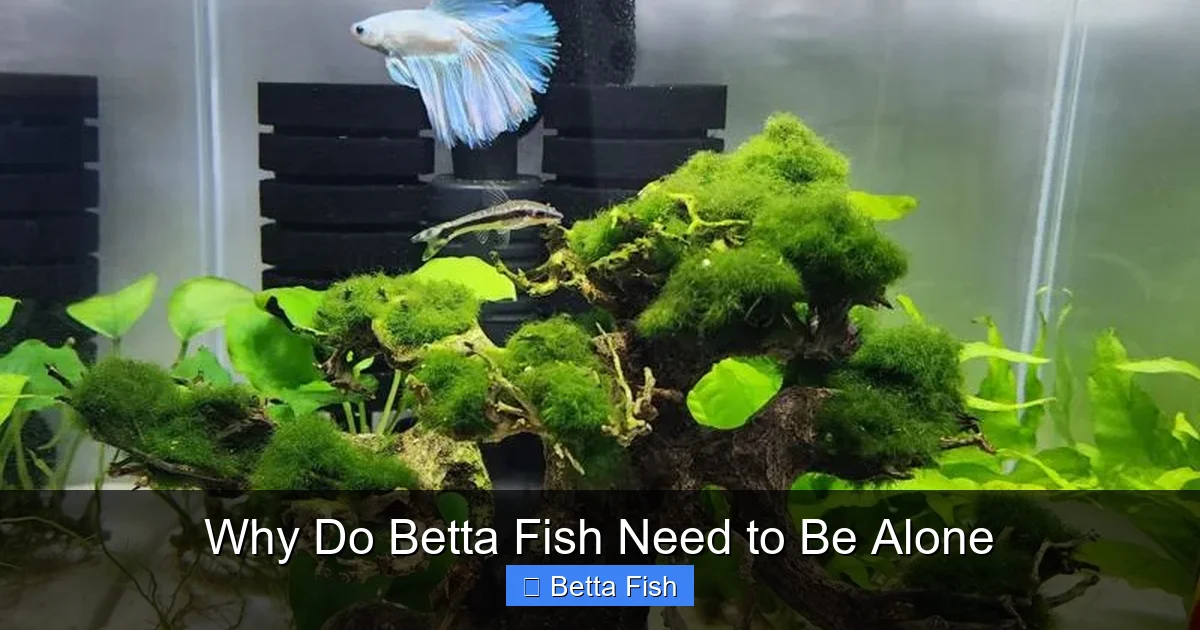
Visual guide about Why Do Betta Fish Need to Be Alone
Image source: ouraquariumlife.com
1.2. The Role of the Labyrinth Organ
Betta fish possess a labyrinth organ that lets them breathe air directly from the surface. This adaptation allows them to survive in oxygen‑poor water, but it also means they spend a lot of time near the water’s top—another reason they become highly visible to potential intruders and react aggressively.
1.3. Fin Structure and Vulnerability
Long, flowing fins are gorgeous, but they also act like bright flags that attract attention. Other fish may mistake a betta’s fins for food or simply “play” with them, leading to nips that can cause fin rot. The betta’s instinct is to flare and chase away the threat, which often escalates into a full‑blown fight.
2. Why Do Betta Fish Need to Be Alone?
2.1. Preventing Fatal Fights
The most obvious reason is safety. Male bettas will attack any fish that resembles another male—bright colors, long fins, or even a similar shape can trigger a fight. Even females can become aggressive if they feel their space is invaded. A single tank eliminates this risk.
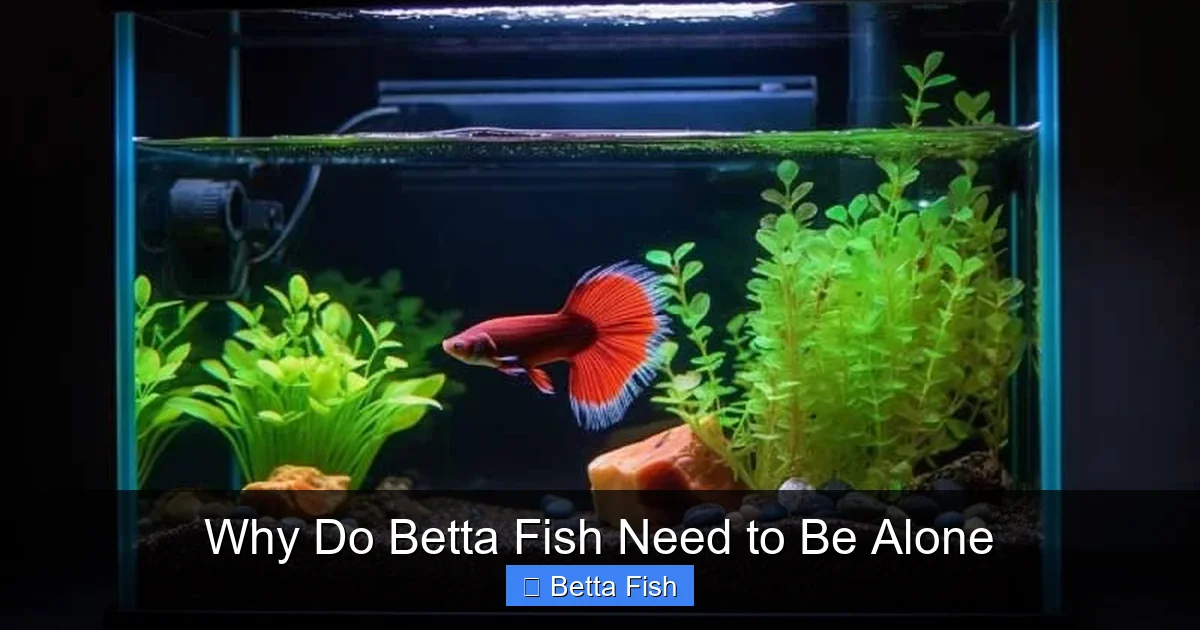
Visual guide about Why Do Betta Fish Need to Be Alone
Image source: bettafishnest.com
2.2. Reducing Stress and Disease
Stress weakens a betta’s immune system, making it prone to common illnesses like fin rot, velvet, and ich. Constant aggression raises cortisol levels, leading to poor appetite and faded coloration. A solitary environment keeps cortisol low, supporting a robust immune response.
2.3. Encouraging Natural Behaviors
When alone, bettas can build bubble nests, flare for mates (even if just for show), and explore the tank fully. These activities are signs of a content fish. In a crowded tank, the same behaviors may be misinterpreted as aggression toward tank mates.
2.4. Simplifying Care
Managing water parameters for one betta is easier than balancing the needs of a mixed community. You can maintain ideal temperature, pH, and ammonia levels without worrying about conflicting species requirements. For a deeper dive on tank size, see our guide on how big does betta fish tank need to be.
3. Setting Up the Perfect Solo Tank
3.1. Minimum Tank Size
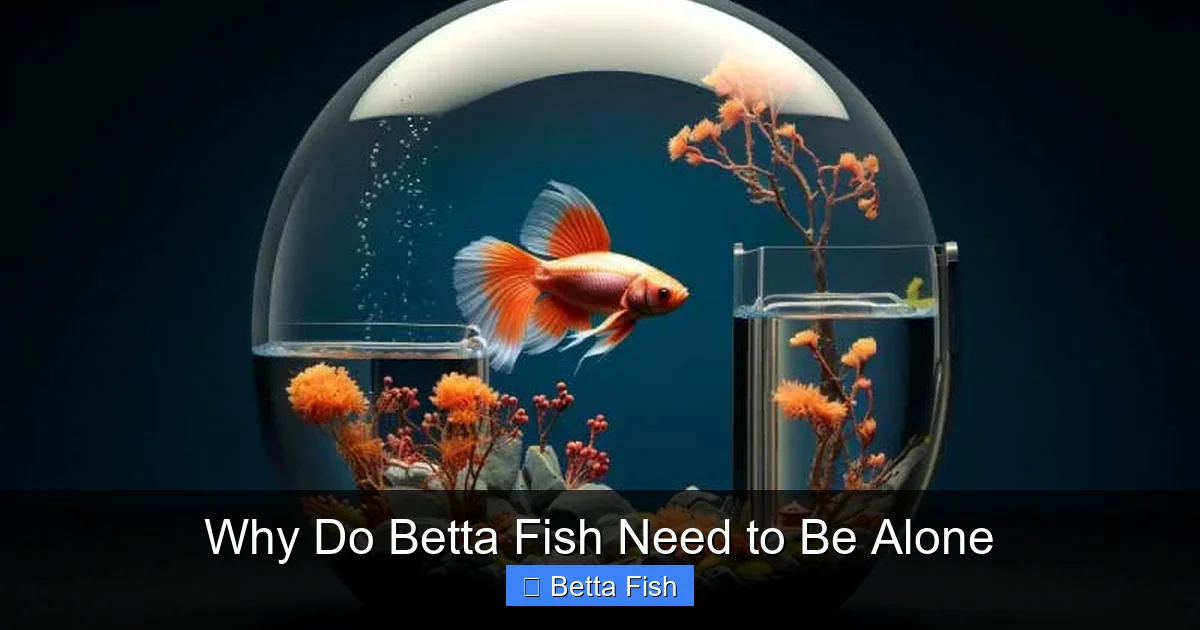
While a 2‑gallon bowl is often marketed for bettas, a 5‑gallon (or larger) tank gives your fish room to swim and reduces water quality swings. Larger water volume means more stable temperature and less frequent water changes.
Visual guide about Why Do Betta Fish Need to Be Alone
Image source: bettafishnest.com
3.2. Filtration and Heating
Betta fish thrive at 76–82°F (24–28°C). A gentle heater keeps the temperature steady. A low‑flow filter is ideal; it cleans the water without creating a strong current that can stress a betta used to calm waters. Learn more about filtration in our article Do Betta Fish Need Filters.
3.3. Decorations and Hiding Spots
- Live or silk plants provide cover and break up sight lines, reducing the chance of a betta feeling exposed.
- Caves, driftwood, and smooth rocks create natural “territories” where a betta can rest.
- A smooth substrate (soft sand or fine gravel) protects delicate fins.
3.4. Lighting and Day‑Night Cycle
Provide 8–10 hours of gentle light daily to mimic natural cycles. A dim night period helps the betta rest and reduces stress.
4. When (If Ever) Can You Add Tank Mates?
4.1. Choosing Truly Peaceful Species
Some hobbyists successfully keep a betta with very small, non‑finny species such as:
- Harlequin rasboras (in a group of 6‑8)
- Snails (Nerite or Malaysian trumpet)
- Ghost shrimp (if the betta is calm)
Even then, close monitoring is essential. Any sign of fin nipping means immediate removal.
4.2. The “Safe” Setup Checklist
- Tank at least 10 gallons.
- Heavily planted with plenty of hiding places.
- Introduce the betta first; add other species later.
- Observe for 24‑48 hours for any flare or aggression.
For a full discussion on compatible species, read Why Can T Betta Fish Be With Other Fish.
4.3> Why Most Experts Still Recommend Solo
The risk of injury, stress, and disease outweighs the occasional benefit of a community tank. Most betta owners find peace of mind—and a brighter, healthier fish—by keeping the betta alone.
5. Recognizing Signs That Your Betta Is Unhappy
5.1. Flare and Darkening
A sudden flare of fins, darkening of the body, or a rapid approach to the glass indicates perceived threat. If this happens without an obvious trigger, consider tank size, water quality, or hidden stressors.
5.2. Loss of Color or Fin Damage
Faded colors or ragged fins often signal chronic stress or bullying from unseen tank mates. A quick water change and a review of tank conditions usually help.
5.3> Erratic Swimming
Spinning, darting, or staying at the water’s surface can be a sign of poor water parameters or a respiratory issue. Test the water and ensure the heater is stable.
6. Ongoing Care Tips for a Solo Betta
6.1. Regular Water Changes
Change 25–30% of the water weekly. Use a water conditioner to remove chlorine and chloramines.
6.2. Feeding Schedule
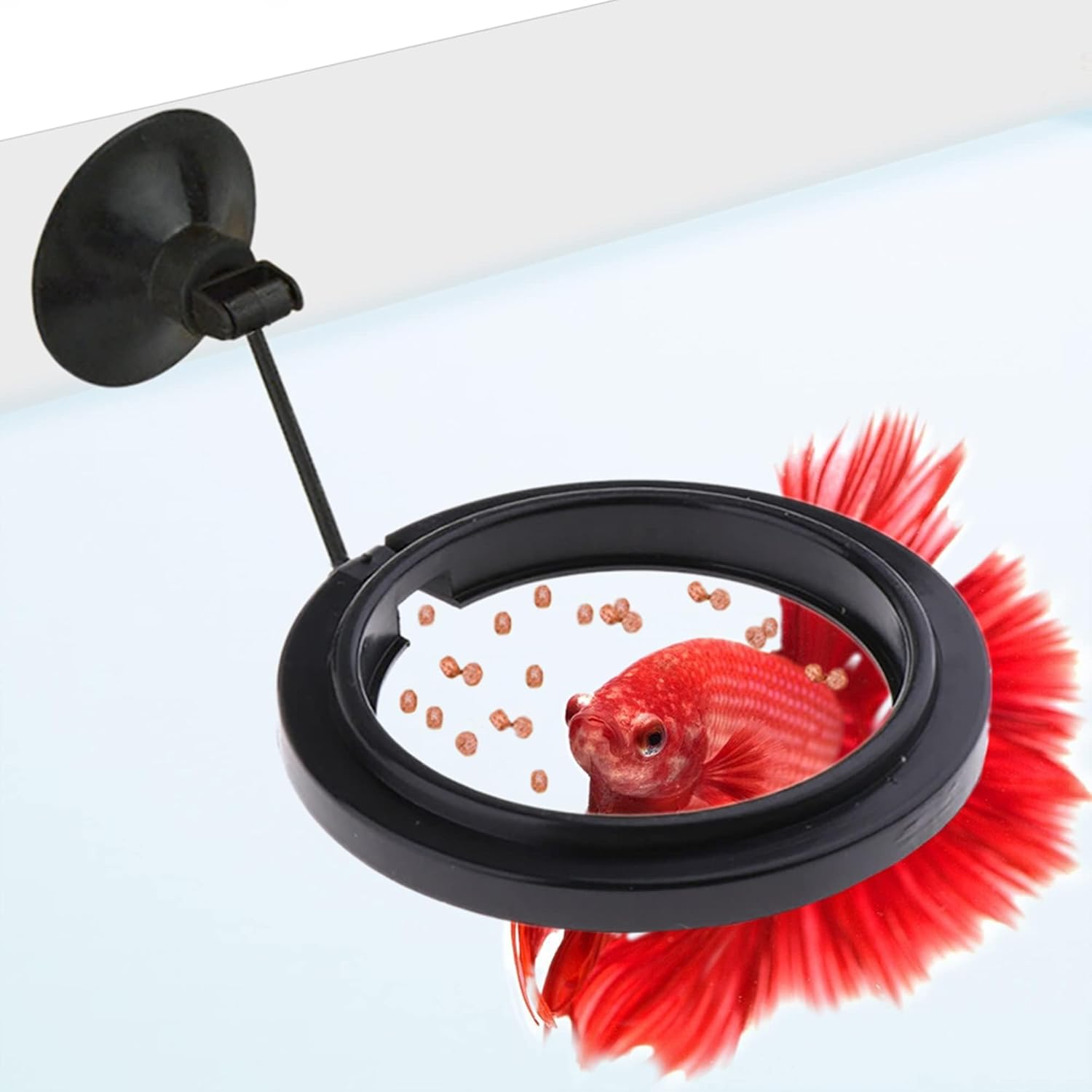
Offer high‑quality betta pellets or frozen foods twice daily, but only as much as they can eat in 2 minutes. Overfeeding leads to cloudy water and health problems.
6.3. Monitoring Health
Check for signs of disease during routine water changes. Early detection of white spots, frayed fins, or abnormal behavior can save your fish.
6.4. Encouraging Natural Behaviors
Provide floating plants or a small piece of bark for bubble‑nest building. Watching your betta construct a nest is a rewarding indicator of wellbeing.
Conclusion
Understanding why betta fish need to be alone is essential for any keeper who wants a vibrant, stress‑free pet. Their natural aggression, delicate fins, and specific water needs make a solo tank the safest, healthiest choice. By setting up a properly sized, well‑filtered, and nicely decorated habitat, you give your betta the freedom to display its brilliant colors and fascinating behaviors without the risk of fights or disease. Remember, a happy betta is a healthy betta—so give it the space it deserves, and you’ll enjoy years of beautiful, lively companionship.
Frequently Asked Questions
Why do betta fish fight each other?
Betta males are highly territorial and will flare, chase, and bite any other male that enters their perceived space. This instinct protects their breeding area in the wild.
Can female bettas live together?
Female bettas can sometimes be kept in a sorority, but it requires a large, heavily planted tank and careful monitoring to prevent bullying.
What tank size is ideal for a single betta?
A minimum of 5 gallons is recommended for a solo betta, providing enough swimming room and more stable water conditions.
Do bettas need a heater?
Yes, bettas thrive at 76–82°F (24–28°C). A reliable heater keeps the temperature steady, especially in cooler rooms.
Is a filter necessary for a betta tank?
A gentle filter helps maintain water quality without creating strong currents that can stress a betta. It also reduces the frequency of water changes.
Can I add live plants to a betta tank?
Live plants are excellent for hiding spots and water filtration. Choose hardy species like Java fern, Anubias, or Marimo moss balls.