How Many Bloodworms for Betta Fish
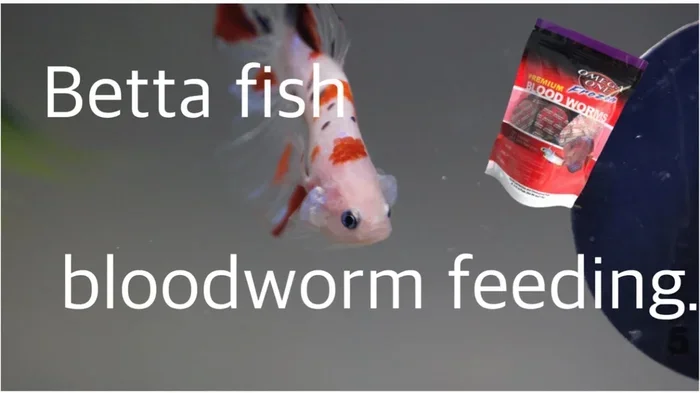
Feeding your betta fish the right amount of bloodworms is key to their health and happiness. The general rule is 2 to 3 bloodworms per feeding, 1 to 2 times a day for adult bettas. Overfeeding can cause serious health problems, so always stick to the proper portion size.
If you own a betta fish, you have probably wondered about the best way to feed them. Bloodworms are one of the most popular foods for bettas, and for good reason. They are packed with protein, most bettas love them, and they make an excellent treat. But here is the big question: how many bloodworms for betta fish is the right amount?
Feeding too many bloodworms can harm your fish just as much as feeding too few. Your betta needs a balanced diet to stay healthy, colorful, and active. In this guide, we will walk you through everything you need to know about feeding bloodworms to your betta. You will learn the right portion size, how often to feed them, and common mistakes to avoid.
Whether you are a new betta owner or have had fish for years, this betta fish feeding guide will give you practical advice you can use right away. Let us dive in and make sure your betta gets the perfect meal every time.
Key Takeaways
- 2 to 3 bloodworms per feeding: This is the ideal portion for an adult betta fish at each meal.
- Feed 1 to 2 times a day: A consistent feeding schedule keeps your betta healthy and active.
- Use bloodworms as a treat: They should complement a balanced diet, not replace it entirely.
- Watch for overfeeding signs: Bloating, constipation, and cloudy water are red flags you should not ignore.
- Choose quality bloodworms: Frozen or live options are better than freeze-dried for nutrition and safety.
- Adjust for your fish’s size and age: Younger and smaller bettas need fewer worms per feeding.
📑 Table of Contents
- What Are Bloodworms and Why Do Bettas Love Them?
- How Many Bloodworms Should You Feed Your Betta Fish?
- How Often Should You Feed Bloodworms to Your Betta?
- The Dangers of Overfeeding Bloodworms
- Best Practices for Feeding Bloodworms to Your Betta
- How Bloodworms Fit Into Your Betta’s Overall Nutrition
- Common Mistakes People Make When Feeding Bloodworms
- How to Choose the Best Bloodworms for Your Betta
- Final Thoughts on Feeding Bloodworms to Your Betta
What Are Bloodworms and Why Do Bettas Love Them?
Bloodworms are a type of larvae that come from midge flies. They get their red color from hemoglobin, which is the same protein found in human blood. You can buy them in three main forms: live, frozen, and freeze-dried. Each type has its own benefits and drawbacks.
Bettas are natural carnivores. In the wild, they eat small insects, larvae, and tiny crustaceans. Bloodworms closely mimic what they would find in their natural habitat. This is why most bettas go absolutely crazy for them. The high protein content makes bloodworms an energy-packed food source.
Types of Bloodworms for Bettas
- Live bloodworms: The most natural option. They are packed with nutrients and encourage your betta to hunt, which is great mental stimulation.
- Frozen bloodworms: A convenient and safe alternative. They retain most of their nutrition and are easy to portion out.
- Freeze-dried bloodworms: The most shelf-stable option. However, they lose some nutritional value during the drying process and can expand in your betta’s stomach if not soaked first.
When choosing bloodworms, always go for quality brands. Cheap bloodworms can carry bacteria or parasites that could make your betta sick. If you are new to feeding bloodworms, start with frozen ones. They are the easiest to handle and the safest option for most fish owners.
How Many Bloodworms Should You Feed Your Betta Fish?
This is the core question, and the answer depends on a few factors. The general guideline is 2 to 3 bloodworms per feeding for an adult betta. But the exact number can vary based on the type of bloodworm, the size of your fish, and their overall diet.
Feeding Frozen Bloodworms
If you are using frozen bloodworms, you will want to cut off a small piece. A cube about the size of a pea is usually enough for one feeding. You can thaw it in a small amount of tank water before adding it to the aquarium. How many bloodworms for betta fish in this case? Usually 2 to 3 medium-sized worms after thawing.
Feeding Live Bloodworms
Live bloodworms are more tempting for bettas because they move and trigger their hunting instinct. However, they can be harder to portion control. A good rule is to offer only as many live worms as your betta can eat within 2 to 3 minutes. This usually amounts to 2 to 4 worms depending on their size.
Feeding Freeze-Dried Bloodworms
Freeze-dried bloodworms are convenient, but you need to be careful. They can expand inside your betta’s stomach and cause bloating or constipation. Always soak them in tank water for a few minutes before feeding. Stick to 1 to 2 pieces per feeding, and do not make this a daily habit.
Portion Size Comparison Table
| Bloodworm Type | Portion Size | Feeding Frequency |
|---|---|---|
| Frozen Bloodworms | 2 to 3 worms or one small cube | 1 to 2 times per day |
| Live Bloodworms | 2 to 4 worms (eat within 2 min) | 1 to 2 times per week |
| Freeze-Dried Bloodworms | 1 to 2 pieces (soaked first) | 2 to 3 times per week |
Remember that bloodworms should not be the only food your betta eats. They are a treat and a supplement, not a complete meal replacement. For a full and balanced betta diet, you should also include high-quality pellets or flakes as the staple food.
How Often Should You Feed Bloodworms to Your Betta?
Frequency matters just as much as portion size. Feeding bloodworms too often can lead to serious health issues. Bettas are small fish, and their stomachs are about the size of their eye. This means they need small, controlled meals throughout the day.
For frozen and live bloodworms, feeding them 1 to 2 times a day is fine if you keep the portion small. However, many experts recommend treating bloodworms as an occasional supplement rather than a daily meal. A good schedule might look like this:
- Monday: Betta pellets in the morning, 2 bloodworms in the evening.
- Tuesday: Betta pellets only.
- Wednesday: Betta pellets in the morning, 2 bloodworms in the evening.
- Thursday: Betta pellets only.
- Friday: Betta pellets in the morning, 2 bloodworms in the evening.
- Saturday and Sunday: Rest days or very light feeding.
This rotating schedule ensures your betta gets the protein boost from bloodworms without overdoing it. If you want a simpler approach, feed bloodworms 3 to 4 times per week and stick to pellets on the other days. The key is variety and moderation.
Also, keep in mind that how many times a day to feed a betta fish depends on their age. Young betta fry need smaller, more frequent meals. Adult bettas do well with 1 to 2 feedings per day. Senior bettas may need even less food as their metabolism slows down.
The Dangers of Overfeeding Bloodworms
Overfeeding is one of the most common mistakes new betta owners make. It is easy to think that more food means a happier fish, but that is not true at all. Bettas are prone to overeating because they will eat almost anything you offer them. This instinct can work against them if you are not careful.
Common Health Problems from Overfeeding
- Constipation: Bloodworms, especially freeze-dried ones, can expand in the gut and cause blockages. A constipated betta will look bloated and may stop eating.
- Swim Bladder Disease: This condition makes it hard for your betta to swim properly. Overfeeding is one of the leading causes.
- Fatty Liver Disease: Too much protein and fat over time can damage your betta’s liver and shorten their lifespan.
- Poor Water Quality: Uneaten food decays quickly in aquarium water. This raises ammonia and nitrite levels, which are toxic to fish.
Signs Your Betta Is Being Overfed
Watch for these warning signs after every feeding session:
- Your betta leaves food uneaten after 2 to 3 minutes.
- The water becomes cloudy or develops a foul smell shortly after feeding.
- Your betta looks bloated or has a swollen belly.
- Your betta stops pooping or produces white stringy waste.
- Your betta seems lethargic and stays at the bottom of the tank.
If you notice any of these signs, stop feeding immediately and consider doing a water change to clean up the tank. A partial water change of 25 to 30 percent can quickly improve water quality. For more details on maintaining clean water, check out our guide on how to do a water change for betta fish.
Best Practices for Feeding Bloodworms to Your Betta
Now that you know the right amount and frequency, let us talk about how to feed bloodworms the right way. Proper feeding techniques make a big difference in your betta’s health and enjoyment of their meals.
1. Always Soak Freeze-Dried Bloodworms
Never feed dry freeze-dried bloodworms directly to your betta. Place a few worms in a small dish of tank water and let them soak for 5 to 10 minutes. They will soften and expand before you add them to the aquarium. This prevents stomach issues and makes the food easier to digest.
2. Use a Feeding Tong or Small Container
Bloodworms can be messy. They tend to break apart and drift around the tank. Using a small feeding tong or dropping them into a shallow container inside the tank helps control where the food goes. This also prevents uneaten worms from fouling the water.
3. Remove Uneaten Food Promptly
Bettas are not always eager eaters, and they may leave some worms behind. If food sits in the tank for more than 5 minutes, use a small net or turkey baster to remove it. This keeps your water clean and prevents ammonia spikes.
4. Pair Bloodworms with a Balanced Diet
Bloodworms should make up no more than 10 to 15 percent of your betta’s overall diet. The rest should come from high-quality betta pellets or flakes that provide a full range of nutrients. If you want to learn more about creating a complete feeding plan, read our article on how to properly care for betta fish.
5. Feed in a Calm Environment
Bettas can feel stressed during feeding time if the tank is too active. Try to feed your betta in a calm, quiet space. Turn off the filter temporarily if the current is too strong and pushes the food away before your betta can eat it.
How Bloodworms Fit Into Your Betta’s Overall Nutrition
Bloodworms are not a complete food on their own. They are rich in protein and fat, but they lack many vitamins and minerals your betta needs to thrive. Think of bloodworms as a supplement or a special treat, similar to how you might give a dessert after a balanced dinner.
A healthy betta diet should include:
- High-quality betta pellets: These should be the foundation of every meal. Look for pellets with a protein content of 30 to 40 percent.
- Betta flakes: A good alternative to pellets, though some bettas prefer pellets over flakes.
- Bloodworms or brine shrimp: Used as treats 2 to 4 times per week for protein variety.
- Occasional vegetables: A tiny piece of blanched spinach or pea can help with digestion.
If you want to dive deeper into creating the perfect meal plan, our article on how much food for a betta fish covers portion sizes for all types of betta food in detail.
Understanding your betta’s nutritional needs also helps you choose the right feeding schedule. For a complete guide on how often to feed your betta, check out how many times a day to feed a betta fish. That article breaks down exact feeding frequencies for bettas of different ages and sizes.
Common Mistakes People Make When Feeding Bloodworms
Even experienced betta owners can make mistakes when it comes to feeding bloodworms. Here are the most common errors and how to avoid them.
Mistake 1: Feeding Too Many at Once
It is tempting to dump a whole cube of frozen bloodworms into the tank. But your betta’s stomach is tiny. Too much food at once leads to waste, poor water quality, and digestive problems. Always measure out a small portion and watch your betta eat.
Mistake 2: Making Bloodworms the Only Food
Some bettas get so hooked on bloodworms that they refuse pellets or flakes. This is a nutritional imbalance. If your betta only eats bloodworms, start slowly transitioning them back to pellets by mixing a small amount of food together.
Mistake 3: Not Washing Your Hands After Handling Bloodworms
This one is often overlooked. Bloodworms can carry bacteria, and handling them with bare hands can introduce contaminants into your tank. Always wash your hands before and after touching fish food or tank water.
Mistake 4: Ignoring Your Betta’s Hunger Cues
Your betta will tell you when they are hungry. They may swim to the top of the tank or start searching the substrate when it is feeding time. But if they ignore food completely, they are telling you they are full. Respect those cues and do not force more food.
How to Choose the Best Bloodworms for Your Betta
Not all bloodworm products are created equal. When shopping for bloodworms, look for these qualities:
- Source: Choose brands that source their bloodworms from clean, reputable farms. Avoid cheap generic brands with no clear origin.
- Packaging: Frozen bloodworms should be in sealed, airtight packaging. Live bloodworms should be active and moving in the container.
- Ingredients: Check the label for added preservatives or fillers. The fewer the ingredients, the better.
- Expiration date: Always check the date before purchasing. Expired bloodworms lose nutritional value and can go bad quickly.
Some of the best brands for betta bloodworms include Hikari, San Francisco Bay Brand, and Omega One. These brands are trusted by aquarists worldwide and consistently produce high-quality products. You can also find bloodworms at most local pet stores, but online retailers often have better selection and freshness.
If you are setting up a new tank and want to make sure the environment is right for feeding, our guide on how to set up a fish tank for betta fish covers everything you need to know about creating a healthy home for your fish.
Final Thoughts on Feeding Bloodworms to Your Betta
Feeding your betta fish the right amount of bloodworms is one of the simplest ways to boost their health and happiness. Remember the golden rule: 2 to 3 bloodworms per feeding, 1 to 2 times a day at most. Keep bloodworms as a treat alongside a staple diet of quality pellets or flakes, and always watch for signs of overfeeding.
A well-fed betta is a vibrant, active, and beautiful fish. They will show off their colors more, swim with more energy, and live a longer, healthier life. It all starts with what you put in their tank at mealtime.
Take the time to learn your own betta’s preferences and habits. Every fish is a little different, and part of the joy of keeping bettas is getting to know your individual companion. With the right feeding routine and a little patience, you will have a thriving betta that brings you joy for years to come. For more tips on betta care, explore our full collection of betta fish care articles and guides.
Frequently Asked Questions
Can betta fish eat bloodworms every day?
It is not recommended to feed bloodworms every day. Bloodworms are high in protein and fat, and feeding them daily can lead to overnutrition and health problems. Stick to feeding bloodworms 3 to 4 times per week as a treat alongside a staple diet of betta pellets or flakes.
How many frozen bloodworms should I feed my betta?
For frozen bloodworms, feed 2 to 3 worms per meal. You can cut a small cube from a frozen block and thaw it in tank water before adding it to the aquarium. This makes it easier for your betta to eat and digest the food.
Are bloodworms good for betta fish?
Yes, bloodworms are an excellent source of protein and are highly palatable for bettas. They make a great occasional treat and can help enhance your betta’s color and energy levels. However, they should never replace a balanced staple diet.
What happens if I feed my betta too many bloodworms?
Overfeeding bloodworms can cause constipation, swim bladder issues, bloating, and poor water quality. Uneaten food decays quickly and raises harmful ammonia levels in the tank. Always stick to the recommended portion size of 2 to 3 worms per feeding.
Can baby betta fish eat bloodworms?
Baby bettas, also known as fry, can eat very small pieces of bloodworm. However, they need even smaller portions than adult bettas. Crush frozen bloodworms into tiny pieces and offer only 1 to 2 fragments per feeding. Make sure the pieces are small enough for their tiny mouths to handle.
Should I use live, frozen, or freeze-dried bloodworms for my betta?
Frozen bloodworms are the best overall choice for most fish owners. They are safe, convenient, and retain most of their nutritional value. Live bloodworms are excellent but can carry parasites if not sourced from a reputable supplier. Freeze-dried bloodworms are okay as an occasional treat but should always be soaked before feeding.