Why Do Betta Fish Open Their Gills
Betta fish open their gills for many reasons, from normal breathing to stress signals. Understanding these cues helps you spot health issues early and create a happier, healthier tank.
Key Takeaways
- Normal respiration: Opening gills is how bettas take in oxygen.
- Stress indicator: Rapid gill movement can signal poor water quality or disease.
- Temperature matters: Cold water forces gills to work harder.
- Health check: Look for color, swelling, or mucus to gauge illness.
- Tank setup: Proper filtration, heating, and décor reduce unnecessary gill flaring.
- Behavior clues: Gills often flare when a betta is excited, defending territory, or courting.
- Action plan: Simple steps like water changes and temperature checks can quickly improve gill health.
📑 Table of Contents
- Introduction: The Mystery Behind the Flapping Gills
- 1. How Betta Gills Work
- 2. Normal Breathing vs. Stress‑Induced Gills
- 3. Environmental Factors That Make Gills Work Overtime
- 4. Health Issues That Show Up as Gills Opening
- 5. Behavioral Reasons for Gills Opening
- 6. Practical Tips to Keep Gills Healthy
- Conclusion: Reading the Gills Like a Pro
Introduction: The Mystery Behind the Flapping Gills
If you’ve ever watched a betta fish swim, you’ve probably seen those delicate, ribbon‑like gills fluttering back and forth. It can look like a tiny dance, a sign of excitement, or even a warning bell. Many new owners ask, “why do betta fish open their gills?” The answer isn’t one‑size‑fits‑all; it’s a mix of biology, environment, and emotion.
In this article we’ll break down the science of gill movement, explore the most common reasons your betta might be opening its gills, and give you practical tips to keep the fish breathing easy. By the end, you’ll be able to read your betta’s gill language like a pro.
1. How Betta Gills Work
Structure and function
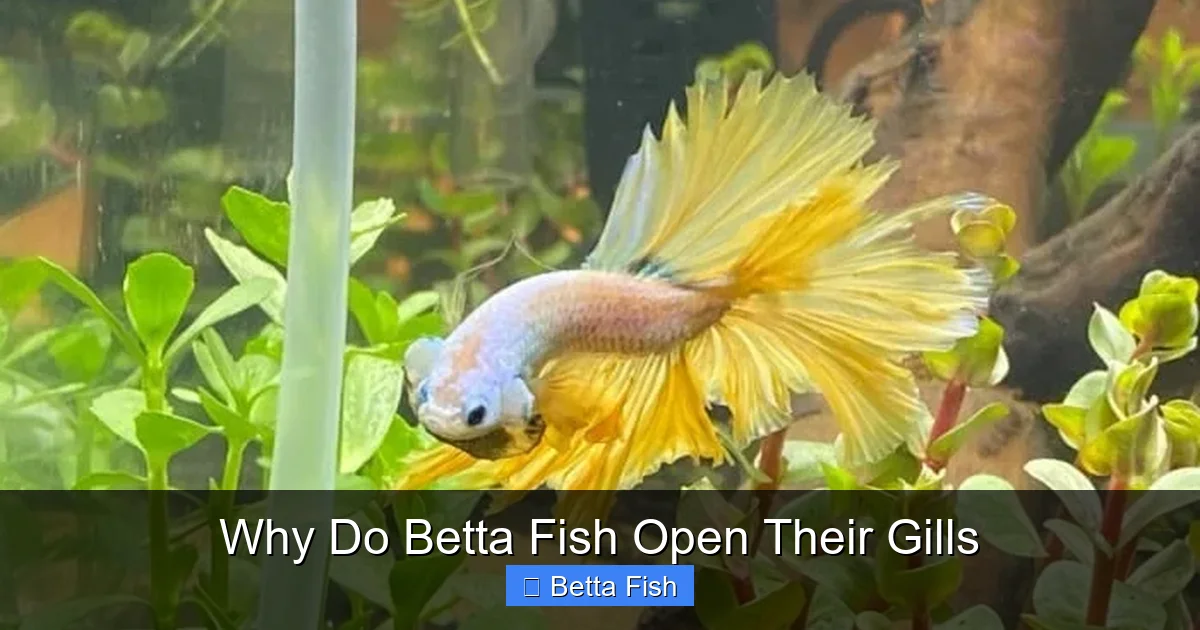
Betta fish, like all fish, rely on gills to extract oxygen from water. Each gill consists of thin filaments covered in tiny blood vessels called capillaries. Water flows over the filaments, oxygen diffuses into the blood, and carbon dioxide moves out.

Visual guide about Why Do Betta Fish Open Their Gills
Image source: aquariumsphere.com
The breathing cycle
When a betta opens its mouth, water is drawn in and pushed over the gills. The fish then closes its mouth, forcing water out through the operculum (the bony flap that covers the gills). This rhythmic opening and closing creates the visible “flapping” motion.
Why the gills look different in bettas
Betta fish have especially colorful gill covers that can match the body’s vivid hues. This makes the movement more noticeable than in many other species, which is why owners often ask about it.
2. Normal Breathing vs. Stress‑Induced Gills
Regular respiration
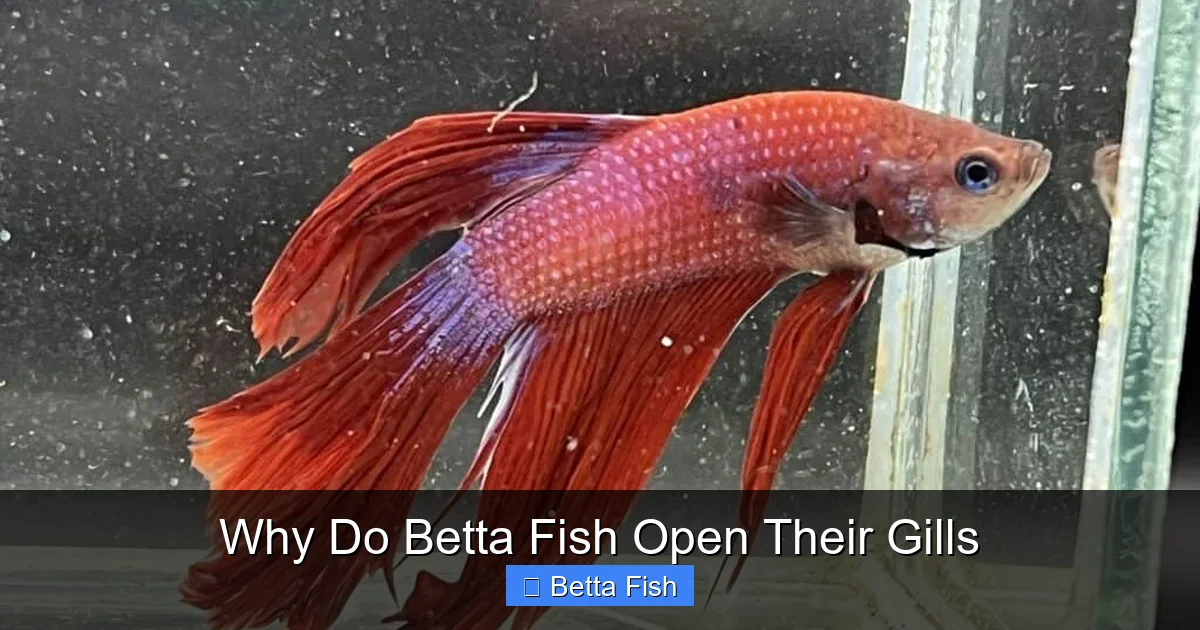
In a well‑maintained tank, a healthy betta will open its gills slowly and regularly—about 3–5 beats per second. You’ll see a gentle rise and fall, almost like a calm sigh.
Visual guide about Why Do Betta Fish Open Their Gills
Image source: aquariadise.com
When the gills race
If the gills start moving faster, it’s usually a sign that the fish is working harder to get oxygen. Common triggers include:
- Low dissolved oxygen (DO) levels
- Cold water temperatures
- High ammonia or nitrite spikes
- Stress from aggression or sudden changes
Rapid gill movement can also accompany other stress signals such as frantic swimming, hiding, or flaring the fins.
3. Environmental Factors That Make Gills Work Overtime
Water temperature
Betta fish are tropical; they thrive between 76°F and 82°F (24°C‑28°C). When the water gets colder, the fish’s metabolism slows, and it must pump more water over its gills to extract the same amount of oxygen. If you notice your betta’s gills opening wider after a night‑time temperature dip, it’s likely a temperature issue.

Visual guide about Why Do Betta Fish Open Their Gills
Image source: petshun.com
Oxygen levels and tank size
Even though bettas can gulp air from the surface thanks to a specialized organ called the labyrinth, they still need clean, oxygen‑rich water. A small, un‑filtered bowl can quickly become oxygen‑poor, forcing the fish to open its gills more often.
Filtration and water flow
Good filtration not only removes waste but also creates gentle water movement that helps oxygen dissolve. However, overly strong currents can stress a betta, causing it to flare its gills as it fights to maintain its position.
Link to related topic
For a deeper dive into tank setup, read what betta fish like in their tank.
4. Health Issues That Show Up as Gills Opening
Fin and tail rot
Infections often cause the fish to breathe faster. Look for white or fuzzy patches on the fins, loss of color, or frayed edges. If you see these alongside rapid gill movement, it may be an early sign of rot.
Ich and external parasites
White spots (ich) irritate the skin and gills, making the fish gasp for air. You might also notice scratching against decorations.
Swim bladder disease
When the swim bladder is compromised, the fish may tilt or float oddly, and it will often open its gills more to keep water moving over the affected area.
Link to disease overview
Need help spotting a sick betta? Check out how do you know if your betta fish is dying for warning signs.
5. Behavioral Reasons for Gills Opening
Territorial flaring
Betas are famous for flaring their fins and gills when they feel threatened. If a new tank mate or a reflection catches their eye, they’ll open the gills wide, puff up the body, and display bright colors. This is a classic “I’m the boss” move.
Mating displays
During courtship, male bettas will flare their gills to impress a female. The movement is slower and more graceful than a stress flare, often paired with bubble‑nest building.
Link to mating behavior
Curious about bubble nests? Learn why do betta fish make bubble nests.
6. Practical Tips to Keep Gills Healthy
Maintain optimal temperature
Invest in a reliable aquarium heater. Test the water daily with a thermometer and aim for the 76‑82°F range.
Regular water changes
Swap out 25‑30% of the tank water every week. This lowers ammonia and nitrite, both of which can cause rapid gill movement.
Check water parameters
Use a test kit to monitor pH (6.5‑7.5), ammonia (0 ppm), nitrite (0 ppm), and nitrate (<20 ppm). Adjust as needed with water conditioners.
Provide gentle flow
Choose a low‑flow filter or a sponge filter that creates a soft current. Position décor to break the flow and give your betta places to rest.
Watch for signs of stress
Combine gill observation with other behaviors: hiding, loss of color, or loss of appetite. Early intervention can prevent serious illness.
Feed a balanced diet
High‑quality betta pellets, occasional frozen or live foods, and feeding only what they can eat in 2‑3 minutes helps keep the digestive system and gills in top shape.
Conclusion: Reading the Gills Like a Pro
Understanding why betta fish open their gills turns a simple observation into a powerful health check. Whether it’s normal breathing, a temperature tweak, or an early warning of disease, the gills give you a window into your fish’s world. By keeping the water clean, the temperature steady, and watching for any sudden changes, you’ll help your betta stay vibrant and stress‑free.
Next time you see those delicate flaps moving, you’ll know exactly what they’re saying—and how to respond.
Frequently Asked Questions
Why does my betta fish open its gills all the time?
Constant gill opening usually points to low oxygen, poor water quality, or temperature that’s too low. Check your heater, filter, and do a water change.
Is rapid gill movement a sign of disease?
It can be. Fast, frantic gill flaring often accompanies infections like ich or fin rot. Look for additional symptoms such as white spots or loss of color.
Do bettas need a heater to keep their gills healthy?
Yes. Betta fish are tropical and thrive at 76‑82°F. A stable temperature reduces the workload on their gills.
Can a betta’s gills flare when it’s happy?
During courtship or when building a bubble nest, a male may gently flare his gills as part of the display. This is normal and not a stress sign.
How can I tell if my betta’s gill opening is due to stress or a water problem?
Observe other behaviors. If the fish is hiding, losing color, or not eating, the cause is likely water‑related. Test ammonia and nitrite levels.
What should I do if my betta’s gills look swollen or discolored?
Swelling or a pinkish hue can indicate infection. Quarantine the fish, treat with a suitable medication, and improve water conditions immediately.