
Why Do Fish Bite Better in the Rain
Rainy weather can turn a dull fishing day into a feeding frenzy. The drop in pressure, cooler water, and fresh insects all make fish more active and hungry. Learn how to use these natural cues to improve your success on the water.
Key Takeaways
- Pressure changes matter: Low atmospheric pressure before a storm triggers feeding behavior.
- Water temperature stabilizes: Rain cools surface water, making fish comfortable and active.
- Insect activity spikes: Falling insects become easy bait, attracting fish to the surface.
- Oxygen levels rise: Rain aerates water, boosting fish metabolism and appetite.
- Adjust your tactics: Use brighter lures, slower retrieves, and deeper presentations during rain.
- Safety first: Stay dry, watch lightning, and keep gear protected.
- Apply the knowledge: Even indoor betta keepers can mimic rainy conditions for healthier fish.
📑 Table of Contents
- Introduction: The Magic of Rain on the Water
- 1. Atmospheric Pressure: The Invisible Trigger
- 2. Temperature and Water Chemistry: A Cool, Comfortable Feast
- 3. Insect Activity: Nature’s Free‑Floating Bait
- 4. Light and Visibility: The Rainy Day Advantage
- 5. Adjusting Your Technique for Wet Weather
- 6. Applying Rain‑Inspired Strategies to Betta Care
- Conclusion: Turn Every Drizzle Into a Win
Introduction: The Magic of Rain on the Water
There’s something almost cinematic about a light drizzle turning a quiet lake into a bustling buffet for fish. If you’ve ever noticed that a sudden downpour seems to make the water come alive, you’re not imagining it. Anglers for generations have whispered about “rain‑time bites,” and modern science is finally catching up.
In this article we’ll break down exactly why fish bite better in the rain, explore the underlying science, and give you practical, easy‑to‑apply tips. Whether you’re a seasoned bass hunter or a betta enthusiast curious about natural feeding cues, you’ll walk away with clear actions you can use tomorrow.
1. Atmospheric Pressure: The Invisible Trigger
What is barometric pressure?
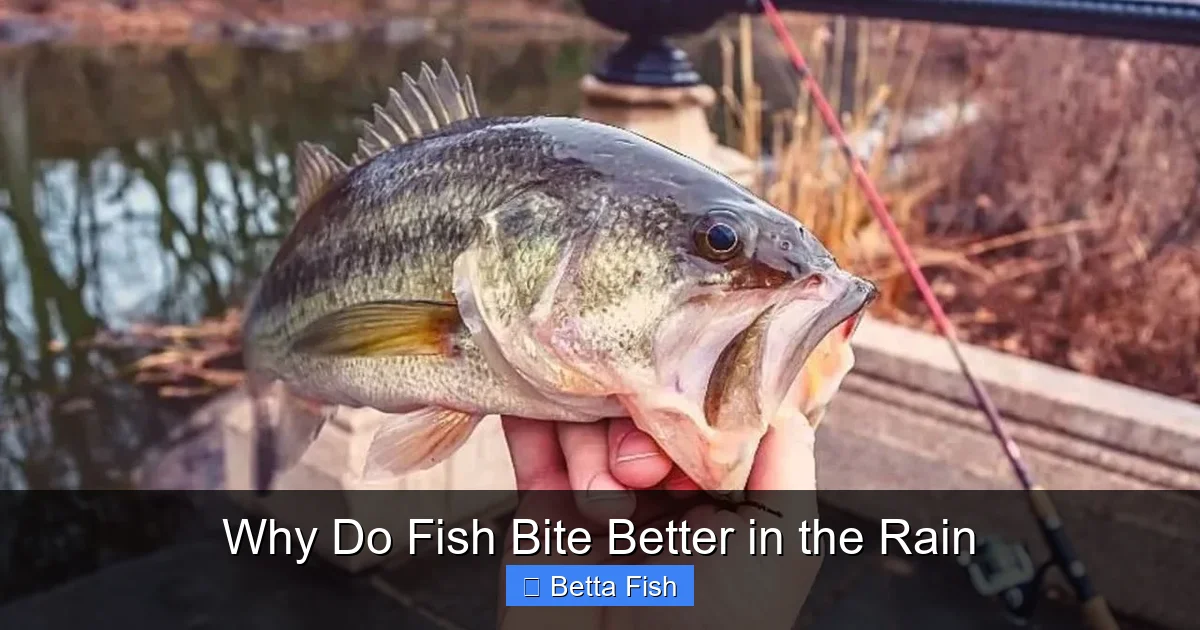
Barometric pressure is the weight of the air above us. Before a storm, this pressure drops, signaling a change in weather. Fish have tiny “pressure receptors” in their swim bladders that sense these shifts.
Visual guide about Why Do Fish Bite Better in the Rain
Image source: launchknowledge.com
Why low pressure = more bites
When pressure falls, many species—especially predatory ones like bass, pike, and walleye—interpret it as a cue that food will become abundant. It’s an ancient survival instinct: storms bring insects, small fish, and debris that are easy meals.
For a deeper dive into pressure’s role, see our article on do fish bite better in high or low pressure. Understanding this helps you plan the perfect rainy‑day outing.
2. Temperature and Water Chemistry: A Cool, Comfortable Feast
Rain cools the surface
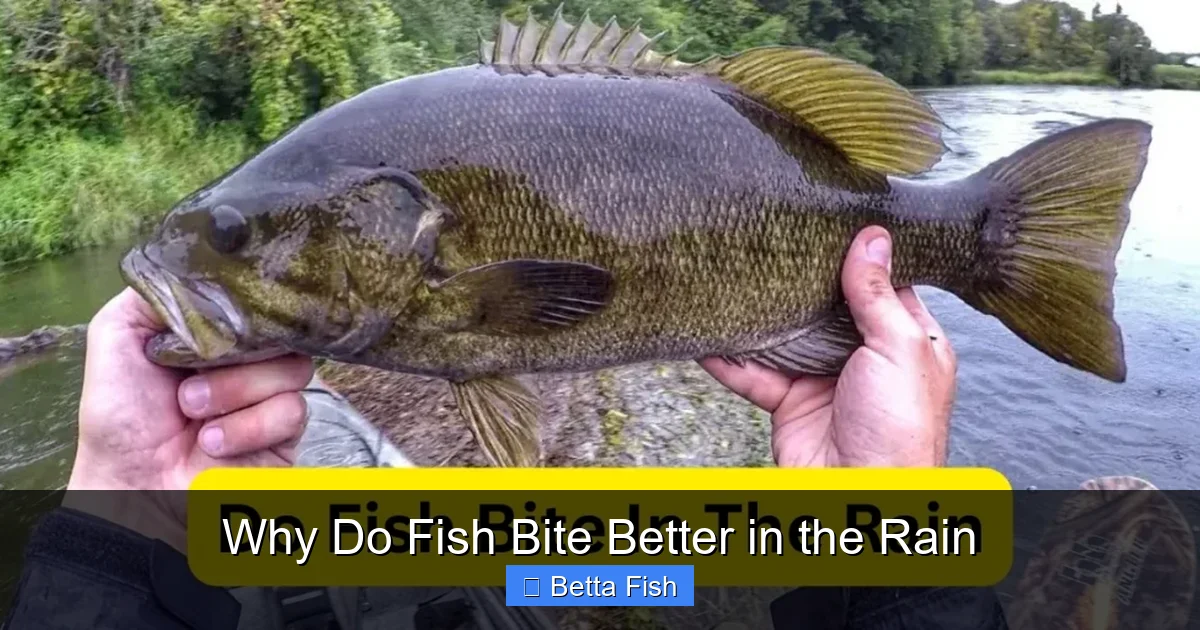
Rainwater is usually colder than the sun‑warmed top layer of a lake or pond. As it falls, it mixes and lowers the surface temperature, creating a thin “thermal blanket.” This cooling reduces stress on fish, allowing them to move more freely and chase prey.
Visual guide about Why Do Fish Bite Better in the Rain
Image source: ninetubes.com
Oxygen gets a boost
Each raindrop creates a tiny splash, injecting air into the water. The result? Higher dissolved oxygen levels. More oxygen means faster metabolism, which translates to a bigger appetite.
3. Insect Activity: Nature’s Free‑Floating Bait
Insects love the rain
Many insects, such as mayflies, caddisflies, and midges, hatch or become active right after rain. They either fall directly into the water or land on the surface, becoming instant, irresistible targets for fish.
Visual guide about Why Do Fish Bite Better in the Rain
Image source: i.ytimg.com
How to mimic the effect
When you’re on the water, use bright, floating lures that imitate these insects. Small surface spinners, soft plastic “imitation flies,” or even a simple piece of bread can trigger a strike.
4. Light and Visibility: The Rainy Day Advantage
Diffuse lighting
Cloud cover and rain scatter sunlight, reducing glare on the water. This makes it easier for fish to see silhouettes and movement, especially in murky or stained water.
Choosing the right color
During overcast conditions, brighter colors (chartreuse, orange, hot pink) stand out better. Pair them with a slow, steady retrieve to let the fish lock on.
5. Adjusting Your Technique for Wet Weather
Gear protection
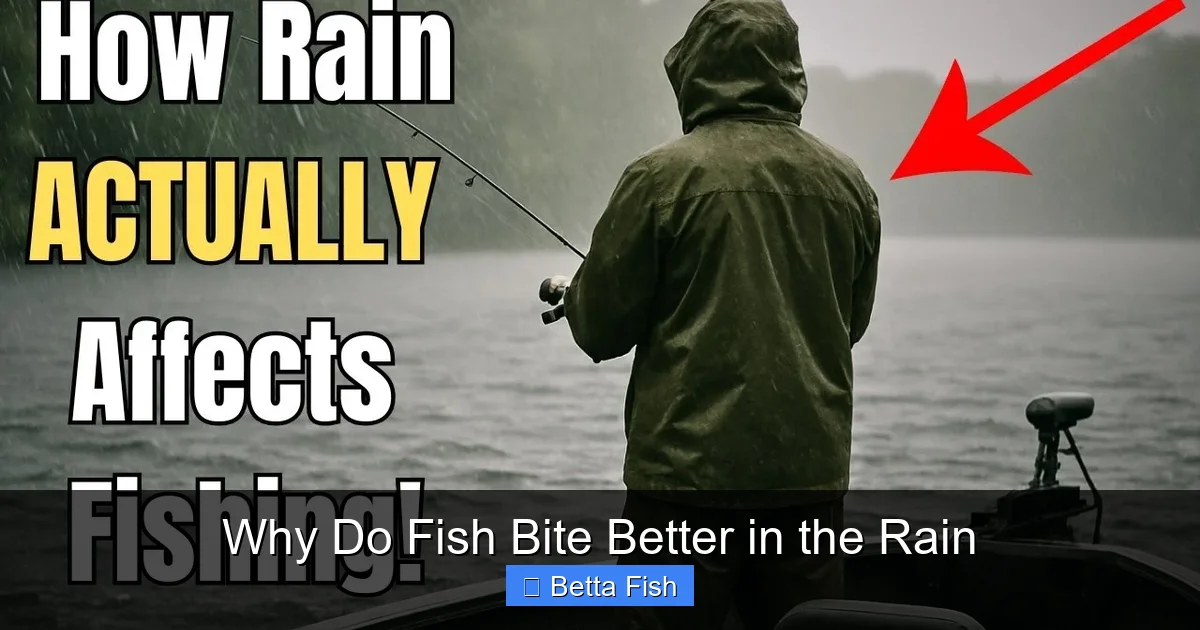
Rain can be harsh on rods, reels, and electronics. Use waterproof covers, dry bags, and keep spare line dry inside a sealed container.
Presentation tweaks
- Depth control: Drop your lure a few feet deeper than usual; rain often drives fish to mid‑water columns.
- Slower retrieve: Fish are more lethargic in cooler water, so a gentle, pause‑filled retrieve works best.
- Use scent: Adding a dab of fish oil or natural bait scent can compensate for reduced visual cues.
6. Applying Rain‑Inspired Strategies to Betta Care
Why bettas love a “rainy” environment
Even though bettas live in small containers, they benefit from occasional water changes that mimic rain. Fresh, oxygen‑rich water stimulates natural feeding and reduces stress.
Practical tip
When performing a water change, gently pour a cup of cool, dechlorinated water over the surface. The tiny bubbles and temperature drop simulate a light shower, encouraging your betta to explore and eat.
For more about betta habitats, check out where do betta fish live in the wild. Understanding their natural preferences helps you create a healthier tank.
Conclusion: Turn Every Drizzle Into a Win
Rain isn’t just a weather inconvenience; it’s a powerful catalyst that awakens fish, boosts oxygen, and delivers a constant stream of natural bait. By recognizing the roles of pressure, temperature, insect activity, and light, you can adapt your gear, lures, and techniques to make the most of every wet spell.
Next time the sky darkens, grab your rain jacket, protect your gear, and head out with confidence. The fish are already waiting—ready to bite better than ever.
Frequently Asked Questions
Why do fish become more active during rain?
Rain lowers surface temperature, increases oxygen, and brings insects into the water, all of which stimulate feeding activity.
Does low atmospheric pressure really affect fish behavior?
Yes. Low pressure before a storm signals fish that food will be plentiful, prompting them to feed more aggressively.
Can I fish safely during heavy rain?
Yes, but stay aware of lightning, keep electronics dry, and choose sturdy, slip‑resistant footwear.
What types of lures work best in rainy conditions?
Bright, surface‑action lures that imitate insects—like spinners, soft flies, or small jigs—are most effective.
How does rain affect dissolved oxygen levels?
Each raindrop creates a tiny splash that injects air, raising dissolved oxygen and boosting fish metabolism.
Can I replicate rainy conditions for my betta fish?
Yes. A gentle pour of cool, oxygen‑rich water during a water change mimics rain and can encourage feeding.