What Can I House with a Betta Fish
Looking to share your betta’s home? You can safely house a variety of small, peaceful fish, snails, and live plants alongside your betta—if you choose the right companions and set up the tank properly. This guide walks you through compatible mates, tank setup, and maintenance tips for a happy, healthy community.
Key Takeaways
- Size matters: Keep the tank at least 10 gallons to give your betta space and reduce aggression.
- Choose peaceful mates: Small, non‑fin‑nipping fish, snails, and shrimp are the safest options.
- Plants are allies: Live plants provide hiding spots and improve water quality.
- Watch water parameters: Consistent temperature (78‑80 °F) and low nitrate are crucial for all inhabitants.
- Introduce slowly: Acclimate new tank mates gradually to avoid stress and territorial fights.
- Monitor behavior: Daily observation helps catch early signs of stress or aggression.
- Regular maintenance: Weekly water changes and filter cleaning keep the community thriving.
📑 Table of Contents
- Introduction: Sharing a Home with a Betta
- 1. Tank Size and Setup: The Foundation for Compatibility
- 2. Choosing Compatible Fish
- 3. Invertebrates: Snails and Shrimp as Peaceful Tank Mates
- 4. Live Plants: The Unsung Heroes
- 5. Creating a Balanced Community Layout
- 6. Ongoing Care and Maintenance
- Conclusion: A Harmonious Home Is Possible
Introduction: Sharing a Home with a Betta
Betta fish—also called Siamese fighting fish—are famous for their vivid colors and flowing fins. Many hobbyists think they must live alone, but with the right approach, a betta can coexist peacefully with other tank inhabitants. The key is understanding the betta’s temperament, providing plenty of space, and selecting compatible companions.
In this article we answer the question “what can i house with a betta fish?” by exploring suitable fish, invertebrates, plants, and décor. You’ll learn how to set up a community tank that looks beautiful and stays stress‑free for every resident.
1. Tank Size and Setup: The Foundation for Compatibility
Why a 10‑gallon minimum?
Betta fish are territorial, especially males. A cramped 5‑gallon bowl leaves little room for a betta to establish its own area, increasing the risk of aggression toward any newcomer. A 10‑gallon (or larger) tank provides distinct zones—open swimming space, planted corners, and hiding spots—allowing the betta to claim a favorite spot while still feeling secure.

Visual guide about What Can I House with a Betta Fish
Image source: images-wixmp-ed30a86b8c4ca887773594c2.wixmp.com
Filtration and Water Flow
Betas prefer calm water, but a gentle filter is essential for ammonia removal. Choose a sponge filter or a low‑flow hang‑on‑back unit. Adjust the flow so it creates only gentle ripples; you can diffuse the output with a pre‑filter sponge or a spray bar.
Temperature and pH
Maintain a steady temperature between 78‑80 °F (25‑27 °C) using an aquarium heater. Keep pH in the 6.5‑7.5 range and monitor hardness (KH 3‑5 dKH). Consistency is crucial because sudden changes stress both the betta and any tank mates.
2. Choosing Compatible Fish
When you ask “what can i house with a betta fish?” the most common answer is: small, non‑aggressive fish that won’t nip the betta’s fins. Below are the top choices, plus a few you should avoid.

Visual guide about What Can I House with a Betta Fish
Image source: news.radiko.jp
Best Small Community Fish
- Neon Tetras: Their bright stripe adds color without threatening the betta. Keep them in groups of six or more.
- Harlequin Rasboras: Peaceful schooling fish that swim in the mid‑level, leaving the surface for the betta.
- Corydoras Catfish: Bottom‑dwelling cleaners that are too busy digging to bother a betta.
- Endler’s Livebearers: Small, fast swimmers that usually get along well with bettas.
- White Cloud Mountain Minnows: Hardy and active, they thrive in cooler water but can adapt to the betta’s range.
These options are featured in our detailed guide on What Fish Can Live With A Betta, which provides deeper species profiles.
Fish to Avoid
- Fin‑nippers such as Guppies, Tiger Barbs, and Bettas of the same gender.
- Large, aggressive species like Cichlids or larger Gouramis.
- Any fish that require significantly different water parameters (e.g., African cichlids needing higher pH).
3. Invertebrates: Snails and Shrimp as Peaceful Tank Mates
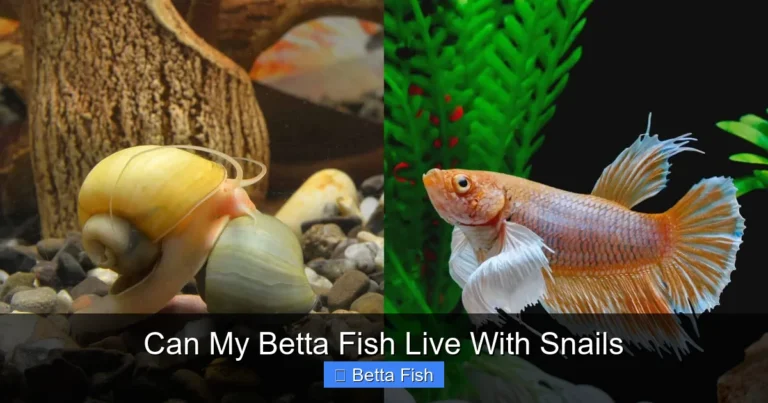
Snails and shrimp are excellent additions when you wonder “what can i house with a betta fish?” because they help clean algae and waste while staying out of the betta’s way.

Visual guide about What Can I House with a Betta Fish
Image source: i.ytimg.com
Snails
- Apple Snails: Large enough not to be seen as food, they graze on algae and leftover food.
- Nerite Snails: Excellent algae eaters; their hard shells protect them from any curious betta.
- Ramshorn Snails: Small and active, they can coexist if the betta isn’t overly inquisitive.
Read more about snail compatibility in Can You Have A Snail With A Betta Fish.
Freshwater Shrimp
Ghost shrimp and Cherry shrimp are popular because they scavenge uneaten food and are quick enough to avoid a betta’s curiosity. Provide plenty of hiding places—plants, moss, and shrimp tubes—to keep them safe.
4. Live Plants: The Unsung Heroes
Live plants answer the question “what can i house with a betta fish?” by creating natural barriers and improving water quality.
Best Plants for Betta Community Tanks
- Java Fern (Microsorum pteropus): Attaches to rocks or driftwood, offering a soft surface for the betta to rest.
- Anubias: Tough leaves that resist betta nibbling; perfect for the back of the tank.
- Marimo Moss Balls: Fun, low‑maintenance “ball” that also provides a hiding spot for shrimp.
- Amazon Sword: Tall, leafy plant that creates a vertical barrier.
- Floating Plants (e.g., Duckweed, Frogbit): Provide surface cover, reducing the betta’s need to constantly patrol the top.
For a full plant list, see What Can Go In A Tank With A Betta Fish.
5. Creating a Balanced Community Layout
Zoning the Tank
Divide the aquarium into three zones:
- Surface Zone: Open swimming area for the betta and mid‑level fish.
- Mid‑Level Zone: Schooling fish like tetras and rasboras.
- Bottom Zone: Corydoras and snails hide among substrate and plants.
Use rocks, driftwood, and plants to create visual breaks. This reduces line‑of‑sight aggression and gives each species a “home base.”
Introducing New Residents
Acclimate each new fish or invertebrate with a drip or bag method over 30‑60 minutes. Release them near a plant or decoration rather than in the open water to let the betta see them as part of the environment, not an intruder.
Monitoring and Adjusting
Watch the betta for signs of stress—dull color, clamped fins, or constant flaring. If aggression spikes, consider rearranging décor or adding more plants for cover. In extreme cases, a separate tank may be the humane choice.
6. Ongoing Care and Maintenance
Water Changes
Perform 25‑30% water changes weekly. Use conditioned water that matches tank temperature and pH. This keeps nitrate levels low, which benefits both the betta and its companions.
Feeding
Offer a varied diet: high‑quality betta pellets, frozen or live daphnia, and occasional brine shrimp. Feed small amounts 2‑3 times daily, removing uneaten food after a few minutes to prevent water fouling.
Health Checks
Inspect fins for fraying, look for white spots (ich), and monitor appetite. If a new tank mate shows signs of illness, quarantine it immediately to protect the entire community.
Conclusion: A Harmonious Home Is Possible
Answering “what can i house with a betta fish?” isn’t a one‑size‑fits‑all formula, but with a spacious tank, gentle filtration, and carefully chosen mates, your betta can thrive alongside peaceful fish, snails, shrimp, and lush plants. Start small, observe closely, and adjust as needed—your community aquarium will reward you with vibrant colors, lively behavior, and a sense of accomplishment.
Frequently Asked Questions
Can I keep a male betta with other fish?
Yes, a male betta can live with small, non‑aggressive fish such as neon tetras or rasboras if the tank is at least 10 gallons and there are plenty of hiding spots.
Are snails safe for a betta tank?
Snails like nerites and apple snails are generally safe and help control algae. Provide enough plants or decorations for them to hide if the betta shows curiosity.
What plants are best for a betta community tank?
Hardy plants such as Java fern, Anubias, and floating duckweed work well. They create shelter and improve water quality without being easily damaged by the betta.
How often should I change the water in a community betta tank?
Replace 25‑30% of the water each week, using conditioned water that matches the tank’s temperature and pH to keep nitrate levels low.
Can I keep goldfish with a betta?
Goldfish are not recommended because they produce a lot of waste and require cooler water temperatures, which can stress a betta.
What should I do if my betta becomes aggressive toward new tank mates?
Observe the behavior for a few days. If aggression continues, rearrange the tank décor to break line‑of‑sight, add more plants, or consider moving the betta to a separate tank.