Why Do Betta Fish Jump Out of Tank
Betta fish often jump out of their tanks because of stress, poor water conditions, or simply curiosity. Identifying the cause and making quick adjustments—like covering the tank, improving water quality, and providing proper enrichment—can prevent dangerous escapes.
Key Takeaways
- Stress triggers jumps: Loud noises, sudden movements, and aggressive tank mates can make a betta leap.
- Water quality matters: High ammonia, low temperature, or improper pH can cause panic‑driven jumps.
- Tank size and cover are crucial: A cramped, uncovered tank invites escape attempts.
- Enrichment reduces boredom: Plants, caves, and bubble nests give bettas a reason to stay.
- Regular monitoring prevents problems: Check parameters and behavior daily to catch issues early.
- Quick response saves lives: If a betta does jump, act fast with a safe recovery plan.
- Proper setup eliminates most causes: Following best‑practice tank setup guidelines keeps jumps rare.
📑 Table of Contents
Introduction
Betta fish are famous for their dazzling fins and feisty personalities, but many owners are startled when their little warrior suddenly launches itself out of the water. It’s not just a funny video clip—it can be a sign that something in the tank is wrong. In this article we’ll explore why do betta fish jump out of tank, what the warning signs look like, and how you can create a safe, comfortable home that keeps those jumps to a minimum.
Think of your betta like a tiny explorer. If the environment feels unsafe, too hot, or simply boring, it will try to find a way out. By understanding the root causes and taking a few simple steps, you’ll turn a potential disaster into a happy, healthy aquarium.
1. Common Reasons Betta Fish Jump
1.1 Stress From the Environment
Betta fish are highly sensitive to sudden changes. Loud music, vibrations from a nearby blender, or a cat walking past the tank can startle them. When they feel threatened, the instinctive “flight” response can be a literal jump.

Visual guide about Why Do Betta Fish Jump Out of Tank
Image source: aquariumsphere.com
1.2 Poor Water Conditions
Bad water is the number one culprit. High ammonia, nitrite spikes, low temperature (why do betta fish jump out of tank often relates to cold water shock), or incorrect pH can make a betta feel suffocated. A quick test with a liquid kit will tell you if parameters are out of range.
1.3 Inadequate Tank Size or Cover
Betas need room to swim. A bowl or a 2‑gallon tank leaves little space, and the open top acts like a trampoline. Without a lid, a curious betta may test the surface and end up airborne.
1.4 Boredom and Lack of Enrichment
These fish love to explore. If the tank is empty, they may jump in search of “new territory.” Adding live plants, driftwood, or a bubble nest can satisfy their exploratory urges.
1.5 Aggressive Tank Mates
Even though bettas are often kept alone, some owners try to house them with snails or peaceful tetras. If a mate nips at the fins, the betta may try to escape the perceived threat.
2. How to Prevent Jumps
2.1 Use a Secure Lid
The simplest solution is a tight‑fitting mesh or glass lid. Make sure there are no gaps for a betta to slip through. A lid also helps maintain temperature and reduces evaporation.

Visual guide about Why Do Betta Fish Jump Out of Tank
Image source: vivariumtips.com
2.2 Optimize Water Quality
Perform weekly 20‑30% water changes, use a reliable filter, and test water weekly. Aim for:
- Ammonia: 0 ppm
- Nitrite: 0 ppm
- Nitrate: < 20 ppm
- pH: 6.5‑7.5
- Temperature: 78‑80°F (25‑27°C)
For more details on water parameters, see our guide on What Type Of Water Do Betta Fish Need.
2.3 Choose the Right Tank Size
A minimum of 5 gallons is recommended for a single betta. Larger tanks dilute waste, keep temperature stable, and provide more swimming space, reducing the urge to leap.
2.4 Add Enrichment
Introduce silk plants, a small cave, or a piece of floating leaf. These give the betta places to hide and explore, satisfying its natural curiosity.
2.5 Keep the Environment Calm
Place the tank away from high‑traffic areas, loud speakers, and direct sunlight. If you have a heater, make sure it’s not making loud bubbling noises that could startle the fish.
3. What to Do If Your Betta Jumps
3.1 Immediate Recovery Steps
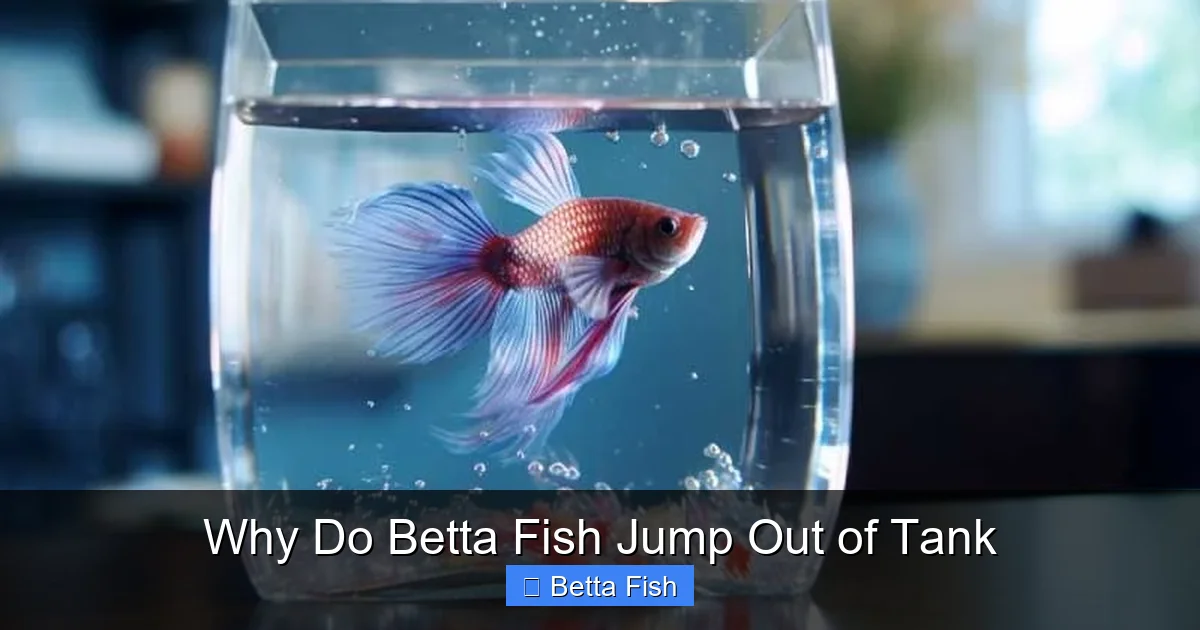
Act quickly but gently. Fill a small container with water from the tank (same temperature and parameters). Scoop the fish with a soft net or your hands, being careful not to damage the delicate fins. Transfer it back to the tank as fast as possible.
Visual guide about Why Do Betta Fish Jump Out of Tank
Image source: bettafishnest.com
3.2 Check for Injuries
Look for torn fins, bruises, or signs of stress (rapid gill movement). If injuries are severe, consider a quarantine tank with clean water and a low‑dose antibacterial treatment.
3.3 Re‑evaluate Tank Conditions
After a jump, re‑test water, inspect the lid, and make sure the temperature is stable. Often the jump is a symptom, not the problem itself.
4. Frequently Overlooked Causes
4.1 Sudden Temperature Drops
Even a few degrees drop can shock a betta, making it frantic. Drafts from windows or air conditioners are common culprits.
4.2 Overfeeding and Food Spit‑Out
When bettas are overfed, they may become bloated and uncomfortable, leading to erratic swimming and jumps. Learn more about feeding habits in our article How Do You Feed A Betta Fish.
4.3 Incompatible Decorations
Sharp ornaments can injure fins, causing pain that triggers a jump. Always choose smooth, betta‑safe decor.
5. Long‑Term Health Benefits of a Jump‑Free Tank
5.1 Better Growth and Coloration
Stable water and low stress mean the betta can display its full color palette, making it a true showpiece.
5.2 Longer Lifespan
Stress‑related diseases, like fin rot and ich, are less likely when the fish feels safe. A well‑maintained tank can give a betta a lifespan of 3‑5 years.
5.3 Peace of Mind for the Owner
No more frantic rescues. A secure tank lets you enjoy watching your betta’s graceful flares and bubble nests without fear.
Conclusion
Understanding why do betta fish jump out of tank is the first step toward keeping your prized pet safe. By controlling stressors, maintaining pristine water, providing adequate space, and adding enrichment, you create an environment where jumping is unnecessary. Remember to use a secure lid, monitor water parameters, and react quickly if a jump does happen. With these simple strategies, your betta will stay where it belongs—gliding majestically in its own little kingdom.
Frequently Asked Questions
Why does my betta fish keep jumping out of the tank?
Common reasons include stress from noise or vibrations, poor water quality, insufficient tank size, lack of a lid, and boredom.
Can a betta survive after jumping out of the tank?
Yes, if you act quickly. Gently place the fish back in water of the same temperature and check for injuries.
How can I tell if my betta is stressed?
Signs of stress are rapid gill movement, faded colors, frantic swimming near the surface, and frequent jumping attempts.
Do I need a heater to prevent my betta from jumping?
A stable temperature (78‑80°F) is essential. Sudden drops can cause panic jumps, so a reliable heater helps keep the water steady.
Is a tank lid enough to stop jumps?
A tight‑fitting lid is the most effective barrier, but you also need good water quality and enrichment to address the underlying causes.
What should I do if my betta jumps and seems injured?
Transfer it to a quarantine tank with clean, temperature‑matched water, observe for fin damage, and consider a mild antibacterial treatment if needed.