Why Does My Betta Fish Tank Get Cloudy

Cloudy water in a betta tank is usually a sign of imbalance, not a mystery. By checking filtration, feeding habits, and tank maintenance, you can clear up the water fast and keep your betta thriving.
Key Takeaways
- Overfeeding is a top culprit: excess food fuels bacteria that turn water milky.
- Improper cycling creates “new tank syndrome”: without enough good bacteria, waste clouds the water.
- Inadequate filtration or aeration: tiny particles stay suspended, making the tank look foggy.
- Dirty substrate and décor: decaying plant matter or uneaten food settle and cloud the water.
- Water changes are essential: regular 25‑30% changes reset parameters and reduce cloudiness.
- Test kits help pinpoint problems: ammonia, nitrite, nitrate, and pH spikes often accompany cloudiness.
- Preventive routine beats reactive cleaning: a simple weekly schedule keeps the water clear and your betta happy.
📑 Table of Contents
Introduction: When Your Betta’s Home Looks Like a Foggy Day
If you’ve ever looked into a betta tank and seen a milky, hazy swirl instead of clear blue, you’re not alone. Many new betta owners wonder, why does my betta fish tank get cloudy? The short answer is that something in the water cycle is out of balance. The good news? Most of the time you can fix it with a few easy steps.
In this article we’ll walk through the most common reasons for cloudy water, how to diagnose the problem, and a step‑by‑step plan to restore crystal‑clear conditions. We’ll also share tips to prevent future cloudiness, so you can spend more time enjoying your betta’s vibrant colors and less time scrubbing the glass.
1. The Science Behind Cloudy Water
What actually makes water look cloudy?
Cloudiness is usually caused by tiny particles suspended in the water. These particles can be:

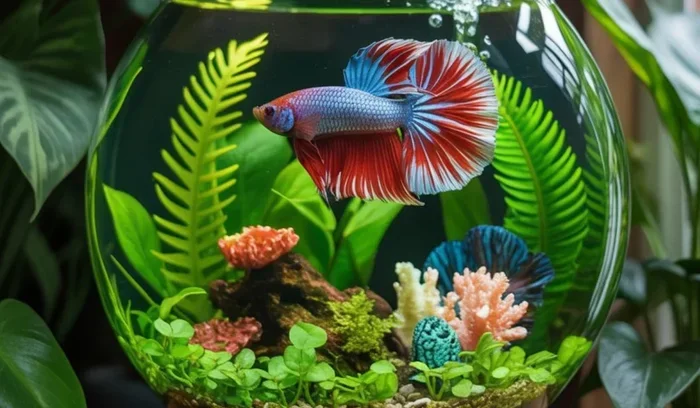
Visual guide about Why Does My Betta Fish Tank Get Cloudy
Image source: petshun.com
- Uneaten food that has broken down into fine bits.
- Bacterial blooms – a rapid increase in beneficial bacteria that haven’t yet settled.
- Organic waste from plants, décor, or the substrate.
- Fine dust from tap water or unfiltered additives.
When the particles are too small to settle, they scatter light and give the water a milky appearance. This is different from algae (green film) or a chemical “film” caused by hard water.
Why a betta’s tank is especially prone
Betta fish are often kept in smaller tanks or bowls, which means less water volume to dilute waste. A tiny misstep—like a little extra food—has a big impact. Also, many hobbyists skip the cycling process because they think bettas can live in “unfiltered” setups. Skipping cycling removes the natural bacterial filter that keeps waste invisible.
2. Common Causes of Cloudiness
2.1 Overfeeding and Food Waste
Betta fish have small stomachs. Feeding more than they can eat in two minutes leads to leftover bits that dissolve and feed bacterial growth. Over time, this creates a white, cloudy swirl.

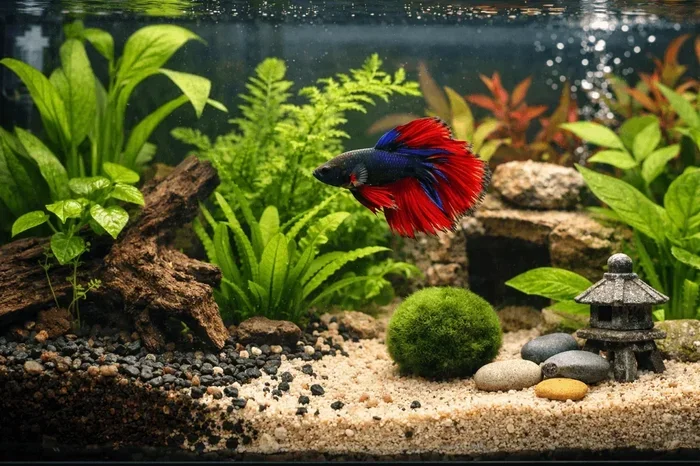
Visual guide about Why Does My Betta Fish Tank Get Cloudy
Image source: theaquariumlife.com
Tip: Offer only what your betta can consume in 2‑3 minutes, once or twice a day. Use a feeding ring to keep food localized.
2.2 Incomplete or Improper Cycling
New tanks need a “nitrogen cycle” where beneficial bacteria convert toxic ammonia → nitrite → nitrate. If you skip this step, ammonia spikes cause stress and the water turns milky as bacteria multiply rapidly.
Read more about water cloudiness in our article Why Is My Betta Fish Water Cloudy for a deep dive on cycling.
2.3 Poor Filtration or No Filtration
Even a small sponge filter can keep particles from staying suspended. Without any flow, waste settles slowly and then gets stirred up each time you feed, keeping the water hazy.
Consider a gentle hang‑on‑back filter rated for 2‑5 gallons, or a mini power filter with adjustable flow.
2.4 Dirty Substrate and Décor
Gravel, sand, and live plants can trap food and waste. When you clean the tank, you may inadvertently stir up settled debris, creating a temporary cloud.
Rinse substrate with dechlorinated water and vacuum the bottom during weekly water changes.
2.5 Tap Water Issues
Hard water high in minerals can cause a “chemical haze.” Using a water conditioner that removes chlorine, chloramine, and heavy metals helps, but you may also need a reverse‑osmosis (RO) system for very hard water.
3. Diagnosing the Problem
3.1 Test Your Water
Grab a liquid test kit and check for:
- Ammonia (should be 0 ppm)
- Nitrite (should be 0 ppm)
- Nitrate (under 20 ppm for bettas)
- pH (6.5‑7.5 is ideal)
If any of these are out of range, you’ve identified the root cause.
3.2 Observe Feeding and Behavior
Watch how quickly your betta eats. If food is left floating after a few minutes, cut back the amount. Also note any signs of stress—gasping at the surface, faded colors, or frantic swimming—because they often accompany poor water quality.
3.3 Check Filtration Flow
Place a finger near the filter outlet. You should feel a gentle current. If the flow is too weak, consider cleaning the filter media or upgrading to a slightly stronger pump.
4. Step‑by‑Step Fix for Cloudy Water
Step 1: Immediate Partial Water Change
Perform a 25‑30% water change using dechlorinated water at the same temperature as the tank. This dilutes excess waste and reduces cloudiness instantly.
Step 2: Vacuum the Substrate
Use a siphon to gently lift the gravel. Remove any visible debris. This prevents settled food from re‑suspending.
Step 3: Adjust Feeding Routine
Feed a tiny amount—about the size of a pea—once or twice daily. If you use frozen or live foods, rinse them first.
Step 4: Boost Filtration
If you have no filter, add a small sponge filter. If you already have one, rinse the media in tank water (not tap water) to retain beneficial bacteria.
Step 5: Re‑Cycle If Needed
If ammonia or nitrite is present, start a rapid cycle using a bacterial starter supplement. Follow the product instructions and test daily.
Step 6: Establish a Maintenance Schedule
• Weekly: 25% water change, substrate vacuum, filter rinse.
• Bi‑weekly: Test water parameters.
• Monthly: Deep clean décor, replace filter media if needed.
5. Preventing Future Cloudiness
5.1 Consistent Water Changes
Regular changes keep nitrate low and remove microscopic particles before they multiply.
5.2 Proper Stocking Density
Only one male betta per tank. Adding other fish can increase waste load and stress, leading to cloudy water.
5.3 Use of Live Plants
Plants like Anubias or Java fern absorb nitrates and provide natural filtration, helping keep water clear.
5.4 Monitor Temperature and Lighting
Keep the tank at 76‑80°F (24‑27°C). Excess heat speeds bacterial growth, while too much light can promote algae, which sometimes confuses the cloudiness issue.
Conclusion
Understanding why does my betta fish tank get cloudy boils down to recognizing the balance between waste production and waste removal. By feeding responsibly, maintaining a proper nitrogen cycle, using adequate filtration, and performing regular water changes, you’ll keep the water crystal clear and your betta vibrant. Remember, a clear tank isn’t just pretty—it’s a sign of a healthy environment where your betta can thrive for years to come.
Frequently Asked Questions
Why does my betta tank become cloudy after a water change?
New water can stir up settled particles, and if the substrate wasn’t fully cleaned, the disturbance makes the water look milky temporarily.
Can cloudy water be a sign of disease?
Usually not. Cloudiness is a water‑quality issue, but stressed fish are more prone to illness, so always monitor your betta’s behavior.
How often should I change the water to prevent cloudiness?
A 25‑30% change every week is ideal for a small betta tank. Adjust frequency if you notice a spike in nitrate levels.
Is a filter necessary for a single betta?
Yes. Even a small sponge filter provides flow and a surface for beneficial bacteria, drastically reducing the chance of cloudy water.
What type of substrate is best for clear water?
Fine sand or smooth gravel that’s easy to vacuum works well. Avoid overly porous rocks that trap waste.
Can I use a water clarifier to fix cloudiness?
Clarifiers can temporarily clear the water but won’t solve the underlying cause. Focus on feeding, filtration, and regular maintenance instead.