Which Is Better Fish Oil or Olive Oil
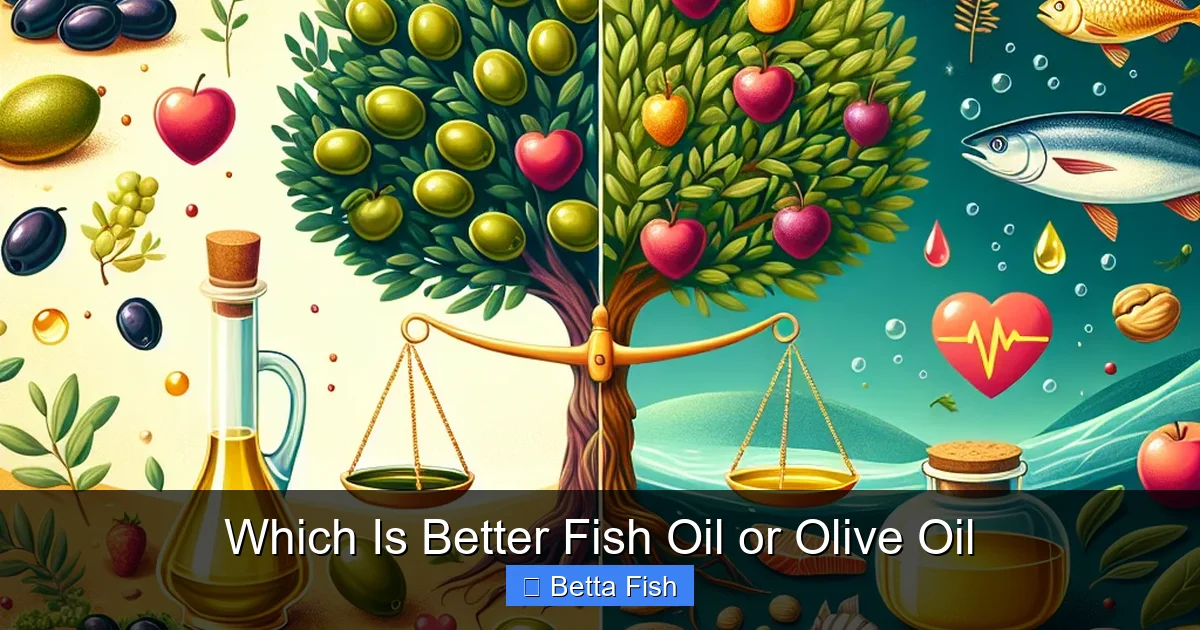
When it comes to your betta fish, fish oil is almost always the superior choice for targeted health benefits. Rich in essential EPA and DHA omega-3s, fish oil directly supports vibrant coloration, fin development, and immune function—critical needs for a carnivorous betta. While high-quality olive oil offers beneficial monounsaturated fats and antioxidants for overall wellness, it lacks the specific long-chain omega-3s bettas require from their natural diet. Neither should be a dietary staple; both are powerful supplements to be used sparingly alongside a high-protein, species-appropriate base diet.
As a dedicated betta fish owner, you want nothing more than to see your vibrant Siamese fighter thriving—with flowing fins, brilliant colors, and an active, curious personality. You’ve probably heard about adding oils to your fish’s diet for health boosts. But then comes the confusing question: which is better, fish oil or olive oil for your betta? It’s a great question, because the answer isn’t as simple as “one is good, one is bad.” It’s about understanding your betta’s unique biology as a carnivorous predator and matching it with the right nutritional tools. Let’s dive deep, separating marketing hype from aquatic science, to give you a clear, actionable answer.
Key Takeaways
- Fish oil is primary for bettas: Its EPA and DHA omega-3s are essential for a carnivore’s immune system, inflammation control, and stunning color expression.
- Olive oil is a secondary supplement: Its monounsaturated fats and antioxidants (like oleocanthal) support general health but don’t replace the need for animal-based omega-3s.
- Dosage is critical: For a betta, a tiny drop (less than 0.1ml) mixed into food 1-2 times per week is sufficient. Over-supplementation causes fatty liver and water quality issues.
- Quality matters immensely: Use cold-pressed, extra virgin olive oil and molecularly distilled, pharmaceutical-grade fish oil to avoid toxins and rancidity.
- It’s a supplement, not a meal: Oils must complement a base diet of high-quality betta pellets, frozen brine shrimp, or daphnia, not replace them.
- Watch for reactions: Introduce any new oil slowly. Signs of distress include lethargy, clamped fins, or cloudy water from uneaten, oil-coated food.
- Storage is non-negotiable: Both oils must be refrigerated after opening and used within their shelf life to prevent oxidation, which is harmful to fish.
📑 Table of Contents
- The Betta’s Biological Blueprint: Why Their Diet Is Unique
- Fish Oil: The Direct Source of Essential Omega-3s
- Olive Oil: The Plant-Based Powerhouse with Limits
- Direct Comparison: Fish Oil vs. Olive Oil for Bettas
- How to Safely & Effectively Incorporate Oils Into Your Betta’s Diet
- Beyond Oils: Building the Complete, Optimal Betta Diet
- The Final Verdict: Making Your Choice
The Betta’s Biological Blueprint: Why Their Diet Is Unique
Before we compare oils, we must understand the betta fish (Betta splendens). In the wild, bettas are surface-dwelling predators in the rice paddies and slow-moving streams of Southeast Asia. Their diet consists almost exclusively of insects, insect larvae (like bloodworms), and tiny crustaceans. This makes them obligate carnivores—their bodies are biologically designed to derive essential nutrients from animal protein and fat, not plant matter.
The Crucial Role of Fatty Acids
Like all animals, bettas cannot synthesize certain fatty acids and must obtain them from their diet. These are called Essential Fatty Acids (EFAs). The most critical for fish are the long-chain omega-3s: Eicosapentaenoic Acid (EPA) and Docosahexaenoic Acid (DHA). EPA is a powerhouse for immune function and managing inflammation. DHA is a fundamental building block for cell membranes, particularly in the brain, eyes, and skin. A deficiency in these can lead to poor coloration, increased susceptibility to disease like fin rot, stunted growth, and neurological issues.
Here’s the key takeaway: Plant-based oils like olive oil are rich in Alpha-Linolenic Acid (ALA), a short-chain omega-3. While ALA can be converted to EPA and DHA in some animals (like humans, inefficiently), fish and other aquatic animals have a very limited ability to perform this conversion. They need to get their EPA and DHA directly from their food. This biological fact is the cornerstone of our comparison.
Fish Oil: The Direct Source of Essential Omega-3s
Fish oil, derived from the tissues of oily fish like anchovies, sardines, or salmon, is a direct, pre-formed source of the exact EPA and DHA that bettas need. It’s not a supplementary “nice-to-have”; for a carnivore, it’s a fundamental component of a proper diet.
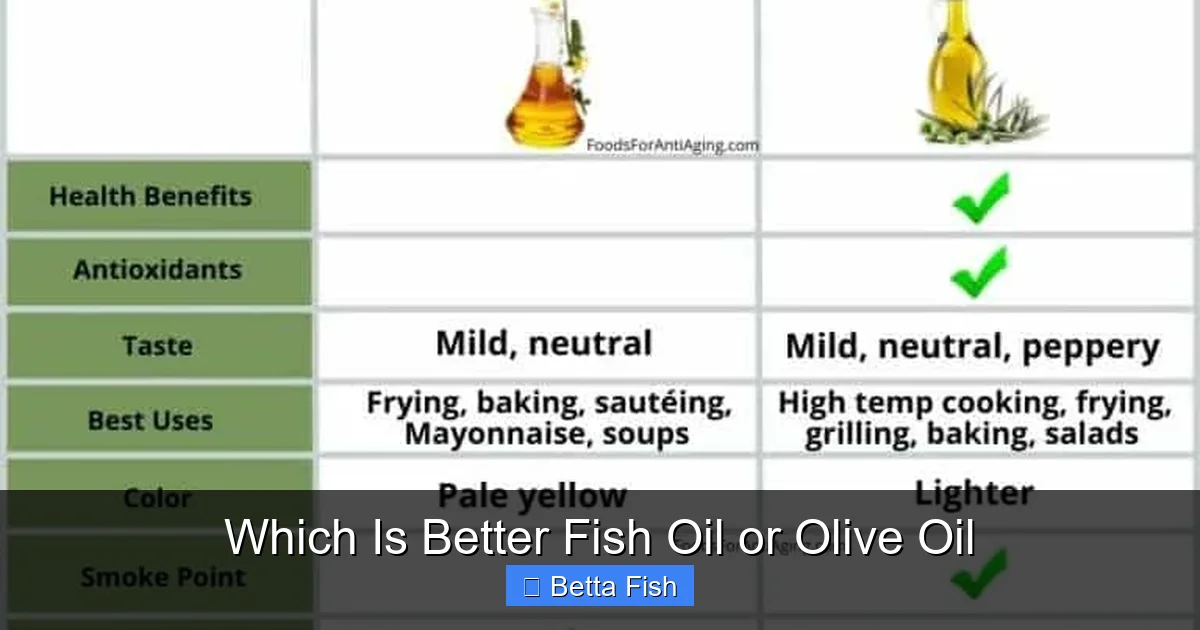
Visual guide about Which Is Better Fish Oil or Olive Oil
Image source: foodsforantiaging.com
Primary Benefits for Bettas
- Vibrant Coloration: DHA and EPA are integral to skin and scale health. They enhance the metabolic pathways that produce the reds, blues, and greens that make bettas so stunning. A diet lacking these often results in dull, faded colors.
- Fin & Scale Development: These fatty acids are structural components of cell membranes. Adequate intake promotes stronger, more resilient fin rays and smoother, healthier scales.
- Immune System Fortification: EPA is a precursor to anti-inflammatory eicosanoids. This helps modulate the immune response, making bettas more resistant to common bacterial and fungal infections. It’s a proactive shield against ailments like dropsy or chronic fin rot.
- Neurological & Visual Health: DHA is concentrated in the retina and brain. While harder to observe, supporting optimal neural function and vision contributes to a more alert, responsive, and active fish.
How to Use Fish Oil for Your Betta
Method: The most effective and controlled method is to use a liquid, high-concentration fish oil supplement designed for pets or aquaculture. Do not use human “heart health” capsules, as they often contain fillers and are not concentrated enough for tiny bettas.
Dosage: This is critical. A betta’s stomach is smaller than a pea. The rule is “less is more.” For a standard 1-2 inch betta, start with a single tiny drop (approx. 0.05ml) of fish oil.
- Place your betta’s regular portion of high-quality pellet or frozen food (e.g., 2-3 frozen brine shrimp) in a small cup.
- Add the single drop of fish oil and gently stir or toss to coat the food evenly.
- Let it sit for 30 seconds to absorb, then feed immediately.
- Frequency: 1-2 times per week is sufficient. More is not better.
Visual Cue: The food will have a slight sheen. If it looks soggy or greasy, you’ve used too much.
Olive Oil: The Plant-Based Powerhouse with Limits
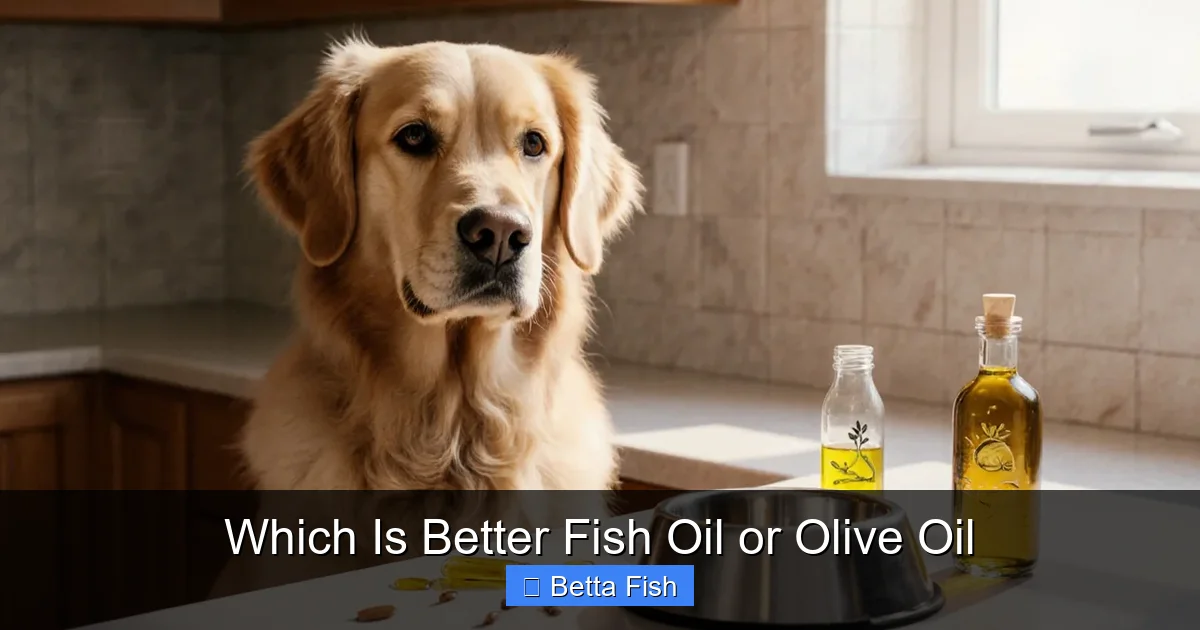
Extra virgin olive oil (EVOO) is a celebrated component of the human Mediterranean diet, famed for its heart-healthy monounsaturated fats (primarily oleic acid) and potent antioxidants like oleocanthal and polyphenols. But how does it translate to the betta tank?
Visual guide about Which Is Better Fish Oil or Olive Oil
Image source: petcaresouthtyneside.co.uk
Potential Benefits for Bettas
- Energy & Palatability: The fats in olive oil are a dense energy source. A minuscule amount can make dry pellets more palatable and easier to digest for some picky bettas.
- Antioxidant Support: The polyphenols in high-quality EVOO have anti-inflammatory and antioxidant properties. This can offer general cellular support, though it’s less targeted than the omega-3s in fish oil.
- Skin & Slime Coat: The fatty acids can contribute to overall skin health and may help support the betta’s protective mucus layer, though evidence is anecdotal rather than specific to fish.
The Significant Caveats and Limitations
This is the most important part: Olive oil does not contain EPA or DHA. It contains ALA (an omega-3) and omega-6 fatty acids. As established, bettas are inefficient at converting ALA to the vital long-chain forms. Therefore:
- It cannot replace the need for direct EPA/DHA from fish oil or animal-based foods.
- Its primary value is as a carrier for fat-soluble vitamins (if you’re adding a vitamin supplement to food) or as a very minor energy boost.
- High in omega-6s, an excessive ratio of omega-6 to omega-3 (which olive oil alone would create) can promote inflammation if not balanced with omega-3s.
If you choose to use olive oil, the same strict dosage rules apply: a single, tiny drop coated on food 1x per week, max. Use only 100% pure, cold-pressed, extra virgin olive oil from a reputable source. Store it in a dark glass bottle in the fridge.
Direct Comparison: Fish Oil vs. Olive Oil for Bettas
Let’s lay it out side-by-side for clarity.
Visual guide about Which Is Better Fish Oil or Olive Oil
Image source: separator-centrifuge.com
| Feature | Fish Oil | Olive Oil (Extra Virgin) |
|---|---|---|
| Primary Fatty Acids | EPA, DHA (Long-chain Omega-3s) | Oleic Acid (Omega-9), ALA (Short-chain Omega-3), some Omega-6 |
| Relevance to Betta Biology | Direct, essential match. Provides exactly what a carnivore cannot make itself. | Indirect. Provides ALA, which bettas poorly convert. Lacks critical EPA/DHA. |
| Key Benefit for Bettas | Color enhancement, immune function, fin health, neurological support. | Minor energy boost, potential antioxidant support, food palatability. |
| Risk of Deficiency | High. Deficiency leads to poor color, disease susceptibility, fin decay. | Low. Not an essential nutrient for bettas; deficiency isn’t a recognized condition. |
| Risk of Overuse | High. Causes fatty liver disease, digestive upset, severe water fouling. | High. Causes digestive upset, severe water fouling, contributes to inflammatory imbalance. |
| Verdict for Bettas | Essential Supplement. The most beneficial oil you can add, if used correctly. | Optional, Secondary Supplement. Can be used occasionally but offers no unique advantages over fish oil. |
The Bottom Line: For a betta fish, fish oil is nutritionally functional and necessary for optimal health. Olive oil is, at best, a minor adjunct with no unique benefits that fish oil doesn’t provide in a more targeted way. If you had to choose only one, fish oil is the unequivocal winner.
How to Safely & Effectively Incorporate Oils Into Your Betta’s Diet
Knowing which oil is better is only half the battle. Improper use can harm your fish and wreck your tank’s ecosystem. Here is your step-by-step protocol.
The Golden Rules of Oil Supplementation
- Start Microscopic: Always begin with less than you think you need. A drop from a standard dropper is often too much for a single betta. Use a calibrated micro-dropper or the tip of a clean toothpick dipped in oil.
- Coat, Don’t Drown: The oil should be a light sheen on a few pieces of food (pellets, frozen bloodworm, brine shrimp). The food should not be swimming in oil.
- Feed in a Separate Container (Recommended): To prevent oil from fouling your main tank, place your betta in a small, clean container with water from its tank. Add the oil-coated food, let it eat (5-10 minutes), then discard the water. Return the fish to its clean tank. This is the best practice.
- Observe Closely: After feeding, watch for 15-20 minutes. Is your betta active? Are its fins open? Or is it lethargic, clamped, or gulping air excessively? Stop immediately if you see negative reactions.
- Frequency is Key: 1-2 times per week MAX. This is a supplement, not a staple. Daily use is a fast track to a sick fish.
- Water Quality is Paramount: Any uneaten, oil-coated food will sink, decay, and cause ammonia spikes. Remove all uneaten food immediately with a net or turkey baster.
Practical Example: A Weekly Supplement Routine
Monday: Feed high-quality betta pellets (primary diet).
Wednesday: Fish Oil Day. Take 2 frozen brine shrimp. Place in a small cup. Add one tiny drop of liquid fish oil. Toss gently. Feed to betta in a feeding cup. Remove betta after 10 minutes. Clean cup.
Friday: Feed high-quality betta pellets or a small piece of frozen daphnia (no oil).
Weekend: Fast or offer a blanched pea (for digestive rest).
This provides consistent support without overburdening the system.
Beyond Oils: Building the Complete, Optimal Betta Diet
No oil can compensate for a poor base diet. Oils are the finishing touch on a solid foundation.
The Foundation: High-Protein, Low-Filler Pellets
Choose a reputable betta-specific pellet where animal protein (fish meal, shrimp meal, squid meal) is the first 3-4 ingredients. Avoid pellets with wheat, corn, or soy as primary ingredients. These are fillers that bettas cannot digest well, leading to constipation and poor health.
The Essential Variety: Frozen & Live Foods
This is where you naturally provide EPA and DHA! Frozen bloodworms, brine shrimp, and daphnia are excellent. They contain the natural fats and nutrients of their prey. Feed these 2-3 times a week as a primary meal, reducing pellet portions on those days. This is the most natural way to provide essential fatty acids.
What to Avoid
- Flakes: Most are unsuitable for bettas, too much plant fillers, and foul water quickly.
- Overfeeding: A betta’s stomach is the size of its eye. 2-3 pellets or 3-4 frozen foods per meal is plenty.
- Relying Solely on Supplements: No oil can replace the complex nutrition of whole prey.
The Final Verdict: Making Your Choice
So, which is better for your betta fish—fish oil or olive oil?
The clear, evidence-based winner is fish oil. It directly addresses the biological imperative of a carnivorous fish by providing the essential, long-chain omega-3 fatty acids (EPA and DHA) that bettas cannot produce themselves. Its benefits for coloration, immune resilience, and fin integrity are direct and significant.
Olive oil is a secondary, optional supplement. It may offer some general antioxidant benefits and can be used to enhance food palatability, but it does not provide the critical nutrients a betta is evolutionarily adapted to need. Using olive oil in lieu of fish oil would be like putting regular gasoline in a high-performance race car—it might run, but it won’t perform optimally and could cause long-term damage.
Your Action Plan:
1. Invest in a high-quality, liquid fish oil supplement (look for “molecularly distilled” to remove toxins).
2. Use it sparingly: a minuscule drop on a few frozen foods 1-2 times per week.
3. Build 90% of your betta’s diet on a foundation of high-protein pellets and regular feedings of frozen or live foods.
4. Reserve olive oil for an occasional, alternative coating if you wish, but never as a replacement for fish oil.
5. Always prioritize tank cleanliness. Remove all uneaten food within minutes.
By aligning your supplementation with your betta’s carnivorous nature, you’re not just feeding a fish—you’re supporting the radiant, active, and healthy life your beautiful betta deserves. When in doubt, remember: in the wild, a betta eats insects, not olives. Feed accordingly.
Frequently Asked Questions
Can I mix fish oil and olive oil together for my betta?
It’s not recommended. Mixing oils complicates dosage and increases the risk of over-supplementation and water fouling. Choose one supplement at a time. Fish oil alone provides the essential nutrients bettas need.
What are the signs of oil overdose or toxicity in my betta?
Signs include lethargy, clamped fins, loss of appetite, cloudy or oily film on the water surface, and rapid deterioration of water quality (high ammonia/nitrite). If you see these, perform a 50% water change immediately and withhold food for 24 hours.
Is it safe to use the same fish oil I take for my heart health?
Generally not. Human supplements often contain gelatin capsules, fillers, or dosages far too high for a betta’s tiny system. Always use a liquid fish oil supplement intended for pets or aquaculture, which allows for precise, tiny dosing.
My betta’s colors are fading. Will fish oil help?
It can, if the fading is due to a dietary deficiency in EPA/DHA. First, ensure you’re feeding a high-protein, color-enhancing pellet base and frozen foods. Then, introduce a strict, minimal fish oil regimen (1x/week). If colors don’t improve, other factors like water quality, stress, or genetics may be the cause.
Can I use vegetable oils like coconut or flaxseed instead?
No. Like olive oil, these are plant-based and lack direct EPA/DHA. Flaxseed oil is high in ALA, which bettas convert poorly. Coconut oil is primarily saturated fat and offers no known benefits for bettas, posing a high risk of digestive issues and water contamination.
Are there any betta foods that already have the right oils in them?
Yes. Many high-quality frozen foods (bloodworms, brine shrimp) naturally contain the optimal fats. Some premium pellet brands also include fish oil or kelp in their formulas. Read the ingredient list. If a pellet lists “fish oil” or “salmon oil” high on the ingredients, you likely do not need additional supplementation. Always check the base diet first before adding extra oils.