How Many Babies Can a Betta Fish Have at Once
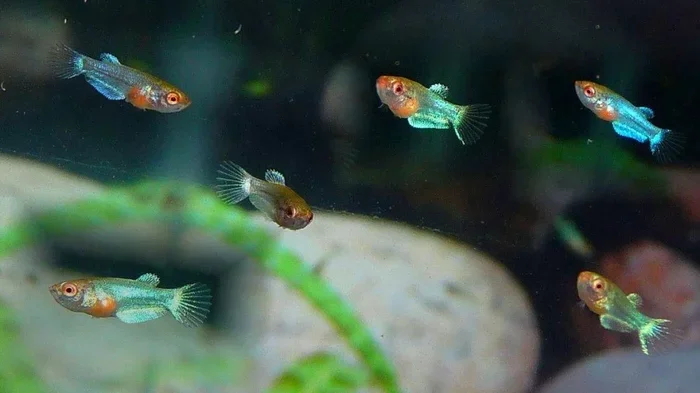
A single betta fish can have anywhere from 10 to over 200 babies at once, with the average clutch sitting around 30 to 50 fry. The exact number depends on the female’s age, size, health, and tank conditions. Understanding the betta fish breeding process helps you prepare for the arrival of dozens of tiny betta fry and gives you the best chance of keeping them alive and thriving.
Key Takeaways
- Average clutch size: A healthy female betta typically releases 30 to 50 eggs per spawning session, which translates to roughly the same number of babies.
- Maximum potential: Under ideal conditions, some bettas can produce 200 or more fry in a single batch.
- Female betta fish are the egg producers: The male betta fertilizes the eggs and builds a bubble nest to protect them.
- Survival rates vary: Not all eggs hatch, and not all fry survive. Proper care and tank setup make a huge difference.
- Preparation matters: Having the right tank setup, food, and knowledge ready before breeding leads to better outcomes.
- Separate the parents: Male and female bettas should only be together briefly during the breeding process to avoid aggression.
📑 Table of Contents
How Many Babies Can a Betta Fish Have at Once
If you have ever wondered how many babies can a betta fish have at once, you are not alone. This is one of the most common questions new betta owners ask. The answer might surprise you. A single female betta fish can produce a lot of offspring in one spawning session.
The number of betta fish babies depends on several factors. These include the female’s age, size, diet, and overall health. Tank conditions also play a big role. Let us break it all down so you understand exactly what to expect.
Betta fish breeding is a fascinating process. Unlike mammals, bettas do not give birth to live young. Instead, the female releases eggs, and the male fertilizes them externally. The male then collects the eggs and places them in a bubble nest he built at the surface of the water. This entire process is called betta spawning.
Understanding how this works helps you prepare. It also helps you avoid common mistakes that can reduce the number of surviving fry. Below, we walk through everything you need to know about betta fish litter size and what influences it.
The Average Number of Betta Fry Per Spawning
On average, a healthy female betta fish lays between 30 and 50 eggs per spawning cycle. This means you can typically expect around 30 to 50 betta fry from a single batch. However, the range can be much wider.
Some well-conditioned, mature females may produce as few as 10 eggs. Others, especially larger and healthier females, can release 100 to 200 eggs in one session. So the answer to how many babies can a betta fish have at once really depends on the individual fish.
Here is a quick look at what influences the clutch size:
- Age: A female betta between 6 months and 2 years old tends to produce the most eggs. Younger and older females usually lay fewer.
- Size: Larger females generally carry more eggs than smaller ones. A well-fed, healthy betta will produce more.
- Diet: A protein-rich diet before breeding improves egg production. Live or frozen foods like brine shrimp work wonders.
- Water Conditions: Clean, warm water with stable parameters encourages healthy spawning and more eggs.
- Stress Levels: A stressed female may release fewer eggs or none at all. A calm environment is essential.
How Betta Fish Breeding Works
Before you dive into numbers, it helps to understand the betta fish breeding process. This gives you context for why the numbers are what they are.
The process starts when the male builds a bubble nest. This nest is made of tiny bubbles stuck together at the water surface. It looks like a foamy patch floating on top of the water. The male betta carefully maintains this nest. It is where he will store the fertilized eggs.
Next, the male and female are introduced into the same tank. The male wraps his body around the female to trigger her to release eggs. This is called the “spawning embrace.” The female releases a batch of eggs, and the male immediately fertilizes them. He then scoops them up and places them gently into the bubble nest.
This process repeats several times over a few hours. Each time, the female releases more eggs and the male fertilizes and collects them. The entire spawning session can last anywhere from a few hours to a full day.
Once spawning is complete, the female should be removed. The male becomes protective of the eggs and may become aggressive toward the female. Leaving them together after breeding can lead to injury or even death of the female.
If you want to learn more about the entire breeding process, check out our guide on can betta fish have babies for a deeper look at betta reproduction.
Factors That Affect How Many Eggs a Betta Fish Lays
Not all bettas are created equal when it comes to egg production. Several key factors determine the final count. Let us explore each one in detail.
Female Betta Age and Experience
A female betta’s age matters a lot. First-time mothers tend to lay fewer eggs than experienced females. A betta around 6 to 12 months old is in her prime breeding years. She has reached full maturity but has not yet started declining. At this stage, her body is primed to produce the maximum number of eggs.
Younger females, say under 4 months, may not be fully developed yet. Their bodies are still growing, so egg production will be lower. On the other side, older females above 2 years may also see a drop in egg count. Just like with any living creature, age affects fertility.
Health and Nutrition
A healthy female betta produces more and better-quality eggs. Before breeding, it is common practice to condition the pair with high-quality foods. Live foods like bloodworms, brine shrimp, and daphnia are excellent choices.
Conditioning typically lasts 1 to 2 weeks. During this time, you feed the fish multiple times a day with nutrient-dense foods. This prepares the female’s body to produce a large, healthy clutch of eggs.
A malnourished or sick female will produce far fewer eggs. Some eggs may also be infertile. So the health of the female directly impacts both the number and quality of betta fish babies you can expect.
Tank Size and Water Parameters
The breeding tank setup matters more than most people think. A tank that is too small or has poor water quality stresses the fish. Stressed bettas produce fewer eggs.
Ideal breeding tank conditions include:
- Tank size: At least 5 to 10 gallons for the breeding pair.
- Temperature: Around 79 to 82 degrees Fahrenheit. Warm water supports healthy egg development.
- pH level: Slightly acidic to neutral, around 6.5 to 7.0.
- Filtration: Gentle filtration only. Strong currents stress bettas and can destroy the bubble nest.
- Cover: A tight-fitting lid or plastic wrap over the tank to keep humidity high. This helps the bubble nest stay intact.
For more on setting up the right environment, you can read about using a filter with a betta fish and how to maintain good water flow.
From Eggs to Fry: What Happens After Spawning
Once the eggs are in the bubble nest, the male betta takes over. He guards the nest fiercely. He picks up any eggs that fall and places them back in the nest. This is hard work, and he does it tirelessly.
The eggs typically hatch within 24 to 48 hours. At first, the fry are tiny and attach to the nest or the sides of the tank. They still have a yolk sac attached to their bodies. This yolk sac provides nutrition for the first 24 to 36 hours after hatching.
Once the yolk sac is absorbed, the fry become free-swimming. This is when feeding becomes critical. You need to offer extremely small foods like infusoria, baby brine shrimp, or commercially available fry food.
Not all eggs will hatch, and not all fry will survive. In a well-managed tank, you might see a survival rate of 50 to 80 percent. This means that from a clutch of 50 eggs, you could end up with 25 to 40 healthy fry. From a larger clutch of 150 eggs, you might get 75 to 120 surviving betta fry.
For more details on the number of fry you can expect, check out our article on how many fry do betta fish have.
How to Improve Your Betta Fry Survival Rate
If you are planning to breed bettas, you want as many fry to survive as possible. Here are some proven tips to boost survival rates.
- Prepare the tank before breeding. Have the breeding tank fully set up and cycled. Do not wait until the female is carrying eggs to get things ready.
- Use a sponge filter. A sponge filter provides gentle filtration without sucking up tiny fry. Strong filters can be deadly for newborn betta fish.
- Feed small, frequent meals. Fry need to eat several times a day. Offer tiny amounts of food each time. Overfeeding can foul the water quickly.
- Keep the water pristine. Perform small water changes daily. Use a turkey baster to remove waste without harming the fry.
- Separate the male after hatching. Once the fry are free-swimming, remove the male. He may start eating his own babies if he gets hungry.
- Provide hiding spots. Add fine-leaved plants or mesh at the bottom. Fry love to hide, and hiding reduces stress and improves survival.
Following these steps gives your betta fish babies the best start in life. Even with perfect care, some losses are normal. But a well-prepared breeder can expect a healthy batch of fry to grow into strong juvenile bettas.
Common Mistakes That Reduce Betta Litter Size
Many new breeders make mistakes that lower the number of eggs or fry that survive. Avoiding these pitfalls can make a big difference.
Mistake 1: Breeding too young. A female betta that is too young may not produce many eggs. Wait until she is at least 6 months old before attempting to breed her.
Mistake 2: Poor conditioning. Skipping the conditioning phase means the female may not have enough nutrients to produce a full clutch. Always feed high-quality foods for 1 to 2 weeks before breeding.
Mistake 3: Wrong water parameters. Cold water, unstable pH, or high ammonia levels all stress the fish. Stressed bettas produce fewer eggs and may eat their own eggs.
Mistake 4: Leaving the female in the tank too long. After spawning, the female needs to be removed immediately. If she stays, the male may attack her, and she could be injured or killed.
Mistake 5: Not enough food for fry. Newborn fry are extremely small. If you do not offer food small enough for them, they will go hungry and die quickly. Infusoria or commercially prepared fry food is essential in the first week.
For more on common breeding questions, read our article on can female betta fish have babies to understand the role of the female in the process.
Can a Betta Fish Have Babies Without a Male?
This is a question that comes up often. The short answer is no. Female bettas can lay eggs without a male present, but those eggs will not be fertilized. Unfertilized eggs will not develop into fry. They will turn white and eventually decay in the tank.
So for actual betta fish babies to be produced, you need both a male and a female. The male is essential for fertilization and for building the bubble nest that protects the eggs.
If you are interested in learning more about this topic, our article on can betta fish have babies without a male covers it in full detail.
How Often Can a Betta Fish Have Babies
A female betta can spawn roughly every two to three weeks if she is in good condition. However, it is not recommended to breed a female this frequently. Constant breeding drains her body and can lead to health problems.
A responsible breeder allows at least 4 to 6 weeks of rest between spawning sessions. This gives the female time to recover and rebuild her nutrient stores. It also ensures that each clutch of eggs is as healthy and numerous as possible.
Over a lifetime, a single female betta could potentially produce several hundred fry. But quality matters more than quantity. Focus on healthy breeding practices rather than maximizing the number of batches.
For more information on the number of eggs per batch, see our guide on how many eggs does a betta fish lay.
Final Thoughts
So, how many babies can a betta fish have at once? The answer ranges from about 10 to over 200, with most healthy females producing 30 to 50 fry per spawning. The key factors are the female’s age, size, health, diet, and the quality of the tank environment.
Breeding bettas is a rewarding experience, but it requires preparation and knowledge. You need the right tank setup, proper nutrition, and an understanding of the breeding process. When you get all of these things right, you give your betta fry the best chance of survival.
Remember that every batch is different. Some spawnings produce more fry than others, and that is completely normal. Do not be discouraged if your first batch is smaller than expected. Learning and improving with each attempt is part of the journey.
Whether you are a curious beginner or an experienced hobbyist, understanding betta fish litter size helps you be a better fish keeper. The more you know about how bettas reproduce, the better you can care for them at every stage of life.
Frequently Asked Questions
How many eggs does a betta fish lay in one spawning?
A healthy female betta typically lays between 30 and 50 eggs per spawning session. However, the number can range from as few as 10 to over 200 depending on her age, size, and overall health. For more details, check out our guide on how many eggs does a betta fish lay.
Do all betta eggs hatch into fry?
No, not all eggs hatch. Some eggs may be infertile, and others may not develop properly. Even among fertilized eggs, not every fry survives to adulthood. A survival rate of 50 to 80 percent is typical with proper care and good tank conditions.
Can you keep betta fry in the same tank as adult bettas?
It is not recommended. Adult bettas may see the fry as food and eat them. Fry also need very different water conditions and food compared to adult bettas. Always keep them in a separate, dedicated fry tank until they are large enough to not be a threat to adults.
How long does it take for betta eggs to hatch?
Betta eggs usually hatch within 24 to 48 hours after spawning. The male betta keeps them safe in his bubble nest during this time. Once hatched, the fry remain attached to the nest for another day or two before becoming free-swimming.
What should you feed newborn betta fry?
Newborn betta fry need extremely small foods. Infusoria, liquid fry food, or baby brine shrimp are all excellent options. Feed them several times a day in tiny amounts. As they grow, you can gradually introduce larger foods like crushed flakes and microworms.
Is breeding betta fish hard for beginners?
Breeding bettas can be challenging but is doable with proper research and preparation. You need a separate breeding tank, the right water parameters, and a plan for feeding and caring for the fry. Start by learning the basics and setting up the right environment before introducing a breeding pair.