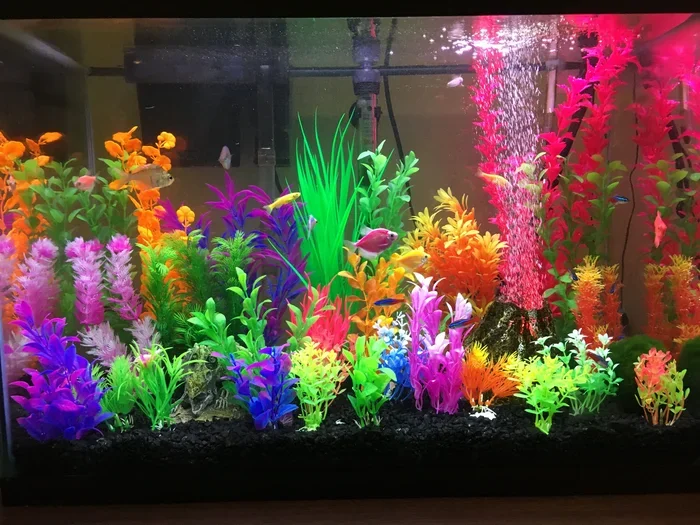
Can Betta Fishes See in the Dark

Betta fish cannot truly see in complete darkness, but their eyes are surprisingly adapted to low-light conditions. Their vision relies on ambient light, and they navigate using other senses in the dark. Understanding how betta fishes see in the dark helps you create a healthier, stress-free environment for your pet.
Key Takeaways
- Limited Night Vision: Betta fish cannot see in total darkness but can detect shapes and movement in very low light.
- Adapted Eyes: Their eyes have more rod cells than humans, helping them perceive light better than we do at night.
- Other Senses: In darkness, bettas rely on their lateral line system to sense vibrations and movement in the water.
- Stress Factor: Constant light or pitch darkness causes stress; a regular light-dark cycle is essential.
- Tank Lighting: Use low to moderate aquarium lighting on a timer to mimic natural day and night cycles.
- Wild Origins: In the wild, bettas live in shallow, murky waters where some light always filters through.
- Behavior at Night: Betta fish typically rest at night and become more active during daylight hours.
📑 Table of Contents
- Introduction: So, Can Betta Fishes See in the Dark?
- How Do Betta Fish Eyes Work?
- Can Betta Fish See in Complete Darkness?
- What Do Betta Fish Do at Night?
- How Lighting Affects Betta Fish Vision and Health
- Betta Fish Vision in the Wild vs. in Captivity
- Practical Tips for Betta Fish Owners
- Common Myths About Betta Fish Vision
- Conclusion: Understanding Your Betta’s World
Introduction: So, Can Betta Fishes See in the Dark?
If you have ever turned off the aquarium lights and wondered whether your betta fish can still see you, you are not alone. The question can betta fishes see in the dark is one of the most common questions among new and experienced betta keepers alike. It seems like a simple question, but the answer is actually quite fascinating.
Betta fish are stunning creatures with vibrant colors and flowing fins. They are also surprisingly intelligent and interactive pets. But when the lights go out, what happens? Do they just hover in the water, blind and confused? Or do they have some special ability to navigate the darkness?
In this article, we are going to explore everything you need to know about betta fish vision. We will look at how their eyes work, what they can and cannot see, and how you can use this knowledge to take better care of your betta. By the end, you will have a clear understanding of how betta fishes see in the dark and what that means for their daily care.
How Do Betta Fish Eyes Work?
The Basic Anatomy of a Betta Fish Eye
Betta fish have eyes that are similar in structure to many other freshwater fish. Their eyes contain two main types of photoreceptor cells: cone cells and rod cells. Cone cells are responsible for detecting color and work best in bright light. Rod cells, on the other hand, are highly sensitive to light intensity and help with vision in low-light conditions.
What makes betta fish vision interesting is that they have a relatively high number of rod cells compared to some other fish species. This means they are better equipped to handle dim environments than you might expect. However, rod cells still need some amount of light to function. In complete and total darkness, even the most well-adapted rod cells cannot help.
Color Vision in Betta Fish
One of the most remarkable things about betta fish is their color vision. Research suggests that bettas can see a wide range of colors, possibly even more than humans. They have cone cells that are sensitive to different wavelengths of light, allowing them to distinguish between various colors in their environment.
This excellent color vision is one reason why bettas are so visually striking to us. Their bright reds, blues, and purples are not just for our enjoyment. In the wild, color plays a role in mating displays, territorial warnings, and recognizing other fish. But here is the catch: color vision requires light. When the lights go out, those cone cells stop working effectively, and the world becomes a much duller place for your betta.
Field of Vision
Betta fish have eyes positioned on the sides of their heads, which gives them a wide field of vision. They can see almost 360 degrees around them, with a small blind spot directly behind them. This wide-angle vision is a survival adaptation that helps them spot predators and rivals in their natural habitat.
However, this wide field of vision comes at a cost. Betta fish have relatively poor depth perception compared to predators with forward-facing eyes. They judge distance using other cues, such as the size of objects and how quickly those objects move across their field of vision.
Can Betta Fish See in Complete Darkness?
The Short Answer
No. Betta fish cannot see in complete and total darkness. Just like humans, they need at least some amount of light for their eyes to function. Without any light at all, your betta is effectively blind.
This does not mean they are helpless in the dark, though. Betta fish have other sensory systems that help them navigate when visibility is low. But in terms of actual visual perception, zero light means zero sight.
What About Very Low Light?
Here is where things get interesting. While bettas cannot see in total darkness, they can see in very low light conditions. Their rod cells are sensitive enough to pick up faint traces of light that our human eyes would miss entirely.
Think about a room with just a tiny bit of ambient light coming through a window or under a door. To us, that room might seem pitch black. But to a betta fish, there is still enough light to make out basic shapes and detect movement. This is a significant advantage in their natural habitat, where shallow waters can be murky and dim, especially at dawn and dusk.
The Role of the Lateral Line
When vision fails, betta fish rely heavily on their lateral line system. This is a series of sensory organs that run along the sides of their body. The lateral line detects vibrations and changes in water pressure, allowing the fish to sense movement and objects nearby.
This system is incredibly useful in the dark. Even when your betta cannot see a thing, it can feel the movement of water currents, the approach of another fish, or the vibrations from you tapping on the glass. It is essentially a sixth sense that compensates for the lack of visual information.
If you have ever noticed your betta reacting to things it seemingly cannot see, the lateral line is the reason. It is a remarkable adaptation that helps bettas survive in environments where visibility is often poor.
What Do Betta Fish Do at Night?
Resting and Sleeping
Betta fish are diurnal, which means they are active during the day and rest at night. When the lights go off, your betta will typically find a comfortable spot to rest. This might be near the surface, tucked behind a plant, or even lying on a broad leaf.
Yes, betta fish sleep! And they can look quite funny doing it. Some bettas sleep on their side, others rest vertically, and some simply hover in place with minimal movement. If you have ever been startled by your betta’s sleeping position, do not worry. It is completely normal behavior.
Do Bettas Need Complete Darkness to Sleep?
This is a common misconception. While bettas do need a period of darkness to rest properly, they do not need absolute darkness. In fact, a small amount of ambient light is fine and may even be preferable.
The key is consistency. Betta fish thrive on a regular light-dark cycle. Ideally, they should have about 8 to 12 hours of light followed by 8 to 12 hours of darkness each day. Using a simple aquarium light timer is the easiest way to maintain this cycle without having to remember to turn the lights on and off manually.
If you are looking to optimize your betta’s environment, understanding their vision is just one piece of the puzzle. Many betta keepers also wonder about tank setup, compatible tank mates, and whether betta fish can see in the dark with the same clarity as during the day. The answer, as we have covered, is that they manage well in low light but need total darkness for proper rest.
Nighttime Behavior to Watch For
If your betta is active at night, swimming erratically, or seems stressed when the lights go off, it could be a sign that something is wrong. Possible causes include:
- Too much light during the day: If the tank is in a very bright room, the sudden switch to darkness can be jarring.
- Water quality issues: Poor water conditions can cause discomfort that is more noticeable when the fish is trying to rest.
- Stress or illness: A sick betta may have disrupted sleep patterns.
- External disturbances: Loud noises, vibrations, or movement near the tank can disturb a resting betta.
Paying attention to your betta’s nighttime behavior can give you valuable clues about their overall health and well-being.
How Lighting Affects Betta Fish Vision and Health
The Importance of Proper Aquarium Lighting
Lighting is one of the most overlooked aspects of betta fish care. Many people assume that as long as the fish has water, food, and a warm tank, everything is fine. But lighting plays a crucial role in your betta’s physical and mental health.
Proper lighting helps regulate your betta’s circadian rhythm, which is their internal clock that tells them when to be active and when to rest. Disrupting this rhythm with irregular lighting can lead to stress, weakened immune systems, and behavioral problems.
Best Lighting Practices for Betta Tanks
Here are some practical tips for setting up the right lighting for your betta fish:
- Use a timer: Set your aquarium light to turn on and off at the same times each day. A cycle of 10 hours of light and 14 hours of darkness works well for most bettas.
- Avoid direct sunlight: Placing your tank in direct sunlight can cause excessive algae growth and temperature fluctuations. Indirect natural light or artificial aquarium lighting is much better.
- Choose moderate brightness: Betta fish do not need extremely bright lights. A moderate LED aquarium light is sufficient and will not overwhelm your fish.
- Provide hiding spots: Plants, caves, and decorations give your betta places to retreat if the light feels too bright. This is especially important in tanks with strong lighting.
- Gradual transitions: If possible, use a light with a dimming feature that simulates sunrise and sunset. This gradual change is less stressful for your betta than an abrupt on/off switch.
What Happens with Too Much Light?
Excessive lighting can cause several problems for betta fish. First, it can lead to stress. Just like humans, fish need a period of rest. If the lights are on 24/7, your betta never gets a proper break, and chronic stress can weaken their immune system.
Second, too much light promotes algae growth. Algae can cloud the water, reduce oxygen levels, and create an unsightly mess in your tank. While a small amount of algae is normal and even beneficial, an overgrowth is a sign that something is off with your lighting or maintenance routine.
Finally, constant bright light can fade your betta’s colors. Those vibrant hues that make bettas so beautiful can become dull and washed out if the fish is under constant illumination. A proper light-dark cycle helps maintain their natural coloration.
Betta Fish Vision in the Wild vs. in Captivity
Natural Habitat and Light Conditions
To truly understand how betta fishes see in the dark, it helps to look at where they come from. Betta fish are native to Southeast Asia, specifically Thailand, Cambodia, Vietnam, and parts of Malaysia. In the wild, they inhabit shallow bodies of water such as rice paddies, slow-moving streams, and floodplains.
These environments are often murky and filled with vegetation. The water is rarely crystal clear, and light penetration can be limited, especially in deeper or more heavily planted areas. This means wild bettas are accustomed to seeing in conditions that are dimmer than the average home aquarium.
Interestingly, if you want to learn more about where bettas come from, you can explore articles about finding betta fish in the wild and their natural habitats. Understanding their origins gives us valuable insight into their care requirements.
How Wild Bettas Use Their Vision
In their natural environment, betta fish use their vision for several critical tasks:
- Finding food: Bettas are carnivorous and eat insects, larvae, and small crustaceans. They rely on their eyes to spot prey, even in murky water.
- Territorial displays: Male bettas are highly territorial. They use their vision to detect rivals and perform elaborate flaring displays to warn them off.
- Mating: During breeding, males display their fins and colors to attract females. Good vision is essential for these visual courtship rituals.
- Avoiding predators: Their wide field of vision helps them spot threats from almost any direction.
All of these behaviors depend on at least some level of light. In the wild, even the murkiest rice paddy has some ambient light filtering through, especially during the day. At night, wild bettas rest and rely on their lateral line system to detect danger.
Differences in Captivity
In a home aquarium, betta fish experience very different lighting conditions than their wild counterparts. Most aquariums are clearer than natural betta habitats, and artificial lighting provides a more consistent light source.
However, captivity also introduces challenges that wild bettas do not face. Reflections from aquarium glass can confuse bettas, making them think they see another fish. This is why some bettas flare at their own reflection. Additionally, the lack of natural light cycles in some homes can disrupt their internal clock.
As a responsible betta keeper, you can bridge the gap between wild and captive conditions by providing a naturalistic lighting cycle, plenty of plants and hiding spots, and a tank environment that mimics their natural habitat as closely as possible.
Practical Tips for Betta Fish Owners
Setting Up the Perfect Light Cycle
Now that you understand how betta fish see in the dark, let us talk about how to apply this knowledge. The single most important thing you can do is establish a consistent light cycle. Here is a simple guide:
- Morning (7-8 AM): Turn on the aquarium light. If you have a dimmer, start with low brightness and gradually increase it.
- Daytime (8 AM – 6 PM): Keep the light on at moderate brightness. This is when your betta will be most active, eating, and exploring.
- Evening (6-7 PM): If your light has a dimming feature, gradually reduce brightness to simulate sunset.
- Night (7 PM – 7 AM): Turn off the aquarium light completely. Allow your betta to rest in darkness.
This schedule mimics the natural day-night cycle that bettas experience in the wild. It may need slight adjustments based on your personal schedule, but the key is consistency.
Choosing the Right Tank Location
Where you place your betta tank matters more than you might think. Avoid locations with extreme light variations, such as next to a window that gets direct sunlight or in a room that is brightly lit all night.
Ideally, your betta tank should be in a room with moderate, indirect natural light during the day and darkness at night. If your room does not get dark at night, consider using a tank cover or placing the tank in a corner that is shielded from ambient light.
Night Lights: Are They a Good Idea?
Some betta keepers use small aquarium night lights so they can observe their fish after dark. While this is not harmful in moderation, it is generally best to let your betta have a full period of darkness.
If you do use a night light, choose one with a very dim, blue or red light. These colors are less disruptive to fish than white or bright colored lights. And remember, the night light should only be on for short periods, not all night.
Observing Your Betta’s Behavior
One of the best ways to gauge whether your betta’s lighting is appropriate is to watch their behavior. A healthy, well-lit betta will:
- Be active and alert during the day
- Eat enthusiastically
- Display vibrant colors
- Rest peacefully at night
- React to your presence near the tank
If your betta seems lethargic, loses color, or is active at odd hours, it might be time to adjust your lighting setup. Paying attention to these subtle signs can make a big difference in your betta’s quality of life.
Common Myths About Betta Fish Vision
Myth: Betta Fish Can See Perfectly in the Dark
This is perhaps the most widespread myth. As we have discussed, bettas cannot see in complete darkness. They have better low-light vision than humans, but they still need some light to see. Total darkness means total blindness for your betta.
Myth: Bettas Do Not Need Any Light at All
On the opposite end of the spectrum, some people believe that bettas do not need light because they come from murky waters. This is also incorrect. Bettas need a regular light-dark cycle to maintain their health. Without light, they cannot see their food, their environment, or engage in natural behaviors.
Myth: Bettas Can See in Infrared or Ultraviolet Light
While some fish species can see into the ultraviolet spectrum, there is no strong evidence that betta fish have this ability. Their vision is impressive, but it operates within a range similar to human vision, just with better sensitivity to low light.
Myth: Leaving the Light On All the Time Is Fine
This is a dangerous myth. Leaving the aquarium light on 24 hours a day will stress your betta, disrupt their sleep, promote algae growth, and potentially shorten their lifespan. Always provide a dark period for rest.
Conclusion: Understanding Your Betta’s World
So, can betta fishes see in the dark? The answer is nuanced. They cannot see in complete darkness, but they are remarkably well-adapted to low-light conditions. Their eyes, combined with their lateral line system, allow them to navigate and survive in environments where light is limited.
As a betta owner, the most important takeaway is this: provide a consistent light-dark cycle. This simple step will do more for your betta’s health and happiness than almost any other single change you can make. Use a timer, choose moderate lighting, and give your fish the darkness they need to rest.
Understanding how your betta sees the world helps you become a better caretaker. You will notice changes in behavior, appreciate their natural rhythms, and create an environment where your betta can truly thrive. And the next time you turn off the aquarium light at night, you will know exactly what your betta is experiencing.
Your betta may not be able to see in the dark, but with the right care, they will live a bright, colorful, and fulfilling life.
Frequently Asked Questions
Can betta fish see in complete darkness?
No, betta fish cannot see in complete darkness. They need at least some ambient light for their rod cells to function. In total darkness, they rely on their lateral line system to sense vibrations and movement around them.
Do betta fish need a light in their tank?
Yes, betta fish benefit from having a regular light cycle in their tank. A period of 8 to 12 hours of light followed by darkness helps regulate their circadian rhythm and supports healthy behavior. A simple aquarium light on a timer works perfectly.
Can betta fish see color?
Yes, betta fish have excellent color vision. They possess multiple types of cone cells that allow them to see a wide range of colors, possibly even more than humans can perceive. However, color vision requires light and does not work in darkness.
Do betta fish sleep at night?
Yes, betta fish are diurnal and sleep at night. They typically find a comfortable spot to rest, such as near the surface or on a broad leaf. Their sleep can look unusual to owners, including lying on their side, but this is completely normal behavior.
Is it okay to leave a night light on for my betta?
It is best to let your betta have a full period of darkness for proper rest. If you use a night light, choose a very dim blue or red light and only keep it on for short observation periods. Prolonged artificial light at night can disrupt their sleep cycle.
How do betta fish navigate in low light?
In low light, betta fish use their rod cells to detect faint light and make out basic shapes. When it is too dark for vision, they rely on their lateral line system, which detects water vibrations and pressure changes, helping them sense nearby objects and movement.