Which Is Better Fish Oil or Multivitamin
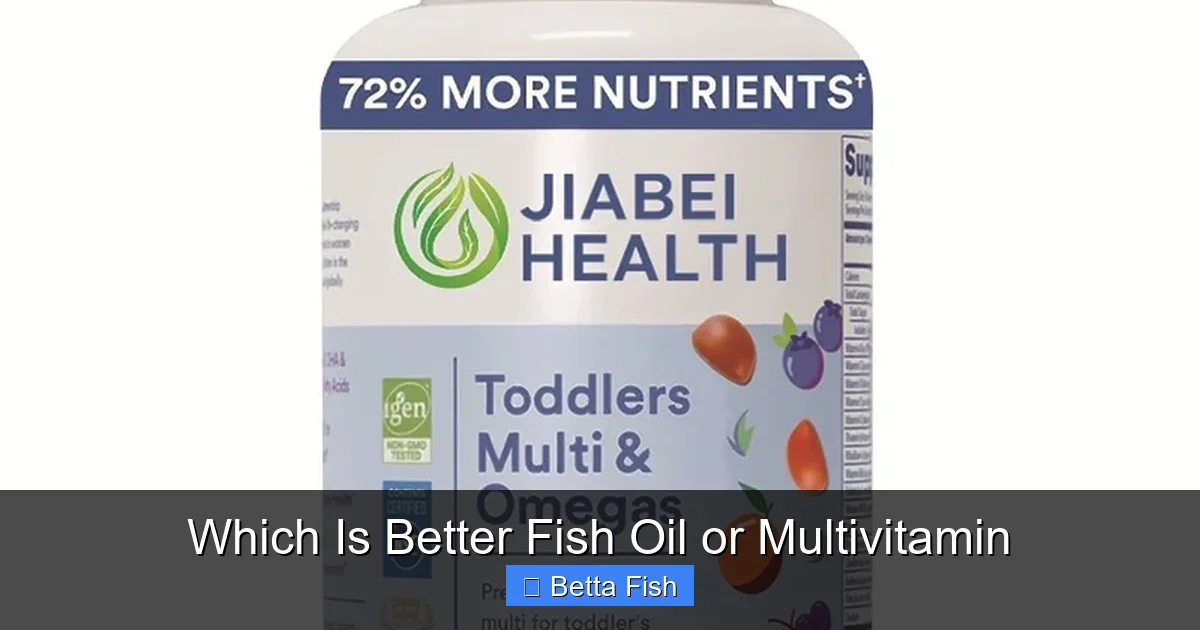
The question “which is better, fish oil or a multivitamin?” doesn’t have a one-size-fits-all answer. They serve fundamentally different purposes. Fish oil is a targeted source of omega-3 fatty acids (EPA & DHA), crucial for heart, brain, and inflammation. A multivitamin is a broad-spectrum insurance policy designed to fill general micronutrient gaps in your diet. Your choice depends entirely on your individual health status, diet, and specific goals. One is not inherently “better” than the other; they are different tools for different jobs.
So, you’re standing in the supplement aisle, staring at two of the most popular options on the planet. On one side, bottles of fish oil, promising heart health and glowing skin. On the other, a wall of multivitamins, each claiming to be the “complete” solution for everyday wellness. The pressing question echoes in your mind: which is better, fish oil or a multivitamin? It’s a fantastic question, and the honest, most helpful answer is this: it’s the wrong question to ask. Comparing them is like asking whether a hammer is better than a screwdriver. They are fundamentally different tools designed for different jobs. The real question is: which tool does your personal health workshop need right now?
Let’s clear the fog. This isn’t about declaring a winner. It’s about understanding what each supplement *is*, what it *does*, and how to match it to your unique biology and lifestyle. We’re going to dive deep into the science, the practicalities, and the decision-making process so you can walk away with clarity, not confusion.
Key Takeaways
- Different Core Functions: Fish oil provides essential fats (omega-3s); multivitamins provide essential vitamins and minerals.
- Diet Dictates Need: Your current diet is the primary factor in determining which supplement you truly need.
- Targeted vs. Broad Support: Fish oil is for specific inflammatory/cardiovascular/brain goals; multivitamins are for general nutritional insurance.
- Quality is Paramount: Both supplements vary wildly in quality, purity, and bioavailability. Research brands thoroughly.
- They Can Co-Exist: There is no conflict in taking both; they complement each other for comprehensive nutritional support.
- Consult a Professional: Always discuss supplement plans with a doctor or dietitian, especially if you have health conditions or take medications.
📑 Table of Contents
- Understanding the Basics: What Are We Even Comparing?
- Fish Oil Deep Dive: The Power of EPA and DHA
- Multivitamin Breakdown: Filling the Micronutrient Gaps
- How to Choose: It’s All About Your Personal Gap Analysis
- Combining Both: The Synergistic Strategy
- Special Populations & Critical Considerations
- The Verdict: It’s Not a Battle, It’s a Balance
Understanding the Basics: What Are We Even Comparing?
Before we debate merits, we must define our contenders. A multivitamin and fish oil are not in the same category of substance.
The Multivitamin: Your Nutritional Safety Net
A multivitamin is, by definition, a combination of multiple vitamins and often minerals. Think of it as a concentrated dose of the micronutrients you’d ideally get from a diverse, colorful diet full of fruits, vegetables, whole grains, and lean proteins. Its primary purpose is to bridge the gap between what you eat and what your body requires for optimal metabolic function. It’s not a magic pill for energy or weight loss (despite marketing claims); it’s foundational support. The “multivitamin” category is vast, with formulations ranging from basic (just vitamins) to “sport” or “senior” versions with added herbs, enzymes, or high doses of specific nutrients.
Fish Oil: Your Concentrated Omega-3 Powerhouse
Fish oil is a single-source supplement, extracted from the tissues of oily fish (like salmon, mackerel, sardines, anchovies). Its sole claim to fame is being an extraordinarily rich source of two specific types of omega-3 polyunsaturated fatty acids: Eicosapentaenoic acid (EPA) and Docosahexaenoic acid (DHA). These are “essential” fats, meaning your body cannot make them from scratch; you must get them from your diet. Omega-3s are incorporated into every cell membrane in your body and are precursors to powerful anti-inflammatory compounds. They are structural and functional fats, not vitamins or minerals.
See the difference? One is a spectrum of micronutrients. The other is a specific pair of macronutrients. You wouldn’t use a vitamin C tablet to get your healthy fats, and you wouldn’t use a fish oil capsule to prevent scurvy. They operate in entirely different nutritional lanes.
Fish Oil Deep Dive: The Power of EPA and DHA
Let’s put the fish oil under the microscope. Its benefits are profound but specific, tied directly to the actions of EPA and DHA.

Visual guide about Which Is Better Fish Oil or Multivitamin
Image source: down-th.img.susercontent.com
The Anti-Inflammatory Engine
This is the heart of fish oil’s superpower. The standard Western diet is overloaded with omega-6 fatty acids (from vegetable oils, processed foods, and grain-fed meats), which promote inflammation. Omega-3s from fish oil help restore balance. EPA competes with omega-6s for the same enzymatic pathways, effectively dialing down the production of pro-inflammatory signaling molecules. For anyone with chronic low-grade inflammation—linked to everything from arthritis and asthma to heart disease and even depression—this is a critical benefit. DHA is particularly important for the structural integrity of brain cell membranes, influencing fluidity and neurotransmitter function.
Cardiovascular Champion
The evidence for fish oil’s heart benefits is robust and long-standing. The American Heart Association recommends it for specific populations. It works on several fronts: it can lower triglyceride levels (a key blood fat), reduce blood pressure slightly, help prevent the formation of blood clots, and improve the health of artery linings. It doesn’t replace statins for high-risk patients, but it’s a powerful adjunct for support.
Brain and Mood Support
DHA is a primary structural fat in the brain and retina. During fetal development and early childhood, it’s crucial for neural growth. In adults, adequate DHA levels are associated with better cognitive performance and a potentially reduced rate of age-related cognitive decline. EPA, with its anti-inflammatory and neurotransmitter-modulating effects, has shown promise in managing symptoms of depression, particularly in individuals with elevated inflammation markers.
Practical Considerations: Dosage, Form, and Quality
Not all fish oil is created equal. You need to look at:
- Concentration: A standard “1000 mg” fish oil capsule might only contain 300 mg of combined EPA/DHA. Look for the actual EPA/DHA amount on the label. For general health, 1000-2000 mg of combined EPA/DHA daily is a common range. For therapeutic effects (like high triglycerides), doses under medical supervision can be much higher.
- Form: Triglyceride (TG) or re-esterified triglyceride (rTG) forms are better absorbed than the cheaper ethyl ester (EE) form.
- Purity: Choose brands that are third-party tested for heavy metals (mercury), PCBs, and dioxins. Look for seals from organizations like IFOS (International Fish Oil Standards), USP, or GOED.
- Freshness: Oxidation makes fish oil rancid. Check for “freshness” dates and smell the bottle; it should smell like the ocean, not fishy. Some brands add antioxidants like vitamin E.
Multivitamin Breakdown: Filling the Micronutrient Gaps
Now, let’s examine the Swiss Army knife of the supplement world. Its value lies in breadth and prevention.
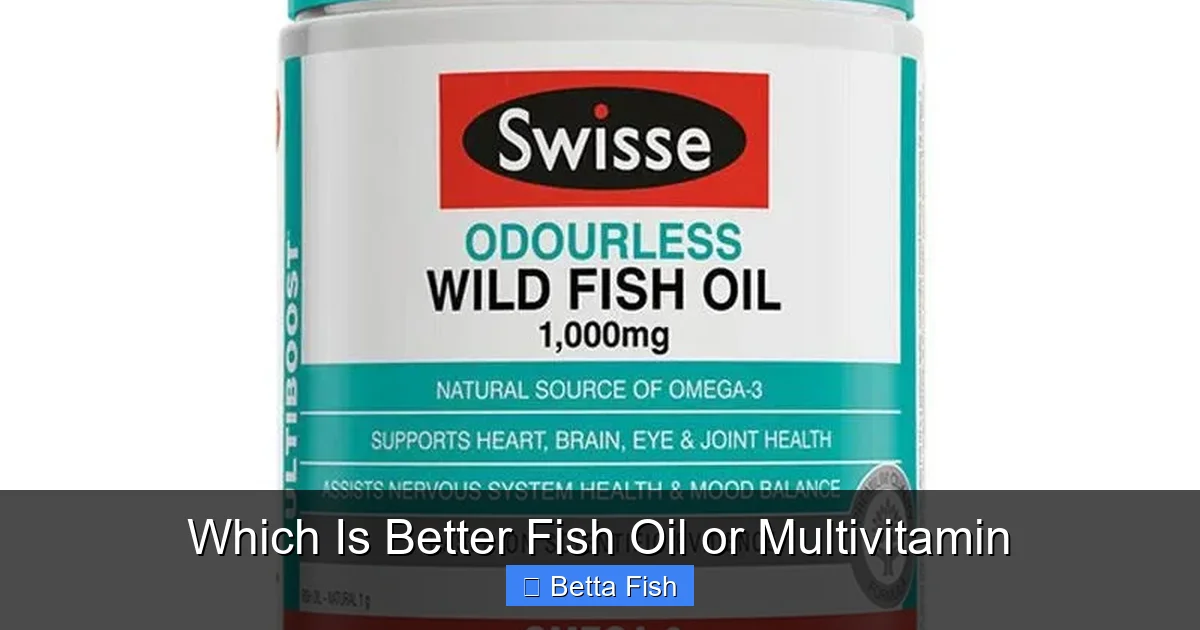
Visual guide about Which Is Better Fish Oil or Multivitamin
Image source: static-src.com
The Insurance Policy for Imperfect Diets
Even with the best intentions, few of us eat a perfectly balanced diet every single day. We might skip vegetables, eat processed foods, or have dietary restrictions (vegan, gluten-free, etc.) that limit certain nutrients. A multivitamin acts as a backup system, ensuring you get at least the Recommended Dietary Allowance (RDA) for most essential vitamins and minerals. This is crucial for nutrients like:
- Vitamin D: Hard to get from food and sun exposure is limited for many. Deficiency is rampant and linked to bone health, immune function, and mood.
- B-Vitamins: Especially B12 for vegetarians/vegans, and folate. Critical for energy metabolism and nerve function.
- Magnesium: Many are marginally deficient. Involved in 300+ enzymatic reactions, including muscle/nerve function and blood sugar control.
- Iodine: Often low in diets avoiding iodized salt, vital for thyroid hormone production.
Not a Substitute for Food
This is the biggest misconception. A multivitamin supplements a diet; it does not replace one. Whole foods provide thousands of beneficial compounds—phytonutrients, fiber, antioxidants—that no pill can replicate. The synergy of nutrients in food is also key. For example, the vitamin C in an orange enhances iron absorption from the orange’s own plant-based iron. A pill lacks this complexity. Think of a multivitamin as a safety net for your nutritional basics, not the main event.
Navigating the Multivitamin Maze
The options are dizzying. Here’s how to choose wisely:
- Target Your Life Stage: Prenatal vitamins have extra folate and iron. Senior formulas often have more B12, vitamin D, and calcium, and less iron (since older adults don’t need as much and excess can be harmful).
- Check for “Too Much”: Avoid megadoses (way above 100% DV) unless specifically recommended by a doctor for a diagnosed deficiency. Fat-soluble vitamins (A, D, E, K) can accumulate to toxic levels.
- Form Matters: Some minerals like magnesium come in various forms (citrate, glycinate, oxide). Glyinate and citrate are better absorbed and gentler on the stomach than oxide.
- Look for Third-Party Testing: Look for seals from USP, NSF, or ConsumerLab.com verification to ensure what’s on the label is in the bottle and that it’s free of contaminants.
How to Choose: It’s All About Your Personal Gap Analysis
So, we’re back to the core decision. Stop thinking “which is better?” and start thinking “what is my nutritional gap?”
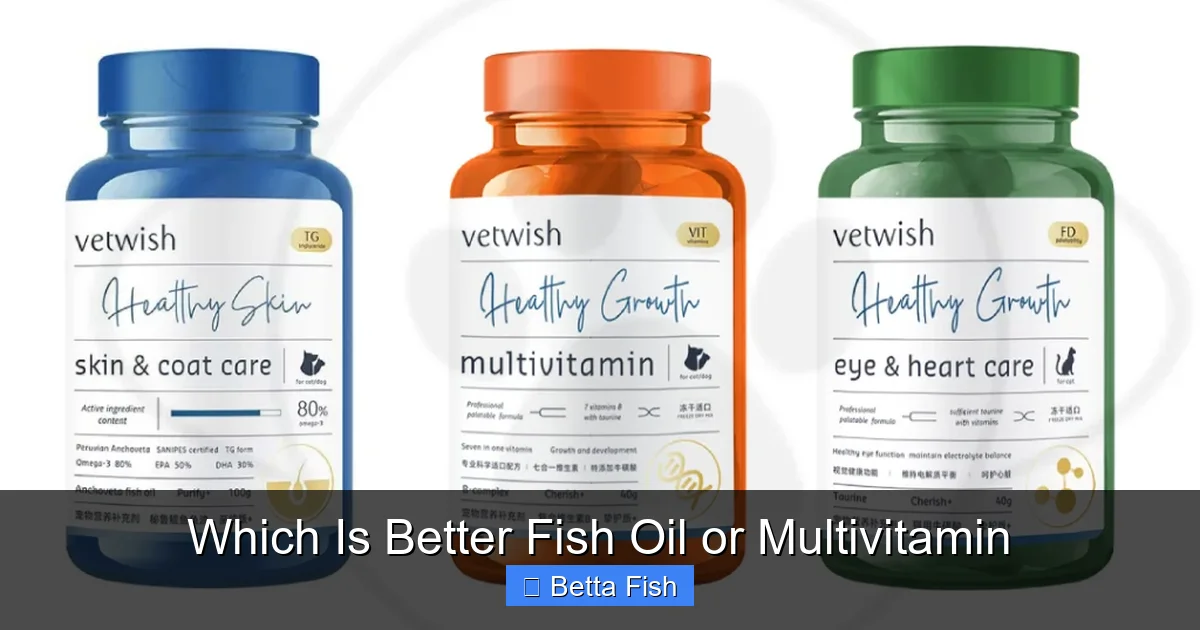
Visual guide about Which Is Better Fish Oil or Multivitamin
Image source: down-my.img.susercontent.com
Ask Yourself These Diagnostic Questions
- What is my diet like? Do you eat fatty fish (salmon, sardines) twice a week? If no, you likely need an omega-3 supplement. Do you eat at least 5 servings of fruits and vegetables daily? If no, a multivitamin is a strong candidate.
- Do I have a specific health goal or concern? Aiming to lower triglycerides? Supporting brain health as you age? Managing inflammatory joint pain? Fish oil (EPA/DHA) is your targeted tool. Just feeling run-down and want general wellness support? A multivitamin addresses broad, foundational micronutrient needs.
- Am I in a high-risk group? Pregnant (need prenatal with DHA/folate)? Vegan (need B12, possibly DHA from algae)? Elderly (need more B12, D, calcium)? Have a diagnosed deficiency (e.g., iron, vitamin D)? Your needs are specific and should guide your choice.
- What am I already getting from food? Keep a simple food log for a few days. Use an app like Cronometer to see where your micronutrient intakes fall short. This is the most objective way to decide.
The Simple Decision Tree
- If you eat fatty fish 2+ times per week AND eat a very diverse, plant-rich diet: You may not need either, but a low-dose multivitamin can still be prudent “insurance.”
- If you eat fatty fish 0-1 times per week: You almost certainly have an omega-3 gap. Prioritize a high-quality fish oil (or algae oil for vegans).
- If your diet lacks fruits, vegetables, and whole foods: You have a broad micronutrient gap. Prioritize a high-quality, age-appropriate multivitamin.
- If both statements above are true: You likely need both. This is very common.
Combining Both: The Synergistic Strategy
For the vast majority of people who don’t have perfectly optimized diets, the optimal strategy is not an “either/or” choice—it’s a “both/and” approach. They are complementary, not competitive.
How They Work Together
Think of your body as a complex factory. Vitamins and minerals (from the multivitamin) are the workers and the machinery—they run the metabolic processes. Essential fatty acids (from fish oil) are the lubricant and the structural material for the cell membranes—they keep everything running smoothly and hold the factory together. You need both for peak efficiency. For example, fat-soluble vitamins (A, D, E, K) require dietary fat for absorption. Taking your multivitamin with a meal that contains your fish oil (or any healthy fat) can actually improve the absorption of these critical vitamins.
Practical Protocol for Taking Both
- Timing: Take your multivitamin with a meal that contains some fat to aid absorption of fat-soluble vitamins. Take your fish oil with food (any meal) to minimize “fish burps” and improve absorption.
- Split Doses: If your multivitamin has a high iron content, take it at a different time of day than calcium (they compete for absorption). Fish oil can be taken anytime with food.
- Start Simple: Introduce one supplement at a time for a few weeks. This helps you assess how you feel and identify any potential sensitivities (though rare, some people experience digestive upset with fish oil).
- Monitor: Are you noticing less brain fog? More steady energy? Fewer inflammatory aches? Better recovery from workouts? Use subjective and, if possible, objective measures (like a blood test for omega-3 index or vitamin D levels) to gauge effectiveness.
Special Populations & Critical Considerations
Certain groups must be extra thoughtful.
Pregnancy and Early Childhood
This is a non-negotiable area for both. Prenatal vitamins are specifically formulated with higher folate (to prevent neural tube defects), iron (for blood volume expansion), and iodine. They are essential. DHA is critical for fetal brain and retinal development. Many prenatal vitamins now include DHA, or it’s recommended to take a separate, purified fish oil (or algae oil) certified safe for pregnancy. For children, a pediatric multivitamin may be needed for picky eaters, and DHA supplementation supports ongoing brain development.
Vegetarians, Vegans, and Plant-Based Diets
These diets are excellent for health but have clear gaps. Vitamin B12 is the biggest—it’s not reliably available in plant foods. A B12 supplement is mandatory. Iron (non-heme from plants is less absorbable), zinc, calcium, and omega-3s (EPA/DHA) are also common concerns. For omega-3s, algae oil is the direct, vegan source of DHA and EPA. A multivitamin formulated for vegans can help cover B12, iron, zinc, and iodine.
The “More is Not Better” Trap & Interactions
High-dose supplements can be harmful. Do not megadose. Also, be aware of interactions:
- Fish oil can thin the blood. Be extremely cautious if you’re on blood thinners (warfarin, clopidogrel) or have a bleeding disorder. Always consult a doctor.
- Multivitamins with high vitamin K can interfere with blood thinners. High-dose antioxidants (A, C, E) can interfere with certain chemotherapy drugs.
- Minerals like calcium and iron can compete for absorption with each other and with some medications (thyroid meds, antibiotics).
The golden rule: Tell your doctor about every single supplement you take.
The Verdict: It’s Not a Battle, It’s a Balance
So, which is better? The question itself sets up a false dichotomy. Fish oil is not a multivitamin, and a multivitamin is not fish oil. They solve different problems.
If forced to give a generalized priority for the average person in the modern world, the data might lean slightly toward ensuring adequate omega-3 intake first. Why? Because the omega-6 to omega-3 imbalance in our diet is extreme and directly drives inflammation. A deficiency in DHA/EPA has no true “backup” in the food supply like some vitamins have (e.g., you can get vitamin C from many sources, but preformed DHA/EPA is almost exclusively in seafood). However, this is a nuanced point. For someone with a blatantly poor diet lacking in fruits and vegetables, a multivitamin addresses more severe and varied deficiencies.
The ultimate, empowering answer is this: Assess your plate, assess your body, and then supplement the gap. Start with a high-quality fish oil if you don’t eat fatty fish. Start with a solid multivitamin if your diet lacks nutritional diversity. For most, doing both is the gold standard for foundational nutritional support. The goal isn’t to pick a champion in a supplement showdown. The goal is to build a personal nutrition team where every player has a specific, vital role to play.
Frequently Asked Questions
Can I take fish oil and a multivitamin together?
Yes, absolutely. They are complementary and safe to take together. Taking them with food that contains some fat can even improve the absorption of the fat-soluble vitamins (A, D, E, K) in your multivitamin. There is no known harmful interaction between them.
How do I know if I need a fish oil supplement?
The clearest sign is if you do not eat at least two servings of fatty fish (like salmon, mackerel, sardines, herring) per week. Other indicators might include chronic inflammation (joint pain, skin issues), high triglycerides (from a blood test), or cognitive concerns like brain fog. An “Omega-3 Index” blood test can definitively tell you your EPA/DHA levels.
What’s the difference between fish oil and krill oil?
Krill oil also contains EPA and DHA, but they are bound to phospholipids, which some studies suggest may be absorbed more efficiently than the triglycerides in most fish oils. Krill oil also contains the antioxidant astaxanthin. However, krill populations are smaller and more ecologically sensitive, and krill oil is typically much more expensive. High-quality fish oil remains the most researched and cost-effective source of omega-3s for most people.
Do I need to worry about contaminants like mercury in fish oil?
You should, but reputable brands make this a non-issue. Quality fish oil manufacturers use molecular distillation to remove heavy metals (mercury), PCBs, and dioxins. Always choose a brand that is third-party tested by organizations like IFOS, USP, or GOED and displays a certificate of analysis. These brands are exceptionally pure and safe.
Can a multivitamin replace eating fruits and vegetables?
No. A multivitamin cannot replicate the thousands of phytonutrients, fiber, and antioxidants found in whole plant foods. It is a supplement to a poor diet, not a replacement for a good one. Think of it as a nutritional safety net, not the main course. The synergy of nutrients in real food is irreplaceable.
How long does it take to see results from fish oil or a multivitamin?
It varies. For foundational nutrient repletion (like correcting a vitamin D or B12 deficiency), you may notice improved energy or mood within a few weeks. For fish oil’s anti-inflammatory effects on joints or skin, give it 8-12 weeks of consistent use. For long-term cardiovascular and cognitive benefits, think in terms of months and years of consistent supplementation as part of a healthy lifestyle.