Which Is Better Fish Oil or Omega 3 6 9
When deciding between fish oil and omega 3-6-9 supplements for your Betta fish, the answer is clear: fish oil is typically the superior choice. Betta fish thrive on marine-derived omega-3 fatty acids (EPA and DHA), which are abundant in high-quality fish oil. Omega 3-6-9 blends, often plant-based, can upset the delicate fatty acid balance your Betta needs and may lead to inflammation or other health issues. Always prioritize a nutritionally complete Betta diet and use supplements judiciously under professional guidance.
Hey there, fellow Betta fish enthusiasts! If you’re like me, you want nothing but the best for your vibrant, finned friend. You probably spend hours picking out the perfect tank, the right plants, and of course, the healthiest food. But have you ever paused mid-scoop of pellets and wondered: which is better fish oil or omega 3 6 9 for your Betta? It’s a question that pops up in many aquarium communities, and the answer isn’t as straightforward as you might think. After all, we’re not talking about our own supplements here—we’re talking about the delicate, carnivorous digestive system of a Betta splendens. In this deep dive, we’ll unravel the mystery of fatty acids, compare marine-based fish oil with blended omega 3-6-9 supplements, and figure out exactly what your Siamese fighting fish needs to stay colorful, active, and thriving. So grab your notebook, and let’s swim through the science together!
First, let’s set the stage. Betta fish are stunning creatures, famous for their flowing fins and bold personalities. But beneath that beauty lies a surprisingly complex nutritional requirement. In the wild, these little predators munch on insects, larvae, and tiny crustaceans—foods packed with specific types of fats that Betta fish can’t make enough of on their own. That’s where supplements come in. But with so many products on the market labeled “fish oil,” “omega-3,” or “omega 3-6-9,” it’s easy to feel lost. Which one actually benefits your Betta? The short answer? For most Betta fish, fish oil is the winner. But why? And are there ever cases where an omega 3-6-9 blend might be okay? Stick with me, and by the end of this article, you’ll have a crystal-clear understanding, backed by science and practical experience, to make the best choice for your aquatic buddy.
Key Takeaways
- Fish oil provides essential EPA and DHA: Betta fish cannot produce enough omega-3s on their own and rely on dietary sources like fish oil for optimal health.
- Omega 3-6-9 supplements are designed for humans: These blends often contain high levels of omega-6 and 9, which can disrupt the natural fatty acid balance in Betta fish.
- Natural diet matters: In the wild, Betta fish consume insects and crustaceans rich in marine omega-3s, making fish oil a more biologically appropriate supplement.
- Balance is critical: An ideal omega-6 to omega-3 ratio for Betta fish is around 1:1 to 2:1; many omega 3-6-9 products skew this ratio unfavorably.
- Quality over quantity: Choose pure, molecularly distilled fish oil without additives to avoid contaminants that could harm your Betta.
- Supplements are not a substitute: A high-quality, protein-rich Betta fish food should be the foundation of their diet; supplements are only for addressing specific deficiencies.
- Consult an expert: Always seek advice from a veterinarian or aquatic specialist before introducing any supplement to your Betta’s regimen.
📑 Table of Contents
Understanding Betta Fish Nutritional Needs
Before we jump into the supplement showdown, it’s crucial to understand what makes Betta fish nutrition unique. Betta splendens are obligate carnivores, meaning their bodies are built to thrive on a diet high in animal protein and specific fats. Unlike some fish that can subsist on plant matter, Betta fish lack the digestive enzymes to break down carbohydrates efficiently. Their short, simple digestive tracts are designed for processing insects and small aquatic creatures—foods that are naturally rich in protein and fatty acids like EPA and DHA, which are types of omega-3s.
Natural Diet in the Wild
In the shallow, warm waters of Thailand and Cambodia, wild Betta fish are opportunistic hunters. They primarily feed on mosquito larvae (Culicidae), water fleas (Daphnia spp.), small crustaceans (like copepods), and insects that land on the water’s surface. These prey items are not just protein packets; they’re loaded with lipids (fats) that serve as a concentrated energy source and provide essential fatty acids (EFAs). The key takeaway? Wild Betta fish get their fats from marine and freshwater animal sources, not from plants. This evolutionary fact is the cornerstone of why fish oil often trumps plant-based omega blends.
For example, a study on the diet of wild Betta splendens found that their prey items contained omega-3 fatty acid profiles with EPA and DHA making up over 30% of total fatty acids, while omega-6 levels were relatively low. This natural ratio is what their bodies have adapted to over thousands of years. When we feed them commercial foods high in plant proteins or oils, we risk disrupting this balance, leading to health issues like inflammation, poor coloration, and weakened immunity.
Key Nutrients for Vibrant Colors and Health
You might have noticed your Betta’s colors seem more brilliant after a water change or when fed high-quality food. That’s no coincidence! Fatty acids, particularly omega-3s, play a starring role in maintaining vibrant pigmentation, supporting fin development, and boosting the immune system. EPA (eicosapentaenoic acid) helps regulate inflammation and supports heart health (yes, fish have hearts too!), while DHA (docosahexaenoic acid) is critical for brain function and cell membrane integrity. Without adequate EPA and DHA, Betta fish can become prone to diseases, show faded colors, and exhibit lethargy. Omega-6 and omega-9 fatty acids also exist in a Betta’s natural diet, but in carefully balanced ratios that commercial supplements often mess up.
Additionally, omega-3s contribute to the production of prostaglandins—hormone-like compounds that mediate inflammation and immune responses. In a confined tank environment, where stressors like poor water quality or aggressive tankmates are common, a robust immune system supported by proper fatty acids is your Betta’s best defense. So, when we ask which is better fish oil or omega 3 6 9, we’re really asking which option best replicates the wild diet that shaped Betta physiology.
What Is Fish Oil?
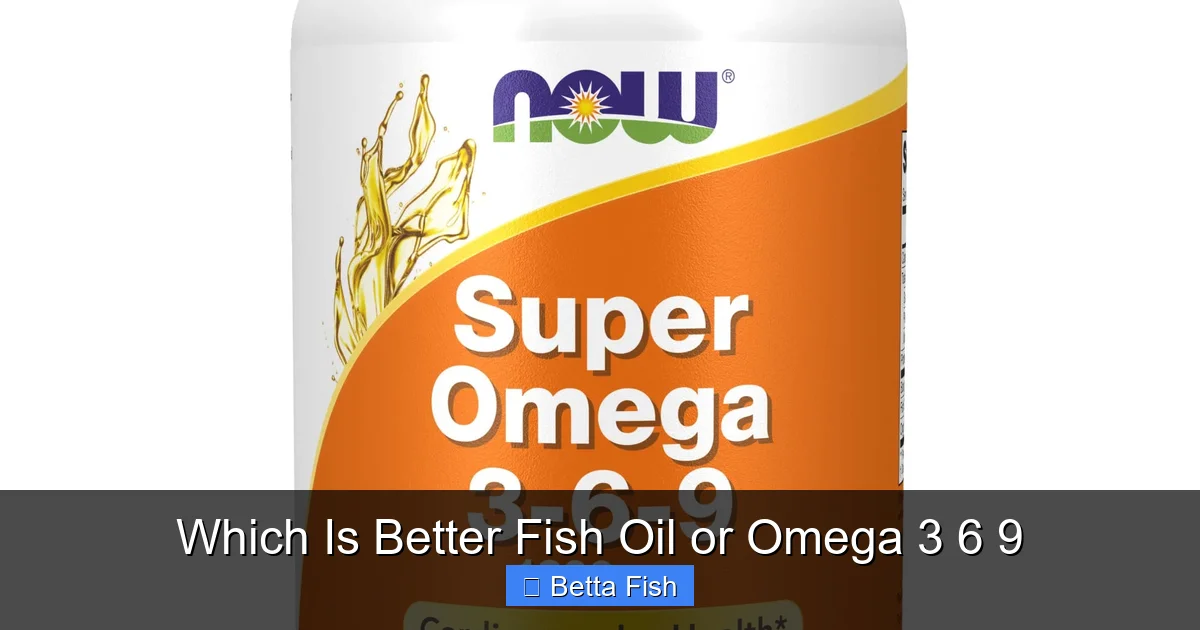
Now, let’s talk about the star of the show: fish oil. When we say “fish oil” in the context of Betta fish supplements, we’re usually referring to oil extracted from the tissues of fatty, cold-water fish like salmon, sardines, anchovies, or mackerel. This oil is a direct, concentrated source of the long-chain omega-3 fatty acids EPA and DHA—the very ones Betta fish need and can’t produce enough of on their own. But not all fish oils are created equal, and understanding the nuances is key to choosing the right product for your finned friend.
Visual guide about Which Is Better Fish Oil or Omega 3 6 9
Image source: m.media-amazon.com
Omega-3 Fatty Acids Explained
Omega-3s are a family of polyunsaturated fats, but the most important for Betta fish are EPA and DHA. These are “long-chain” omega-3s, meaning they have a specific chemical structure (20 and 22 carbon atoms, respectively) that makes them highly bioavailable—your Betta’s body can use them immediately without needing to convert them from shorter forms. This is a huge advantage over plant-based omega-3 sources like flaxseed oil, which contain ALA (alpha-linolenic acid), an 18-carbon omega-3. Betta fish have a very limited ability to convert ALA into EPA and DHA (conversion rates are estimated at less than 5% in most fish species), so ALA is essentially a poor substitute. Fish oil bypasses this conversion step, delivering the exact nutrients your Betta’s cells crave.
Think of it like this: if your Betta needs a screwdriver (EPA/DHA), fish oil hands them a ready-to-use tool. Plant-based ALA is like handing them a piece of metal—they have to shape it into a screwdriver first, and they’re not very good at that. So, when comparing fish oil or omega 3 6 9 for Betta fish, the direct availability of EPA and DHA in fish oil makes it a far more efficient choice.
Sources and Quality
The source of the fish oil matters immensely. Wild-caught fish from clean, cold waters (like the North Atlantic or Pacific) tend to have higher levels of EPA and DHA and lower contaminants. Look for products that are “molecularly distilled” to remove impurities like mercury, PCBs, and dioxins. For Betta fish, you want a pure, unflavored fish oil without added vitamins or other oils that could upset their system. Sometimes, fish oil is sold in softgel capsules for humans; these can be punctured and the oil added to Betta food, but be sure there are no additional ingredients like gelatin or fillers that might harm your fish. Always check the label for EPA and DHA content—higher percentages are generally better.
Storage is also critical. Fish oil oxidizes (goes rancid) quickly when exposed to heat, light, and air. Rancid oil produces harmful free radicals that can damage cells. Always store fish oil in a dark glass bottle in the refrigerator, and use it within a few weeks after opening. A fresh, high-quality fish oil should have a mild, ocean-like smell—not a strong, fishy or pungent odor, which indicates oxidation. When in doubt, trust your nose; if it smells off, don’t use it.
What Are Omega 3-6-9 Supplements?
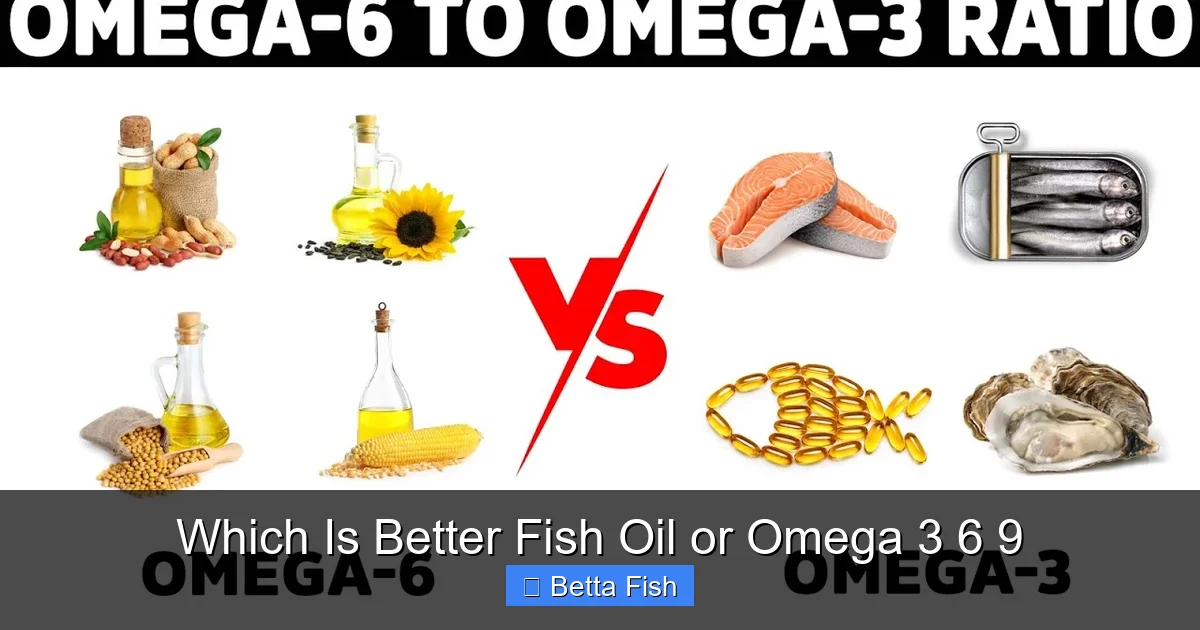
So what exactly are those bottles labeled “Omega 3-6-9”? These are blended supplements that combine oils from various plant and sometimes marine sources to provide a spectrum of fatty acids. They’re incredibly popular in the human health world for their purported benefits to skin, heart, and overall wellness. But before we compare them to fish oil, let’s break down what’s inside these blends.
Visual guide about Which Is Better Fish Oil or Omega 3 6 9
Image source: i.ytimg.com
The Fatty Acid Family
Omega-3, omega-6, and omega-9 refer to the position of the first double bond in the fatty acid chain, counting from the methyl end. Omega-3s (like ALA, EPA, DHA) and omega-6s (like linoleic acid and arachidonic acid) are “essential” for mammals because our bodies can’t produce them—we must get them from food. Omega-9s (like oleic acid) are “non-essential” because our bodies can synthesize them from other fats. In humans, a balanced intake of all three can support health, but the ideal ratio is hotly debated (some say 1:1 omega-6:omega-3, others say 4:1 is acceptable). For Betta fish, the story is different because their evolutionary diet is far more specific.
Betta fish, like other fish, have a biological need for omega-3s (specifically EPA and DHA) and some omega-6s, but they do not require dietary omega-9s because they can synthesize them. In fact, excess omega-9 can interfere with the absorption of omega-3s. So, an omega 3-6-9 supplement that’s heavy on omega-9 (like olive oil-based blends) is not only unnecessary but potentially counterproductive for your Betta.
Plant-Based vs Marine Sources
Most omega 3-6-9 supplements are plant-based. They typically include:
- Omega-3: Flaxseed oil, hemp seed oil, or walnut oil (high in ALA, low in EPA/DHA).
- Omega-6: Sunflower oil, safflower oil, or evening primrose oil (high in linoleic acid).
- Omega-9: Olive oil or canola oil (high in oleic acid).
Some blends might include a small amount of fish oil to boost EPA/DHA, but many are entirely plant-derived. This means they lack the direct, bioavailable omega-3s that Betta fish need. Instead, they’re loaded with omega-6 and omega-9 fats, which can throw off the delicate balance in your Betta’s system. For a carnivorous fish adapted to a marine-based diet, this is like swapping a steak for a bowl of grains—it’s just not what their body is optimized for.
Why are these blends so common for humans? Because the typical Western diet is already overloaded with omega-6 from processed foods and cooking oils, and deficient in omega-3s. An omega 3-6-9 supplement aims to rebalance that. But Betta fish don’t eat processed foods; they’re getting a naturally balanced diet in the wild. Introducing a high-omega-6 supplement is like giving an athlete a diet of junk food—it undermines their natural physiology.
Comparing Fish Oil and Omega 3-6-9 for Betta Fish
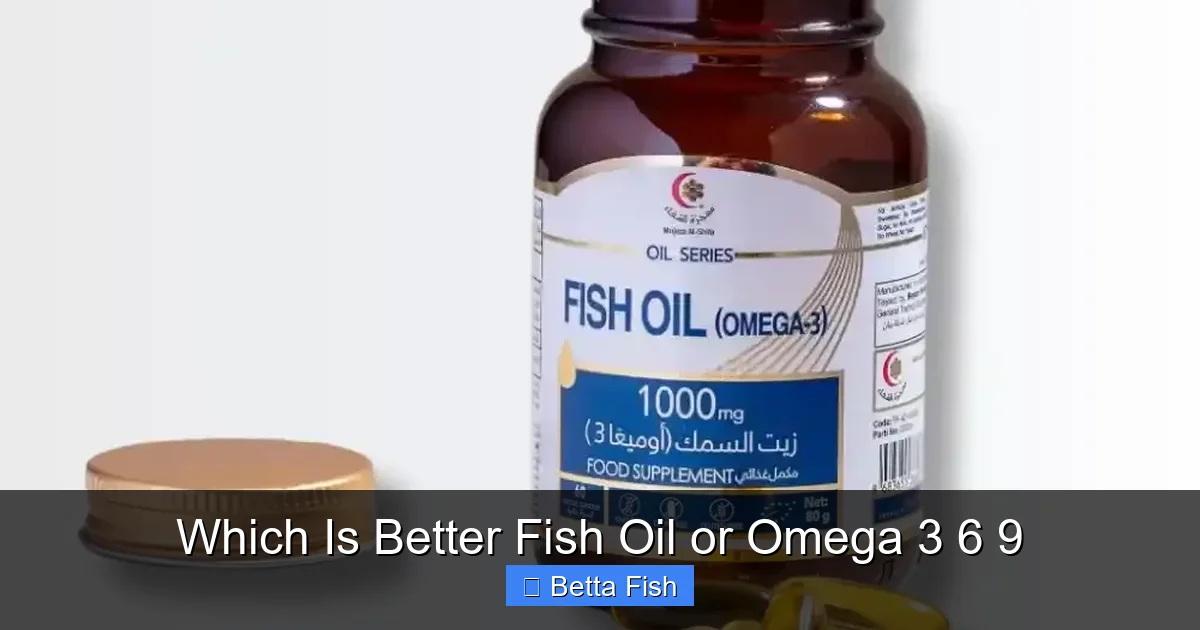
Now we get to the heart of the matter: which is better fish oil or omega 3 6 9 for your Betta? To answer this, we need to look at three critical factors: the specific fatty acids Betta fish require, the role of omega-6 and 9, and the importance of balance.
Visual guide about Which Is Better Fish Oil or Omega 3 6 9
Image source: mujeza.com
Omega-3: The Essential for Fish
As established, Betta fish have a high demand for EPA and DHA. These long-chain omega-3s are structural components of cell membranes, particularly in the brain, eyes, and fins. They also produce anti-inflammatory compounds that help Betta fish fight off diseases like fin rot or velvet. Fish oil delivers these directly. Omega 3-6-9 blends, if plant-based, provide mostly ALA, which Betta fish convert to EPA/DHA at a rate of less than 5% (if at all). So even if an omega 3-6-9 supplement lists a high total omega-3 content, it’s mostly ALA—useless for your Betta’s immediate needs. Fish oil is the clear winner for providing usable omega-3s.
Consider this: a Betta fish’s brain is rich in DHA. DHA supports neural development and cognitive function. Inadequate DHA can lead to poor learning, reduced stress tolerance, and even neurological issues. Since Betta fish are intelligent and interactive pets, supporting their brain health with direct DHA sources like fish oil is a wise move. Plant-based ALA simply doesn’t cut it.
The Role of Omega-6 and 9
Omega-6 fatty acids are not inherently bad; they’re essential for growth and cell function. However, they are pro-inflammatory when consumed in excess relative to omega-3s. In the wild, Betta fish get a small, balanced amount of omega-6 from their prey. Omega-9s are non-essential and can even inhibit the absorption of omega-3s if present in high amounts. Most omega 3-6-9 supplements have a ratio of omega-6 to omega-3 that’s wildly skewed—often 4:1 or higher. For Betta fish, whose natural diet has a ratio closer to 1:1 or 2:1, this can promote chronic inflammation, weaken the immune system, and potentially exacerbate issues like swelling or fin damage. Introducing a high-omega-6 supplement to a Betta is like adding fuel to a fire you don’t want.
Inflammation is a silent killer in aquarium fish. It underlies many common diseases, from fungal infections to internal organ damage. By maintaining a proper omega-6:omega-3 ratio, you’re helping your Betta manage inflammation naturally. Fish oil, with its high omega-3 and negligible omega-6 content, supports this balance. Omega 3-6-9 supplements, with their often high omega-6 content, do the opposite.
Balance and Ratios
The concept of “fatty acid balance” is everything. Imagine your Betta’s body as a finely tuned machine. The omega-6:omega-3 ratio is like the fuel mix—too much of one throws everything off. Scientific studies on fish nutrition (though more focused on food fish like salmon or trout than Bettas) consistently show that diets high in omega-6 and low in omega-3 lead to poor growth, increased disease susceptibility, and reduced reproductive success. While specific research on Betta fish is limited, their carnivorous nature suggests they are adapted to a low-omega-6, high-omega-3 diet. Omega 3-6-9 supplements, by design, don’t mimic this natural ratio. They’re made for omnivorous humans who eat a mix of plants and animals. For your Betta, fish oil provides a cleaner, more targeted omega-3 boost without the inflammatory omega-6 overload.
Let’s put numbers to it. A typical high-quality fish oil might have an omega-6:omega-3 ratio of 1:10 or better (very low omega-6). A common plant-based omega 3-6-9 supplement might have a ratio of 4:1 or even 10:1 in favor of omega-6. That’s the opposite of what your Betta needs. So, when you ask which is better fish oil or omega 3 6 9, the ratio alone gives a strong answer: fish oil aligns with Betta physiology; omega 3-6-9 does not.
Practical Tips for Supplementing Your Betta’s Diet
Okay, so you’re convinced fish oil is the way to go. But how do you actually use it safely and effectively? Supplementing a Betta’s diet isn’t as simple as dumping a capsule into the tank. Bettas are small, sensitive fish with precise needs. Here’s your step-by-step guide to doing it right.
How to Choose the Right Product
First, select a high-quality, pure fish oil. Look for these labels:
- “Molecularly distilled”: This removes toxins and ensures purity.
- High EPA/DHA content: Aim for at least 500 mg combined EPA and DHA per serving (for human products; you’ll use a fraction).
- No added flavors, colors, or preservatives: Bettas don’t need extras that could harm them.
- From reputable brands: Check reviews and third-party testing (like IFOS or USP certification).
Avoid fish oil supplements that also contain omega-6 or 9 oils (like borage or flaxseed). You want pure marine oil. If you’re using a human softgel, ensure it’s just fish oil—no vitamin E or other additives that might be unsafe for fish in high doses. When in doubt, consult your local aquarium store or a vet specializing in fish. Some pet stores even carry fish oil specifically for aquarium fish, which is ideal.
Dosage and Administration
Bettas are tiny—often just 2-3 inches long. Their caloric needs are minuscule compared to ours. Less is more. Here’s a safe starting point:
- For a 5-gallon tank with one Betta, use 1 drop of liquid fish oil per week, mixed thoroughly with a small amount of high-quality pellet or frozen food (like brine shrimp or daphnia).
- If using a softgel, puncture it and squeeze out a tiny drop—think the size of a grain of rice—onto food.
- Never add oil directly to the water; it will coat the surface, reduce oxygen exchange, and foul the tank, leading to poor water quality and potential respiratory stress for your Betta.
- Feed the oil-coated food as a treat, not a staple, 1-2 times per week. Your Betta’s primary diet should be a complete Betta pellet that already contains balanced nutrients.
Observe your Betta closely after feeding. If it shows signs of digestive distress (constipation, bloating) or lethargy, reduce the dosage. Remember, Betta fish get all their nutrients from their primary diet; supplements are just that—supplements. Over time, you can adjust based on your Betta’s response—brighter colors and active behavior indicate you’re on the right track.
Signs of Deficiency or Excess
How do you know if your Betta needs (or is getting too much) fish oil?
- Deficiency signs: Faded or dull colors, chronic fin rot or fraying, frequent infections (like white spot or velvet), lethargy, poor appetite despite good water quality. These could signal a lack of omega-3s, though always rule out other causes first.
- Excess signs: Cloudy eyes, swollen abdomen, constipation (stringy feces), poor water quality from uneaten oily food, or swim bladder issues from too much fat in the diet.
If you notice any of these, adjust the supplement regimen and review your overall diet. A high-quality Betta pellet should already contain some fish-derived oils; you’re only boosting if needed. When in doubt, less is more. You can always add a tiny bit more later if colors seem lackluster, but it’s harder to reverse the effects of over-supplementation.
Common Myths and Misconceptions
The world of supplements is rife with misinformation. Let’s bust a few myths that could be leading you astray when deciding which is better fish oil or omega 3 6 9 for your Betta.
“More Fatty Acids Are Always Better”
False. More is not better when it comes to fats for Betta fish. Their systems are designed for a specific balance. Overloading on omega-3s (though rare from fish oil) can still cause digestive upset or interfere with other nutrients. More commonly, the problem is an imbalance from omega 3-6-9 blends that introduce too much omega-6. Think of it like seasoning—you need just the right amount to enhance flavor, not drown the dish. Betta fish have a limited capacity to process fats; excess can lead to fatty liver disease, a serious condition in fish.
“All Supplements Are Created Equal”
Absolutely not. The source, purity, and form of a fatty acid supplement determine its effectiveness. Plant-based omega-3s (ALA) are practically useless for Betta fish because they can’t convert them efficiently. Even among fish oils, quality varies wildly. Some are oxidized (rancid), which is toxic and promotes oxidative stress. Others have low EPA/DHA content or are mixed with cheaper oils. Always read labels, choose reputable brands with third-party testing, and when possible, opt for products specifically formulated for fish or pets rather than human supplements, as they’re more likely to have appropriate dosages and no harmful additives.
Another myth: “I can use vegetable oil instead.” No. Vegetable oils are high in omega-6 and omega-9 but almost no EPA/DHA. They will not provide the benefits your Betta needs and may cause harm. Stick to pure fish oil.
Conclusion
So, after our deep swim through the fatty acid waters, what’s the final verdict? When it comes to which is better fish oil or omega 3 6 9 for your Betta fish, the evidence points strongly to fish oil as the superior choice. Betta fish are carnivores with a biological need for marine-derived EPA and DHA—nutrients that fish oil delivers directly and efficiently. Omega 3-6-9 supplements, while beneficial for humans with different dietary needs, typically introduce an imbalanced ratio of fatty acids that can promote inflammation and disrupt your Betta’s delicate physiology. Remember, your Betta’s primary diet should be a high-quality, protein-rich pellet or frozen food. Supplements like fish oil are just that—supplements—to address specific deficiencies or boost vibrancy. Use them sparingly, with careful dosing, and always prioritize purity. By aligning your Betta’s nutrition with what it would eat in the wild, you’re giving it the best shot at a long, colorful, and healthy life. And isn’t that what every Betta parent wants? Now go forth and keep those fins flowing!
Frequently Asked Questions
Can I use the same fish oil supplement I take for my Betta fish?
While pure fish oil is generally safe, human supplements often contain additives like gelatin, flavorings, or high doses of vitamins that could harm your Betta. Always choose a product labeled for aquarium use or consult a vet before using human-grade fish oil.
How frequently should I add fish oil to my Betta’s diet?
For most Betta fish, 1-2 times per week is sufficient. Over-supplementing can lead to fatty liver disease or water quality issues. Start with once a week and monitor your fish’s response before increasing frequency.
Will omega 3-6-9 supplements harm my Betta fish?
They likely won’t provide benefits and could cause harm due to imbalanced fatty acid ratios. High omega-6 content may promote inflammation and weaken the immune system over time. It’s best to avoid them for Betta fish.
What are the signs that my Betta needs a fatty acid supplement?
Look for faded colors, chronic fin rot, frequent infections, or lethargy despite good water quality. These can signal a nutritional deficiency. However, always rule out other causes like poor water parameters or disease first.
Are there any risks associated with fish oil for Betta fish?
The main risks are dosage-related—too much can cause digestive upset, constipation, or swim bladder issues. Rancid oil (from improper storage) is toxic. Always use fresh, high-quality oil in tiny amounts and store it in the refrigerator.
Can I use plant-based omega-3 sources like flaxseed oil for my Betta?
No. Betta fish have very limited ability to convert ALA from plant sources into the essential EPA and DHA they need. Flaxseed oil is ineffective for meeting their omega-3 requirements and may add undesirable omega-6 fats.