What Is the Best Size Tank for a Betta Fish Guide

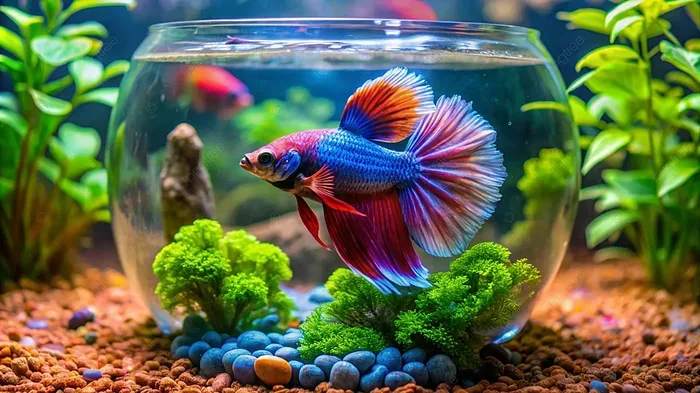
Finding the right home for your betta starts with one key question: what is the best size tank for a betta fish? Many new owners choose tiny bowls, but those setups often lead to stress and poor water quality. A larger tank gives your fish room to swim and makes care much easier. This guide breaks down the ideal gallon sizes, tank shapes, and simple rules to help you pick the perfect aquarium for your vibrant companion.
Choosing a home for your betta fish can feel overwhelming at first. Pet stores display tiny bowls that look cute and affordable. Those small containers seem convenient, but they rarely give your fish the life it deserves. What is the best size tank for a betta fish? The answer surprises many new owners. A larger aquarium actually makes care easier and keeps your fish healthier for years.
Bettas come from shallow rice paddies in Southeast Asia. People often mistake that natural habitat for a sign that they thrive in cramped spaces. Those wild waters are warm, clean, and connected to vast ecosystems. Your home aquarium cannot mimic a whole river system, so you must create a stable mini-environment instead. The right tank size sets the foundation for that balance.
This guide walks you through every important detail. You will learn why gallon size matters, how tank shape affects oxygen levels, and which common mistakes to avoid. We will also share practical tips for setting up your first aquarium. By the end, you will feel confident picking the perfect tank for your colorful friend.
Key Takeaways
- Five gallons is the sweet spot: A 5-gallon tank offers enough space for swimming and keeps water conditions stable.
- Small bowls cause problems: Tanks under 2 gallons lead to rapid temperature swings and poor water quality.
- Bigger tanks are easier to maintain: Larger water volumes dilute waste, making weekly cleanups simpler and safer.
- Tank shape matters: Long tanks provide more surface area for oxygen exchange than tall, narrow tanks.
- Avoid overcrowding: Bettas prefer calm spaces, so keep tank mates minimal and choose peaceful species carefully.
- Heaters and filters are essential: Even in small tanks, proper equipment keeps water warm and clean for your fish.
- Upgrade when needed: If your betta seems stressed or water quality drops quickly, moving to a larger tank improves health.
📑 Table of Contents
- Understanding What Is the Best Size Tank for a Betta Fish
- Tank Shape and Surface Area Matter Just as Much
- Equipment Needs Change With Tank Size
- Water Changes and Maintenance Become Easier in Larger Tanks
- Decor, Plants, and Tank Mates Fit Better in the Right Size Tank
- Common Mistakes When Choosing a Betta Tank
- Comparing Common Tank Sizes for Betta Fish
- Expert Insights for Long-Term Betta Happiness
- Conclusion
Understanding What Is the Best Size Tank for a Betta Fish
When you ask what is the best size tank for a betta fish, the most common expert answer is five gallons. That number gives your fish enough room to explore while keeping water conditions steady. Smaller tanks trap waste quickly and shift temperature fast. Larger tanks hold more water, which acts like a buffer against sudden changes.
Think of water volume like a financial savings account. A tiny bowl is like keeping all your money in a single pocket. One spill or sudden expense ruins everything. A bigger tank is like a bank account with a healthy balance. It absorbs small mistakes and gives you time to fix problems before they harm your fish.
Many beginners believe bettas need only a cup of water because they see them sold that way. Those display cups are temporary transport containers, not permanent homes. Your betta will live much longer and show brighter colors in a proper aquarium. The extra space also reduces aggression and stress, which leads to a calmer pet.
Why Five Gallons Works So Well
A five-gallon tank strikes the perfect balance for most hobbyists. It fits easily on a desk or shelf without taking over a room. The water volume stays stable enough for a basic heater and gentle filter. You can also add live plants, which improve water quality and give your betta hiding spots.
Five gallons allows room for a simple setup without overwhelming your budget. You can find affordable kits that include lights, lids, and filters. Those starter packages remove guesswork and help you begin quickly. As you gain experience, you can upgrade to a bigger tank or add safe tank mates.
What Happens in Tanks Smaller Than Five Gallons
Tanks under two gallons create constant headaches. Waste builds up fast because there is less water to dilute it. Ammonia spikes happen quickly and can burn your fish gills. Temperature swings also stress bettas, since small water volumes cool down or heat up in minutes.
Maintenance becomes a daily chore in tiny setups. You must test water more often and perform frequent partial changes. Even careful cleaning can disturb your fish and disrupt the environment. Over time, those stressful conditions shorten your betta lifespan and dull its bright colors.
Tank Shape and Surface Area Matter Just as Much
Gallon count tells only part of the story. What is the best size tank for a betta fish also depends on shape and surface area. Bettas breathe air from the top of the water, so a wide opening helps them thrive. Long tanks usually beat tall tanks because they offer more swimming space and better gas exchange.
A tall, narrow tank might hold five gallons, but it limits movement. Your betta may feel cramped even with enough water volume. A rectangular tank with a broad surface lets your fish glide across the tank and reach the surface easily. That design also supports better oxygen levels for your fish and any beneficial bacteria.
Choosing Between Long and Tall Tanks
Long tanks work best for active bettas that like to patrol their territory. They mimic the shallow, spread-out waters where bettas naturally live. Tall tanks can work if your room has limited floor space, but you should watch for low oxygen signs. If your fish hangs near the top constantly, it may need more surface area.
You should also consider lid clearance. Bettas can jump when startled, so a secure cover protects them. Some tall tanks come with tight glass lids that reduce evaporation but limit access. Pick a setup that balances safety, access, and the swimming style your betta prefers.
Equipment Needs Change With Tank Size
The size of your aquarium affects the gear you need. A five-gallon tank usually requires a small heater, a gentle filter, and a basic light. Those tools keep water warm, clean, and visually appealing. In very small containers, equipment options become limited and often too strong for a delicate fish.
Filtration deserves special attention. Many owners wonder can you use a filter in a betta fish tank without stressing the fish. The answer is yes, but the flow must stay gentle. Bettas dislike strong currents that push them around. A sponge filter or low-flow cartridge filter works beautifully in a small aquarium.
Heaters and Temperature Stability
Bettas prefer warm water between 76 and 80 degrees Fahrenheit. Small bowls lose heat quickly, forcing your fish to cope with uncomfortable swings. A reliable heater in a five-gallon tank keeps temperature steady and reduces illness. Consistent warmth also supports digestion, immunity, and normal activity.
Always match your heater to the tank size. Oversized heaters can overheat tiny volumes, while undersized heaters struggle to maintain warmth. Follow the manufacturer guidelines and test the water with a separate thermometer. That simple habit prevents dangerous temperature mistakes.
Filters and Water Quality
Good filtration removes debris and supports helpful bacteria. Those bacteria break down harmful waste and keep your tank balanced. When people ask can you use a filter in a betta fish tank, they often worry about noise or current. Modern small filters run quietly and create gentle movement that bettas tolerate well.
If your fish struggles against the flow, you can baffle the output with a small sponge or adjust the flow control. Clean the filter media in old tank water during water changes, not tap water. That practice preserves the beneficial bacteria your aquarium needs.
Water Changes and Maintenance Become Easier in Larger Tanks
Surprisingly, bigger tanks often demand less intense upkeep. A larger water volume dilutes waste, so ammonia and nitrite rise more slowly. That extra buffer gives you more time between cleanings. In tiny bowls, one missed water change can turn dangerous fast.
Weekly partial water changes still matter in any tank size. Replace about twenty-five percent of the water to remove excess nitrates and refresh minerals. Use a gravel vacuum to lift debris from the substrate. If you want help with that process, you can read more about can i use a vacum for betta fish tank cleaning routines.
Testing Water Keeps Your Betta Safe
Water testing protects your fish more than guesswork ever will. A simple test kit shows ammonia, nitrite, nitrate, and pH levels. Those numbers tell you when to change water or adjust your setup. New owners often skip testing and only react when their fish looks sick. By then, the problem may already be serious.
Keep a small notebook or phone reminder for your testing schedule. Consistency builds confidence and helps you spot trends. If nitrate climbs quickly, you may need more frequent changes or fewer feedings. Tracking results also makes upgrading to a larger tank easier to plan.
Decor, Plants, and Tank Mates Fit Better in the Right Size Tank
Tank size influences everything you place inside it. A cramped bowl leaves no room for plants, hides, or companions. A five-gallon or larger aquarium gives you space to create a natural-looking environment. Live plants absorb nitrates and give your betta shaded areas to rest. Smooth decorations prevent torn fins and reduce stress.
You may want to add lucky bamboo or other safe plants for a softer look. If you wonder can you put lucky bamboo in a betta fish tank, the answer depends on how you arrange it. Keep parts of the plant above water when possible and avoid harsh chemicals from the nursery. That setup can work beautifully in a larger tank with stable water.
Choosing Safe Tank Mates
Bettas can share a tank with peaceful companions, but only when the aquarium is big enough. Small tanks force everyone into close quarters and increase conflict. If you plan to add other fish, start with a larger setup and research compatibility carefully. You can learn more about can you have other fish in a betta tank before making any changes.
Snails often make calm cleanup helpers in bigger tanks. They graze on algae and leftover food without bothering your betta. If you want to know can snails go in a tank with betta fish, the answer is usually yes in a spacious aquarium with enough food and hiding spots. Avoid adding too many companions at once, since that can upset the balance.
Common Mistakes When Choosing a Betta Tank
New owners make several repeatable errors when picking an aquarium. Avoiding these traps saves money and protects your fish. Below are the most common mistakes and how to prevent them.
- Picking a bowl for convenience: Small bowls look simple, but they create unstable water and limited space. Choose at least five gallons for a healthier setup.
- Ignoring surface area: A tall tank may hold enough water but limit oxygen exchange. Favor wider, longer tanks when possible.
- Skipping a heater: Bettas need warm water. Without a heater, temperature drops can weaken their immune system.
- Using strong filters: Powerful currents stress bettas. Select gentle filtration and adjust the flow if needed.
- Overcrowding too soon: Adding too many fish or snails in a small tank spikes waste and aggression. Introduce companions only after the tank cycles and has enough room.
- Cleaning with soap or harsh chemicals: Residues can harm fish and beneficial bacteria. If you ever wonder can you use soap to clean a betta fish tank, the safe answer is no. Rinse equipment with warm water only.
Quick Tips for a Smooth Setup
Start with a simple plan and build gradually. Measure your available space before buying a tank. Check that your floor or shelf can support the filled weight, since water is heavy. Place the aquarium away from direct sunlight to reduce algae growth and temperature swings.
Cycle your tank before adding your betta if possible. That process grows beneficial bacteria that process waste. You can also ask can you put a betta in a regular fish tank and get started with standard freshwater supplies. A regular tank works well as long as the water stays warm, clean, and calm.
Comparing Common Tank Sizes for Betta Fish
Different tank sizes suit different goals. The table below compares popular options so you can choose wisely.
| Tank Size | Best For | Maintenance Level | Notes |
|---|---|---|---|
| 1 to 2 gallons | Short-term transport only | Very high | Not recommended for permanent housing. Water quality drops quickly. |
| 2.5 to 3 gallons | Small apartments, compact spaces | High | Better than bowls, but still requires frequent water changes. |
| 5 gallons | Most beginners and long-term care | Moderate | Stable water, easy equipment fit, and room for plants or simple decor. |
| 10 gallons | Owners who want tank mates or extra swimming space | Moderate to low | More stable water and easier to maintain, but needs more room and budget. |
As the chart shows, five gallons remains the most practical starting point for most people. Ten gallons becomes attractive if you have space and want a more stable system. Very small tanks demand much more attention and often shorten the enjoyable experience of fishkeeping.
Expert Insights for Long-Term Betta Happiness
Experienced keepers focus on stability over novelty. A tank that stays clean, warm, and calm gives your betta the best chance to thrive. Regular feeding, gentle lighting, and a predictable routine all support good health. If your fish flares often or hides constantly, review the tank size, current, and decor arrangement.
Many hobbyists also ask can you put a lid on my betta fish tank to reduce evaporation and jumping. A secure lid helps, but leave enough gap for airflow. Bettas need access to the surface for breathing, so avoid sealing the tank too tightly. Balance safety with proper ventilation.
When to Upgrade Your Tank
You may need a larger aquarium if water quality crashes frequently, your fish seems cramped, or you want to add companions. Upgrading is normal and often improves everyone’s life. Move your fish carefully, match the water parameters, and give it time to adjust. A bigger home usually brings calmer behavior and brighter colors.
Conclusion
So, what is the best size tank for a betta fish? For most owners, a five-gallon tank with a gentle filter, a reliable heater, and a wide surface area offers the best balance of space, stability, and ease. Smaller bowls may look charming, but they create stressful conditions that make care harder and shorten your fish lifespan. Larger tanks give you more room for plants, safe decor, and even peaceful companions while keeping water quality easier to manage.
Pick a tank that fits your space, budget, and willingness to maintain it. Start with the right size, cycle the water, and keep a simple care routine. Your betta will reward you with vivid colors, active swimming, and a calmer temperament. With the right aquarium, you give your fish not just a container, but a true home.
Frequently Asked Questions
What is the best size tank for a betta fish for beginners?
A five-gallon tank is the best starting choice for most beginners. It provides stable water, enough space for swimming, and room for a small heater and gentle filter. That size keeps maintenance manageable while giving your betta a healthier home.
Can a betta fish live in a 1-gallon tank?
A betta may survive in a 1-gallon tank for a short time, but it is not a good permanent home. Tiny water volumes cause rapid temperature changes and quick waste buildup. A larger tank is much safer and easier to maintain.
Is a 10-gallon tank too big for a betta fish?
A 10-gallon tank is not too big and can be an excellent choice if you have the space. Larger water volume improves stability and makes water changes less stressful. Just make sure the tank has a gentle filter and a secure lid.
Do betta fish need a filtered tank?
Yes, most bettas do best in a filtered tank because filtration helps keep water clean and supports beneficial bacteria. The key is choosing a low-flow filter so the current does not stress the fish. Proper filtration makes long-term care much easier.
What shape tank is best for a betta fish?
A long, rectangular tank is usually best because it offers more surface area and swimming space. Wide tanks support better oxygen exchange and give your betta room to patrol its territory. Tall, narrow tanks can work, but they often limit movement and airflow.
Can I add tank mates in a small betta tank?
It is best to avoid adding tank mates in a small tank because close quarters increase stress and conflict. If you want companions, choose a larger aquarium and research peaceful species first. Snails or very calm fish may work in a spacious, well-maintained setup.