
Can Guppies Live with Betta Fish
Can guppies live with betta fish? Yes, but success depends on tank size, gender, temperament, and proper setup. Follow these friendly guidelines to create a harmonious home for both colorful species.
Key Takeaways
- Tank size matters: A minimum of 20 gallons gives both fish room to claim territories.
- Gender is crucial: Male bettas are often aggressive toward guppies; females are more tolerant.
- Water parameters should match: Keep temperature around 78‑80 °F and pH 6.5‑7.5 for both species.
- Plant cover and hiding spots: Live plants, driftwood, and ornaments reduce stress and visual confrontations.
- Introduce slowly and monitor: Use a divider or a quarantine tank first, then watch for signs of bullying.
- Feed a varied diet: High‑quality flakes, frozen brine shrimp, and occasional vegetable matter keep both fish healthy.
- Know the alternatives: If compatibility fails, consider other peaceful tank mates like neon tetras or dwarf gouramis.
📑 Table of Contents
Introduction: The Dream of a Colorful Community
Imagine a sparkling aquarium where the flamboyant fins of a betta dance alongside the neon‑bright tails of guppies. It sounds like a perfect Instagram post, right? Many hobbyists ask, can guppies live with betta fish without turning the tank into a battlefield. The answer isn’t a simple yes or no—it’s a blend of science, observation, and a dash of patience.
In this guide, we’ll walk you through everything you need to know before mixing these two popular species. From water chemistry to personality quirks, we’ll give you practical steps to set up a peaceful tank, plus troubleshooting tips if things go south. By the end, you’ll feel confident deciding whether your betta and guppies can become tank‑room roommates.
Understanding the Species
Betta Fish: The Solo Performer
Betta splendens, often called the Siamese fighting fish, is famous for its striking colors and long, flowing fins. In the wild, males guard tiny bubble‑nest territories and will fiercely defend them against intruders. This territorial nature makes them excellent stand‑alone specimens, but it also means they can view other fish—especially those with bright colors or long fins—as rivals.

Visual guide about Can Guppies Live with Betta Fish
Image source: infishtank.com
Females are generally less aggressive, yet they still possess a streak of territoriality. Knowing whether your betta is male or female is the first step in answering the big question.
Guppies: The Social Sprinters
Guppies (Poecilia reticulata) are live‑bearers that love to school. Their easy‑going temperament and prolific breeding make them a favorite for community tanks. They’re small—usually 1.5‑2 inches—and love to dart around plants and decorations.
Because guppies are active swimmers, they need open swimming space and plenty of cover to feel safe. Their bright colors can sometimes attract the attention of a betta, especially a male.
Why Compatibility Can Be Tricky
Both fish thrive in similar water conditions, which is a good start. However, the betta’s territorial instinct can clash with the guppy’s schooling habit. The key is to manage the environment so that each species feels secure.
For a deeper dive into male betta behavior, check out Can Male Betta Fish Live With Guppies. This article explains how gender influences aggression, which we’ll cover in detail below.
Setting Up the Perfect Tank
Size and Shape: Give Them Space to Breathe
The rule of thumb for mixed betta tanks is at least 20 gallons. A larger volume dilutes aggression and provides separate zones for each fish. Long, rectangular tanks work better than tall, narrow ones because they create distinct front‑to‑back territories.

Visual guide about Can Guppies Live with Betta Fish
Image source: infishtank.com
Water Parameters: One Recipe for Two
- Temperature: 78‑80 °F (25.5‑26.5 °C). Both bettas and guppies are tropical and love warm water.
- pH: 6.5‑7.5. Slightly acidic to neutral works well for both.
- Hardness: 5‑12 dGH. Soft to moderately hard water is ideal.
Maintain stable parameters with a reliable heater and a good quality filter. Sudden changes can stress either fish and trigger aggression.
Plants, Hides, and Décor: The Peace‑Making Toolbox
Live plants such as Java fern, Anubias, and Amazon swords not only improve water quality but also create natural barriers. Add floating plants like duckweed to break line‑of‑sight. Rocks, driftwood, and ceramic caves give guppies places to dart into and bettas places to claim as “personal space.”
Think of the tank as a miniature city: each fish should have its own “neighborhood.” This reduces the chances that a betta will see a guppy as a target.
Filtration and Flow: Gentle Does It
Bettas are labyrinth fish that breathe air from the surface, but they still appreciate gentle water movement. A sponge filter or a low‑flow hang‑on‑back unit is ideal. Too strong a current will exhaust guppies and make the betta work harder to breathe.
Lighting: Set the Mood
Provide 8‑10 hours of light per day. Dimmer periods give both species a chance to rest and reduces stress. Use a timer to keep the schedule consistent.
Introducing Guppies to a Betta
Step‑by‑Step Introduction Process
- Quarantine: Keep new guppies in a separate tank for at least two weeks to clear any diseases.
- Use a Divider: Place a clear acrylic divider in the main tank. This lets both fish see each other without direct contact.
- Observe Behavior: Watch for flaring, chasing, or frantic swimming. If the betta remains calm, you’re on the right track.
- Gradual Removal: After 48‑72 hours, slowly lift the divider and watch for immediate reactions. If the betta attacks, re‑insert the divider and give it more time.
- Full Release: Once both fish ignore each other or show mild curiosity, you can fully release the guppies.
Patience is key. Rushing the introduction often leads to stress and possible injury.
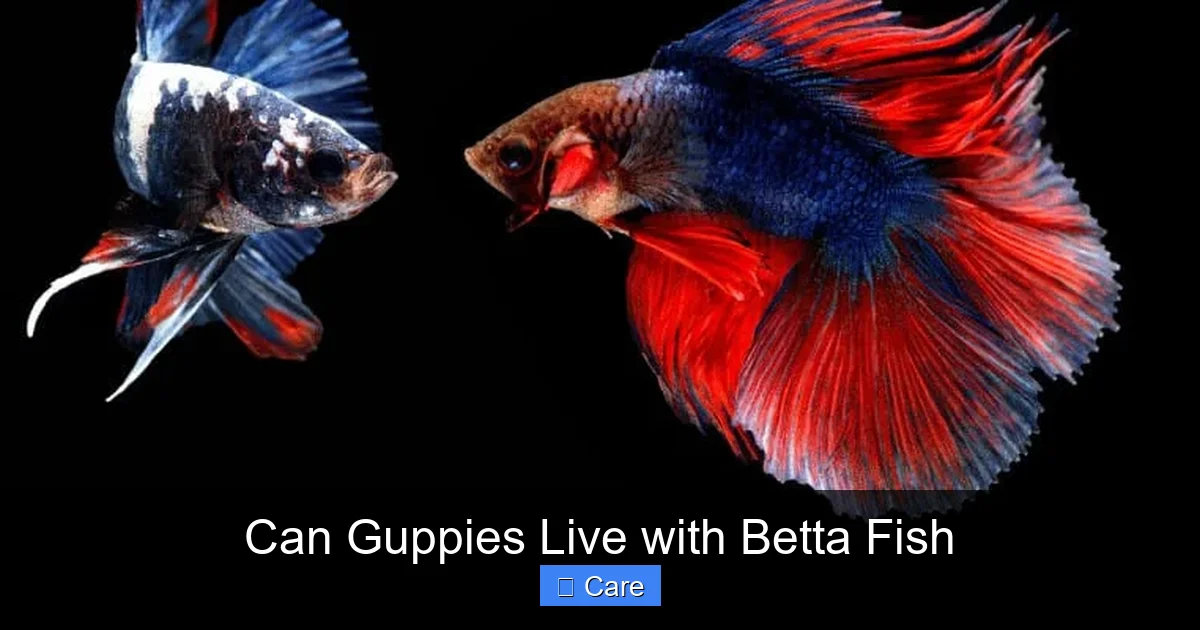
Visual guide about Can Guppies Live with Betta Fish
Image source: aquariumsphere.com
Signs of Compatibility vs. Conflict
- Positive signs: Both fish swim calmly, occasional curiosity peeks, no fin nipping.
- Warning signs: Betta flares repeatedly, chases, guppies hide constantly, fin damage.
If you notice any warning signs, consider re‑arranging décor, adding more plants, or separating the fish permanently.
Feeding Both Species Together
Diet Basics
Bettas are carnivorous; they thrive on high‑protein foods like frozen bloodworms, brine shrimp, and betta‑specific pellets. Guppies are omnivores and enjoy flake foods, micro‑worms, and vegetable matter such as blanched spinach.
Feeding Strategies
- Spot feeding: Use a small spoon or pipette to drop food near the guppies first, then add betta pellets.
- Multiple feeding stations: Place food in different corners so the betta can’t dominate the entire tank.
- Live foods: Offer frozen brine shrimp to both; it’s a protein boost and encourages natural hunting behavior.
Balanced nutrition keeps both fish healthy and less likely to act out from hunger.
When Things Go Wrong: Troubleshooting
Common Problems
- Fin nipping: Usually a sign the betta feels its territory is threatened.
- Stress coloration: Guppies may turn pale or hide more often.
- Water quality spikes: Over‑feeding or a dead fish can cause ammonia spikes, increasing aggression.
Solutions and Adjustments
- Re‑arrange décor: Move plants and rocks to break direct sight lines.
- Increase tank size: If space is limited, upgrading to a larger aquarium often resolves aggression.
- Separate temporarily: Use a breeder box or a second tank while you re‑evaluate compatibility.
When to Say Goodbye
If after several weeks the betta continues to harass the guppies, it’s kinder to relocate one species. A community tank should be a stress‑free environment for all inhabitants.
Alternative Tank Mates for Bettas
If guppies aren’t a good fit, there are plenty of other peaceful fish that share similar water needs. Consider small tetras, rasboras, or dwarf gouramis. For a full list of compatible species, see What Other Fish Can Live With Betta Fish. These options often provide the same splash of color without the risk of territorial clashes.
Conclusion: Making an Informed Decision
So, can guppies live with betta fish? The short answer is yes—under the right conditions. A spacious, well‑planted tank, careful monitoring of gender and temperament, and a gradual introduction process are the pillars of success. Remember that every fish has a unique personality; what works for one betta may not work for another.
Take the time to set up the environment, watch the interactions, and be ready to adjust. When done right, the combination of a graceful betta and a lively school of guppies can create a stunning, dynamic display that will keep you smiling for years to come.
Frequently Asked Questions
Can a male betta live with guppies?
Male bettas are often aggressive toward guppies, especially if the guppies have bright colors or long fins. If you try it, use a large, heavily planted tank and monitor closely.
Do female bettas get along better with guppies?
Female bettas tend to be less territorial, making them a better match for guppies. Still, provide plenty of hiding spots and keep an eye on any sudden changes in behavior.
What temperature should I keep for a betta‑guppy tank?
Both species thrive at 78‑80 °F (25.5‑26.5 °C). Maintaining a stable temperature helps reduce stress and aggression.
How many guppies can I keep with one betta?
Start with a small group of 3‑5 guppies in a 20‑gallon tank. Too many guppies can create a “school” that triggers the betta’s territorial instincts.
What are the signs that my betta is bullying the guppies?
Look for flaring, chasing, fin nipping, and guppies hiding constantly. If you see these signs, consider rearranging the tank or separating the fish.
Are there other fish that are safer than guppies for a betta tank?
Yes. Small, non‑fin‑showing fish like neon tetras, rasboras, or dwarf gouramis are often safer choices. See What Other Fish Can Live With Betta Fish for more ideas.