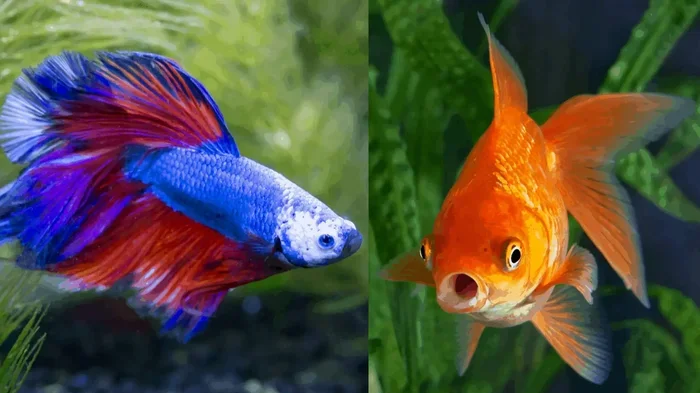
Do Betta Fish Grow
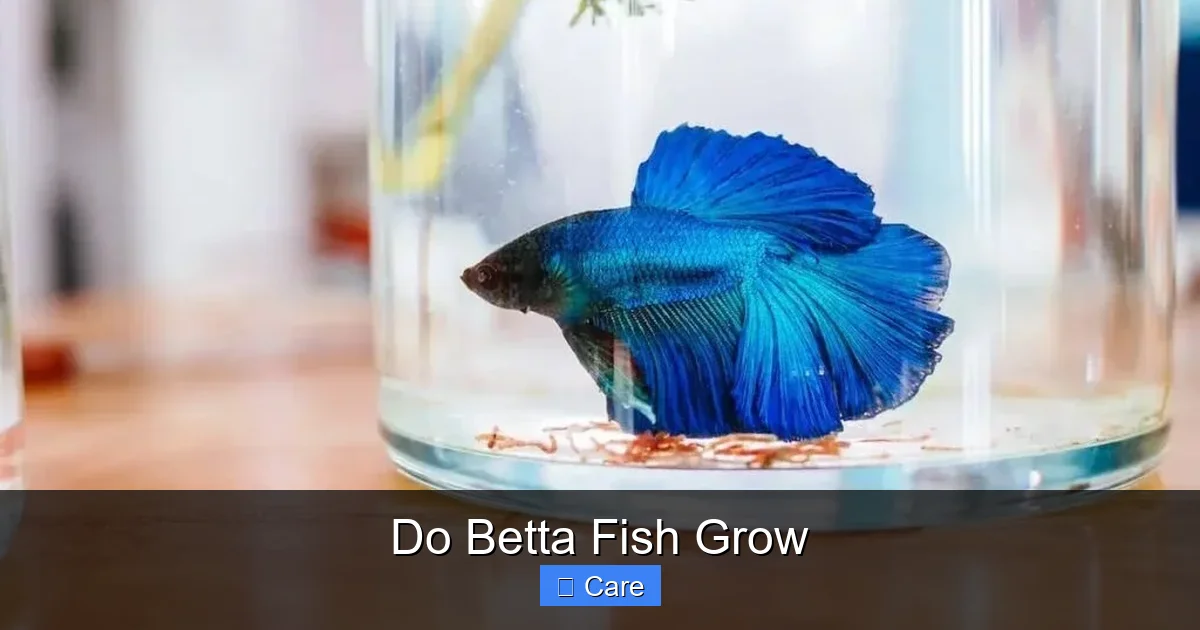
Betta fish do grow, but their size depends on genetics, gender, tank conditions, and nutrition. Understanding each growth stage—from fry to adult—helps you provide the right environment for a healthy, vibrant Betta.
Key Takeaways
- Growth varies by gender: Males typically reach 2.5‑3 inches, females slightly smaller.
- Tank size matters: A 5‑gal minimum encourages proper development.
- Nutrition is key: High‑protein diets support faster, healthier growth.
- Water quality influences size: Stable temperature and clean water prevent stunted growth.
- Genetics set limits: Some bettas are naturally larger or smaller.
- Growth slows after 6‑8 weeks: Most size is achieved by the end of the first two months.
- Regular monitoring: Watching fin condition and behavior reveals if growth is on track.
📑 Table of Contents
- Introduction: Why Size Matters for Betta Fish
- 1. The Science of Betta Growth
- 2. How Fast Do Betta Fish Grow?
- 3. Factors That Influence Betta Growth
- 4. Common Myths About Betta Size
- 5. How to Encourage Healthy Growth
- 6. When Growth Stops: Signs of Trouble
- Conclusion: Helping Your Betta Reach Its Full Potential
Introduction: Why Size Matters for Betta Fish
When you bring home a bright‑colored Betta, the first question is often, “How big will it get?” Knowing the answer helps you set up the right tank, choose proper food, and avoid common mistakes that keep your fish small or unhealthy. In this guide we’ll walk through the entire growth journey—from the tiny fry that hatch from eggs to the mature adult that flaunts its fins. Along the way we’ll share practical tips, real‑world examples, and answers to the most common concerns.
Whether you’re a first‑time hobbyist or a seasoned breeder, understanding the factors that affect Betta growth lets you create an environment where your fish can thrive. Let’s dive in!
1. The Science of Betta Growth
1.1 How Betta Fish Develop
Betta fish are live‑bearers that hatch from eggs as tiny, transparent fry. In the first week they rely on their yolk sac for nutrition, then begin to feed on infusoria and baby brine shrimp. By the third week they look like miniature versions of adult bettas, and growth accelerates as they start eating larger foods.
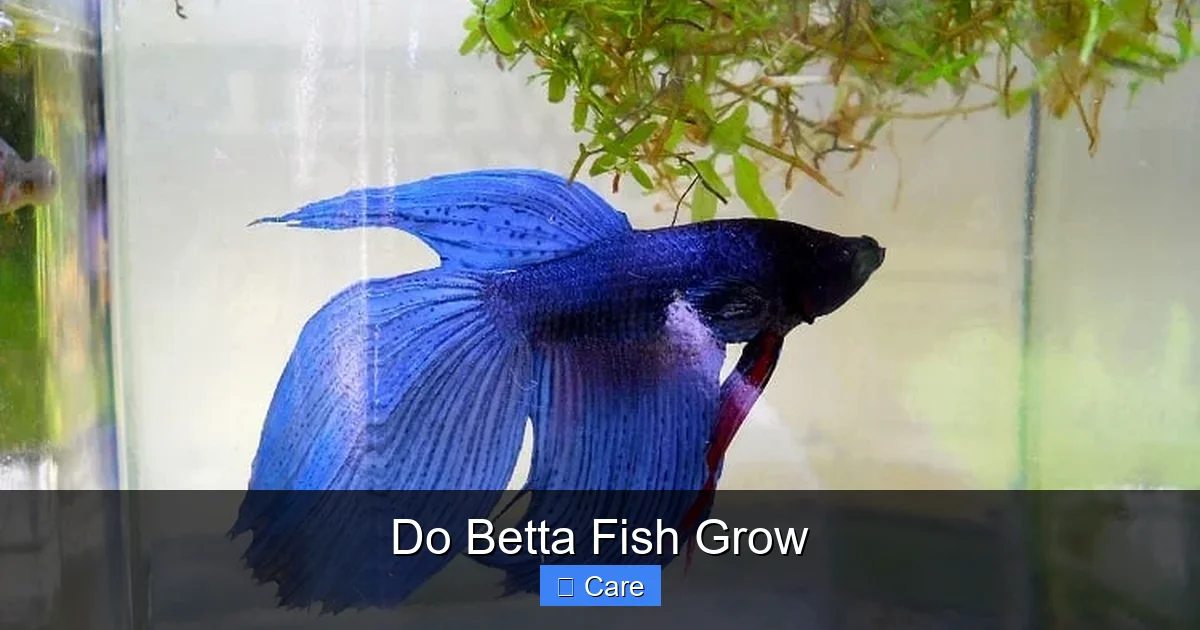
Visual guide about Do Betta Fish Grow
Image source: fishlab.com
1.2 Genetic Blueprint
Just like people, bettas inherit size potential from their parents. Some strains—such as “Giant” or “Super Red”—are selectively bred for larger bodies, while “Half‑Moon” or “Plakat” varieties often stay on the smaller side. This is why you’ll see size differences even when all other conditions are identical.
1.3 Gender Differences
Male bettas usually grow a bit larger than females. A typical male reaches 2.5‑3 inches (6‑7.5 cm) from snout to tail, while females often stop at 2‑2.5 inches (5‑6 cm). The extra length in males is largely due to their longer, more elaborate fins, which can make them appear bigger.
2. How Fast Do Betta Fish Grow?
2.1 The First Two Months
Growth is fastest during the first 6‑8 weeks after hatching. In optimal conditions—a clean, heated tank (78‑80 °F or 25‑27 °C), high‑protein diet, and stable water parameters—a fry can double its length each week. By the end of week eight most bettas have reached 75‑80 % of their adult size.
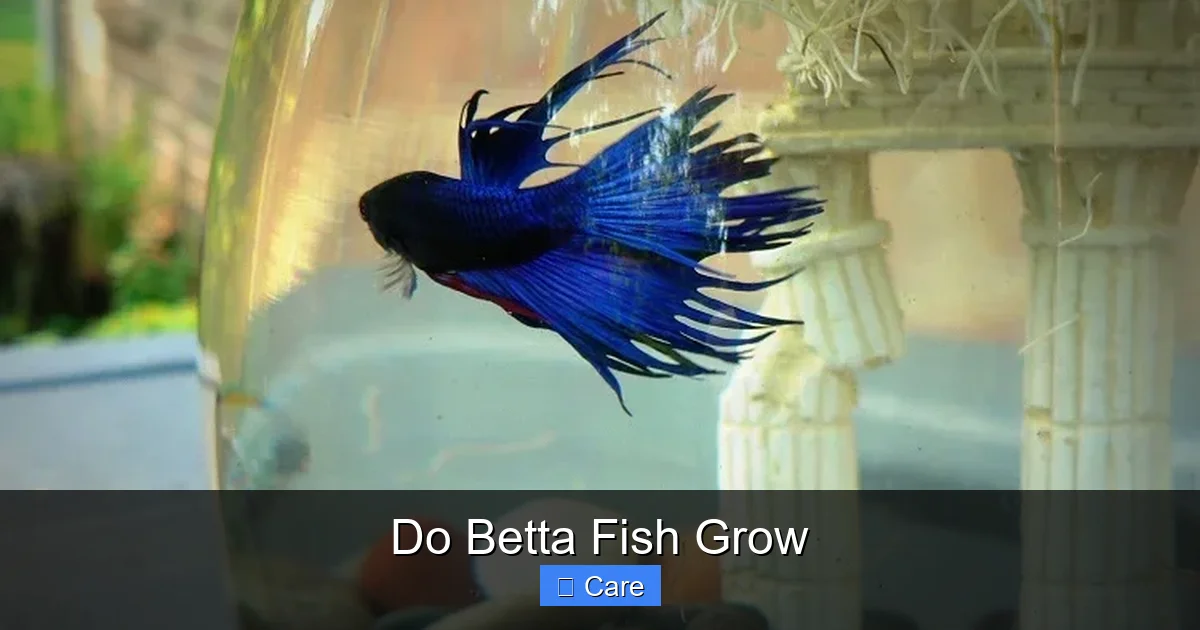
Visual guide about Do Betta Fish Grow
Image source: fishlab.com
2.2 Slowing Down After Maturity
After the initial burst, growth slows dramatically. From weeks 9‑12 the fish adds only a few millimeters per week. By three months most bettas are fully grown, though they can continue to fill out and develop richer coloration for several more weeks.
2.3 Example Timeline
- Week 1‑2: Fry are 0.2‑0.3 in (5‑8 mm). Feeding: infusoria, then baby brine shrimp.
- Week 3‑4: Length 0.5‑0.7 in (12‑18 mm). Introduce finely crushed pellets.
- Week 5‑6: Length 1‑1.2 in (25‑30 mm). Start regular high‑protein pellet diet.
- Week 7‑8: Length 1.5‑2 in (38‑50 mm). Most adult size reached.
- Month 3+: Full adult size 2‑3 in (5‑7.5 cm). Focus on color and fin health.
3. Factors That Influence Betta Growth
3.1 Tank Size and Space
Betta fish need room to swim, even though they’re often kept in small bowls. A minimum of 5 gallons (19 L) provides enough water volume to maintain stable parameters and gives the fish space to move, which promotes healthy growth. Cramped conditions can cause stress, leading to stunted growth.
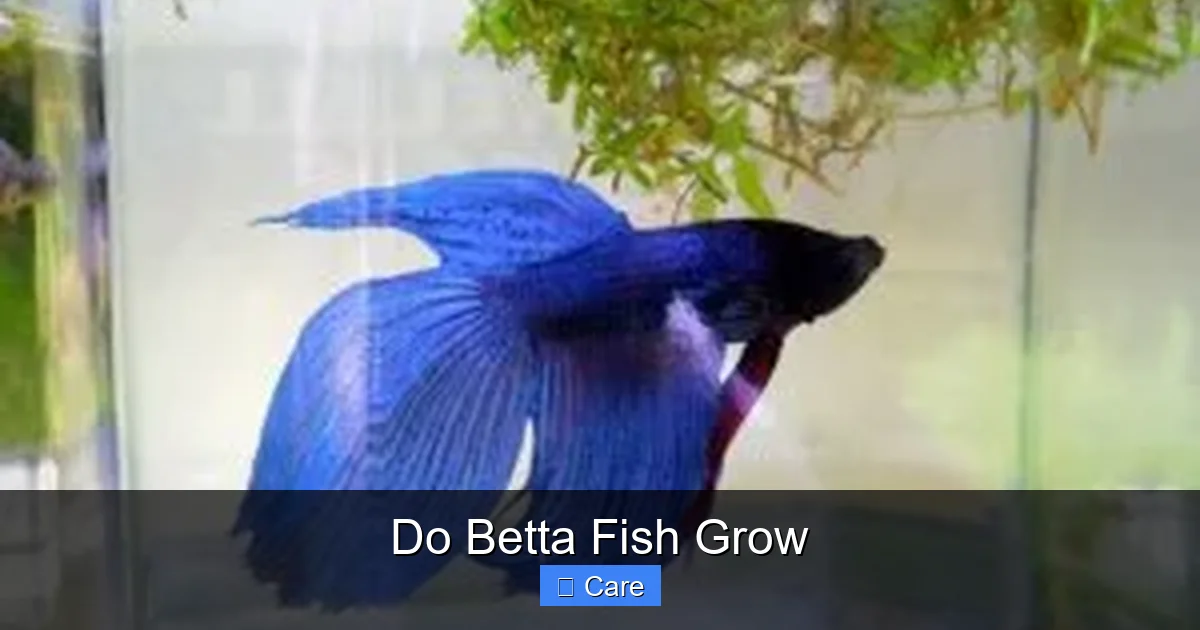
Visual guide about Do Betta Fish Grow
Image source: fishlab.com
3.2 Water Temperature
Betta are tropical fish that thrive at 78‑80 °F (25‑27 °C). Temperatures below 75 °F (24 °C) slow metabolism, which directly reduces growth rate. Consistent heat also supports proper digestion of protein‑rich foods.
3.3 Water Quality
Ammonia, nitrite, and high nitrate levels are toxic and can stunt growth. Regular water changes (20‑30 % weekly) and a reliable filtration system keep the environment clean. For a deeper dive on water changes, see our guide on how do you change a betta fish water.
3.4 Nutrition
High‑quality Betta pellets that contain 38‑42 % protein are ideal. Supplemental foods—such as frozen or live brine shrimp, daphnia, and bloodworms—provide variety and essential fatty acids that enhance growth and color. Overfeeding leads to obesity and poor water quality, both of which can halt growth.
3.5 Lighting and Day/Night Cycle
Betta fish need a regular light cycle (10‑12 hours of light, 12‑14 hours of darkness). Constant light stresses the fish and can suppress growth hormones.
3.6 Stress Factors
Frequent tapping on the tank, aggressive tank mates, or sudden temperature swings cause cortisol spikes, which divert energy away from growth. Keep the environment calm and avoid unnecessary disturbances.
4. Common Myths About Betta Size
4.1 “Bigger Tanks Make Betta Grow Huge”
While a larger tank provides better water stability, genetics still set the ultimate size limit. A giant tank won’t turn a “Plakat” into a “Super Red”.
4.2 “Feeding More Equals Bigger Betta”
Overfeeding leads to excess fat, not length. A healthy Betta grows proportionally, not by bulk.
4.3 “All Betta Grow to the Same Size”
Different strains, genders, and even individual variations mean sizes can range from 1.5 inches to over 3 inches. For more on size differences, read do betta fish grow big.
5. How to Encourage Healthy Growth
5.1 Set Up the Perfect Tank
- Use a 5‑gallon (or larger) tank with a gentle filter.
- Maintain temperature at 78‑80 °F with a reliable heater.
- Provide hiding spots (plants, caves) to reduce stress.
5.2 Feed a Balanced Diet
- Offer high‑protein pellets once or twice daily.
- Supplement with frozen/brine shrimp 2‑3 times a week.
- Remove uneaten food within 5 minutes to keep water clean.
5.3 Perform Regular Water Changes
Swap out 20‑30 % of tank water weekly. Use a water conditioner to remove chlorine and chloramines. Consistent water changes keep ammonia and nitrate low, supporting steady growth.
5.4 Monitor Growth and Health
Measure your Betta every two weeks with a ruler or calipers. Look for:
- Steady increase in length.
- Bright, intact fins (see do betta fish fins grow back for fin health tips).
- Active swimming and regular eating.
5.5 Adjust When Needed
If growth stalls, check water parameters first. A spike in nitrate or a drop in temperature often explains a slowdown. Adjust feeding amounts if the fish looks bloated or isn’t finishing meals.
6. When Growth Stops: Signs of Trouble
6.1 Stunted Growth Indicators
Signs that your Betta isn’t reaching its potential include:
- Length remaining under 2 inches after 3 months.
- Faded coloration or brittle fins.
- Frequent lethargy or loss of appetite.
6.2 Possible Causes
Common culprits are poor water quality, inadequate temperature, insufficient protein, or chronic stress from aggressive tank mates.
6.3 What to Do
Test water (ammonia, nitrite, nitrate, pH). Raise the temperature if it’s below 78 °F. Switch to a higher‑protein diet and consider a larger tank. If problems persist, consult a vet or experienced aquarist.
Conclusion: Helping Your Betta Reach Its Full Potential
Do betta fish grow? Absolutely—provided you give them the right genetics, a stable, clean environment, proper nutrition, and minimal stress. By understanding each growth stage and the factors that influence size, you can watch your Betta transform from a tiny fry to a vibrant adult that proudly displays its fins.
Remember, a healthy Betta’s size is a reflection of the care you provide. Keep the water clean, feed wisely, and maintain a comfortable temperature, and you’ll enjoy watching your fish grow strong and beautiful for years to come.
Frequently Asked Questions
Do betta fish continue to grow after reaching adulthood?
Growth slows dramatically after 8‑10 weeks, but bettas may fill out and develop richer colors for several more weeks. Length usually stops increasing after about three months.
Can I make my betta grow bigger by changing its diet?
A high‑protein diet supports optimal growth, but overfeeding won’t make a betta exceed its genetic size limit. Balanced nutrition keeps the fish healthy and promotes proper development.
What tank size is best for healthy betta growth?
A minimum of 5 gallons (19 L) provides enough water volume for stable parameters and room to swim, which encourages natural growth.
How does water temperature affect betta growth?
Betta thrive at 78‑80 °F (25‑27 °C). Temperatures below 75 °F slow metabolism and can stunt growth, while consistent heat promotes healthy development.
Are there specific betta strains that grow larger?
Yes. “Giant” or “Super Red” strains are selectively bred for larger size, while “Plakat” and many half‑moon varieties tend to stay smaller.
What should I do if my betta’s growth seems stalled?
Check water quality, ensure temperature is stable, verify you’re feeding a high‑protein diet, and make sure the tank isn’t overcrowded or stressful.