Where to Buy Betta Fish Plants
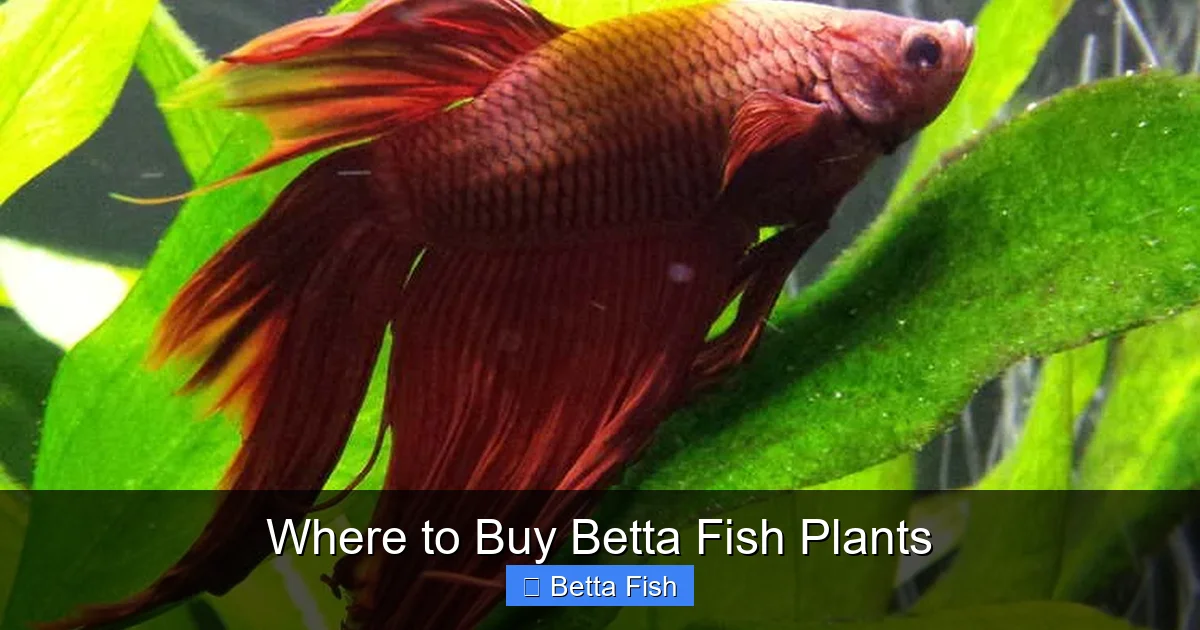
Choosing the right plants is crucial for your betta’s health and happiness. You can find excellent betta-safe plants at local pet stores, big-box retailers, and specialized online aquarium shops. Prioritize plants with smooth edges and no toxic materials. Live plants like Anubias and Java Fern are ideal, but high-quality silk plants are a fantastic, low-maintenance alternative. Always research sellers, read reviews, and quarantine new plants to protect your betta from pests or diseases.
Key Takeaways
- Plant Type Matters: Live, silk, and soft artificial plants each have pros and cons for betta health, maintenance, and tank aesthetics.
- Safety is Non-Negotiable: Avoid plants with sharp edges, stiff plastic, or toxic dyes. Your betta’s delicate fins must be protected.
- Shop Diverse Sources: Local pet stores offer instant gratification, while online retailers provide wider selection, specialty brands, and often better prices.
- Research Sellers & Brands: Stick to reputable aquarium brands (e.g., Marina, Zoo Med, Seachem) and read customer reviews specifically about plant safety.
- Quarantine is Key: Always rinse and, if possible, quarantine new plants (especially live ones) to prevent introducing hitchhiking pests or diseases to your established tank.
- Match Plants to Your Skill: Beginners should start with hardy, low-light plants like Anubias or pre-packaged silk arrangements to ensure success.
- Quantity & Layout: Provide a mix of open swimming space and planted areas for hiding. Bettas appreciate floating leaves and mid-ground coverage.
📑 Table of Contents
- Why the Right Plants Are Essential for Your Betta
- Understanding Your Plant Options: Live, Silk, and Artificial
- Where to Buy Betta Fish Plants: Your Complete Shopping Guide
- What to Look For: A Buyer’s Checklist
- Setting Up Your Plants for Betta Success
- Common Mistakes to Avoid When Buying & Using Plants
- Conclusion: Creating a Thriving Betta Sanctuary
Why the Right Plants Are Essential for Your Betta
You’ve got the perfect tank, the right heater, and a filter that whispers. Your betta fish, with its flowing fins and personality, is the star. But something’s missing. The tank feels… bare. That’s where plants come in. They’re not just decoration; they’re a core part of your betta’s environment. The right plants provide crucial security, reduce stress by offering hiding spots, and can even help maintain water quality. But here’s the critical part: not all plants are created equal, and knowing where to buy betta fish plants that are truly safe is the first step to a thriving aquarium.
The Betta’s Natural Instincts
In the shallow, slow-moving rice paddies and streams of Southeast Asia, bettas are surrounded by dense vegetation. This lush environment offers protection from predators, shade from the sun, and mazes to explore. A bare tank is the opposite of this natural habitat—it’s an open, stressful arena. Without plants or other cover, a betta can become bored, anxious, and even depressed, often manifesting as lethargy, loss of color, or fin-nipping. Plants give them places to rest near the surface (they are labyrinth fish, after all) and break lines of sight, making the tank feel larger and safer.
Beyond Décor: Functional Benefits
Live plants, in particular, are fantastic biological filters. They absorb nitrates and other waste products from the water, competing with algae for nutrients and helping to create a more stable ecosystem. They also produce oxygen during the day and provide surfaces for beneficial bacteria to colonize. Even silk and soft plastic plants offer significant benefits by mimicking this complex structure. They provide anchor points for your betta to rest, reducing the energy it expends swimming to the surface. The visual barrier they create is also invaluable for bettas that may be aggressive or territorial, as it prevents them from seeing their own reflection constantly, which can trigger flaring and stress.
Understanding Your Plant Options: Live, Silk, and Artificial
When you start your search for where to buy betta fish plants, you’ll immediately encounter three main categories. Understanding their differences is key to making the right choice for you and your fish.
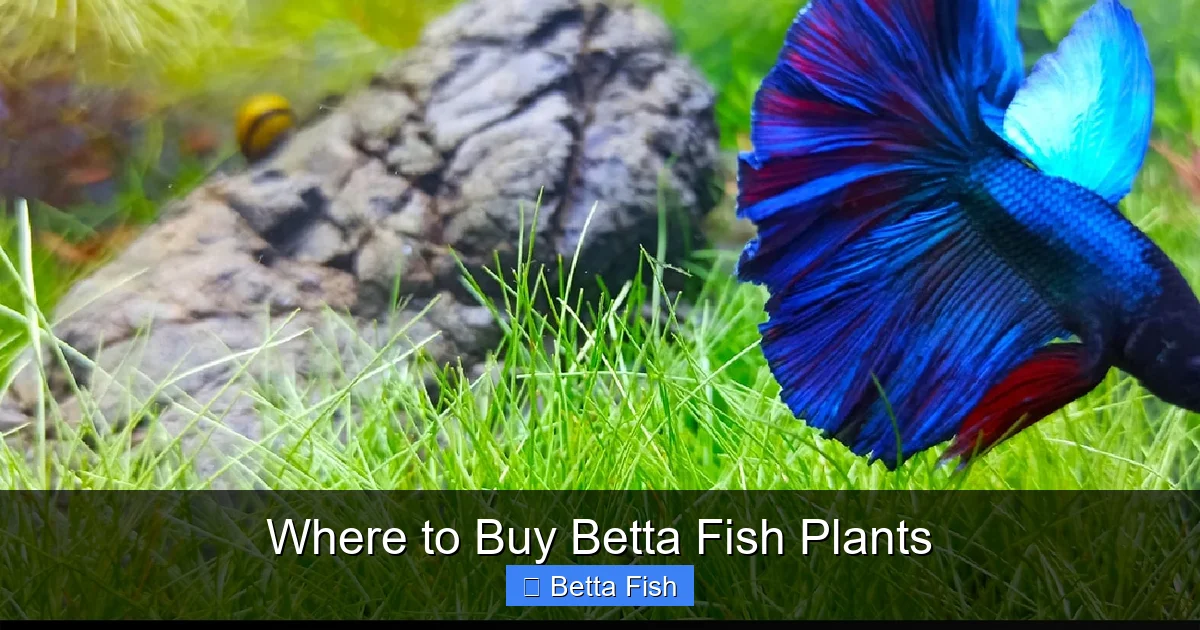
Visual guide about Where to Buy Betta Fish Plants
Image source: buildyouraquarium.com
Live Plants: The Natural Choice
Live plants are the gold standard for a natural, bioactive tank. They offer unparalleled water quality benefits and a dynamic, growing ecosystem. For bettas, the best live plants are those with broad leaves (like the Amazon Sword) or delicate, flowing textures (like Java Moss) that mimic their wild home.
- Top Hardy Picks: Anubias, Java Fern, Cryptocorynes, Marimo Moss Balls, and floating plants like Salvinia or Frogbit are famously hardy and perfect for beginners. They thrive in low to moderate light and don’t require nutrient-rich substrate.
- The Catch: Live plants require care. You need to manage lighting (too much promotes algae), sometimes add liquid fertilizers, and ensure they are planted correctly (many, like Anubias and Java Fern, should be attached to driftwood or rocks, not buried). They can also come with unwanted hitchhikers like snails or pest algae, which is why sourcing from a reputable seller is so important.
Silk Plants: The Best of Both Worlds
For many betta owners, high-quality silk plants are the perfect solution. They look incredibly realistic, have soft, fluid leaves that are completely safe for delicate fins, and require zero maintenance beyond occasional rinsing during water changes. They provide all the structural and psychological benefits without the risk of dying, decomposing, or harboring pests.
- What to Look For: Seek out brands known for quality, like Marina, Zoo Med, or Aqueon. The leaves should feel soft and pliable, not stiff or brittle. The base should be a heavy, stable material like lead or a weighted ceramic disk. Avoid any silk plants that have sharp plastic nodes or stiff veins running through the leaves.
- Why Bettas Love Them: The gentle movement in the current is mesmerizing and natural. Bettas will often rest on the broad leaves. They are ideal for tanks with low light or for owners who want a stunning setup without the learning curve of live plants.
Soft Plastic Plants: A Cautious Yes
The term “plastic” often raises red flags, and for good reason. Many cheap, stiff plastic plants have sharp edges and rigid structures that can tear a betta’s fins. However, the aquarium industry does make safe, soft plastic plants.
- Safety First: Run your fingers over the leaves. They should be completely flexible, with no hard central ribs or pointy tips. Brands like Penn Plax’s “Silk” line (despite the name, some are soft plastic) or biotope-specific soft plastics can be safe. The keyword is soft.
- Durability vs. Realism: Soft plastics are very durable and won’t degrade in water. However, they often look less realistic than silk and can collect algae more easily in their textured surfaces. They are a viable, often cheaper, option if you meticulously vet them for safety.
Where to Buy Betta Fish Plants: Your Complete Shopping Guide
Now, let’s get to the heart of the matter. Where to buy betta fish plants that meet your standards for safety, quality, and aesthetics? You have several excellent avenues, each with its own advantages.
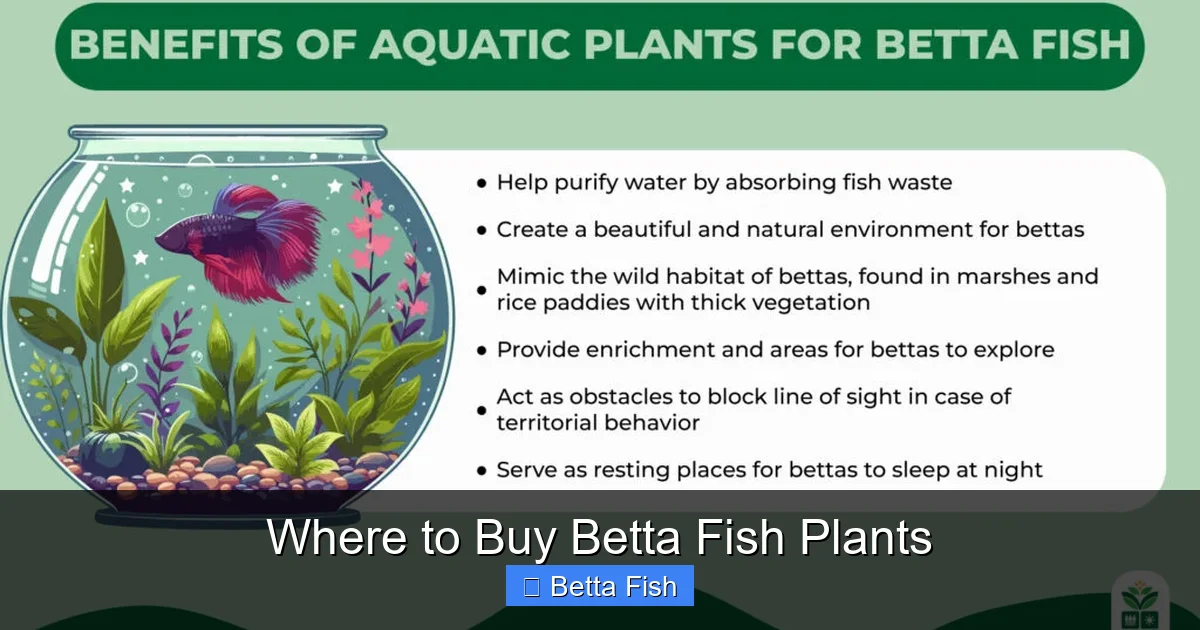
Visual guide about Where to Buy Betta Fish Plants
Image source: agribotix.com
1. Local Pet Store Chains (PetSmart, Petco, etc.)
These are the most accessible starting points for most people.
- Pros: Immediate availability. You can physically inspect plants for sharp edges, sturdy bases, and realistic coloring. You can also speak with a store associate, though their knowledge can vary. They often have starter kits and bundled live plant packages.
- Cons: Selection can be limited, especially in smaller stores. Live plants may not be in the best condition (etched leaves, melting) due to store lighting and care. Prices can be higher than online.
- Pro Tip: Visit on a weekday morning if possible, when tank maintenance is often done. Look for live plants in dedicated, well-lit aquariums, not just in small cups. For silk plants, feel the leaves right there in the store.
2. Local Independent Fish Stores (LFS)
This is often the **best** place to buy, if you have a good one nearby.
- Pros: Expert knowledge. The owners and staff are usually passionate aquarists who can give specific, tailored advice for bettas. Their plant selection is often curated for quality and suitability. You build a relationship for ongoing support. They may also source from local growers, offering unique varieties.
- Cons: Not available everywhere. May have slightly higher prices than mega-online retailers, but you’re paying for expertise and curation.
- Pro Tip: Ask them directly: “What are your most popular, betta-safe plants?” and “Do you quarantine your new live plants?” A reputable LFS will have a process.
3. Large Online Retailers (Amazon, Chewy)
The convenience factor is huge here.
- Pros: Vast selection from countless brands. Easy price comparison and reading of customer reviews. Fast shipping (often with Prime). You can find bulk packs and specific types easily.
- Cons: You cannot inspect the product before purchase. Quality can be hit-or-miss depending on the third-party seller. Live plants are shipped in bags, which is stressful for them and can lead to melt upon arrival. Returns can be a hassle.
- Pro Tip: Filter ruthlessly by star rating (4+ stars) and READ THE REVIEWS. Specifically search reviews for “betta,” “fin safe,” “sharp,” or “sharp edges.” Buy from the actual brand storefront (e.g., “Marina” on Amazon) rather than an unknown seller if possible. For live plants, only buy from sellers with a stellar live plant shipping reputation and during mild weather.
4. Specialized Online Aquarium Shops (The Premium Choice)
This is the professional’s route and where you’ll find the highest quality and most specialized items.
- Examples: Aquatic Arts, Modern Aquarium, Aqua Forest Aquarium, Tropica (via their distributors).
- Pros: Extremely high-quality, tissue-cultured live plants that are guaranteed pest-free and healthy. Expertly curated selections. Detailed product descriptions and care guides. Often have rare, premium species. Their silk and artificial plant selections are from top brands and biotope-specific lines.
- Cons: Prices are typically higher. Shipping costs can add up, and live plants require careful packaging and fast shipping.
- Pro Tip: These sites are educational resources. Browse their blogs and care sheets. A purchase from them often comes with direct email support for your plants. The investment pays off in healthier plants and a better-looking tank.
5. Marketplace & Auction Sites (Etsy, eBay)
A more adventurous option with unique opportunities.
- Pros: You can find handmade, custom silk plant arrangements. Small growers often sell beautiful, hard-to-find live plants via tissue culture or trimming sales. You can support small businesses.
- Cons: Quality and shipping practices vary wildly. Requires deep research into each seller’s feedback and policies. Live plant shipping is a major risk if the seller isn’t experienced. No standardization.
- Pro Tip: Only buy live plants from sellers with hundreds of positive reviews specifically for aquatic plants. Look for photos of their actual shipping setup. For silk plants, message the seller asking about the material’s flexibility.
What to Look For: A Buyer’s Checklist
Regardless of where you buy betta fish plants, this checklist is your non-negotiable guide. Never compromise on these points.
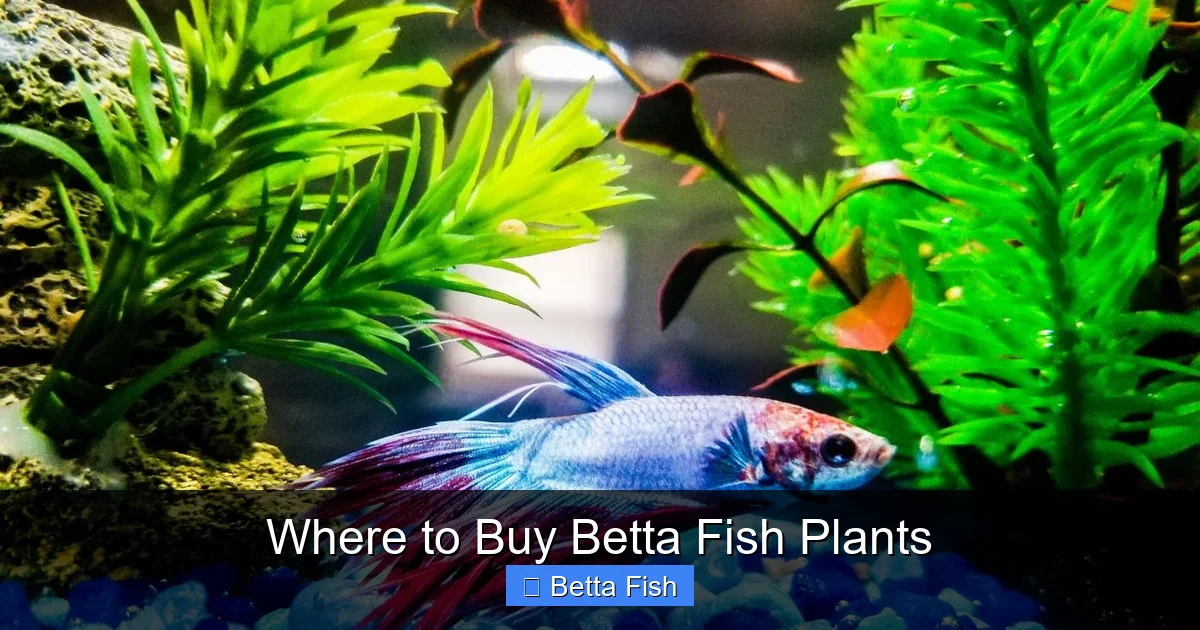
Visual guide about Where to Buy Betta Fish Plants
Image source: agribotix.com
The Safety Inspection (For All Plant Types)
This is your top priority. Before you buy (or immediately upon arrival), you must inspect the plant.
- Edges: Run your fingertip along every leaf edge, stem, and node. It should feel smooth, rounded, and soft. If you feel even a hint of a scratch or a point, reject it. Imagine that’s your betta’s fin.
- Material: For silk/soft plastic, the leaf should bend easily in any direction. For live plants, ensure there are no sharp, bony parts (some hardy plants can have tough leaf structures).
- Base/Weight: The plant must have a heavy, stable base. Lead weights are standard and safe. Avoid lightweight plastic bases that will float or tip over easily, causing the plant to drift and potentially trap your betta.
- Dyes & Smells: For new silk/plastic plants, rinse them thoroughly before adding to the tank. Some may have a factory smell or loose dye that should wash off. If the water remains discolored after several rinses, the dye may not be safe. Live plants should smell fresh and earthy, not rotten or chemical-like.
Assessing Quality & Value
- For Live Plants: Look for vibrant, healthy coloration. No holes, blackening (melting), or significant algae on the leaves. Roots should be white or light-colored and firm. If it’s a potted plant, the pot should be intact. Tissue culture cups (small, sealed cups) are often the cleanest, pest-free option.
- For Silk/Artificial: Check the stitching and glue seams. They should be secure and not have loose threads or peeling leaves. The coloring should look natural, not overly neon or uniform. High-quality brands use multiple dye shades for realism.
- Price Point: You generally get what you pay for. A $2 single silk plant from a discount bin is far more likely to have sharp edges than a $10 plant from a reputable brand. For live plants, a low price might indicate poor growing conditions or pest issues.
Setting Up Your Plants for Betta Success
Buying the right plant is only half the battle. Proper introduction and placement are vital for your betta’s acceptance and the plant’s survival.
The Quarantine & Rinse Protocol
Never, ever drop a new plant directly into your established betta tank.
- Step 1: Rinse. Thoroughly rinse the plant under lukewarm (not hot) running water to remove any loose dirt, debris, or manufacturing residue. Use your fingers to gently rub the leaves and base.
- Step 2: Quarantine (Highly Recommended). Place the plant in a separate, clean container (a spare 5-gallon bucket works) with dechlorinated water for 1-2 weeks. This allows you to observe for any dying leaves, melting (in live plants), or the emergence of pests like bladder snails, hydra, or pest algae. Change the water every few days. For silk/plastic, this step is less critical but still good practice to leach any remaining dyes.
- Step 3: Treat (Optional but Wise for Live Plants). Many aquarists use a mild hydrogen peroxide dip (1-3% solution for 1-2 minutes) or an alum soak for live plants to kill pests. Research this step carefully to avoid harming sensitive plants.
Strategic Placement for a Happy Betta
Think like a betta. They need rest spots and security.
- Rest Zones: Place broad-leafed plants (like Anubias or large silk leaves) near the water surface. Bettas will rest on these to breathe easily from their labyrinth organ. Floating plants like Frogbit are perfect for this.
- Hiding Spots: Create clusters of plants in the mid-ground and corners of the tank. This gives your betta a place to retreat if it feels overwhelmed or just wants some privacy.
- Swimming Lanes: Ensure there is a clear open swimming space in the center or front of the tank. Bettas are curious and like to patrol their territory. Don’t over-plant to the point where the tank is a dense jungle with no room to move.
- Compatibility: If you have a particularly aggressive or flaring betta, use plants to break its line of sight to its own reflection or to a tank mate. A row of tall, thin plants along the back can be very effective.
Common Mistakes to Avoid When Buying & Using Plants
Even with the best intentions, it’s easy to slip up. Here are the pitfalls to steer clear of.
Ignoring the Fin-Safety Rule
This is the #1 mistake. You see a beautiful, cheap plant with intricate plastic leaves and think it looks great. You don’t feel the edges. Weeks later, your betta’s fins are shredded. Always, always physically inspect for sharpness. If you buy online and receive a plant that feels even remotely stiff or scratchy, return it immediately. Your betta’s fins are irreplaceable.
Overlooking Plant Size & Growth
A tiny Java Fern might look silly in a 10-gallon tank today, but in six months, it could be a magnificent bush—or it might have died and rotted, fouling your water. Research the mature size and growth rate of any live plant you buy. Ensure it fits your tank’s dimensions and your long-term vision. For silk plants, consider that they won’t grow, so buy a size that looks proportional from the start.
Buying From Unverified Sources
The $5 live plant pack from an unknown eBay seller with 10 feedback is a gamble. You’re likely introducing snails, planaria, or invasive algae into your tank. The cost to eradicate a pest outbreak far exceeds the savings. Stick to the reputable sources outlined earlier. Your future self (and your betta) will thank you.
Conclusion: Creating a Thriving Betta Sanctuary
Finding where to buy betta fish plants is more than a simple transaction; it’s the first step in designing an environment where your betta can truly thrive. Whether you choose the dynamic beauty of live plants, the effortless elegance of silk, or a careful mix of both, the goal is the same: a safe, stimulating, and healthy home. Start with a trusted local fish store if you have one, or a specialized online retailer for the best quality. Use your buyer’s checklist without exception. Take the time to quarantine and place your plants thoughtfully. By prioritizing safety and suitability over mere aesthetics, you’ll create a stunning aquascape that your betta will actively enjoy, exploring its leafy hideaways and resting peacefully on a broad, soft leaf. That’s the real reward—seeing your finned friend happy, healthy, and at home in the beautiful world you’ve built for it.
Frequently Asked Questions
Can I use any aquarium plant for my betta tank?
No. Many common aquarium plants have sharp edges, stiff leaves, or require conditions (high light, strong current) unsuitable for a betta’s gentle habitat. Always choose plants known to be betta-safe, with soft, flexible foliage.
Are live plants better than silk plants for bettas?
Live plants offer superior water quality benefits and a natural ecosystem, but require more care. High-quality silk plants are completely safe, require no maintenance, and provide excellent hiding and resting spots. For most betta owners, especially beginners, silk plants are a perfect, risk-free choice.
What is the safest material for a betta plant?
The safest materials are live plant leaves, genuine silk, or specifically labeled “soft plastic.” The key test is flexibility: the material must bend easily in all directions without any stiff central rib or sharp point.
How many plants does a betta tank need?
There’s no set number, but aim for a balance. Provide enough plants to offer at least 2-3 distinct hiding/resting spots and break up the tank’s sightlines, while still leaving ample open swimming space (at least half the tank). A 5-gallon tank, for example, might have 3-5 medium-sized plants plus some floating leaves.
What is the single best plant for a beginner betta tank?
For a live plant, the Anubias (specifically Anubias barteri or nana) is unbeatable. It thrives in low light, doesn’t need substrate (attach it to wood or rock), and has incredibly broad, smooth leaves perfect for resting. For silk, any large, broad-leaf Marina or Zoo Med silk plant is an excellent, foolproof choice.
Why are some silk plants so cheap, and should I buy them?
Very cheap silk plants are often made with inferior, stiff plastic disguised as silk, have poorly attached leaves, or have unsafe sharp edges. They are a major risk for fin damage. It’s worth investing a few more dollars in a reputable brand known for betta-safe, flexible materials. Your betta’s fins are worth it.