How Can You Tell If Betta Fish Pregnant
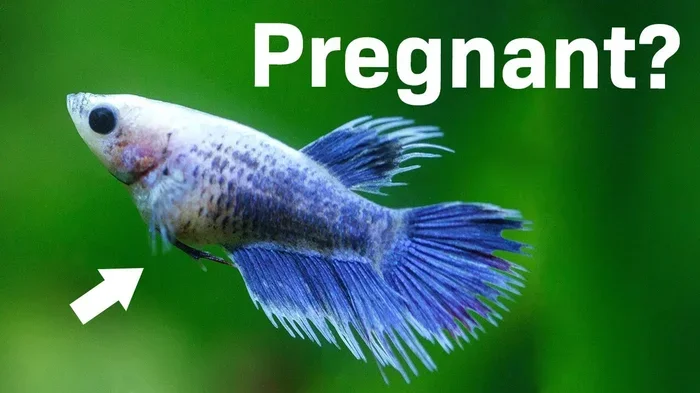
Figuring out if your betta fish is pregnant starts with spotting a few clear signs: a rounder belly, a white dot near the fins, and changes in behavior. Female betta fish carry eggs, not live babies, so the process is called egg spawning. Knowing what to look for helps you support your fish during breeding and keep her healthy.
If you have a female betta fish, you might wonder how to tell if she is pregnant. The truth is, betta fish do not get pregnant in the way mammals do. Instead, they carry eggs inside their body and release them for the male to fertilize. This process is called egg spawning, and it comes with some pretty clear signs.
Many fish owners confuse a sick fish with a pregnant one. A swollen belly can mean something entirely different. That is why learning the real signs of a pregnant betta fish matters so much. In this guide, we will walk you through every sign, behavior change, and tip you need to know.
Whether you are a beginner or a seasoned fish keeper, understanding betta fish breeding basics helps you care for your fish better. Let us dive into the details and help you figure out what is going on with your betta.
Key Takeaways
- White Spot (Ovipositor): A small white dot near the ventral fin is one of the earliest and most reliable signs of a pregnant betta fish.
- Round Belly Shape: A bloated or angled belly often means your female betta is carrying eggs, especially when paired with other signs.
- Behavior Changes: Nesting behavior, increased appetite, and flaring at other fish can all signal pregnancy in bettas.
- Not All Bloating Is Pregnancy: Bloating can also mean illness, so always check for additional signs before assuming your betta is pregnant.
- Proper Tank Conditions Help: Warm water, a clean tank, and good nutrition make it easier for a pregnant betta to stay healthy.
- Male Bettas Build Bubble Nests: If you see a bubble nest, it often means a male is ready to breed with a female.
📑 Table of Contents
- Understanding Betta Fish Reproduction
- Top Signs Your Betta Fish Is Pregnant
- How to Tell the Difference Between Pregnancy and Illness
- How to Support a Pregnant Betta Fish
- When to Separate Male and Female Bettas
- Common Mistakes Fish Owners Make
- How Long Does Betta Fish Pregnancy Last
- Expert Tips for First-Time Betta Breeders
- Final Thoughts
Understanding Betta Fish Reproduction
Before you look for signs, it helps to understand how betta fish reproduce. Female bettas carry eggs, not live young. The male betta fertilizes the eggs after the female releases them. This is a key difference from livebearing fish like guppies.
How Betta Fish Breed
The breeding process starts when the male builds a bubble nest at the surface of the water. He then wraps his body around the female to release the eggs. The male collects the eggs and places them in the bubble nest. The whole process can take a few hours.
During this time, the female betta may look different. Her belly fills with eggs, and her behavior shifts. These changes are what we look for when trying to tell if a betta is pregnant.
Why People Say “Pregnant” Betta Fish
Even though bettas are egg layers, most fish keepers use the word “pregnant” because it is easier to say. The female carries the eggs inside her body until she is ready to release them. So when people ask about a pregnant betta fish, they really mean a female carrying eggs.
Top Signs Your Betta Fish Is Pregnant
Spotting the signs of a pregnant betta fish is easier than you might think. Your fish will show both physical and behavioral clues. Here are the most reliable signs to watch for.
1. A White Dot Near the Ventral Fin
This is the single most telling sign. Look closely at the area just below your betta’s belly, near the ventral fins. You may notice a tiny white dot. This is called the ovipositor, and it is where the eggs will come out. If you see this dot, your betta is almost certainly carrying eggs.
Not all fish keepers notice this dot right away. It can be small and hard to see. Use a bright light and look at your fish from the side. A magnifying glass can help if you have trouble spotting it.
2. A Rounder, Angled Belly
A pregnant betta fish often has a noticeably rounder belly. The belly may look swollen or even pointed downward, like a small pear shape. This happens because the eggs fill the space inside the body.
However, a round belly does not always mean pregnancy. Sometimes it means your fish is constipated or sick. That is why you should never rely on belly shape alone. Always check for other signs too.
3. Changes in Appetite
Many female bettas eat more when they are carrying eggs. They need extra energy to produce and carry the eggs. You might notice your fish begging for food more often or eating faster than usual.
On the other hand, some pregnant bettas eat less, especially right before they release the eggs. Watch for any big changes in eating habits. If your fish stops eating completely, that could be a sign of illness, not pregnancy.
4. Behavior Changes
A pregnant betta may act differently than usual. Some common behavior changes include:
- Flaring more at other fish or even at their own reflection
- Swimming more slowly or staying near the surface
- Building or showing interest in bubble nests
- Hiding more than usual
- Pressing their belly against plants or tank decorations
If you notice several of these changes at once, there is a good chance your betta is carrying eggs.
5. A Darker or More Vibrant Color
Some female bettas develop brighter colors when they are ready to breed. This is especially true for wild-type and halfmoon bettas. The color change happens because the body is working hard to produce eggs.
Not every betta will show this sign. But if you see a color change along with a rounder belly, it is another clue that points toward pregnancy.
How to Tell the Difference Between Pregnancy and Illness
This is one of the most important parts of caring for betta fish. A bloated belly can mean pregnancy, but it can also mean your fish is sick. Here is how to tell the difference.
Pregnancy vs. Dropsy
Dropsy is a serious condition where the fish’s body swells with fluid. The scales may stick out like a pinecone. A pregnant betta’s belly will be round but the scales will lie flat. If you see pinecone scales, your fish is likely sick, not pregnant.
If you are unsure, it is always best to look up signs of a sick betta fish. Catching illness early can save your fish’s life.
Pregnancy vs. Constipation
Constipation causes bloating too. A constipated betta may have a swollen belly but will also show signs like:
- Straining to poop
- No poop for several days
- Lethargy and loss of appetite
A pregnant betta usually still has a healthy appetite and stays active. If your fish seems uncomfortable and stops eating, constipation is more likely than pregnancy.
Pregnancy vs. Swim Bladder Disease
Swim bladder disease affects a fish’s ability to stay upright. The belly may swell, but the fish will struggle to swim properly. A pregnant betta swims normally. If your fish is floating sideways or struggling to stay balanced, check the swim bladder disease causes rather than assuming pregnancy.
How to Support a Pregnant Betta Fish
If you have confirmed that your betta is carrying eggs, you can take steps to keep her comfortable and healthy.
Keep the Water Warm
Betta fish thrive in warm water. Keep the tank temperature between 78 and 80 degrees Fahrenheit. A heater is essential for breeding tanks. Warm water helps the eggs develop properly inside the female.
Maintain Clean Water
A clean tank reduces stress and keeps your betta healthy. Do regular water changes, about 25 percent every week. Use tap water conditioner to remove chlorine and chloramine before adding new water to the tank.
Feed a Nutritious Diet
A pregnant betta needs good nutrition. Feed her high-quality betta pellets and add frozen or live foods like brine shrimp and bloodworms. These foods are rich in protein and help support egg production.
Provide Hiding Spots
Female bettas often feel safer when they have places to hide. Add plants, caves, or decorations to the tank. This reduces stress and makes your fish feel secure during the breeding process.
When to Separate Male and Female Bettas
If you are planning to breed bettas, you will need to introduce the male and female carefully. Never leave them together permanently. The male can become aggressive and may harm the female.
Once the female has released her eggs, remove her from the tank. The male will take care of the eggs and the fry. Keeping the female separate protects her from the male’s aggressive behavior during and after breeding.
Common Mistakes Fish Owners Make
Many new fish keepers make mistakes when trying to figure out if their betta is pregnant. Here are a few to avoid.
- Assuming all bloating is pregnancy: Bloating can signal illness. Always check for multiple signs before concluding.
- Ignoring the ovipositor: That tiny white dot is the clearest sign. Do not skip this check.
- Overfeeding during pregnancy: Extra food is good, but overfeeding can cause constipation and make bloating worse.
- Not checking water parameters: Poor water quality can cause swelling that looks like pregnancy. Test your water regularly.
- Confusing a male bubble nest with pregnancy: A bubble nest means the male is ready to breed, not that the female is pregnant. Both signs work together.
When in doubt, observe your fish closely over several days. A pregnant betta fish will show consistent signs over time, while illness symptoms often get worse quickly.
How Long Does Betta Fish Pregnancy Last
The time a female betta carries eggs is usually about one to two weeks. During this period, you will see the signs we discussed above. Once the eggs are ready, the female will release them, and the male will fertilize them.
After spawning, the female can be released back into her own tank. The male will guard the bubble nest and the eggs until they hatch. This whole process from egg release to hatching takes about two to three days.
If you want to learn more about the signs of a healthy betta versus a sick one, check out this guide on how to tell if your betta fish is sick. Knowing the difference between pregnancy and illness is key to good fish care.
Expert Tips for First-Time Betta Breeders
If you are new to breeding bettas, here are a few tips from experienced fish keepers.
- Set up a separate breeding tank. A 10-gallon tank with a heater and sponge filter works well. Keep the water calm and warm.
- Condition the fish before breeding. Feed both the male and female high-protein foods for one to two weeks before introducing them.
- Watch the female closely after breeding. She may look thin after releasing eggs. This is normal and not a cause for concern.
- Do not rush the process. Let the fish bond naturally. Forcing them together can cause stress and aggression.
- Learn how to tell the sex of your betta. Understanding the differences between male and female bettas makes breeding much easier. This guide on how to tell the sex of a betta fish can help you get started.
Breeding bettas can be a rewarding experience, but it requires patience and attention to detail. Start with healthy fish and a clean tank, and you will give your bettas the best chance of success.
Final Thoughts
Knowing how to tell if your betta fish is pregnant comes down to watching for a few key signs. Look for the white ovipositor dot, a round belly, changes in appetite, and shifts in behavior. These clues together give you a clear picture of what is happening with your fish.
Always remember that bloating can also mean illness. If you are ever unsure, take a closer look and compare the signs. And if you notice anything that looks wrong, check out our guide on how to know if your betta fish is dying to make sure your fish stays safe.
Taking good care of your betta means paying attention to the small details. With the right knowledge and a little patience, you can confidently tell if your betta fish is pregnant and give her the support she needs. Your fish will thank you with healthy, happy days in the tank.
Frequently Asked Questions
How do you know if a betta fish is pregnant or just bloated?
Look for the white ovipositor dot near the ventral fin. A pregnant betta will also show behavior changes like increased appetite and interest in bubble nests. A bloated fish from illness usually shows additional signs like lethargy, loss of appetite, or pinecone scales. Checking for multiple signs together helps you tell the difference clearly.
Can a male betta fish be pregnant?
No, only female betta fish carry eggs. Male bettas build bubble nests and fertilize the eggs after the female releases them. If you see a male with a swollen belly, it is likely due to illness or constipation, not pregnancy.
How long is a betta fish pregnant for?
A female betta carries eggs for about one to two weeks. After that, she releases the eggs and the male fertilizes them. The eggs then hatch in about two to three days inside the bubble nest. The whole breeding cycle is relatively quick compared to many other fish species.
What should I feed a pregnant betta fish?
Feed your pregnant betta high-quality pellets and add protein-rich foods like frozen brine shrimp, bloodworms, and daphnia. A nutritious diet supports healthy egg production. Avoid overfeeding, as uneaten food can pollute the tank and cause health problems.
Is my betta fish pregnant or sick?
Check for the ovipositor, a round belly, and positive behavior changes like a healthy appetite. If your fish shows signs of illness such as white spots, clamped fins, or difficulty swimming, it is more likely sick than pregnant. When in doubt, consult a fish health guide or a veterinarian who specializes in fish.
Do betta fish give birth to live babies?
No, betta fish are egg layers. The female releases eggs into the water, and the male fertilizes them. He then collects the eggs and places them in a bubble nest. The eggs hatch inside the nest, and the male guards them until they become free-swimming fry.