Can Certain Betta Fish Live Together
Can certain betta fish live together? Yes, but only under specific conditions. Female bettas can sometimes coexist in groups called sororities, while male bettas should almost never share a tank. Success depends on tank size, proper setup, and careful monitoring. This guide covers everything you need to know about keeping multiple betta fish together safely.
Key Takeaways
- Male bettas should never live together. Two male betta fish will fight aggressively, often to the death, due to their territorial nature.
- Female bettas can sometimes coexist. A group of female bettas, known as a sorority, can live together in a properly sized and decorated tank.
- Tank size matters enormously. A minimum of 20 gallons is recommended for a female sorority, with plenty of hiding spots and visual barriers.
- Personality plays a big role. Some individual bettas are more aggressive than others, regardless of gender, which affects compatibility.
- Constant monitoring is essential. Even in the best setups, you must watch for signs of stress, fin nipping, and aggression daily.
- Backup plans are necessary. Always have a separate tank or divider ready in case fish need to be separated quickly.
- Not all betta types are equal. Plakat bettas tend to be more aggressive than long-finned varieties like halfmoons or crowntails.
📑 Table of Contents
- Can Certain Betta Fish Live Together? The Complete Guide
- Why Are Betta Fish So Aggressive?
- Can Male Betta Fish Live Together?
- Can Female Betta Fish Live Together?
- Can a Male and Female Betta Fish Live Together?
- Which Betta Fish Can Live Together Successfully?
- Setting Up the Perfect Tank for Multiple Bettas
- Common Mistakes to Avoid
- Alternatives to Keeping Multiple Bettas Together
- Final Thoughts on Keeping Betta Fish Together
Can Certain Betta Fish Live Together? The Complete Guide
If you have ever watched a betta fish flare its gills and attack its own reflection, you already know these fish have a reputation. Betta fish are famously aggressive, especially the males. So when you ask, “can certain betta fish live together,” the answer is not a simple yes or no. It depends on the gender, the tank setup, the individual personalities, and a whole lot of patience.
Many new betta owners assume these colorful fish are loners that must live alone forever. While that is often the safest bet, it is not the whole story. Under the right conditions, some betta fish can actually share a tank without turning it into a war zone. The key is understanding their behavior, knowing which combinations work, and setting up an environment that reduces conflict.
In this guide, we will break down everything you need to know about keeping betta fish together. We will cover why bettas fight, which ones can coexist, how to set up a proper community tank, and what to do when things go wrong. Whether you are a beginner or a seasoned fish keeper, this article will help you make smart decisions for your aquatic pets.
Why Are Betta Fish So Aggressive?
The Territorial Nature of Bettas
To understand whether certain betta fish can live together, you first need to understand why they are aggressive in the first place. Betta splendens, the scientific name for the common betta fish, evolved in the shallow rice paddies and slow-moving waters of Southeast Asia. In the wild, these environments are small and resources are limited. Male bettas developed intense territorial behavior to protect their space, food, and breeding grounds.
When two male bettas encounter each other in the wild, they flare their fins, spread their gills, and put on an impressive display. In nature, one fish usually backs down and swims away. But in a small aquarium, there is nowhere to retreat. This is what makes cohabitation so dangerous. The fight does not end until one fish is seriously injured or dead.
Male vs. Female Aggression Levels
Male bettas are significantly more aggressive than females. This is a biological fact driven by their role in reproduction. Males build bubble nests and guard their territory fiercely. Females, on the other hand, are less territorial but can still display aggression, especially when establishing a hierarchy within a group.
Female bettas are not docile by any means. They will chase each other, nip fins, and compete for resources. However, their aggression is generally less intense and less likely to result in fatal injuries. This is why female bettas have a better chance of living together compared to males.
How Selective Breeding Changed Things
Over decades of selective breeding for the pet trade, betta fish have become even more aggressive than their wild ancestors. Breeders selected for the most vibrant colors and dramatic fin displays, which often correlate with higher aggression levels. Plakat bettas, which have short fins and resemble wild bettas, tend to be particularly feisty because they are faster and more agile fighters.
Long-finned varieties like halfmoons and crowntails are slightly less aggressive in practice because their flowing fins slow them down. However, this does not mean they are peaceful. Any betta fish can become aggressive when it feels its territory is threatened.
Can Male Betta Fish Live Together?
The Short Answer: No
Let us be absolutely clear. Two male betta fish should never live together in the same tank. This is one of the most well-established rules in the aquarium hobby, and for good reason. Male bettas are hardwired to fight other males. Even in very large tanks, the risk is simply too high.
Some people claim they have kept two male bettas together without issues. While this might work temporarily, it is a ticking time bomb. Stress builds up over time, and a single trigger, like a change in water conditions or a shift in hierarchy, can set off a deadly confrontation. It is not worth the risk.
What About Divided Tanks?
If you want to keep multiple male bettas, a divided tank is your best option. You can use an opaque divider in a larger aquarium so the males cannot see each other. This prevents the constant flaring and stress that comes from visual contact. Each male gets his own territory, and everyone stays safe.
Make sure the divider is truly opaque and securely installed. If the males can see each other through the divider, they will still flare and stress themselves out. Solid dividers made of acrylic or even simple plastic canvas from a craft store work well for this purpose.
Can Female Betta Fish Live Together?
The Sorority Tank Concept
Here is where things get interesting. Female bettas can sometimes live together in what is called a sorority tank. A sorority is a group of female bettas housed together in a single aquarium. When done correctly, a sorority can be a beautiful and dynamic display of color and personality.
However, a sorority is not something you can throw together on a whim. It requires careful planning, the right number of fish, a properly sized tank, and constant vigilance. Many sororities fail because owners underestimate the complexity of managing multiple bettas in one space.
How Many Females Should You Keep?
The magic number for a betta sorority is typically five or fewer. Some experienced keepers recommend starting with at least four or five females because this spreads out the aggression. When you have only two or three females, one fish often becomes the target of bullying from the others.
With five or more females, the aggression is distributed across the group. No single fish bears the brunt of the harassment. That said, more is not always better. Overcrowding leads to stress and water quality issues, so you need to balance the number of fish with your tank size.
Tank Size and Setup for a Sorority
A minimum of 20 gallons is recommended for a female betta sorority. Larger is always better. A 40-gallon breeder tank is ideal because it provides a wide footprint with plenty of horizontal swimming space. Tall, narrow tanks do not work well for sororities because they limit the territory each fish can claim.
The tank should be heavily decorated with plants, caves, driftwood, and other decorations that create visual barriers and hiding spots. Each female needs places to retreat when she feels threatened. Live plants like java fern, anubias, and amazon swords are excellent choices because they provide cover and help maintain water quality.
Line of sight breaks are crucial. If a betta can see across the entire tank without obstruction, she is more likely to chase and harass other fish. Use tall plants and decorations to create separate zones within the aquarium.
Can a Male and Female Betta Fish Live Together?
Breeding Tanks Only
Male and female bettas should only be placed together temporarily for breeding purposes. Even then, the process requires careful supervision. The male can become aggressive toward the female if she is not ready to spawn, and the female can be injured or killed if the male becomes too rough.
After breeding, the female should be removed from the tank immediately. The male will guard the bubble nest and the eggs, and he may attack the female if she stays. Raising betta fry is a separate topic entirely, but the key point is that male and female bettas are not suitable as permanent tank mates.
Why Permanent Coexistence Does Not Work
Some people wonder if a male and female betta can live together peacefully outside of breeding. The answer is almost always no. The male’s territorial instincts kick in, and the constant presence of a female can cause stress for both fish. The male may chase the female relentlessly, and the female may become stressed and stop eating.
If you are interested in learning more about this topic, check out our detailed guide on whether a male and female betta fish can live together for a deeper dive into the risks and realities.
Which Betta Fish Can Live Together Successfully?
Choosing Compatible Personalities
Not all bettas have the same temperament. Some are naturally more laid-back, while others are firecrackers ready to fight at the slightest provocation. When setting up a sorority, try to select females that show moderate aggression levels. Extremely aggressive females will terrorize the group, while extremely timid ones may get bullied.
One strategy is to observe the bettas at the pet store before buying. Look for fish that are active and curious but not constantly flaring at their neighbors. Ask the store staff about the temperament of specific fish if possible.
Introducing Bettas to the Sorority
How you introduce new fish to the sorority matters a lot. The best approach is to add all the females to the tank at the same time. This prevents established fish from viewing newcomers as intruders. When one fish is already established in a tank, she will defend it aggressively against any new arrivals.
If you must add a new fish to an existing sorority, rearrange all the decorations in the tank first. This disrupts the established territories and puts all the fish on equal footing. Add the new fish during a water change when the tank environment has been disturbed.
Monitoring and Managing the Sorority
Even with the best setup, you need to watch your sorority closely. Signs of trouble include torn fins, missing scales, fish hiding constantly, and one fish being chased nonstop. Some chasing and minor fin nipping is normal as the hierarchy establishes itself, but persistent aggression is a red flag.
If one fish is being targeted, you may need to remove her to a separate tank. Similarly, if one fish is doing all the bullying, she may need to be removed. Always have a backup plan, whether it is a spare tank, a divider, or a friend who can take a fish if needed.
Setting Up the Perfect Tank for Multiple Bettas
Water Parameters and Filtration
Keeping multiple bettas means more waste in the tank, which means you need excellent filtration. A sponge filter is a great choice for a betta sorority because it provides gentle filtration without creating strong currents. Bettas prefer calm water, and a powerful filter can stress them out.
Maintain a temperature between 76 and 82 degrees Fahrenheit. The pH should be between 6.5 and 7.5. Perform regular water changes of 25 to 30 percent every week to keep ammonia and nitrite levels at zero. Test your water frequently, especially in the first few weeks after setting up the sorority.
Feeding Multiple Bettas
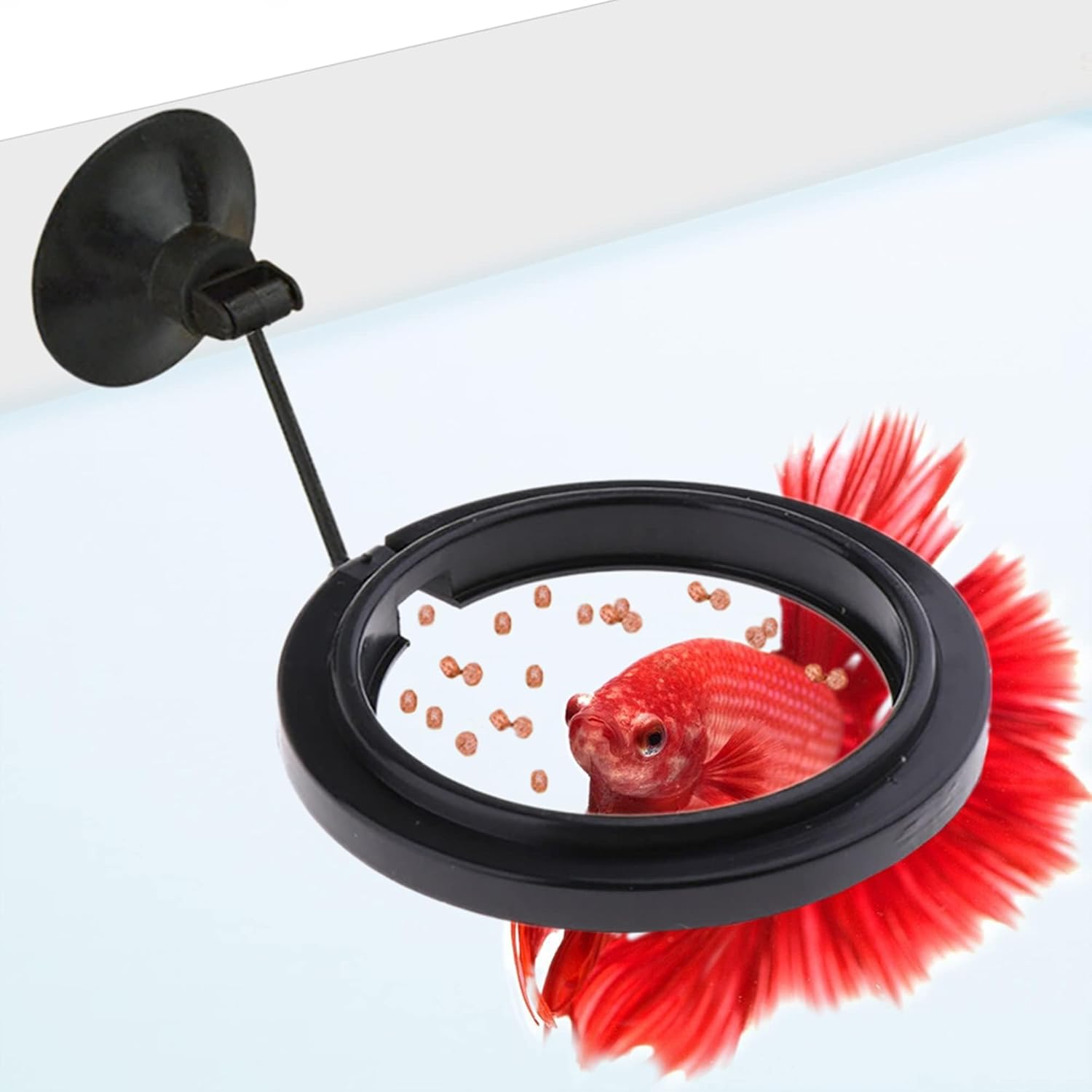
Feeding time can become a source of conflict in a sorority. Dominant fish may eat all the food before the timid ones get a chance. To prevent this, feed in multiple locations around the tank simultaneously. You can also use a feeding ring or scatter the food across the surface.
High-quality betta pellets should be the staple food, supplemented with frozen or live foods like bloodworms, daphnia, and brine shrimp. A varied diet keeps your fish healthy and reduces stress, which in turn reduces aggression.
Lighting and Environment
Bettas do not need intense lighting, and too much light can actually increase stress and aggression. Use a moderate aquarium light on a timer to simulate a natural day-night cycle of about 8 to 10 hours of light per day. Floating plants like frogbit or water lettuce can help diffuse the light and provide additional cover.
A calm environment outside the tank also matters. Avoid placing the aquarium in a high-traffic area with lots of vibrations and sudden movements. Bettas are sensitive to their surroundings, and a stressful environment can trigger aggressive behavior.
Common Mistakes to Avoid
Starting with Too Small a Tank
The number one mistake people make when attempting a betta sorority is using a tank that is too small. A 5-gallon or 10-gallon tank is completely inadequate for multiple bettas. These fish need space to establish territories and escape from each other. Cramped conditions lead to constant fighting and stress.
Adding Fish One at a Time
As mentioned earlier, adding fish one at a time to an established territory is a recipe for disaster. Always introduce all the females at once, or completely rearrange the tank before adding new members.
Ignoring Warning Signs
Some owners hope that aggression will “work itself out” over time. While minor squabbles during hierarchy establishment are normal, persistent aggression will not resolve on its own. It usually gets worse. If you see torn fins, fish refusing to eat, or constant chasing, take action immediately.
Not Having a Backup Plan
Every sorority keeper needs a backup plan. This means having a spare tank, a divider, or access to a local fish store that can take in a fish if things go wrong. Do not set up a sorority without knowing what you will do if a fish needs to be separated.
Alternatives to Keeping Multiple Bettas Together
Betta Fish with Other Species
If the idea of a sorority feels too risky, consider keeping a single betta with other peaceful fish species. Bettas can sometimes coexist with small, non-aggressive fish like neon tetras, ember tetras, corydoras catfish, and harlequin rasboras. The key is choosing tank mates that do not have long, flowing fins that might trigger the betta’s aggression.
Invertebrates like nerite snails and mystery snails are also popular choices. Shrimp can work too, though some bettas will hunt and eat them. For more ideas on compatible tank mates, explore our guide on what other fish can live with betta fish.
Multiple Single Betta Setups
Another option is to keep multiple bettas in separate tanks. If you have the space and budget, this is the safest way to enjoy several bettas without any risk of fighting. Each fish gets his or her own territory, and you can enjoy the unique personality of each individual betta.
Some keepers use a rack system with multiple small tanks, each housing a single betta. This is a popular approach among breeders and serious hobbyists who want to keep many bettas without the complications of community living.
Final Thoughts on Keeping Betta Fish Together
So, can certain betta fish live together? The answer is a cautious yes, but only under the right circumstances. Female bettas can form a sorority in a large, well-decorated tank with careful management. Male bettas should never share a tank, and male-female pairs should only meet for supervised breeding.
The most important thing to remember is that every betta fish is an individual. What works for one sorority might fail completely with a different group of fish. Patience, observation, and a willingness to adapt are your best tools. If you are new to betta fish, start with a single betta in a properly sized tank and gain experience before attempting a sorority.
Keeping betta fish is a rewarding hobby, and understanding their social needs is part of being a responsible owner. Whether you keep one betta or a whole sorority, the goal is always the same: happy, healthy fish that thrive in their environment. Take your time, do your research, and do not be afraid to ask for help from experienced keepers in the community.
Frequently Asked Questions
Can two female betta fish live together?
Two female bettas can sometimes live together, but it is risky with just two fish. One often becomes the bully and the other the target. A group of four or five females in a 20-gallon or larger tank is much safer because the aggression is spread across more fish.
Why can’t male betta fish live together?
Male bettas are extremely territorial and will fight other males aggressively. In the wild, the loser can swim away, but in an aquarium, there is no escape. These fights often result in serious injury or death, which is why males should always be kept separately.
What size tank do I need for a betta sorority?
A minimum of 20 gallons is recommended for a female betta sorority, though 40 gallons or larger is ideal. The tank should have a wide footprint rather than being tall and narrow. Heavy planting and plenty of hiding spots are essential for reducing aggression.
How do I know if my betta sorority is failing?
Watch for signs like torn or missing fins, fish hiding constantly, one fish being chased nonstop, or fish refusing to eat. Some minor chasing is normal during hierarchy establishment, but persistent aggression means you need to separate the fish immediately.
Can betta fish live with other types of fish?
Yes, bettas can sometimes live with peaceful, small fish like neon tetras, corydoras catfish, and ember tetras. Avoid fish with long, flowing fins or aggressive personalities. Snails and shrimp can also work as tank mates, though some bettas may eat shrimp.
What should I do if my bettas are fighting?
Separate the aggressive fish immediately using a tank divider or move her to a separate tank. Rearrange the decorations to break up established territories, and monitor the remaining fish closely. Always have a backup plan before setting up a community tank with bettas.