How to Take Care of a Betta Fighting Fish

Taking care of a betta fighting fish is easier than most people think. This guide covers everything you need to know about betta fighting fish care, from setting up the right tank to feeding schedules and health tips. By the end, you will feel confident keeping your betta happy and healthy for years to come.
If you have ever wondered how to take care of a betta fighting fish, you are in the right place. These stunning creatures with their flowing fins and vivid colors have captured the hearts of fish keepers around the world. But behind their beauty lies a need for proper care and attention.
Betta fighting fish, also known as Siamese fighting fish, are more resilient than many people assume. However, they still require a well-maintained environment, a balanced diet, and regular monitoring. Betta fighting fish care is not complicated, but it does demand consistency and a little knowledge.
In this guide, we will walk you through every aspect of keeping your betta healthy and happy. You will learn about tank setup, feeding routines, water quality, common health problems, and how to build a meaningful bond with your fish. Let us dive in and make taking care of your betta fighting fish a rewarding experience.
Key Takeaways
- Right Tank Size Matters: A minimum of 5 gallons gives your betta fighting fish room to thrive and stay active.
- Water Temperature Is Critical: Keep the water between 76 and 82 degrees Fahrenheit for optimal health.
- Feed Small Amounts Daily: Overfeeding is one of the most common mistakes in betta fish care.
- Regular Water Changes Prevent Illness: Weekly partial water changes keep toxins low and your fish stress-free.
- Know the Signs of Stress: Recognizing early warning signs helps you act fast and save your fish.
- Choose Tank Mates Carefully: Not all fish get along with bettas, so research before adding companions.
📑 Table of Contents
Understanding the Betta Fighting Fish
Before you set up a tank or feed your fish, it helps to understand what makes bettas unique. These fish belong to the gourami family and are native to the warm, shallow waters of Southeast Asia. In the wild, they live in rice paddies, slow-moving streams, and floodplains.
Betta fish have a special organ called the labyrinth, which allows them to breathe atmospheric air. This is why they can survive in low-oxygen water better than many other fish species. However, this does not mean they thrive in small, dirty bowls. A proper betta fish habitat is essential for a long and healthy life.
What Makes Betta Fighting Fish Unique
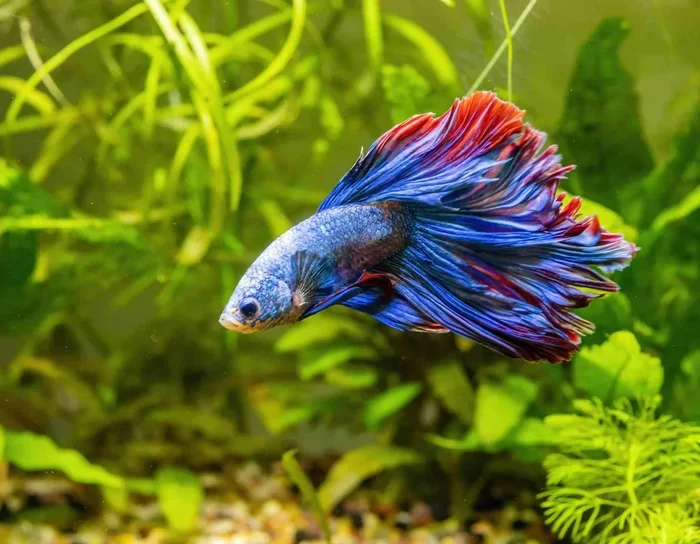
Male bettas are famous for their long, colorful fins and aggressive temperament. In fact, the name “fighting fish” comes from their tendency to fight with other males. Female bettas are less colorful and generally less aggressive.
The average betta fish lifespan ranges from three to five years with proper care. Some well-kept bettas have even lived up to seven years. Genetics, diet, and environment all play a role in how long your fish lives.
The Natural Habitat of Betta Fish
In their natural environment, bettas live in warm, slow-moving waters with plenty of vegetation. The water temperature stays consistently between 75 and 80 degrees Fahrenheit. Replicating these conditions in your home aquarium is the foundation of good betta fighting fish care.
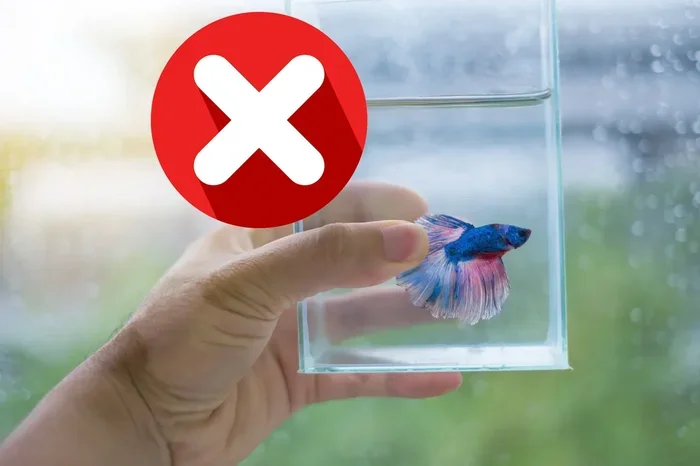
Many people mistakenly believe bettas can live in tiny cups or vases. While they can survive in small spaces for a short time, they will not thrive. A proper betta fish tank setup with adequate space and filtration makes a huge difference in your fish’s quality of life.
Setting Up the Perfect Tank
The tank you choose sets the stage for everything else. A well-planned betta fish tank setup reduces stress, prevents disease, and lets your fish display its natural behaviors. Here is what you need to know.
Choosing the Right Tank Size
The minimum recommended tank size for a betta is 5 gallons. Many pet stores sell bettas in tiny cups, but this is not ideal. A larger tank gives your fish more room to swim and explore. It also makes it easier to maintain stable betta fish water conditions.
Here is a quick comparison of tank sizes:
- 1 to 2 gallons: Too small for long-term health. Only acceptable for temporary housing.
- 5 gallons: The minimum recommended size for a single betta.
- 10 gallons or more: Ideal for a single betta or a carefully chosen community setup.
Larger tanks are more forgiving when it comes to water parameter swings. If you are serious about betta fish care, go with at least 5 gallons from the start.
Essential Tank Equipment
You do not need a lot of fancy equipment, but a few essentials are non-negotiable. A gentle filter is important because bettas do not like strong currents. Choose a sponge filter or a filter with a baffle to reduce flow.
A reliable heater is equally important. Bettas are tropical fish and need warm water. A submersible heater with a thermostat will help you maintain the right betta fish temperature consistently. Aim for 76 to 82 degrees Fahrenheit.
Other essentials include:
- A thermometer to monitor water temperature daily
- A water conditioner to remove chlorine and chloramine
- A test kit to check ammonia, nitrite, and nitrate levels
- A soft substrate or no substrate at all for easy cleaning
Decorating the Tank
Betta fish love places to hide and explore. Add live or silk plants, caves, and driftwood. Avoid sharp plastic decorations that can tear their delicate fins. Betta fish decorations should create a natural, comfortable environment.
Live plants are especially beneficial because they help absorb nitrates and produce oxygen. Java fern, anubias, and amazon sword plants are great choices for a betta fish tank setup. They also give your fish a sense of security, which reduces stress.
Feeding Your Betta Fighting Fish
Feeding is one of the most important parts of betta fighting fish care. A proper betta fish diet keeps your fish vibrant, active, and full of energy. But overfeeding is a mistake many new owners make.
What to Feed Your Betta
Betta fish are carnivores. Their diet should be high in protein. High-quality betta pellets should form the staple of their meals. Look for pellets where the first ingredient is whole fish or fish meal, not fillers like corn or wheat.
You can also offer variety with:
- Frozen or live brine shrimp
- Daphnia
- Bloodworms (as an occasional treat)
- Mosquito larvae
Variety in the betta fish diet helps prevent nutritional gaps and keeps feeding time interesting for your fish. However, treats should make up no more than 10 percent of their total intake.
Feeding Schedule and Portions
Feed your betta two small meals per day. Each meal should be about the size of your fish’s eyeball. This might seem tiny, but it is the perfect portion. Bettas have small stomachs, and overeating leads to bloating, constipation, and poor water quality.
Some experienced fish keepers recommend fasting your betta for one day per week. This helps clear the digestive system and prevents constipation. If you notice your fish leaving food uneaten, reduce the portion size at the next feeding.
Water Quality and Maintenance
Clean water is the single most important factor in betta fish health tips. Poor water quality is the leading cause of illness and early death in captive bettas. Keeping the water clean does not have to be difficult if you establish a routine.
Ideal Water Parameters
Bettas thrive in specific water conditions. Here are the ideal parameters you should aim for:
- Temperature: 76 to 82 degrees Fahrenheit
- pH: 6.5 to 7.5
- Ammonia: 0 ppm
- Nitrite: 0 ppm
- Nitrate: Below 20 ppm
Test your water at least once a week using a liquid test kit. Test strips are convenient but less accurate. Catching a spike in ammonia or nitrite early can save your fish’s life.
How to Perform Water Changes
Weekly partial water changes are essential for a healthy betta fish tank maintenance routine. Remove 25 to 30 percent of the water each week and replace it with dechlorinated water at the same temperature.
Use a gravel vacuum to remove debris from the substrate while you siphon out old water. This keeps the tank clean without disturbing the beneficial bacteria that keep your betta fish tank cycling properly.
If you keep your betta in a bowl or small tank, you may need to do water changes more frequently. How to take care of betta fish in winter is especially important because temperature fluctuations can stress your fish and weaken its immune system. Always match the temperature of new water to the tank water.
Common Health Issues and How to Prevent Them
Even with the best care, bettas can get sick. Knowing the signs of common problems helps you act quickly. Prevention is always better than treatment, so let us cover both.
Signs of a Healthy Betta Fish
A healthy betta should have bright, vivid colors and flowing fins. It should be active and curious, exploring its environment. A good appetite is another strong sign of wellness. Here is what to look for:
- Bright, vibrant coloration
- Fins held open and flowing
- Active swimming behavior
- Eagerness to eat
- Clear eyes and smooth scales
If your fish shows any sudden changes in appearance or behavior, it is time to investigate further. Early detection of betta fish diseases gives you the best chance of a full recovery.
Common Diseases and Their Treatments
The most common health issues bettas face include ich, fin rot, and constipation. Ich appears as white spots on the body and fins. It is caused by stress and poor water conditions. Raise the temperature slowly to 82 degrees and treat with a commercial ich medication.
Fin rot causes the edges of the fins to look ragged or discolored. It is usually a bacterial infection resulting from poor water quality. Improve your water maintenance routine and consider a bacterial treatment if the condition worsens.
Constipation is common in bettas and shows up as a swollen belly and difficulty swimming. Feeding a single pea (deshelled) can help. If you are unsure about any symptoms, search for advice on how to treat ich on a betta fish or consult a veterinarian who specializes in fish.
Building a Bond With Your Betta Fighting Fish
One of the most rewarding parts of owning a betta is the bond you can build over time. Bettas are intelligent fish that can recognize their owners and respond to their presence. How to grow a bond with your betta fish is simpler than you might think.
Understanding Betta Behavior
Bettas communicate through body language. A relaxed fish will swim calmly and explore its surroundings. A stressed betta may hide constantly, clamp its fins close to its body, or lose color. Learning to read these betta fish behavior cues helps you respond to their needs faster.
If your fish flares at you, do not be alarmed. This is a natural behavior. Males flare to defend territory or when they see their reflection. Over time, your betta will learn that you are not a threat.
Daily Interaction Tips
Spend a few minutes each day observing your betta. Talk to your fish in a calm voice. Some bettas learn to recognize feeding time and will swim to the front of the tank when they see you. This is a great sign of trust and recognition.
Avoid tapping on the glass or making sudden loud noises. These startle your fish and can cause long-term stress. A calm, predictable environment helps your betta feel safe and strengthens the connection between you.
Conclusion
How to take care of a betta fighting fish comes down to a few key principles: a proper tank, clean water, a balanced diet, and regular observation. These fish are more hardy than people give them credit for, but they still depend on you for everything.
By following the tips in this betta fish care guide, you are setting your fish up for a long, healthy, and happy life. Start with the basics, stay consistent, and enjoy watching your betta thrive. The effort you put in will be rewarded with a beautiful, lively companion that brings joy to your home every single day.
Frequently Asked Questions
How often should I feed my betta fighting fish?
Feed your betta two small meals per day. Each meal should be about the size of the fish’s eyeball. Overfeeding is one of the most common mistakes in betta fish care, so keep portions small and remove any uneaten food after a few minutes.
Can I keep a betta fighting fish in a small bowl?
While bettas can survive in small bowls, they will not thrive. A minimum 5-gallon tank is recommended for a healthy and happy betta. A larger tank makes it easier to maintain stable water conditions and gives your fish room to swim.
What is the ideal water temperature for a betta fighting fish?
The ideal temperature range is 76 to 82 degrees Fahrenheit. Use a reliable heater and thermometer to keep the temperature consistent. Sudden temperature drops can stress your fish and weaken its immune system.
How do I know if my betta fish is stressed?
Common signs of stress include clamped fins, faded colors, hiding constantly, and loss of appetite. Poor water quality is the most common cause of stress in bettas. Regular water changes and a stable environment help prevent stress-related issues.
Can betta fighting fish live with other fish?
Male bettas should not be housed with other male bettas or fish with long, flowing fins. Female bettas can sometimes live in small groups called sororities with careful setup. Always research betta fish tank mates before adding any companions to the tank.
Why is my betta fish not eating?
A loss of appetite can be caused by stress, poor water quality, or illness. Check your water parameters first and make sure the temperature is within the ideal range. If your fish continues to refuse food for more than two days, look into potential health issues or consult a fish veterinarian.