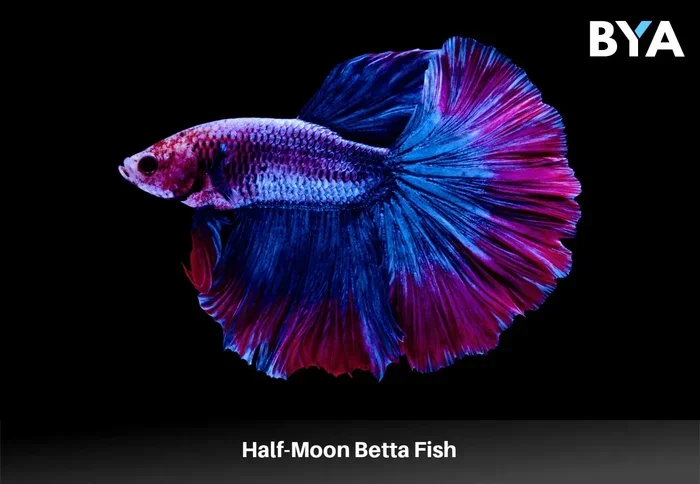
Why Do Male Betta Fish Make Bubble Nests

Male betta fish build bubble nests as a natural reproductive strategy, creating a safe cradle for eggs and fry. Understanding the triggers, proper tank conditions, and care tips helps you encourage healthy nests and boost breeding success.
Key Takeaways
- Purpose of the nest: It protects eggs from water movement and provides oxygen.
- When they appear: Males start building when they sense a female or feel comfortable in the environment.
- Ideal conditions: Warm water (78‑80°F), soft surface tension, and low stress are essential.
- Spotting a good nest: Look for tight, round bubbles near the water surface, often with a “shelf” of larger bubbles.
- Common problems: Poor water quality, aggressive tank mates, or low temperature can stop nest building.
- Helping the nest: Use a lid, maintain stable parameters, and avoid sudden disturbances.
- Breeding tip: After spawning, remove the female quickly to prevent the male from eating the eggs.
📑 Table of Contents
- Introduction: The Bubble‑Nest Phenomenon
- 1. The Evolutionary Reason Behind Bubble Nests
- 2. When Do Male Betta Fish Start Building?
- 3. How a Male Builds a Bubble Nest
- 4. Creating the Perfect Nest‑Friendly Tank
- 5. Managing the Nest During Breeding
- 6. Common Myths and Misconceptions
- Conclusion: Embrace the Bubble‑Nest Journey
Introduction: The Bubble‑Nest Phenomenon
If you’ve ever watched a male betta fish puff up his chest and start blowing bubbles at the water’s surface, you’ve witnessed one of nature’s most charming courtship rituals. Those frothy structures aren’t just random bubbles; they are carefully crafted homes for the next generation of bettas. In this article we’ll answer the question “why do male betta fish make bubble nests?” and give you practical advice to recognize, encourage, and protect these nests.
We’ll break down the biology behind the behavior, the environmental cues that trigger it, and the steps you can take to create the perfect nesting environment in your home aquarium. By the end, you’ll feel confident talking to fellow hobbyists about bubble nests and will have a clear plan to help your male betta become a successful “father.”
1. The Evolutionary Reason Behind Bubble Nests
1.1 Protecting Eggs in a Shallow Habitat
Betta fish (Betta splendens) are native to the shallow, slow‑moving waters of Thailand, Laos, and Cambodia. In those environments, strong currents are rare, but the water surface can become turbulent from rain or wind. A floating bubble nest provides a stable platform that keeps eggs out of direct water flow, reducing the risk of them being washed away.

Visual guide about Why Do Male Betta Fish Make Bubble Nests
Image source: fishkeepingacademy.com
1.2 Providing Oxygen and Cleanliness
Each bubble is filled with air that slowly diffuses oxygen into the surrounding water. The nest acts like a tiny oxygen reservoir, keeping the developing embryos well‑oxygenated. Additionally, the surface tension of the bubbles creates a barrier that limits the growth of harmful bacteria on the eggs.
1.3 A Sign of Male Fitness
Building a large, well‑structured nest signals to a potential mate that the male is healthy, strong, and capable of caring for offspring. In the wild, females preferentially choose males with the most impressive nests, which drives the evolution of this behavior.
2. When Do Male Betta Fish Start Building?
2.1 Seasonal and Hormonal Triggers
In their natural range, bettas breed during the warm, rainy season when water temperature rises above 78°F (25.5°C). The increased temperature, combined with higher daylight hours, stimulates the production of reproductive hormones that prompt nest building.
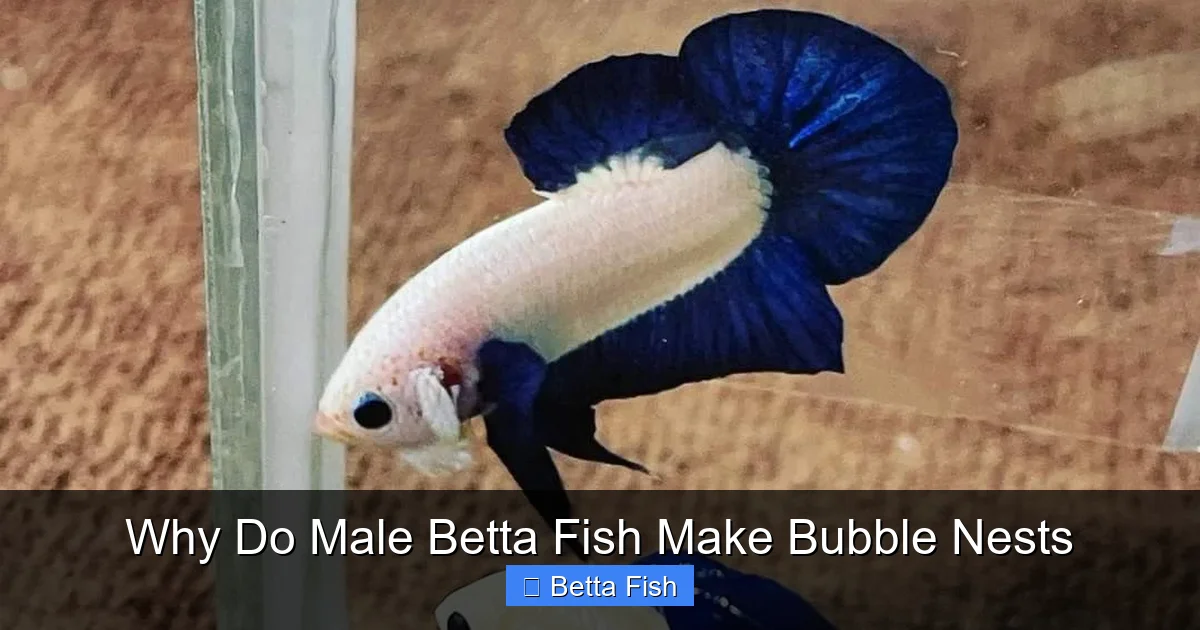
Visual guide about Why Do Male Betta Fish Make Bubble Nests
Image source: i.pinimg.com
2.2 The Role of a Female’s Presence
Male bettas often wait until they sense a female nearby. The female releases pheromones that the male detects with his lateral line system. Once these chemicals are detected, the male’s brain releases a surge of testosterone, and the bubble‑nesting frenzy begins.
2.3 Environmental Comfort
Even without a female, a male will start a nest if his tank conditions are ideal—stable temperature, low stress, and a calm water surface. If you’re curious about the timing, see our article on when do betta fish make bubble nests for a deeper dive.
3. How a Male Builds a Bubble Nest
3.1 The “Bubble‑Blowing” Technique
The male gulps air at the surface, mixes it with mucus secreted from his mouth, and then releases the bubble. The mucus makes the bubbles sticky, allowing them to cling together and form a cohesive structure.
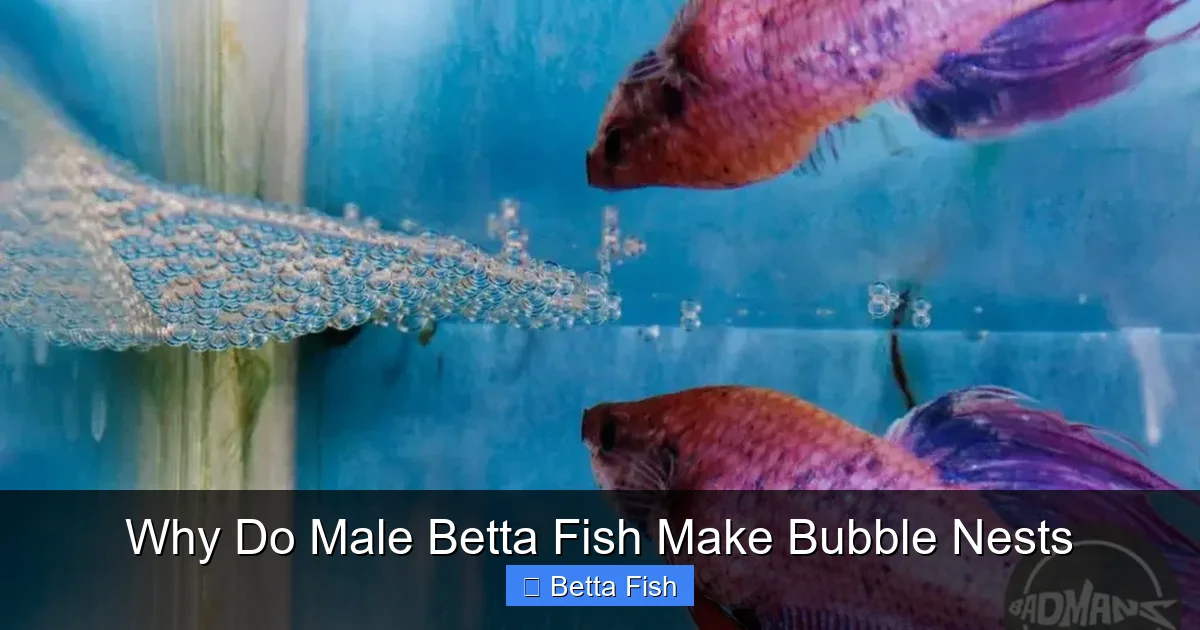
Visual guide about Why Do Male Betta Fish Make Bubble Nests
Image source: bettafishworld.com
3.2 The “Shelf” and “Cup” Design
Most nests have a “shelf” of larger bubbles that act like a base, topped with a “cup” of smaller bubbles where the eggs will settle. This two‑layer design maximizes stability and oxygen flow.
3.3 Typical Size and Shape
A healthy nest can be anywhere from 2 to 6 inches in diameter and may contain hundreds of bubbles. The shape is usually round or oval, but some males create a more irregular “pancake” form, especially in smaller tanks.
4. Creating the Perfect Nest‑Friendly Tank
4.1 Temperature and Water Parameters
Maintain water at 78‑80°F (25.5‑26.5°C) with a stable temperature. Use a reliable heater and a thermometer to avoid fluctuations. Keep the pH between 6.5 and 7.5 and the water soft (0–5 dGH) to mimic natural soft water.
4.2 Surface Tension and Water Movement
Gentle water flow is key. Strong currents break bubbles apart, while a completely still surface can lead to a thin film of oil that reduces surface tension. A small, filtered sponge filter set to “surface‑agitate” mode works well. Avoid air stones that create too many bubbles; they can confuse the male.
4.3 Lighting and Cover
Provide a 10‑hour light cycle with a dimming period in the evening. Bright light encourages the male to build, but sudden flashes can startle him. A tight‑fitting tank lid prevents the male from escaping and reduces the chance of a stray bubble being blown out of the tank.
4.4 Tank Size and Décor
A 5‑gal (19‑liter) tank is the minimum for a single male. Include smooth vertical plants or a piece of driftwood near the surface; the male often uses these as anchor points for his nest.
4.5 Reducing Stress
Limit vibrations, loud noises, and frequent handling. If you keep other fish, choose peaceful species that stay at the bottom and do not nip at the male’s fins. For more on compatible tank mates, read what fish can live with a male betta.
5. Managing the Nest During Breeding
5.1 Introducing the Female
Place the female in a clear breeder’s container inside the male’s tank. This lets the male see her without direct contact, reducing aggression while still allowing pheromone exchange. Once the male is actively building, you can remove the divider for a short “courtship” period.
5.2 Spawning and Egg Care
When the male is ready, he will display his flared fins and may “hug” the female. The female releases 20‑30 eggs, which fall onto the nest. The male immediately gathers them into the bubble cup, fertilizes them, and continues to add fresh bubbles.
5.3 Post‑Spawning Maintenance
After the eggs are secured, gently remove the female to prevent the male from becoming aggressive. Keep the water temperature steady and perform a 25% water change every 24‑48 hours, using water that matches the tank’s temperature and parameters.
5.4 When Things Go Wrong
If the nest collapses or the male stops adding bubbles, check for water quality spikes, temperature drops, or the presence of a predator fish. Our guide on why did my betta fish stop making bubble nest covers troubleshooting steps.
6. Common Myths and Misconceptions
6.1 “All Betta Males Build Nests”
While most healthy males will build a nest when conditions are right, stressed or poorly fed fish may skip the behavior altogether.
6.2 “Bubble Nests Are Only for Breeding”
Even non‑breeding males may create small nests as a territorial marker. However, these are usually less elaborate and contain fewer bubbles.
6.3 “Bubbles Mean the Fish Is Sick”
Seeing a male blow bubbles is a sign of normal, healthy behavior, not a disease indicator. If the bubbles are excessive and the fish appears lethargic, check water quality.
Conclusion: Embrace the Bubble‑Nest Journey
Understanding why do male betta fish make bubble nests gives you a window into the fascinating reproductive world of these vibrant fish. By providing the right temperature, gentle water movement, and a stress‑free environment, you set the stage for your male to showcase his natural instincts and, if you wish, raise a new generation of bettas.
Remember, a thriving bubble nest is a sign of a happy, healthy male. Keep an eye on the nest’s shape, maintain pristine water, and enjoy the spectacular sight of your betta’s dedication to his future offspring. Happy nesting!
Frequently Asked Questions
Why does my male betta start blowing bubbles without a female?
He may be responding to ideal water conditions, temperature, or simply displaying territorial behavior. A healthy male often builds a nest as a sign of comfort.
What temperature is best for bubble‑nest building?
Keep the water between 78°F and 80°F (25.5‑26.5°C). Consistent warmth mimics the rainy season and encourages nest construction.
Can I add plants to help the nest?
Yes. Smooth‑leafed plants or a piece of driftwood near the surface give the male extra anchor points and make the nest look more stable.
How do I know if the nest is healthy?
A good nest is round, has a solid “shelf” of larger bubbles, and a dense “cup” on top. If the bubbles are scattered or the nest collapses quickly, check water quality.
What should I do if the male stops making bubbles?
Test the water for ammonia, nitrite, and pH changes. Ensure the temperature is stable and remove any aggressive tank mates. For detailed troubleshooting, see our article on why the nest stopped.
Do bubble nests need to be removed after spawning?
After the fry are free‑swimming (usually 3‑4 days), you can gently lift the nest out with a soft net to prevent the male from eating the young fish.