Where Does Betta Fish Live

Betta fish thrive in warm, shallow waters of Southeast Asia, but they can also flourish in well‑maintained home tanks. Understanding their natural habitat helps you recreate the perfect conditions for a healthy, vibrant betta.
Key Takeaways
- Natural range: Betta fish originate from rice paddies, streams, and floodplains in Thailand, Cambodia, and Vietnam.
- Water preferences: They love warm (78‑82°F), soft, slightly acidic water with low flow.
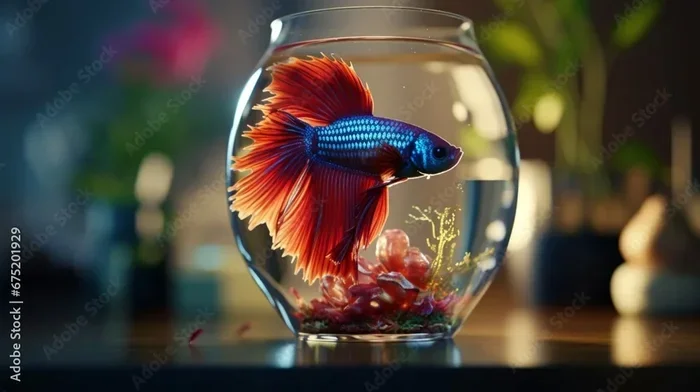
- Tank setup: A 5‑gal filtered aquarium with plants, hiding spots, and a gentle heater mimics their wild home.
- Social behavior: Males are territorial; females can live in sororities with careful monitoring.
- Diet: In the wild they eat insects and larvae; in captivity feed high‑quality pellets, frozen or live foods.
- Longevity: With proper care, bettas live 3‑5 years, sometimes longer.
- Conservation: Habitat loss threatens wild populations, making responsible breeding important.
📑 Table of Contents
- Introduction: From Rice Fields to Your Living Room
- 1. Natural Habitat of the Betta
- 2. Translating the Wild into a Home Aquarium
- 3. Water Parameters: Keeping the Balance
- 4. Diet: Feeding What Betta Fish Eat in the Wild
- 5. Social Behavior and Tank Mates
- 6. Conservation and Ethical Considerations
- Conclusion: Bringing the Wild Home
Introduction: From Rice Fields to Your Living Room
When you first see a betta fish’s dazzling fins, it’s easy to think they belong only in a tiny bowl. In reality, these colorful fighters come from bustling, shallow waters of Southeast Asia. Knowing where does betta fish live in the wild helps you recreate a safe, comfortable home environment.
In this article we’ll explore the betta’s natural habitats, the water conditions they love, and how to turn a simple aquarium into a miniature version of their original home. You’ll also get practical tips on tank setup, plants, and feeding, plus a quick look at their lifespan and conservation status.
1. Natural Habitat of the Betta
Geographic range
Betta fish are native to the lower Mekong basin, covering parts of Thailand, Cambodia, Laos, and Vietnam. They favor slow‑moving or stagnant waters such as rice paddies, ditches, and flood‑plain pools.

Visual guide about Where Does Betta Fish Live
Image source: i.ytimg.com
Water characteristics
- Temperature: 78‑82°F (25‑28°C) year‑round.
- pH: Slightly acidic to neutral, usually 6.0‑7.0.
- Hardness: Soft water, 3‑8 dGH.
- Flow: Minimal; gentle surface tension helps them breathe air.
Vegetation and hiding spots
Wild bettas hide among live plants, floating leaves, and root systems. These provide shelter from predators and breeding sites.
2. Translating the Wild into a Home Aquarium
Choosing the right tank size
While a single male can survive in a 2‑gallon bowl, a 5‑gallon (or larger) tank with a filter is far healthier. More water means stable temperature and better waste management.

Visual guide about Where Does Betta Fish Live
Image source: pokemon.co.jp
Filtration and water movement
Use a gentle sponge filter or a low‑flow hang‑on‑back unit. Betta fish are labyrinth fish—they gulp air from the surface—so avoid strong currents that can stress them.
Heating and lighting
A reliable aquarium heater set to 80°F keeps the water in the sweet spot. Provide 8‑10 hours of subdued lighting daily; too much bright light can stress the fish.
Plants and décor
Live plants such as Java fern, Anubias, and Marimo moss recreate the natural cover. If live plants aren’t possible, silk or natural‑looking plastic plants work too. Add driftwood or smooth rocks for extra hiding places.
3. Water Parameters: Keeping the Balance
Testing and adjusting pH
Use a liquid test kit weekly. If pH drifts above 7.2, add driftwood or Indian almond leaves to gently lower it.
Hardness control
Soft water can be achieved with reverse osmosis (RO) water mixed with tap water at a 1:1 ratio. Avoid adding calcium‑rich substrates unless you plan to raise the hardness intentionally.
Regular water changes
Replace 25‑30% of the tank water every week. This removes nitrates and keeps the environment stable, mirroring the fresh inflow of rainwater in their native ponds.
4. Diet: Feeding What Betta Fish Eat in the Wild
Natural food sources
In the wild, bettas hunt insects, mosquito larvae, and tiny crustaceans that fall onto the water surface.
Captive diet options
- High‑quality betta pellets (the staple).
- Frozen or freeze‑dried bloodworms, daphnia, and brine shrimp (where to buy live daphnia for extra nutrition).
- Occasional live foods for enrichment.
Feeding schedule
Two small meals per day, no more than the size of the fish’s eye, prevent overfeeding and keep the water cleaner.
5. Social Behavior and Tank Mates
Male versus female
Male bettas are highly territorial and should be kept alone or with peaceful bottom‑dwelling species. Female bettas can live in groups (a “sorority”) if the tank is spacious and provides plenty of hiding spots.
Compatible tank mates
Small, non‑aggressive fish like neon tetras, rasboras, or dwarf gouramis often coexist peacefully. Avoid fin‑nipping species and other labyrinth fish.
Snails and shrimp
Apple snails and cherry shrimp can help clean algae, but monitor for aggression, especially with curious males.
6. Conservation and Ethical Considerations
Wild population pressures
Habitat loss from agriculture and urbanization threatens native betta populations. Supporting responsible breeders and avoiding wild‑caught fish helps protect these ecosystems.
Choosing a healthy betta
Buy from reputable sources that practice proper quarantine and breeding. Learn how long does a betta fish live to set realistic expectations for care.
Conclusion: Bringing the Wild Home
Understanding where does betta fish live—their natural waters, temperature, and diet—empowers you to create a thriving aquarium that mimics the wild. With the right tank size, gentle filtration, soft warm water, and plenty of plants, your betta will display its brilliant colors and lively personality for years to come. Remember, a well‑set up tank not only benefits your fish but also honors the natural habitats they come from.
Frequently Asked Questions
What type of water temperature is best for betta fish?
Betta fish thrive in warm water between 78°F and 82°F (25‑28°C). Consistent temperature reduces stress and supports their immune system.
Can bettas live in a bowl?
While they can survive in a small bowl, a filtered tank of at least 5 gallons provides better water quality and a healthier environment.
Do bettas need a heater?
Yes. In most homes the ambient temperature is below the ideal range, so a reliable aquarium heater is essential.
How often should I change the water?
Replace 25‑30% of the water weekly. This keeps nitrate levels low and mimics the fresh inflow of rainwater in their natural habitats.
Can male bettas share a tank with other fish?
Male bettas are territorial and should be kept alone or with very peaceful, non‑fin‑nipping tank mates like small rasboras or shrimp.
What are good plants for a betta tank?
Live plants such as Java fern, Anubias, and Marimo moss provide hiding spots and improve water quality. If live plants aren’t possible, use silk plants that won’t tear their delicate fins.