Where Did Betta Fish Originate From
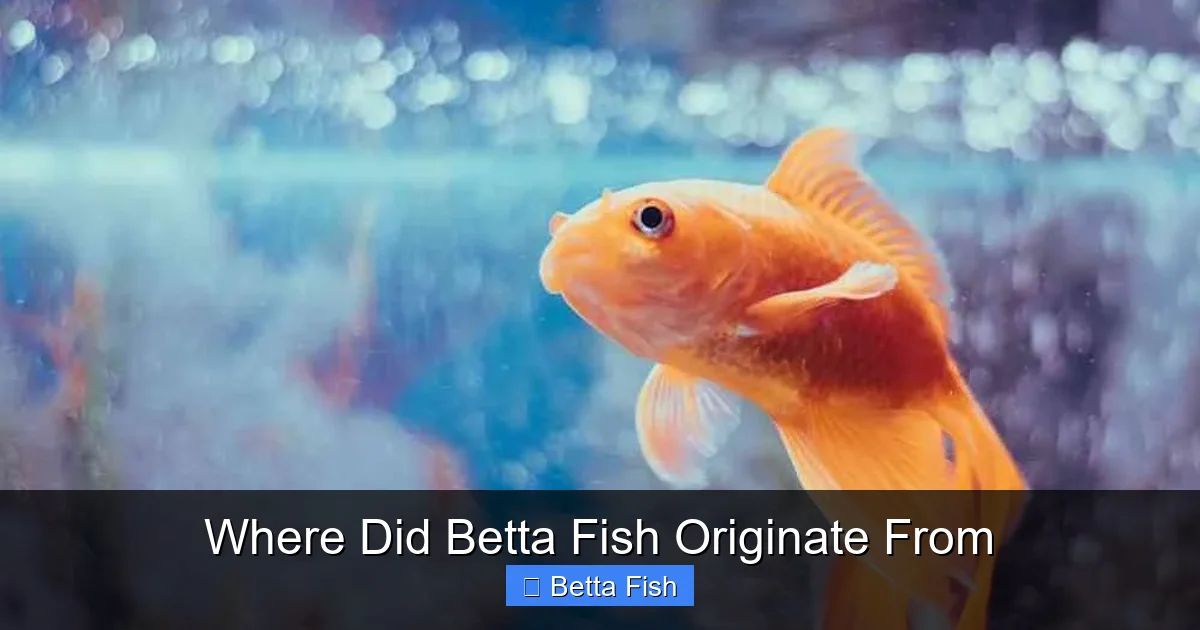
Betta fish, the vibrant jewels of the aquarium world, originate from the shallow, warm waters of Southeast Asia. They are native to countries like Thailand, Cambodia, and Vietnam, where they inhabit rice paddies, slow-moving streams, and floodplains. Understanding their wild roots is key to providing proper care for these intelligent and historically significant fish.
Key Takeaways
- Native to Southeast Asia: Wild bettas (Betta splendens) are indigenous to the Chao Phraya and Mekong river basins in Thailand, Cambodia, and parts of Vietnam and Malaysia.
- Adapted to Harsh Conditions: They evolved a labyrinth organ to breathe atmospheric air, allowing survival in warm, oxygen-poor, stagnant waters like rice paddies and shallow ponds.
- Not Just “Fighting Fish”: While historically bred for aggression (Plakat bettas), most wild bettas are relatively peaceful, with males only becoming territorial during breeding.
- Domestication History: They were first collected and bred for fighting in Siam (Thailand) over 1,000 years ago, with the first Western imports arriving in the 1800s.
- Wild vs. Captive: Modern aquarium bettas are drastically different in fin length, color, and temperament due to centuries of selective breeding from wild stock.
- Habitat Loss Threat: Their natural habitats face severe threats from pollution, agricultural runoff, and damming, making wild populations vulnerable.
- Cultural Significance: In Thailand, they are a national aquatic animal and a source of immense cultural pride, symbolizing resilience and beauty.
📑 Table of Contents
- The Shallow Roots of a Global Phenomenon
- The Cradle of the Betta: Geography and Natural Habitat
- A Fish Forged by Conflict: The History of Fighting Bettas
- Scientific Classification and the Wild Cousins
- From Rice Paddy to Living Room: The Domestication Journey
- The Modern Wild Betta and Conservation Concerns
- Caring for a Captive Betta: Honoring Its Wild Origins
- Conclusion: The Origin is the Guide
The Shallow Roots of a Global Phenomenon
Glimmering in a crystal-clear vase or darting through a planted community tank, the betta fish is one of the most recognizable aquarium inhabitants on the planet. With flamboyant fins that flow like silk and colors that defy the rainbow, it’s easy to imagine these fish always belonged in glass boxes. But the true story of where the betta fish originated from is far more fascinating, wild, and deeply tied to the land and people of a specific corner of our world. To understand the betta is to journey to the steaming rice paddies and murky backwaters of Southeast Asia, where this remarkable fish first evolved its legendary survival skills.
The betta fish you see in stores today, scientifically named Betta splendens, is the product of both millions of years of natural evolution and over a millennium of intense human intervention. Its origins are not in a lab or a breeder’s tank, but in the dynamic, often challenging, ecosystems of the tropical Mekong and Chao Phraya river basins. This history explains everything from its famous bubble nest-building behavior to its surprising ability to survive in a tiny amount of water. By tracing its journey from wild fighter to global pet, we gain crucial insights into how to properly care for these complex creatures and appreciate the wild legacy they carry in their genes.
The Cradle of the Betta: Geography and Natural Habitat
When pinpointing the precise cradle of the betta fish, we look to a region defined by two great river systems and the landscapes they shape. The historical and biological heartland of Betta splendens is the central plains of Thailand, specifically the vast network of tributaries, swamps, and flooded fields surrounding the Chao Phraya River. This range naturally extends eastward into Cambodia’s Tonle Sap lake and Mekong floodplains, and southward into the Malay Peninsula. The type specimen that led to the scientific description of the species was even collected from a canal in Bangkok.
Visual guide about Where Did Betta Fish Originate From
Image source: diyseattle.com
The Rice Paddy Paradise (and Challenge)
The quintessential wild betta habitat is the flooded rice paddy. During the monsoon season, these agricultural fields transform into shallow, warm, sun-drenched expanses of water. This might sound idyllic, but it’s an extreme environment. The water is often stagnant, tea-colored from decaying vegetation (called “blackwater”), and severely low in dissolved oxygen due to the heat and decomposition. It is in these challenging conditions that the betta’s most famous adaptation, the labyrinth organ, became a revolutionary evolutionary advantage.
This specialized respiratory structure, a folded piece of tissue rich in blood vessels, allows the betta to gulp air from the surface directly into a lung-like chamber. It is a survival tool born of necessity, enabling the betta to thrive where many other fish would suffocate. You’ll also find them in the slow-moving sections of streams, drainage ditches, and shallow ponds—any warm, shallow, vegetated body of water that periodically dries up or becomes inhospitable. This history of living in ephemeral habitats explains their hardy, territorial nature and their instinct to build bubble nests in still surface water, a practice that ensures their fry have access to that crucial atmospheric air.
A Fish Forged by Conflict: The History of Fighting Bettas
Long before they were “designer fish” with flowing, frilly fins, bettas were known as “fighting fish.” The practice of pitting these fierce little warriors against one another is not a modern myth but a documented cultural tradition that is central to their domestication. The historical record points to the Siamese (Thai) people, possibly as early as the 10th or 11th century, collecting wild bettas and selectively breeding them for aggression and stamina. These matches were not to the death but would continue until one fish retreated. The victor’s owner would win a prize, often the losing fish itself.
Visual guide about Where Did Betta Fish Originate From
Image source: japanesefightingfish.org
From Battlefield to Ballroom: The Genetic Split
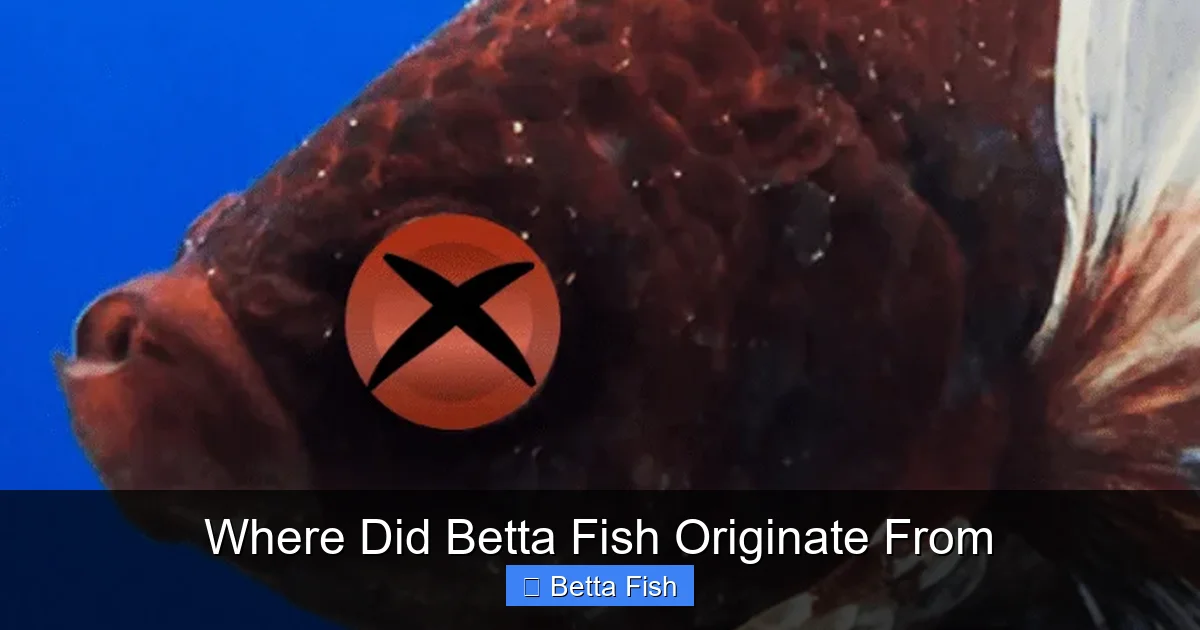
This intense artificial selection created two distinct lines within the domesticated Betta splendens population in Thailand. The Plakat (meaning “fighting fish” in Thai) retained the short, sturdy fins and aggressive, muscular body type of their wild ancestors. They are the closest living genetic representation of the original fighting strains. Meanwhile, a separate breeding focus emerged on aesthetics—long, flowing fins and brilliant colors. These became the Halfmoon, Doubletail, and other “show” varieties that dominate the global pet trade. The wild-type betta, with its compact body and modest, short fins, is a stark contrast to the glamorous descendants we commonly know.
The introduction of these fish to the West is often attributed to Dr. Theodore Cantor, a Danish physician and naturalist working in Bangkok in the 1840s. He received some fighting bettas from the King of Siam (likely King Rama III) and sent specimens back to Europe. In 1909, the German ichthyologist Paul E. P. der Müller formally described and named the species Betta splendens (“splendid betta”). The name “betta” itself is believed to derive from “ikan bettah,” referring to an ancient warrior tribe of the Malay Peninsula, a nod to the fish’s combative reputation.
Scientific Classification and the Wild Cousins
While the Siamese fighting fish (Betta splendens) is the undisputed superstar, the story of betta origins is richer when we look at its broader family tree. The betta belongs to the genus Betta, which is part of the Osphronemidae family, the gouramis. There are over 70 recognized species of wild bettas, most found in the same Southeast Asian biogeographic region. These “cousins” display a stunning array of sizes, color patterns, and breeding behaviors, painting a picture of a highly successful and diversified genus.

Visual guide about Where Did Betta Fish Originate From
Image source: ekk4j69ebaa.exactdn.com
Beyond Splendens: Other Wild Species
Notable wild relatives include the Betta imbellis (the peaceful betta, which is indeed less aggressive), Betta mahachaiensis (found in brackish waters near Bangkok), and the stunning Betta smaragdina (the emerald betta, with iridescent green scales). Many of these species are also paternal bubble nesters like B. splendens, though a few are mouthbrooders, carrying the fertilized eggs in their mouth until they hatch—a completely different reproductive strategy. The existence of these diverse species confirms that the genus Betta evolved within this specific region, adapting to various micro-habitats from pure freshwater to slightly salty coastal pools. Our beloved B. splendens is just one, spectacularly successful, branch on this evolutionary tree.
Understanding the Labyrinth Organ
The labyrinth organ is the defining anatomical feature of all gouramis and bettas. It is a folded structure of bony plates (the “labyrinth”) located in a chamber above the gills. This adaptation allows for efficient extraction of oxygen from air gulped at the surface. For a pet owner, this explains why your betta must have access to the water’s surface. It cannot survive long in water that is completely sealed or without an air-water interface. It also means they are notorious jumpers; in the wild, surfacing for air is a constant, necessary act. This organ is a direct genetic legacy from their oxygen-poor native habitats and is non-negotiable for their survival in captivity.
From Rice Paddy to Living Room: The Domestication Journey
The transformation of the betta from a wild fish in a Thai ditch to a global icon is a tale of trade, fascination, and modern marketing. The key inflection point was the Western discovery of the fighting fish. As news of these dramatic, colorful contests spread, bettas became curiosities in European aquaria in the late 19th century. Initially, they were kept as fighting fish, but the Victorians, with their penchant for ornamental aquariums, soon began to appreciate their beauty more than their battling prowess.
The 20th Century Explosion
The real boom came in the mid-20th century, particularly in the United States. In the 1960s and 70s, breeders in the U.S. and Europe began intensive selective programs focused on maximizing fin length, symmetry, and color variety. The development of the Halfmoon trait—where the caudal fin spreads a full 180 degrees—was a watershed moment in betta aesthetics. Simultaneously, mass-production techniques in Southeast Asia (especially Thailand, now the world’s leading exporter) made bettas cheap, abundant, and ubiquitous. They were sold not in specialized stores but in department stores, supermarkets, and pet shops, often in tiny cups or bowls—a marketing practice that tragically misrepresented their true needs.
This commercial success, however, created a massive disconnect. The fish being sold were the product of hundreds of generations of breeding for looks, completely divorced from their wild behavioral and environmental imperatives. The popular image of a betta as a disposable, low-maintenance pet that can live in a vase or a small jar became entrenched, directly contradicting the biology of the animal. The origin story—a hardy but environmentally specialized fish from dynamic ecosystems—was lost in a sea of plastic cups.
The Modern Wild Betta and Conservation Concerns
So, can you still find a truly wild Betta splendens today? The answer is yes, but with increasing difficulty. Small, isolated populations persist in their native range, particularly in less-developed areas of Thailand and Cambodia. They are still collected for the aquarium hobby as “wild-type” or “native” bettas, which are prized by enthusiasts for their natural coloration and hardiness. However, these wild populations face a perfect storm of threats that jeopardize their future.
Threats to a Native Treasure
The primary threat is habitat destruction and degradation. The very rice paddies they evolved in are being lost to urbanization, pollution from agricultural pesticides and fertilizers, and changes in water management (dams, irrigation canals). The introduction of invasive plant species like water hyacinth can choke waterways, and pollution from industry and human settlements turns their blackwater haunts toxic. Over-collection for the international aquarium trade, while regulated, can also pressure local populations if not managed sustainably. Perhaps most alarmingly, the genetic integrity of wild populations is threatened by interbreeding with escaped or released captive bettas. This “genetic pollution” can dilute the unique adaptations of wild strains.
In Thailand, the betta is a source of national pride and has been recognized as the country’s national aquatic animal. This status has spurred some conservation efforts, including habitat protection projects and captive breeding programs for reintroduction. For the global betta community, the push for “wild” or “native” bettas in the hobby is not just a trend; it’s a vital method of maintaining genetic diversity and creating a commercial incentive to protect wild habitats. The origin story is ongoing, and the fate of the original betta now depends on human actions as much as natural selection.
Caring for a Captive Betta: Honoring Its Wild Origins
The most practical application of understanding a betta’s origin is in its care. Every recommendation for a proper betta tank is a direct response to the conditions of its native Southeast Asian habitats. A 5-gallon (19-liter) tank or larger is the absolute minimum. Why? Because in the wild, a male betta might claim a territory encompassing several square feet of dense vegetation and shallow water. A tiny cup or vase offers no such space, leading to chronic stress, poor water quality, and a weakened immune system.
Key Care Principles Rooted in the Wild
- Warm, Stable Water: Native to the tropics, bettas require water consistently between 76°F and 82°F (24°C–28°C). A reliable aquarium heater is non-negotiable. Temperature crashes, common in small, unheated containers, are a leading cause of illness.
- Surface Access is Mandatory: Remember the labyrinth organ? The water surface must be calm and unobstructed to allow for regular gulping of air. Long, flowing fins can make this difficult, so gentle surface flow from a filter is best.
- Gentle Filtration: The slow-moving waters of rice paddies had little current. A filter should provide clean water without creating a strong current that exhausts the fish. Sponge filters are an excellent, gentle choice.
- Hiding Places and Vegetation: Dense planting, live or silk plants, and decorations like caves or driftwood replicate the thick cover of their wild home. This provides security, reduces stress, and is essential for a male building his bubble nest—he needs plants or structures at the surface to anchor it.
- Diet: Wild bettas are carnivorous micro-predators, eating insect larvae, tiny crustaceans, and zooplankton. A quality pellet or frozen food (daphnia, brine shrimp, bloodworms) diet reflects this far better than plant-based “vegetarian” betta foods.
By creating an environment that mimics the key elements of their origin—warmth, calm surface access, security, and proper diet—we move beyond simply keeping a betta alive to allowing it to thrive and express its natural behaviors. You might even see your captive betta building a bubble nest, a direct and beautiful link to its wild, ancestral instinct.
Conclusion: The Origin is the Guide
The journey to discover where betta fish originated from reveals much more than a pin on a map. It uncovers the evolutionary genius that created the labyrinth organ, the cultural history that shaped the fighting fish, and the biological blueprint that dictates proper care. The betta’s story begins in the challenging, sun-drenched waters of Southeast Asia, where survival demanded air-breathing and territorial cunning. It was humans who then sculpted that hardy survivor into the flamboyant spectacle we know today.
Every time we see a betta flare its gills at its reflection or meticulously build a nest of bubbles, we are witnessing echoes of its wild heritage. Recognizing this heritage is our responsibility. It means rejecting the myth of the “disposable cup fish” and committing to providing the warm, spacious, and enriched environment that honors its true nature. The betta’s origin is not just a historical footnote; it is the essential guide to being a compassionate and informed keeper. In understanding and respecting where this fish came from, we ensure its vibrant legacy—both in the wild rice paddies of Asia and in our home aquariums—endures for generations to come.
Frequently Asked Questions
Are betta fish actually from Thailand?
Yes, the primary native range of the Siamese fighting fish (Betta splendens) is centered in Thailand, particularly the Chao Phraya river basin. Their natural range also extends into parts of Cambodia, Vietnam, and the Malay Peninsula.
What was the original purpose of breeding betta fish?
Bettas were originally domesticated in Siam (Thailand) over 1,000 years ago for the purpose of competitive fighting. These matches, which were more about stamina than lethality, led to the development of the aggressive Plakat fighting strains.
Can you still find wild betta fish today?
Yes, small populations of wild Betta splendens still exist in their native habitats in Thailand and Cambodia. However, their populations are threatened by habitat loss, pollution, and hybridization with captive-bred fish.
How do wild bettas differ from pet store bettas?
Wild bettas are much smaller, have short, functional fins, and exhibit more subdued colors (usually red, blue, or brown with some iridescence). Pet store bettas are the result of centuries of selective breeding for long, flowing fins and intense, varied colors, making them genetically and physically distinct from their wild ancestors.
Why do betta fish need access to the water’s surface?
Betta fish possess a specialized “labyrinth organ” that allows them to breathe atmospheric air directly. This adaptation evolved in their native oxygen-poor waters. They must regularly gulp air from the surface to survive, making surface access absolutely essential.
What is the biggest threat to wild betta populations?
The single biggest threat is the destruction and degradation of their natural freshwater habitats—the rice paddies, swamps, and slow streams—due to urban development, agricultural pollution, and changes in water management like damming and irrigation projects.