Are Round Bowls Bad for Betta Fish

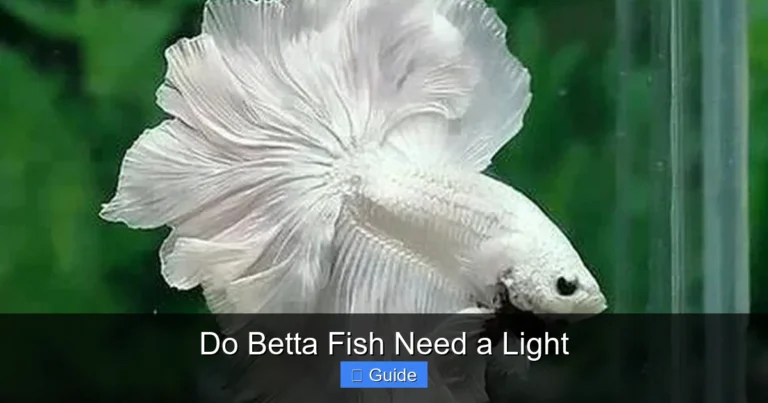
Are round bowls bad for betta fish? The short answer is yes, they can be harmful. Round bowls limit swimming space, reduce water quality, and create stress for bettas. This guide covers why round containers are risky and what you should use instead to keep your betta healthy and happy.
You love your betta fish. You want the best for them. So when you see a cute round bowl at the pet store, it might seem like the perfect home. But here is the real question: are round bowls bad for betta fish? The answer might surprise you.
Many beginners start their betta journey with a small round bowl. It looks pretty on a desk. It takes up little space. But looks can be deceiving. Round containers can seriously harm your betta’s health and shorten its lifespan. In this guide, we will break down exactly why round bowls are a problem and what you should use instead.
If you are wondering about betta fish bowl size and what actually keeps your fish thriving, you are in the right place. Let us dive in.
Key Takeaways
- Round bowls restrict movement: Bettas need open horizontal space to swim freely, which round containers cannot provide.
- Water quality drops fast: Small round bowls lack proper filtration and oxygenation, leading to toxic buildup.
- Stress harms betta health: Curved glass distorts your betta’s view and causes chronic stress.
- Square or rectangular tanks are better: They offer more swimming room, stable water parameters, and easier maintenance.
- Minimum tank size matters: A 5-gallon tank is the recommended starting point for a single betta.
- Accessories make a difference: Heaters, filters, and live plants improve your betta’s living conditions significantly.
📑 Table of Contents
- Why Round Bowls Are a Problem for Betta Fish
- The Shape Factor: Why Curved Glass Matters
- What Size Tank Does a Betta Fish Actually Need
- How Round Bowls Affect Betta Health
- What to Use Instead of a Round Bowl
- Common Mistakes New Betta Owners Make
- Quick Tips for a Happy Betta
- Expert Insights on Betta Tank Design
- Conclusion
Why Round Bowls Are a Problem for Betta Fish
The idea of a betta swimming happily in a tiny round bowl is a popular image. But that image is far from the truth. Round bowls create several serious problems that affect your fish’s physical and mental well-being.
Limited Swimming Space
Bettas are active swimmers. In the wild, they glide through rice paddies, slow rivers, and shallow streams. They need room to move. A round bowl forces your betta to swim in tight circles. This is not natural behavior. Over time, the lack of space can lead to muscle atrophy and lethargy.
Unlike a square fish tank that offers straight edges and open areas, a round bowl wastes space with its curved walls. Your betta constantly bumps into the glass. This causes stress and can damage their delicate fins.
Poor Water Quality
Water quality is everything for betta fish. Round bowls hold very little water. A small volume of water becomes toxic quickly. Ammonia from waste builds up fast. Nitrite and nitrate levels spike without warning.
In a larger tank with a water filter, beneficial bacteria help break down toxins. Round bowls do not support this biological filtration well. The result is dirty water that harms your fish. Even with frequent water changes, it is hard to keep a round bowl clean enough.
Oxygen and Filtration Challenges
Bettas breathe atmospheric air, but they still need oxygen dissolved in the water. Round bowls have a small surface area, which limits gas exchange. Less oxygen means your betta breathes harder and stays stressed.
Adding an air stone or bubbler to a round bowl is tricky. The air bubbles in a curved container do not circulate water evenly. Dead spots form where waste collects. A proper filter in a rectangular tank moves water much more effectively.
The Shape Factor: Why Curved Glass Matters
You might think the shape of the bowl does not matter. But curved glass actually distorts the view for your fish. The light bends as it passes through the round surface. This can disorient your betta and make it hard for them to navigate.
How Curved Glass Affects Your Betta
Imagine looking through a funhouse mirror. Everything looks stretched and warped. That is what a round bowl feels like for your fish. They cannot judge distances properly. This leads to confusion and anxiety.
Studies on fish behavior show that curved walls increase stress hormones. A stressed betta is more likely to get sick. They may stop eating, hide constantly, or develop fin rot. The shape of the container directly impacts your fish’s mental health.
Are Fish Bowls Okay for Bettas?
Some people argue that fish bowls are okay for bettas if they are large enough. While a bigger round container is better than a tiny one, it still has the curved glass problem. The best choice is always a rectangular or square tank. These shapes give your betta a clear view and more usable swimming space.
If you want to learn more about the debate between round and square tanks, check out our article on are square fish tanks better than round bowls.
What Size Tank Does a Betta Fish Actually Need
The minimum tank size for a single betta is 5 gallons. Some experts even recommend 10 gallons for the best results. A round bowl rarely holds more than 1 to 3 gallons. That is simply not enough space for a fish that can grow to 3 inches long.
Why Bigger Tanks Are Easier to Maintain
Many beginners think a small bowl is easier to manage. But the opposite is true. Small volumes of water change chemistry rapidly. One day your bowl might be fine. The next day, ammonia levels can become lethal.
A larger tank gives you a buffer. Mistakes are less likely to be fatal. Water parameters stay more stable. You also have room to add a heater and filter, which are essential for betta health.
Comparing Round Bowls vs. Rectangular Tanks
Let us look at the differences side by side. The table below shows why rectangular tanks win for betta care.
- Swimming Space: Round bowls offer limited horizontal room. Rectangular tanks give your betta a straight path to swim.
- Surface Area: Rectangular tanks have more surface area for gas exchange. Round bowls have less, leading to lower oxygen levels.
- Filtration: Hang-on-back filters and sponge filters work best in rectangular tanks. Round bowls cannot fit most standard filters.
- Heating: A small heater works well in a 5-gallon rectangular tank. Round bowls heat unevenly and lose warmth fast.
- Decorations: You can add live plants, caves, and open swimming areas in a rectangular tank. Round bowls are too small for meaningful enrichment.
- Water Changes: Rectangular tanks are easier to vacuum and maintain. Round bowls require frequent, labor-intensive cleaning.
How Round Bowls Affect Betta Health
Now let us look at the specific health problems that round bowls cause. Understanding these issues will help you make better choices for your fish.
Stress and Behavioral Changes
Stressed bettas show clear signs. They may clench their fins tightly. They might stop building bubble nests. Some bettas become aggressive or refuse to eat. All of these behaviors point to an unsuitable environment.
A round bowl limits your betta’s ability to explore. Fish are curious creatures. They like to investigate their surroundings. When the space is too small and the view is distorted, they become bored and anxious.
Fin Rot and Physical Damage
Bettas have long, flowing fins. These fins are beautiful but fragile. In a round bowl, your betta constantly rubs against curved glass. This can tear fins and create openings for bacterial infections.
Fin rot is a common problem in small bowls. The poor water quality accelerates the infection. If left untreated, fin rot can spread and become fatal. A proper tank setup with clean water prevents most of these issues.
Shortened Lifespan
Betta fish can live 3 to 5 years with proper care. Some even reach 7 years in excellent conditions. But bettas kept in round bowls often live less than one year. The combination of stress, poor water quality, and limited space takes a toll.
If you want your betta to thrive, not just survive, you need to give them a proper home. That means ditching the round bowl and upgrading to a suitable tank.
What to Use Instead of a Round Bowl
The good news is that setting up a proper betta tank is not hard. You do not need expensive equipment. A simple setup can make a huge difference in your fish’s quality of life.
The 5-Gallon Rectangular Tank Setup
A 5-gallon rectangular tank is the gold standard for betta fish. Here is what you need:
- A glass or acrylic tank: Choose a rectangular shape with a capacity of at least 5 gallons.
- A small sponge filter: This provides gentle filtration without strong currents that bother bettas.
- A submersible heater: Keep the water temperature between 78 and 80 degrees Fahrenheit.
- A thermometer: Monitor the temperature daily to ensure stability.
- Live or silk plants: Plants give your betta places to hide and explore. Live plants also help keep the water clean.
- A soft substrate: Sand or smooth gravel prevents fin damage.
With this setup, your betta will have plenty of room to swim, stable water conditions, and a stimulating environment. You will also spend less time on maintenance because the larger water volume is more forgiving.
Are Filters Safe for Betta Fish
Many beginners worry that filters might harm their betta. The truth is that filters are essential. They remove toxins and keep the water clean. The key is to choose the right type. A gentle sponge filter works perfectly for bettas. Avoid strong hang-on filters with intake valves that can suck in your fish’s delicate fins.
For more details on this topic, read our guide on are filters safe for betta fish.
Common Mistakes New Betta Owners Make
Even well-meaning owners make mistakes. Here are the most common ones to avoid:
Buying a Round Bowl Because It Looks Cute
Round bowls are visually appealing. They sit nicely on a desk or shelf. But they are not suitable homes for bettas. Do not let aesthetics override your fish’s health. Choose function over form.
Skipping the Heater
Bettas are tropical fish. They need warm water to stay healthy. Room temperature water is almost always too cold. A small heater is a must-have item for any betta tank.
Overfeeding Your Betta
Overfeeding creates excess waste, which pollutes the water fast. In a small bowl, this happens even quicker. Feed your betta 2 to 3 pellets twice a day. Remove any uneaten food after a few minutes.
Not Doing Regular Water Changes
Even with a proper tank, you need to change 25 to 30 percent of the water weekly. In a round bowl without a filter, you would need to change the water almost daily. That is exhausting and still not enough to maintain stable conditions.
Quick Tips for a Happy Betta
- Always use a tank of at least 5 gallons.
- Choose a rectangular or square shape over round containers.
- Install a gentle sponge filter to keep water clean.
- Use a heater to maintain a steady temperature of 78 to 80 degrees Fahrenheit.
- Add live plants for natural water filtration and enrichment.
- Test water parameters weekly with a liquid test kit.
- Feed small amounts twice a day and remove uneaten food.
- Perform partial water changes every week.
- Keep the tank away from direct sunlight and drafts.
- Observe your betta daily for signs of stress or illness.
Expert Insights on Betta Tank Design
Experienced fish keepers and veterinarians agree on one thing: round bowls are not appropriate for betta fish. The consensus in the aquarium community is clear. Bettas need space, clean water, and a stable environment to live their best lives.
Dr. Richmond Loh, a fish veterinarian, often emphasizes that tank shape matters more than people realize. The swimming patterns of bettas follow horizontal paths. A round bowl forces them into circular swimming, which is not natural or healthy.
If you are considering adding tank mates or plants to your betta setup, check out our articles on are snails good for betta fish tanks and are live plants safe for betta fish for more guidance.
Conclusion
So, are round bowls bad for betta fish? The evidence is clear. Round bowls limit movement, reduce water quality, distort your fish’s view, and shorten their lifespan. They might look charming, but they are not a good home for your betta.
The best thing you can do for your fish is to upgrade to a 5-gallon or larger rectangular tank. Add a filter, a heater, and some live plants. Your betta will be healthier, more active, and more colorful. You will also enjoy watching them thrive in a proper environment.
Your betta fish deserves a home that supports its natural behavior and keeps it safe. Skip the round bowl. Choose a tank that gives your fish the space and stability it needs. Your betta will thank you with years of vibrant, joyful swimming.
Frequently Asked Questions
Can a betta fish live in a round bowl?
A betta can survive in a round bowl, but it will not thrive. Round bowls limit swimming space, reduce water quality, and cause stress. Your betta may live a shorter, less healthy life in a round container compared to a proper tank.
What is the best tank shape for a betta fish?
A rectangular or square tank is the best shape for a betta. These shapes provide the most horizontal swimming space and the best surface area for gas exchange. They also allow for proper filtration and heating equipment.
How big should a betta fish tank be?
The minimum recommended size is 5 gallons for a single betta. A 10-gallon tank is even better because it offers more stable water parameters and room for enrichment like plants and hiding spots.
Why do round bowls cause stress in betta fish?
Round bowls cause stress because the curved glass distorts your betta’s view of the world. The limited space restricts natural swimming patterns, and the poor water quality adds to the stress. Over time, chronic stress weakens the immune system.
Are small rectangular tanks better than round bowls?
Yes, small rectangular tanks are much better than round bowls. Even a 5-gallon rectangular tank provides more swimming space, better water circulation, and room for essential equipment. Round bowls simply cannot match the benefits of a proper rectangular setup.
What should I do if I already have my betta in a round bowl?
If your betta is currently in a round bowl, plan to upgrade to a 5-gallon tank as soon as possible. In the meantime, perform frequent water changes to maintain clean water. Adding a heater and a small filter will also improve conditions while you transition your fish to a better home.