Can a Betta Fish Go a Week Without Food
Yes, a betta fish can go a week without food, but it comes with risks and is not ideal for their long-term health. Bettas are resilient freshwater fish that can survive several days on stored energy, yet prolonged fasting can weaken their immune system and cause stress. This guide covers everything you need to know about betta fish fasting, safe durations, and how to keep your fish healthy when you are away.
Many betta fish owners face the same worry. You are planning a trip, have a busy week ahead, or simply forgot to buy fish food. The big question always comes up: can a betta fish go a week without food? The short answer is yes, but the full story is more nuanced than most people think.
Betta fish, also known as Siamese fighting fish, are surprisingly resilient creatures. They evolved in warm, shallow waters in Southeast Asia where food was not always abundant. This natural history gave them the ability to go extended periods without eating. However, surviving and thriving are two very different things. In this article, we will explore everything you need to know about betta fish fasting, how long they can safely go without food, and what you can do to keep your fish healthy during your absence.
Key Takeaways
- Betta fish can survive a week without food: Their bodies store enough energy to last 7–14 days in some cases.
- Fasting is not the same as thriving: While bettas can endure food deprivation, extended periods weaken their immune system and overall health.
- Several factors affect fasting duration: Age, tank conditions, water temperature, and prior diet all play a role in how long a betta can go without eating.
- Use an automatic feeder or block feeder for trips: These tools help maintain a consistent feeding schedule when you are away from home.
- Watch for warning signs after fasting: Lethargy, faded colors, and loss of appetite can signal that your betta needs attention.
- A consistent feeding routine is best: Feeding your betta 1–2 times daily with high-quality food supports long-term health and longevity.
📑 Table of Contents
- How Long Can a Betta Fish Actually Go Without Food?
- What Happens to a Betta Fish When It Goes Without Food?
- Can You Leave a Betta Fish for a Week?
- Risks of Letting a Betta Fish Fast for Too Long
- How to Prepare for a Week-Long Trip with Your Betta
- Best Feeding Practices for a Healthy Betta
- Common Mistakes Betta Owners Make When Going on Vacation
- Expert Insight: What Veterinarians and Experienced Fish Keepers Say
- Final Thoughts
How Long Can a Betta Fish Actually Go Without Food?
When most fish owners ask, can a betta fish go a week without food, they want a simple yes or no. The truth is a bit more complex. A healthy adult betta fish can typically survive 7 to 14 days without food. Some well-conditioned bettas have even been known to push past the two-week mark. But that does not mean you should test those limits.
The reality is that how long a betta fish can go without food depends on several important factors. Let us break those down so you understand what really matters.
Age and Size of Your Betta
Young betta fish and betta fry need food much more frequently than adults. A baby betta has a fast metabolism and cannot store enough energy to skip meals. If you have a juvenile betta, going even two or three days without food can be risky. Adult bettas, especially those that are well-fed and healthy, have better energy reserves to draw from.
Tank Conditions and Water Temperature
Water temperature plays a huge role in your betta’s metabolism. Bettas kept in warmer water (around 78–80°F) have a faster metabolism. This means they burn through stored energy more quickly. In cooler water, their metabolism slows down, and they can survive longer without eating. However, cold water is itself dangerous for bettas, so this is not a trick you should try.
Clean water with proper parameters also supports a healthier fish during fasting periods. A stressed betta living in dirty water will struggle much more during food deprivation than one in a well-maintained tank.
Prior Diet and Body Condition
A betta that has been eating a rich, varied diet of high-quality pellets, frozen bloodworms, and brine shrimp will have more fat reserves stored in its body. Think of it like a camel storing fat for a desert journey. A well-fed betta enters a fasting period with a much better chance of staying healthy.
On the other hand, a betta that has been eating low-quality food or has been underfed will not have those reserves. It will start to break down muscle tissue for energy much sooner.
What Happens to a Betta Fish When It Goes Without Food?
Understanding what happens inside your betta’s body during a fast helps you appreciate why monitoring is so important. When a betta goes without eating, it goes through several stages.
First, your betta will use the food still digesting in its system. This process takes about 24 to 48 hours. After that, it starts tapping into stored fat and energy reserves. During the first few days, most bettas show no obvious signs of distress. They may even seem more active because they are not bloated from food.
By around day four or five, things start to change. The betta begins burning muscle tissue for fuel. You might notice your fish looking slightly thinner or less vibrant. Its energy levels drop, and it may become less interested in exploring its environment.
By the end of the first week, a betta that has gone without food for seven days will be running on fumes. Its immune system weakens, making it more vulnerable to diseases like fin rot, ich, and fungal infections. This is why many experienced aquarists recommend never letting a betta go more than three to four days without food unless absolutely necessary.
If you are curious about the survival limits, you can read more about how long a betta fish can survive without food for deeper insights into the science behind betta endurance.
Can You Leave a Betta Fish for a Week?
This is one of the most common questions among betta owners who travel. The good news is that leaving a betta fish for a week is generally safe, provided you take the right precautions. The key is preparation and planning before you leave.
Automatic Fish Feeders
An automatic fish feeder is the best solution for weekend trips and week-long absences. These devices attach to the side of the tank and release a small portion of food at set times. Most models let you adjust the portion size and feeding schedule. A good automatic feeder can keep your betta on a regular feeding schedule while you are away, giving you peace of mind.
Just make sure to test the feeder a few days before your trip. Some automatic feeders can jam or release too much food, which can foul the water quickly. Clean your tank before leaving, and fill the feeder with the right type of food for your betta.
Vacation Block Feeders
Block feeders are another popular option. You place a slow-dissolving food block in the tank, and it releases small amounts of food over several days. These are affordable and easy to use. However, they are less precise than automatic feeders. Some bettas may ignore the block entirely, and uneaten portions can dirty the water.
Ask a Friend or Neighbor
If you have a trusted friend or neighbor who knows a bit about fish care, ask them to feed your betta while you are away. Give them clear instructions: a small pinch of food once per day is plenty. Overfeeding is one of the most common mistakes people make when caring for someone else’s fish. Too much food can pollute the tank and make your betta sick.
For more detailed advice on leaving your betta alone, check out this guide on whether you can leave a betta fish for a week.
Risks of Letting a Betta Fish Fast for Too Long
While bettas can survive without food for extended periods, there are real risks involved. Understanding these risks helps you make informed decisions about your fish’s care.
Weakened Immune System
A prolonged fast drains your betta’s energy reserves and weakens its immune response. A betta with a compromised immune system is much more likely to get sick. Common illnesses that strike during or after fasting include fin rot, velvet disease, and bacterial infections. These conditions can escalate quickly in a tank without proper monitoring.
Muscle Wasting
When a betta runs out of stored fat, it starts breaking down muscle tissue for energy. You may notice your betta looking thinner, especially around the head and tail area. This muscle wasting is not just cosmetic. It affects your fish’s ability to swim, hunt for food, and maintain its natural body shape.
Behavioral Changes
A hungry betta often shows noticeable behavioral changes. It may become lethargic, spending more time hiding or resting at the bottom of the tank. Some bettas become more aggressive or restless when they are hungry. Others may stop responding to feeding cues altogether, which can make it harder to re-establish a normal eating routine after your return.
Water Quality Issues
Even though your betta is not eating, the tank still needs maintenance. Waste, uneaten food from previous feedings, and decaying plant matter all contribute to rising ammonia and nitrite levels. Before leaving for a week, do a partial water change and make sure your filter is working properly. Clean water is just as important as food for your betta’s overall health.
How to Prepare for a Week-Long Trip with Your Betta
Planning ahead makes all the difference. Here is a simple checklist to follow before you leave your betta alone for a week.
- Do a 25–30% water change two days before your trip. This keeps ammonia and nitrite levels low.
- Clean your filter gently. Do not replace all the filter media at once, as this removes beneficial bacteria that keep your tank stable.
- Set up an automatic feeder or ask a reliable person to feed your betta once daily.
- Feed your betta a hearty meal the day before you leave. This gives it maximum energy reserves to draw from.
- Check the water temperature. Make sure your heater is working and the temperature stays between 76–80°F.
- Remove any dead plant leaves or debris from the tank. Decaying matter can spike ammonia levels quickly.
- Set up a camera or check-in system if possible. Some fish owners use simple Wi-Fi cameras to monitor their tank remotely.
Following these steps significantly reduces the stress on your betta and gives you confidence that your fish will be okay while you are away.
Best Feeding Practices for a Healthy Betta
The best way to handle fasting periods is to prevent them from becoming necessary in the first place. A consistent, healthy feeding routine keeps your betta strong and resilient. Here are some practical tips to follow every day.
- Feed your betta once or twice a day, offering only as much food as it can eat in two to three minutes. Overfeeding is a common mistake that leads to bloating, constipation, and poor water quality.
- Use high-quality betta pellets as the staple of your fish’s diet. Look for pellets with real protein sources like shrimp or fish meal listed as the first ingredient.
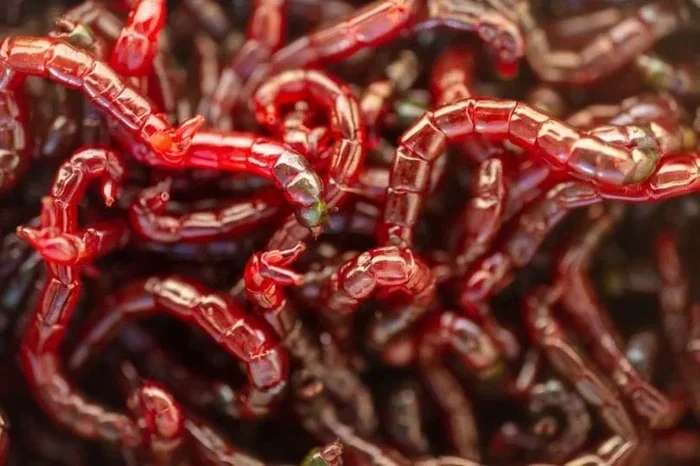
- Offer variety by rotating in frozen or live foods like bloodworms, brine shrimp, and daphnia once or twice a week. This mimics what bettas would eat in the wild and keeps them nutritionally balanced.
- Consider a weekly fasting day. Many experienced betta owners skip one feeding day per week. This gives the fish’s digestive system a rest and can help prevent constipation and bloating. A single fasting day is very different from going a full week without food.
- Watch your betta’s appetite. A healthy betta will eat eagerly when food is offered. If your fish consistently refuses food, this could signal illness or stress, and you should investigate further.
For more information on feeding schedules and food options, you might find it helpful to explore whether you can give a betta fish a week feeder or learn about the differences between betta food and other fish foods.
Common Mistakes Betta Owners Make When Going on Vacation
Even well-meaning fish owners sometimes make mistakes when preparing for a trip. Here are the most common ones to avoid.
Overfeeding before you leave. It is tempting to give your betta a huge meal right before you go. But this often leads to bloating, constipation, and excess waste in the tank. A normal-sized meal the evening before departure is plenty.
Relying on vacation blocks alone. Slow-release food blocks are better than nothing, but they are not foolproof. Some bettas simply refuse to eat them, and the uneaten block can dissolve too quickly, fouling the water.
Asking someone who has never kept fish. If your friend has never owned a fish before, they might overfeed or forget entirely. Choose someone who understands the basics of fish care, or better yet, use an automatic feeder.
Ignoring tank maintenance before leaving. A dirty tank before a week-long absence is a recipe for disaster. Ammonia spikes can happen fast, and your betta will come home to a toxic environment if you do not prepare the tank properly.
Assuming your betta will be fine for two weeks. Some owners stretch the limits and leave their betta for 10–14 days without any feeding arrangement. While a healthy adult betta might survive this, it is unnecessarily stressful and can lead to health problems. Always plan for a feeding solution, no matter how short your trip.
Expert Insight: What Veterinarians and Experienced Fish Keepers Say
Veterinarians who specialize in fish health generally agree that a healthy adult betta can handle a few days without food without any lasting effects. However, they caution against making fasting a regular habit. Dr. Richmond Loh, a well-known fish veterinarian, has noted that bettas are adapted to periods of food scarcity in the wild, but domestic bettas benefit from consistent, quality nutrition.
Experienced betta keepers often recommend a weekly fasting day as part of a normal routine. This single day of no food supports digestive health and helps prevent common issues like swim bladder disease and constipation. It is a gentle practice that mimics natural feeding patterns without pushing the fish into a prolonged state of food deprivation.
The consensus among experts is clear: a betta can go a week without food in an emergency, but it should not be a regular occurrence. Prioritize your fish’s long-term health by establishing a reliable feeding routine and having a backup plan in place for your absences.
Final Thoughts
So, can a betta fish go a week without food? Yes, it can. But just because your betta can survive a week without eating does not mean it should. A week of fasting puts stress on your fish’s body, weakens its immune system, and can lead to long-term health problems if it becomes a pattern.
The best approach is always preparation. Whether you use an automatic feeder, ask a trusted friend, or set up a slow-release food block, taking these small steps before you leave makes a world of difference. Your betta will thank you with vibrant colors, energetic behavior, and a long, healthy life.
Remember that every betta is different. Age, health, tank conditions, and diet all play a role in how well your fish handles a fasting period. Stay informed, stay proactive, and your betta will thrive no matter what your schedule looks like.
Want to learn more about betta care? Check out this article on how long a betta fish can live without food for more in-depth information on betta endurance and survival.
Frequently Asked Questions
Can a betta fish go 7 days without food?
Yes, a healthy adult betta fish can go 7 days without food without immediate danger. However, by day five or six, the fish begins using muscle tissue for energy and its immune system weakens. It is best to arrange some form of feeding for trips longer than three to four days.
What happens if a betta fish doesn’t eat for a week?
A betta that does not eat for a week will start breaking down stored fat and then muscle tissue for energy. It may become lethargic, lose some color, and become more susceptible to illness. Most bettas recover fully once feeding resumes, but repeated fasting periods can cause lasting health damage.
How can I feed my betta while on vacation?
The best options are an automatic fish feeder, a vacation block feeder, or asking a trusted friend or neighbor to feed your betta once a day. Always give clear instructions and never rely on someone who has never cared for fish before without proper guidance.
Is it normal for a betta to skip one day of eating?
Yes, it is completely normal. Many experienced betta owners skip one feeding day per week to support digestive health. A single skipped day is very different from a week-long fast and poses no risk to a healthy betta.
Can a baby betta go without food for a week?
No, baby bettas and betta fry should never go without food for a week. They have fast metabolisms and very little body fat to draw on. A baby betta needs to be fed small amounts multiple times a day to grow properly and stay healthy.
How do I know if my betta is too thin after fasting?
After a fasting period, check your betta’s body shape. A healthy betta should have a rounded, plump body. If you notice the spine or ribs becoming more visible, or if the fish looks significantly thinner than usual, it may have lost too much weight. Return to a regular feeding schedule and monitor your fish closely for a few days.