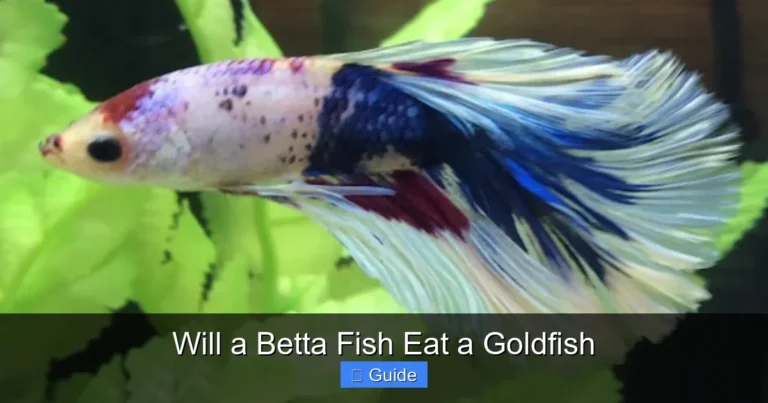
Where Can I Get Betta Fish

Finding a healthy Betta fish requires knowing the right sources. Avoid big-box pet stores and prioritize local breeders or specialized online vendors who prioritize fish welfare. Always inspect for clear eyes, intact fins, and active behavior before purchasing. A reputable seller will provide proper husbandry information and a health guarantee, setting you up for long-term success with your new aquatic pet.
So, you’ve decided to welcome a Betta fish into your home. Their stunning colors and charismatic personalities make them a captivating choice. But before you can enjoy watching your new Betta flare at its reflection or lazily drift through a planted tank, you face a critical first step: where can I get a Betta fish? This isn’t just about finding a seller; it’s about finding a healthy, ethically-sourced companion that will thrive with you for years to come. The source you choose will directly impact your Betta’s initial health, its resilience, and your overall experience as a new fish keeper. This comprehensive guide will walk you through every possible avenue, from the best to the worst, arming you with the knowledge to make a choice you’ll feel good about.
The world of Betta acquisition is surprisingly varied. You might picture a tiny, colorful cup at a local supermarket and think that’s the norm. But that image represents one of the most problematic sources. True Betta enthusiasts and ethical aquarists seek out environments where these intelligent fish are treated as living creatures, not disposable decorations. Your journey begins with understanding that a Betta’s life before it comes home sets the stage for everything that follows. A stressed, sickly, or genetically compromised fish will face an uphill battle, no matter how perfect your home aquarium is. Therefore, the core principle of this guide is simple: prioritize the fish’s current and long-term welfare above all else. Let’s explore the landscape of where to get a Betta fish.
Key Takeaways
- Local breeders are often the gold standard: They provide exceptional health, genetic knowledge, and post-sale support, allowing you to see the fish’s living conditions firsthand.
- Reputable online retailers can be excellent: Look for sites with detailed husbandry info, live arrival guarantees, and ethical shipping practices; they offer wider variety but require research.
- Avoid mass-market pet stores for Bettas: The “betta in a cup” setup leads to poor health, stress, and high mortality; these fish often have hidden illnesses.
- Betta rescues are a compassionate option: These organizations rehabilitate neglected fish, offering a second chance at life, though they may require extra care and patience.
- Always inspect the fish and its environment: Look for vibrant color, undamaged fins, clear eyes, and active curiosity. The water should be clean, not cloudy or foul-smelling.
- Ask the right questions: Inquire about the fish’s age, diet, water parameters, and health history. A knowledgeable seller will welcome your questions.
- Prioritize welfare over price or convenience: A slightly higher cost from an ethical source saves money on vet bills and heartache from a sick fish.
📑 Table of Contents
- The Gold Standard: Local Betta Breeders
- The Viable Alternative: Reputable Online Betta Retailers
- The Last Resort: Mass-Market Pet Stores (What to Avoid)
- The Compassionate Choice: Betta Rescues and Rehoming
- Critical Checklist: How to Vet ANY Source
- Conclusion: Your Betta’s Future Starts with the Right Choice
The Gold Standard: Local Betta Breeders
If you’re asking where can I get a Betta fish with the highest possible chance of success, the answer often begins locally. A dedicated, small-scale Betta breeder is the unicorn of the fish-keeping world. These are not large commercial operations but passionate individuals who raise Bettas in proper setups, often in heated rooms or dedicated fish rooms.
How to Find a Reputable Local Breeder
Finding one requires a bit of detective work. Start with your local aquarium society or fish club. A quick online search for “[Your City/State] aquarium society” is a great start. Attend a club meeting or auction; breeders often showcase their stock. Online forums like Reddit’s r/bettafish have dedicated threads for breeder reviews and classifieds where you can search by region. Look for breeders who are transparent. Their website or social media should show photos of their fish room, the actual Bettas in clean, heated tanks (not just studio shots), and detailed information about their breeding lines, water parameters, and feeding regimens.
The Unbeatable Advantages of Buying Local
The benefits are substantial. First, you can see the fish in person. You can observe its behavior, check for any signs of illness like clamped fins, pineconing (raised scales), or ragged fins, and verify its true colors and finnage. Second, you can see the environment. Are the tanks clean? Is the water clear? Are the fish housed appropriately (solo or with compatible tankmates)? A clean, well-maintained setup is a direct reflection of the breeder’s care standards. Third, you gain invaluable expert advice. A good breeder will tell you exactly what that specific fish has been fed, its water parameters, its temperament, and will answer all your questions. They often provide a health guarantee and are a resource for the life of the fish. You’re building a relationship, not just making a transaction. Finally, you eliminate the extreme stress and risk of shipping for the fish.
What to Expect & Questions to Ask
Local breeders may have a waiting list for specific, high-quality varieties like halfmoon plakats or fancy halfmoons. Be prepared to wait for the right fish. When you contact them, ask: “How old is this Betta?” (Ideally, 3-4 months old, fully grown). “What do you feed them?” (A high-quality pellet, frozen or live foods like daphnia or brine shrimp are great signs). “What are your water parameters?” (They should know their ammonia, nitrite, nitrate, pH, and temperature). “Do you health guarantee your fish, and for how long?” (A 7-14 day guarantee is standard for ethical sellers). This conversation will immediately tell you if you’re dealing with a hobbyist breeder or a casual seller.
The Viable Alternative: Reputable Online Betta Retailers
Not everyone has a local breeder within driving distance. This is where the online market comes into play. The phrase “where can I get Betta fish” often leads to a Google search filled with big-box pet store websites and massive, impersonal marketplaces. Avoid those. Instead, seek out specialized online Betta retailers. These are businesses built by and for Betta enthusiasts.
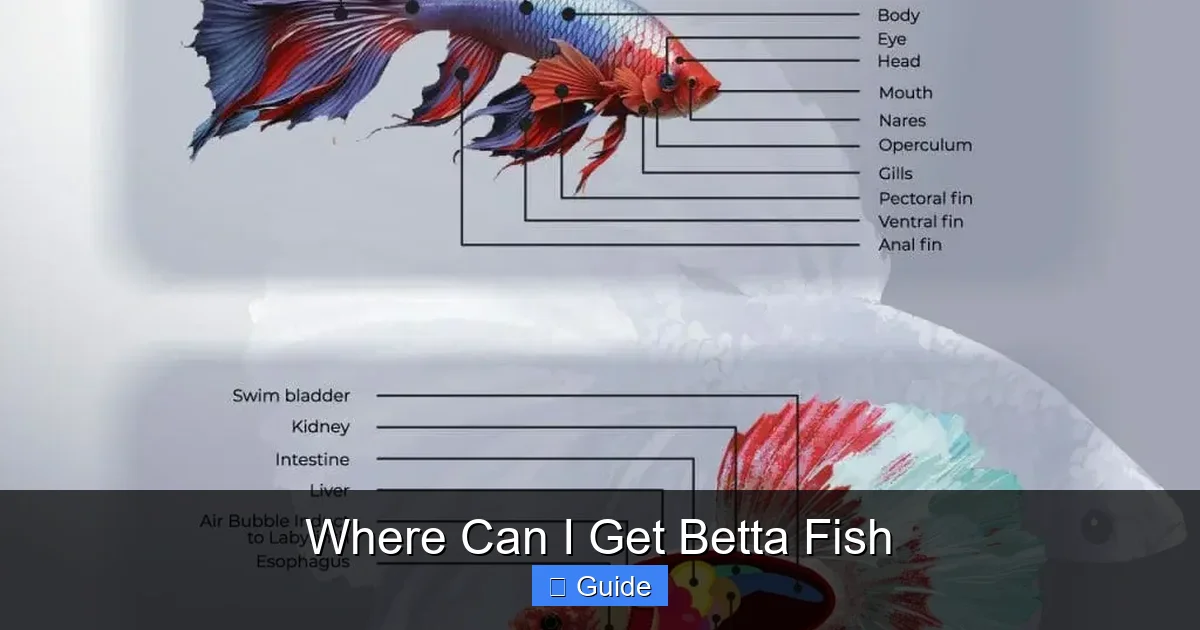
Visual guide about Where Can I Get Betta Fish
Image source: ekk4j69ebaa.exactdn.com
Identifying a Trustworthy Online Seller
A trustworthy online Betta store has several hallmarks. Their website will be a treasure trove of educational content. Look for detailed care guides, information on different varieties (Halfmoon, Plakat, Dumbo Ear, etc.), and explanations of their grading system. They will have a clear, fair shipping and live arrival guarantee policy. This policy should state what happens if a fish arrives dead or damaged—typically a refund or replacement, often requiring photo evidence within a short timeframe. They should ship via fast, climate-controlled methods (usually overnight or 1-2 day) and only ship on specific days to avoid weekend delays in transit. Read reviews meticulously, but critically. Look for recent reviews mentioning healthy arrivals and good customer service interactions. Be wary of sites with only glowing, generic reviews.
The Shipping Process & What It Means for the Fish
Shipping is inherently stressful. Ethical online sellers mitigate this in key ways. They fast the fish for 24-48 hours before shipping to reduce waste in the bag. They use proper bagging techniques—a double bag with pure oxygen, not just air. The fish is usually sedated with a mild, safe sedative like clove oil to prevent panic during transit. The package is insulated with heat or cold packs depending on the weather. The seller will provide clear acclimation instructions for you upon arrival, which is crucial. You must drip-acclimate the fish to your tank water slowly, often for 30-60 minutes, to prevent shock from the difference in water chemistry. A good seller explains this in detail.
Examples of What to Look For vs. Red Flags
Look for: Sites that specialize in Bettas or high-quality tropical fish. They often have blogs, FAQ sections, and transparent information about their fish sources (many buy from local breeders themselves). They may offer a “pick a fish” option with clear, recent photos of the exact fish you’ll receive. They might have a “quarantine” policy, holding new arrivals for a period to observe for disease before selling.
Red Flags: Sites selling Bettas alongside cheap plastic plants and “aquarium kits” for absurdly low prices. Websites with poor grammar and no contact information beyond a web form. Sellers who refuse to answer pre-purchase questions about water parameters or health. Any site that ships fish via standard mail (USPS First Class) instead of overnight couriers. Extremely low prices for “show-quality” Bettas are almost always too good to be true.
The Last Resort: Mass-Market Pet Stores (What to Avoid)
This is the section where we strongly advise against the most common answer to where can I get Betta fish. Large chain pet stores and big-box retailers are, unfortunately, the source of immense suffering for Bettas. While the scenario is slowly improving due to activist pressure, the standard model remains deeply flawed.

Visual guide about Where Can I Get Betta Fish
Image source: fishlab.com
The “Betta in a Cup” Reality
The iconic small plastic cup or vase is a death trap. Bettas are labyrinth fish from shallow, warm, slow-moving waters in Thailand, but those waters are still vast, filtered, and stable. A tiny cup holds mere ounces of water that quickly becomes fouled with ammonia from the fish’s waste. Water changes are infrequent, temperature is often far below the required 78-80°F (25.5-26.5°C), and there is no filtration. Bettas in these displays are subjected to constant stress from bright lights, tapping on the cup, and being moved frequently. They are often starved to keep the water cleaner. The result is a fish that is already immunocompromised, possibly suffering from fin rot, velvet disease, or internal parasites by the time you see it.
The High Cost of a “Cheap” Betta
The upfront cost might be $5-$10. The hidden cost is everything else. You will likely need to quarantine the fish immediately in a separate hospital tank. You will need medications on hand. The fish may die within days or weeks despite your best efforts, causing emotional distress. You may inadvertently introduce disease into a community tank. Ethically, you are supporting a supply chain that views these living beings as disposable inventory. There are documented cases of Bettas being kept in these conditions for months. No healthy, vibrant Betta comes from a cup.
What About “Better” Store Conditions?
Some larger chains have made efforts, housing Bettas in filtered community tanks or larger, heated display systems. This is a vast improvement, but problems persist. Staff turnover is high, and fish care knowledge among employees is often minimal. Tanks are overcrowded, leading to fin nipping. Sick fish may not be removed promptly. Water changes may be inconsistent. You still cannot know the fish’s history, its age, or its parentage. While a Betta from such a system has a better chance than one from a cup, it still carries higher risk than a dedicated breeder or reputable online seller. If you absolutely must buy from a store, choose one where the Bettas are in clean, heated tanks with individual compartments, and inspect the fish meticulously for any sign of disease or lethargy.
The Compassionate Choice: Betta Rescues and Rehoming
Another meaningful answer to where can I get Betta fish is to adopt. Betta rescues are non-profit organizations, often run by dedicated volunteers, that save Bettas from neglect, abandonment, or euthanasia at pet stores and shelters. This is a deeply rewarding path, but it comes with unique responsibilities.
How Betta Rescues Operate
Rescues typically pull Bettas from “clearance” bins at pet stores, respond to surrender requests, or work with shelters. They place each fish into a quarantine system—a heated, filtered hospital tank—where they are treated for any visible illnesses (fin rot, velvet, popeye, dropsy) and given proper nutrition. They assess temperament. Only after a period of observation and treatment are they deemed adoptable. Rescues are transparent about a fish’s history and any ongoing needs (e.g., “needs a bare tank due to stress,” “may have permanent fin damage,” “is a slow eater”).
The Adoption Process
Adoption is not a free-for-all. Reputable rescues have an application process. They want to ensure their Bettas go to knowledgeable homes with properly cycled, heated tanks. They may ask for photos of your setup, references, and a donation fee (which covers the cost of medications, food, and supplies). This fee is often comparable to or slightly higher than a breeder’s price, but it directly funds the rescue’s mission. You will receive a full report on the fish’s condition and care instructions.
Is a Rescue Betta Right for You?
Adopting a rescue Betta is an act of compassion. You are giving a second chance to a fish that has known hardship. These fish can be incredibly resilient and grateful. However, be prepared for possible challenges. A rescue may have permanent cosmetic damage (torn fins) or a chronic condition requiring management. Some may be timid and take time to trust. You need patience, a strong understanding of Betta care, and a willingness to provide a stable, low-stress environment. The reward is immense, but it’s a commitment to that specific fish’s needs, not just the idea of owning a Betta.
Critical Checklist: How to Vet ANY Source
Whether you’re looking at a breeder’s website, an online store’s listing, or a rescue’s adoptable page, you must become a shrewd investigator. Use this universal checklist to evaluate the source and the individual fish.
Red Flags in the Seller
- No information about fish origin or husbandry. If they can’t or won’t tell you where the fish came from or how it’s kept, walk away.
- Selling sick-looking fish. Photos showing clamped fins, faded color, bloating, or fuzzy growths (velvet/fungus) are an immediate no.
- Unrealistic prices for “show” fish. A $20 Halfmoon is a fantasy. True high-grade Bettas from breeders start at $40-$60+ and go much higher.
- Poor communication. Slow, vague, or rude responses to pre-purchase questions are a terrible sign for post-sale support.
- Shipping via non-overnight services. Fish should not spend more than 36 hours in transit. Standard mail is unacceptable.
- No health guarantee. Any ethical seller stands behind their fish with a clear, written guarantee.
What to Look for in the Individual Betta
If you can see the fish in person (local breeder/store) or via clear, recent video (online), assess these traits:
- Activity & Response: A healthy Betta is alert and curious. It should react to your presence, flare at a reflection (if male), or swim actively. Lethargy, floating at the top unable to swim, or sinking and struggling is a major red flag.
- Fins: Fins should be whole, undamaged, and flowing (for long-finned varieties). No signs of fraying, rot (blackened, fuzzy edges), or clamping (fins held tightly to the body).
- Eyes: Clear, bright, and protruding but not bulging (popeye). Cloudy or sunken eyes indicate disease or poor health.
- Body: Smooth, streamlined, and not bloated or emaciated. No visible sores, lumps, or raised scales (sign of dropsy). Scales should lie flat.
- Color: Vibrant and even. While some Bettas have “iridescence” that changes with light, overall color should be rich. Faded, dull, or patchy color is a sign of stress or illness.
- Gills & Operculum: Gills should move at a regular, steady pace—not rapid gasping. The operculum (gill cover) should not be flared or reddened.
Conclusion: Your Betta’s Future Starts with the Right Choice
So, where can I get Betta fish? The answer is a personal one, balancing your location, budget, and willingness to wait. The hierarchy of sources is clear: a knowledgeable local breeder is the ideal, followed closely by a specialized, ethical online retailer. Betta rescues offer a profound, compassionate alternative for those prepared for special needs. Mass-market pet stores should be avoided as a primary source due to the almost certain poor health of their stock and the ethical implications.
Remember, you are not just buying a fish; you are bringing a living being into your care. The small premium you might pay for a ethically-sourced Betta is an investment in its health and your peace of mind. It means starting your journey with a vibrant, robust companion ready to explore a properly cycled, heated tank—not a fish already fighting for its life. Do your research, ask hard questions, and trust your instincts. If something feels off about a seller or a fish, it probably is. The right Betta is out there, and by choosing its source wisely, you give it the best possible chance to display its breathtaking colors and fascinating personality for years to come. Your future finned friend is counting on you to make the smart choice.
Frequently Asked Questions
Is it better to buy a Betta fish online or from a local breeder?
If a reputable local breeder is accessible, that is usually the best option. You can see the fish’s health and living conditions firsthand, avoid shipping stress, and build a relationship for ongoing support. However, specialized online retailers with excellent shipping practices and guarantees are a very good alternative if local options are unavailable.
How can I tell if a Betta fish is healthy before I buy it?
Look for vibrant color, intact and flowing fins, clear eyes, and a smooth, unbloated body. The fish should be alert, curious, and swimming actively. Observe it for signs of clamped fins, ragged or rotting fin edges, scratching on objects (sign of parasites), or labored breathing. The water it’s in should be clean and clear.
Why are Betta fish so cheap at big pet stores if they are often sick?
The low price reflects the industrial-scale production and deplorable living conditions (like tiny cups) where they are kept. They are treated as a low-margin, high-turnover commodity. The cost of their care, proper housing, and veterinary treatment is externalized, leading to high mortality rates and poor health by the time of sale.
What is a reasonable price for a healthy Betta fish?
Prices vary widely by variety and quality. For a healthy, common variety (like a Veiltail) from an ethical source, expect $15-$30. For high-quality Halfmoon or specialty varieties from breeders, prices range from $40 to $100+. Extremely cheap Bettas ($5-$10) from mass-market stores carry a very high risk of being unhealthy.
Should I consider adopting a Betta fish from a rescue?
Absolutely, if you are prepared. Rescues often have Bettas that have been neglected and may require extra care, quarantine, and patience. The adoption fee supports a good cause, and you are giving a second chance to a deserving animal. Be ready to provide a stable, low-stress environment and follow the rescue’s specific advice for that individual fish.
What questions must I ask before buying a Betta from any source?
Ask: “How old is the Betta?” “What have you been feeding it?” “What are the water parameters (temperature, ammonia, nitrite, nitrate) in its current tank?” “Do you health guarantee the fish, and for how long?” “Can I see a photo/video of the exact fish I’ll receive?” Their answers will immediately reveal their level of expertise and concern for the animal.