Which Fish Can Live with Bettas
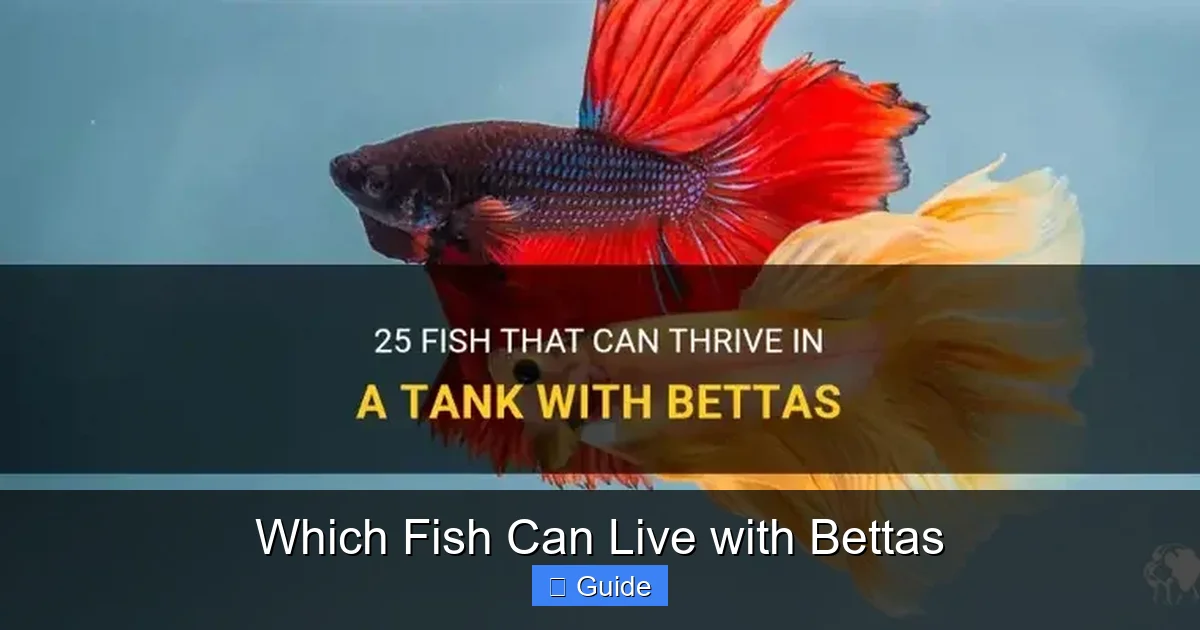
Bettas are stunning but famously territorial fish, making tank mate selection critical. Success depends on choosing peaceful, fast-moving species with similar water needs and providing a spacious, well-decorated tank. Always observe interactions closely and be prepared to separate fish if aggression arises, as every betta has a unique personality.
Key Takeaways
- Your betta’s personality is everything: Some are mild-mannered; others are relentless. Start with the assumption your betta is aggressive and proceed with extreme caution.
- Tank size is the #1 rule: A minimum of 20 gallons is strongly recommended for any community tank with a betta. More space reduces stress and provides escape routes for potential targets.
- Avoid fish that look like threats: Steer clear of other long-finned, brightly colored fish (guppies, fancy guppies) or fish with similar body shapes (some gouramis), as bettas may see them as rival males.
- Match water parameters perfectly: Bettas need warm (78-80°F/25.5-26.5°C), soft, slightly acidic water. Any tank mate must thrive in these exact tropical conditions.
- Prioritize non-finned creatures: The safest, most compatible options are often invertebrates like snails, shrimp (cherry, amano), and African dwarf frogs, which lack fins to nip.
- The introduction order matters: Add the betta last to an established, cycled community, or introduce all other fish first and let them claim territories before adding the betta in a divider.
- Always have a backup plan: Keep a separate “hospital” or quarantine tank ready. Be prepared to permanently rehome a tank mate or your betta if incompatibility threatens a fish’s life.
📑 Table of Contents
The Betta’s Reputation: Why Compatibility is Tricky
You’ve likely been captivated by the flowing fins and vibrant colors of a Siamese fighting fish, or betta. They are, without a doubt, one of the most beautiful freshwater fish available for a home aquarium. But that beauty comes with a well-known reputation: the betta, especially the male, is a solitary, territorial, and often aggressive creature. The common advice to “keep bettas alone” is wise, but it’s not the full story. With careful planning, the right tank setup, and a deep understanding of your specific betta’s temperament, it is possible to create a peaceful community tank. The key is knowing which fish can live with bettas without turning your beautiful aquarium into a war zone.
This guide will move beyond simple yes/no lists. We’ll dive into the why behind compatibility, exploring betta behavior, the non-negotiable tank requirements, specific species profiles, and the step-by-step process for building a harmonious home. Remember, the goal is not just to prevent death, but to foster an environment where your betta and its neighbors are calm, active, and display natural behaviors.
The Science of Betta Aggression
Betta splendens earned the name “fighting fish” from centuries of selective breeding for aggression in their native Southeast Asia. Their labyrinth organ allows them to breathe atmospheric air, enabling them to survive in shallow, oxygen-poor waters where other fish cannot—often leading to territorial disputes. Male bettas are particularly prone to viewing any fish with long, flowing fins or bright colors as a rival male to be attacked. Female bettas can also be territorial, though often less intensely, and may still nip fins. Crucially, every betta is an individual. Some will tolerate a peaceful shrimp, while others will hunt it relentlessly. Your first job as a keeper is to observe and understand your specific betta’s triggers.
Ideal Tank Conditions for a Peaceful Community
Before you even consider a tank mate, you must provide the perfect environment for your betta. A stressed or uncomfortable betta is a aggressive betta. The right setup acts as a foundation for peace.
Visual guide about Which Fish Can Live with Bettas
Image source: yoyipet.com
Temperature and Water Parameters
Bettas are tropical fish. They require a stable temperature between 78-80°F (25.5-26.5°C). Any potential tank mate must thrive in this exact warm range. Cold-water fish like goldfish are immediately disqualified. The water should be soft to moderately hard, with a pH between 6.5 and 7.5. A reliable heater is non-negotiable. Fluctuations of more than 1-2 degrees can cause stress and weaken immune systems.
Space and Layout: The 20-Gallon Minimum
This is the most critical and often overlooked rule. The ubiquitous 5- or 10-gallon betta tank is far too small for any other fish. A minimum of 20 gallons (75 liters) is the absolute starting point for a community. This provides:
- Territory: Your betta needs a defined space, ideally with a surface to patrol.
- Escape Routes: Small, fast tank mates need dense planting, driftwood, and rock caves to dart into if the betta gives chase.
- Visual Barriers: The tank must be broken up. A long, open stretch of water is an invitation for a betta to patrol and attack anything that enters its sightline.
Fill the tank with live plants (like Java fern, Anubias, floating frogbit) and hardscape (spider wood, slate rock) to create a complex, three-dimensional landscape. This isn’t just for aesthetics; it’s essential fish psychology.
Top Tank Mate Candidates: The Safe Bets
With the proper environment established, we can look at species with a proven track record. The safest candidates share these traits: they are non-aggressive, fast-moving, occupy different tank levels (bottom or mid-water), and have no flowing fins or intense colors that provoke bettas.
Visual guide about Which Fish Can Live with Bettas
Image source: petshun.com
Small, Peaceful Schooling Fish (Mid & Top Levels)
These fish are excellent choices because they are naturally gregarious and can outmaneuver a betta if chased. They must be kept in proper schools of 6+ to feel secure and exhibit natural behavior.
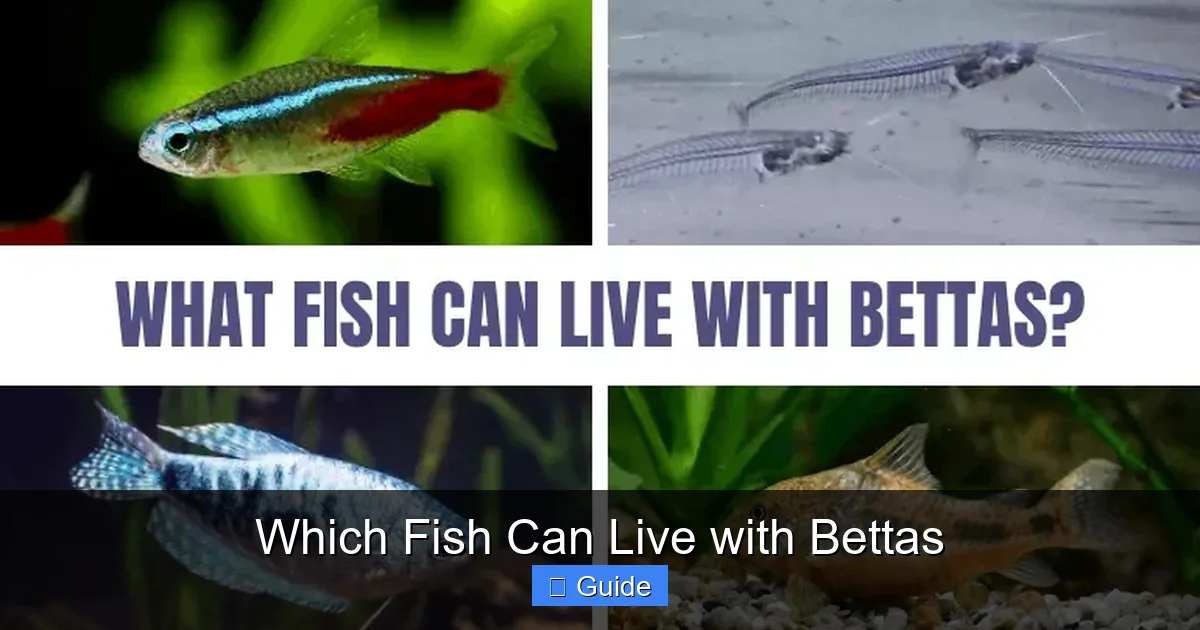
- Neon Tetras & Cardinal Tetras: The classic choice. Their small size, torpedo shape, and shimmering blue/red stripe (in dim light) are less provocative. They are fast and stay in the middle of the water column. Requirement: A school of at least 10 in a 20+ gallon tank.
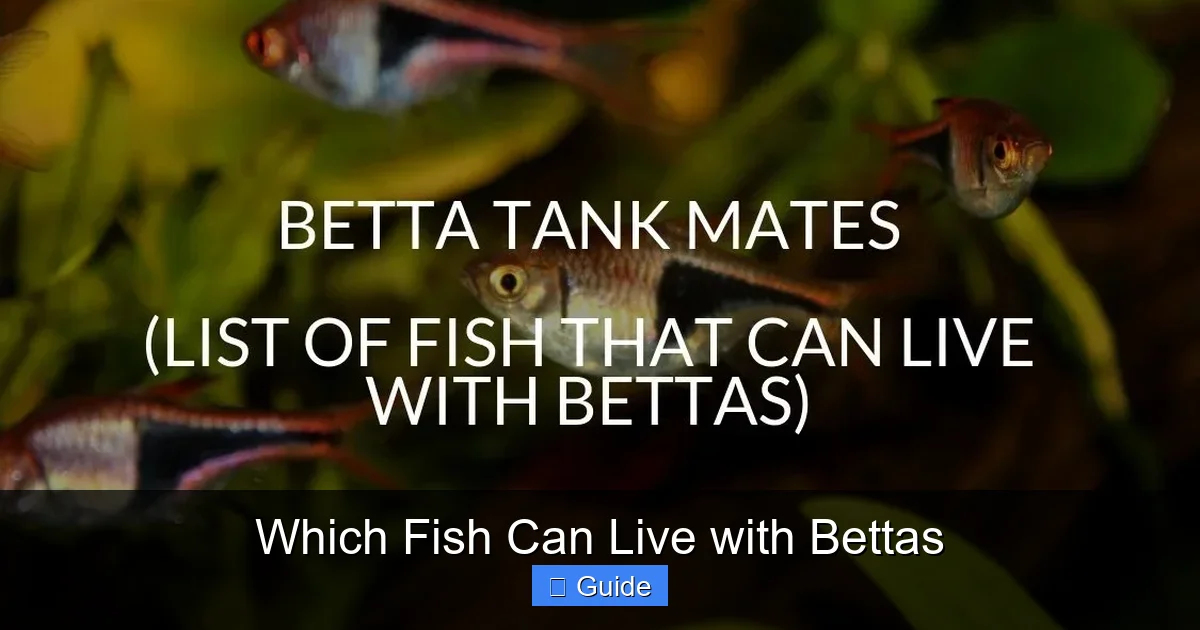
- Harlequin Rasboras: Slightly larger and more robust than neons, with a distinctive black triangle. They are active, peaceful, and their orange/red coloration is often less triggering than a male betta’s own bright hues.
- Ember Tetras: Tiny, fiery orange fish that are incredibly peaceful. Their small size and preference for the lower mid-water level make them good candidates. Note: Must be in a school of 10+.
- Celestial Pearl Danios (CPDs): Small, shy, and beautiful with speckled fins. They prefer to hover near the bottom and plants. Their calm nature is a plus, but they can be timid, so ample hiding spots are crucial.
Bottom-Dwelling Companions (The Perfect Betta Match)
Fish that stay on the substrate are ideal because they occupy a completely different space. They are also usually armored or fast, making them poor targets.
- Corydoras Catfish: The undisputed champion of betta tank mates. These small, gentle “cory cats” are armored, social (need groups of 6+), and spend all day sifting the sand for food. They are utterly indifferent to bettas and provide essential cleanup. Pygmy, Habrosus, and Panda corys are excellent for 20-gallon tanks.
- Kuhli Loaches: Eel-like, nocturnal, and extremely peaceful. They burrow into the substrate and are rarely seen during the day. Their odd shape and behavior are completely uninteresting to a betta.
- Otocinclus Catfish (“Otos”): The dedicated algae eater. These tiny, suckermouth catfish are delicate and must be kept in groups of 5+ in a well-established tank with algae. Their primary focus is scraping glass, not interacting with other fish.
Invertebrate Options: Often the Safest Route
Lacking fins in the traditional sense, invertebrates are frequently the least threatening to a betta.
- Nerite Snails: The best snail choice. They have a smooth, heavy shell, cannot reproduce in freshwater, and are excellent algae cleaners. They are too big for most bettas to bother and their antennae are retractable.
- Mystery Snails (Apple Snails): Larger and more active. Some bettas will peck at their tentacles, but they are generally hardy and can retreat fully into their shell. Caution: They produce a lot of waste.
- Amano Shrimp: Large (for a shrimp), hardy, and primarily algae-eaters. Their size and quick movements make them less likely to be seen as food. They are excellent cleaners.
- Cherry Shrimp: A popular but riskier choice. Vibrant red females can trigger a betta’s aggression, and small males are often viewed as snacks. Success depends entirely on your betta’s individual prey drive. A heavily planted tank is essential for their survival.
- African Dwarf Frogs (ADFs): A fantastic, unique option. They are fully aquatic, peaceful, and breathe air from the surface (like bettas!). They need calm water and easy access to the top. They can be kept in pairs or groups. Critical: Ensure your betta doesn’t try to “fin-nip” the frog, as this can lead to infection.
Fish to Avoid at All Costs
Some fish are so likely to cause disaster that they should never be considered. The risks include certain death for the tank mate, severe injury to your betta, or constant high stress for all inhabitants.
Visual guide about Which Fish Can Live with Bettas
Image source: japanesefightingfish.org
Flashy Fins and Aggressive Personalities
- Guppies (especially males): Their long, flowing caudal fins are a direct trigger for a betta’s instinct to attack rival males. Even females with large fins can be targeted.
- Other Gouramis (Dwarf, Pearl, Kissing): They are closely related to bettas, share the labyrinth organ, and often have similar body shapes and temperaments. Two territorial fish of the same family in a small tank is a recipe for conflict.
- Fancy Guppies, Endlers, and other livebearers with prominent fins.
- Tiger Barbs, Serpae Tetras, and other fin-nippers: These fish have a reputation for relentlessly nipping at the long fins of slow-moving fish. Your betta’s fins would be a constant target, leading to stress, torn fins, and infection.
- Other Bettas (male with male, male with female unless breeding): This is the cardinal rule. Never house two male bettas together. A male with a female can work long-term if the female is extremely assertive and the tank is massive, but it’s generally not recommended due to constant harassment.
size and Speed Mismatches
- Large, boisterous fish: Fish like silver dollars, large barbs, or Oscars can outgrow the tank, be too rough, and may even eat a betta.
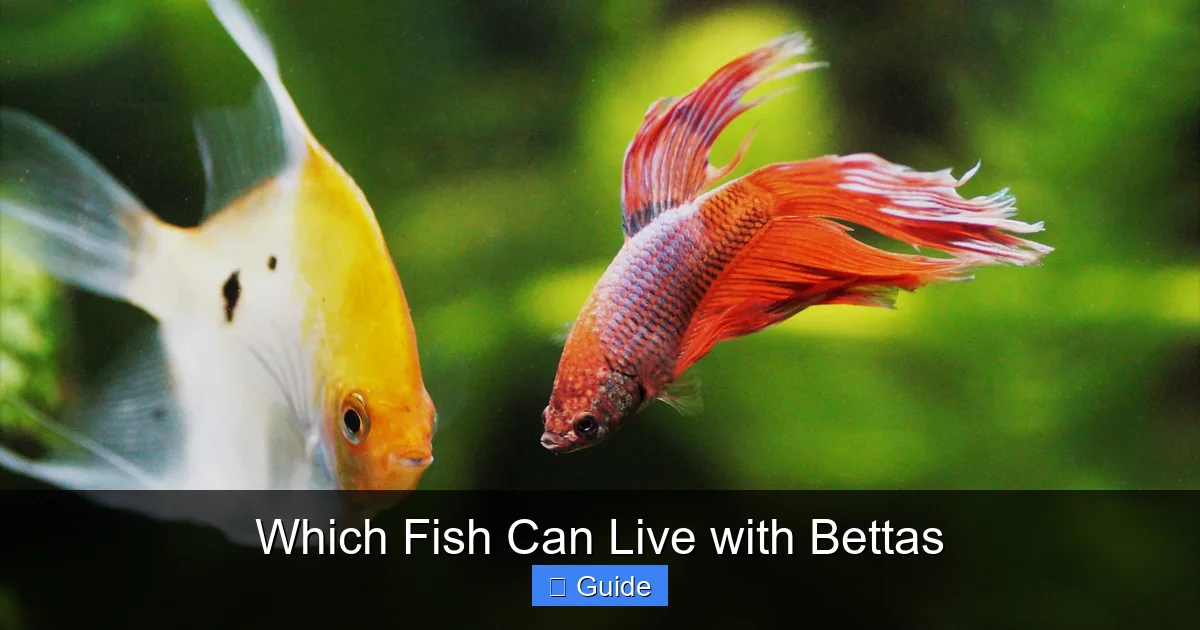
- Very slow, long-finned fish: Like fancy goldfish (also wrong temperature) or slow-swimming angelfish. They cannot escape a betta’s attention.
Setting Up a Successful Betta Community Tank
Choosing the right fish is only 30% of the battle. How you set up the tank and introduce the fish is 70%.
The Nitrogen Cycle is Non-Negotiable
You must fully cycle the aquarium (establish beneficial bacteria that process ammonia and nitrite) before adding any fish. A cycled tank has zero ammonia and zero nitrite, with some nitrate present. An uncycled tank with a betta and other fish will quickly become a toxic soup, killing everyone. This process takes 4-6 weeks. Use a liquid test kit to monitor ammonia, nitrite, and nitrate.
Creating Visual Barriers and Territory
Use your hardscape and plants to create a maze. Place a large piece of driftwood or a rock to break the line of sight from one end of the tank to the other. Plant densely along the back and sides, leaving an open swimming area in the center if you have active tetras. The idea is that your betta should not be able to see the entire tank from its favorite perch. This reduces its perception of “invaders” in its territory.
The Order of Introduction: A Critical Strategy
There are two main, safer approaches:
- The “Betta Last” Method (Recommended): Fully stock the community tank with all the peaceful fish (schools of tetras, corydoras, etc.) and invertebrates first. Let them establish their territories and social hierarchies for 2-3 weeks. Then, introduce the betta. Use a divider initially or float the betta’s container in the tank for 15-20 minutes to acclimate to temperature and water chemistry. When released, the other fish already “own” the space and are less likely to be seen as intruders by the betta, who is the new arrival.
- The Divider Method: Place a solid, water-tight divider in a 20+ gallon tank. Stock one side with the betta and the other side with the community fish. Let them see each other but not interact for a week or two. This allows them to get used to each other’s presence without physical contact. You can then slowly remove the divider over several hours, watching for aggression. Be ready to put the divider back instantly.
Never add a new fish to an established betta’s territory without a lengthy acclimation period in a separate container within the tank (a “hospital tank” or breeder box) where the betta can see but not touch it for several days.
Troubleshooting: When Things Go Wrong
Even with the best planning, you may encounter issues. Early recognition is key to preventing tragedy.
Recognizing Stress and Aggression in Your Betta
Watch for these signs:
- Flaring: Extending all fins and gills to appear larger. Occasional flaring at a reflection or a new fish is normal, but constant flaring is stress.
- Chasing: Relentlessly pursuing another fish around the tank.
- Nipping: Taking bites out of another fish’s fins. You’ll see torn, ragged fins on the victim.
- Hiding: If your normally active betta is constantly hidden, it’s stressed by its tank mates.
- Lethargy, loss of appetite, faded colors.
Separating Aggression: Dividers and Backup Tanks
If you see chasing that doesn’t stop after a few minutes, or any nipping, you must act immediately.
- Use a tank divider. These are clear acrylic or mesh panels that fit into a standard tank. They allow visual contact but prevent physical harm.
- Have a dedicated “hospital” or quarantine tank (5-10 gallons) set up and running at all times. This is where you move the victim of bullying or the aggressive betta if needed.
- The “Bait and Switch”: If a betta fixates on one particular fish, remove that fish to the hospital tank for 24-48 hours. This often breaks the “target” association. Re-introduce it later, sometimes with a different fish added at the same time to distract the betta.
If aggression persists despite space, barriers, and time, you must accept that your specific betta cannot have tank mates. This is not a failure; it’s responsible fishkeeping. The betta’s life and well-being come first.
Conclusion: Patience, Observation, and Respect
So, which fish can live with bettas? The answer is a carefully selected list of peaceful, fast, or bottom-dwelling species like neon tetras, corydoras, and nerite snails, housed in a spacious, heavily planted 20-gallon+ aquarium. But the technical list is less important than the philosophy behind it. Success hinges on respecting the betta’s innate territorial nature, providing an environment that meets its complex needs, and being an astute observer of fish behavior. Start small—perhaps with just a snail or a small school of ember tetras in a large, well-planted tank. Be prepared for trial and error. Your goal is a thriving, stress-free community where your betta’s flowing fins are a centerpiece of peace, not a predictor of war. With this knowledge, you can move beyond the “betta alone” dogma and responsibly explore the vibrant world of community aquariums.
Frequently Asked Questions
Can betta fish live with goldfish?
No. Goldfish are cold-water fish that prefer temperatures around 65-72°F, while bettas require tropical temperatures of 78-80°F. The temperature mismatch would stress and weaken both fish, making them susceptible to disease.
What about betta fish and shrimp? Are they safe?
It depends. Larger, hardier shrimp like Amano shrimp have a good chance. Small, colorful shrimp like Cherry shrimp are often seen as food by bettas. Success requires a heavily planted tank for shrimp to hide and a betta with a low prey drive. Never assume safety; watch closely for the first 48 hours.
What is the absolute minimum tank size for a betta with tank mates?
While a 10-gallon is the absolute bare minimum for a *single* betta, for any community tank, a 20-gallon long is the strongly recommended starting point. This provides enough horizontal swimming space and room for the visual barriers and schools of fish needed to diffuse a betta’s territorial focus.
My betta is flaring at its reflection in the glass. Should I get it a friend to calm it down?
No. Flaring at a reflection is a sign of territorial behavior, not loneliness. Adding a tank mate will likely increase stress and aggression, as your betta will now have a real “intruder” to chase. Flaring at a reflection is usually harmless (though stressful for you to watch) and can be reduced by adding more plants/decoration to break up the reflection.
How do I feed a betta in a community tank so it doesn’t eat all the food?
Bettas are surface feeders. Use sinking pellets or wafers for your bottom dwellers (corydoras, otos). For mid-water fish, use small, slow-sinking or floating crisps that disperse. Feed the community first, then target-feed your betta with a pipette or by placing a betta pellet near its favorite spot before the other fish can get to it. Observe to ensure everyone gets a fair share.
How long should I wait before deciding a betta and tank mate are incompatible?
Give it at least 2-4 weeks in a properly sized and decorated tank. Some chasing and initial flaring is normal as hierarchies are established. If, after this period, you see consistent chasing, nipping, or the target fish is constantly hiding, losing weight, or has torn fins, you must separate them. Do not wait for a fish to die.