Where Can I Get a Betta Fish
Wondering where to get a betta fish? Your options range from local pet stores and big-box retailers to specialized online breeders and even rescues. The best choice depends on your priorities: convenience, price, health guarantees, or supporting ethical practices. Always prioritize a healthy-looking fish from a clean environment, and be prepared with proper tank setup before bringing your new aquatic friend home.
So, you’ve decided to welcome a Betta splendens, the magnificent Siamese fighting fish, into your home. That first, crucial question arises: where can I get a betta fish? It’s more than just a shopping decision; it’s the first step in a 3-5 year (or more!) commitment to a living being. The source you choose directly impacts the health, temperament, and overall well-being of your new pet. This guide will walk you through every viable option, from the quick stop at a large chain store to the careful selection of a dedicated breeder, helping you make an informed and ethical choice.
The world of betta sourcing is diverse. You can walk into a store and point at a cup, or you can spend months researching a specific genetic line from a specialist halfway across the country. Both paths can lead to a wonderful pet, but the experiences and outcomes differ significantly. Our goal here is to equip you with the knowledge to navigate this landscape, ask the right questions, and recognize a healthy, well-cared-for betta, no matter where you ultimately find them.
Key Takeaways
- Local Fish Stores (LFS) are often the best first stop: They offer expert advice, healthier stock from better suppliers, and the chance to see the fish in person before buying.
- Big-box retailers (like Petco, Petsmart) offer convenience and low cost: But bettas are often shipped long distances in poor conditions, requiring extra diligence to pick a healthy individual.
- Specialized online breeders provide the highest quality and variety: You can get specific fin types, colors, and even guaranteed health, but you’ll pay a premium and must carefully acclimate your shipped fish.
- Betta fish rescues are a compassionate and often free option: These groups save bettas from poor situations and rehome them, usually with an adoption fee that covers initial vet care.
- Never buy a betta in a cup as a “starter fish”:strong> They need a proper heated, filtered tank (minimum 5 gallons) from day one. Buying a betta should be a deliberate decision after researching their care.
- Always inspect the fish and its environment: Look for active swimming, undamaged fins, clear eyes, and a clean, well-maintained tank. Avoid stores with cloudy water or lethargic, clamped-fin fish.
- Ask questions wherever you shop: Inquire about the fish’s source, how long it’s been there, and if they can provide care information. A reputable seller will be happy to help.
📑 Table of Contents
- Local Fish Stores (LFS): The Expert’s Choice
- Big-Box Retailers: The Convenience Factor
- Online Betta Breeders and Sellers: The Premium Route
- Specialty and Hobbyist Breeders: The Niche Experts
- Betta Fish Rescues: The Compassionate Option
- Before You Buy: The Non-Negotiable Preparation
- Conclusion: Choosing Your Path
Local Fish Stores (LFS): The Expert’s Choice
Often called the “gold standard” for fish acquisition, a reputable Local Fish Store is where many experienced aquarists recommend starting your search. These are independently owned shops focused on aquatic life, not general pet supplies.
What to Expect at a Quality LFS
Step into a good LFS, and the difference is immediately apparent. The air smells clean, not of ammonia. Tanks are crystal clear, with minimal algae and no dead leaves floating on the surface. Fish are active, swimming with purpose, their fins pristine and extended. Betta males are typically housed alone in filtered, heated tanks or sections, not in tiny cups. You might find them in 1-2 gallon individual containers with live plants or silk decorations, often with a gentle filter flow.
The staff are usually passionate hobbyists themselves. You can ask detailed questions about water parameters, compatible tank mates (for a sorority or community tank), or the specific temperament of a fish you’re eyeing. They often have direct relationships with regional wholesalers or even local breeders, meaning the fish have had a shorter, less stressful journey. This drastically reduces the risk of disease introduction into your home aquarium.
How to Find and Vet a Good LFS
Finding a great LFS can require some legwork. Search online for “local fish store near me” or “aquarium shop [your city].” Read Google and Facebook reviews, but look for comments about fish health and staff knowledge, not just product prices. Once you find a candidate, visit as a customer first. Observe the conditions. Do the bettas have their fins clamped against their bodies? Are they listless at the bottom? Are there multiple dead fish in tanks? These are major red flags.
When you find a promising shop, have a conversation. Ask: “Where do you source your bettas from?” A good answer might be a named regional distributor or a local breeder. Ask about their return or health guarantee policy. A store confident in its stock will offer at least a 24-48 hour guarantee. Building a relationship here is invaluable for future advice and emergency help.
Big-Box Retailers: The Convenience Factor
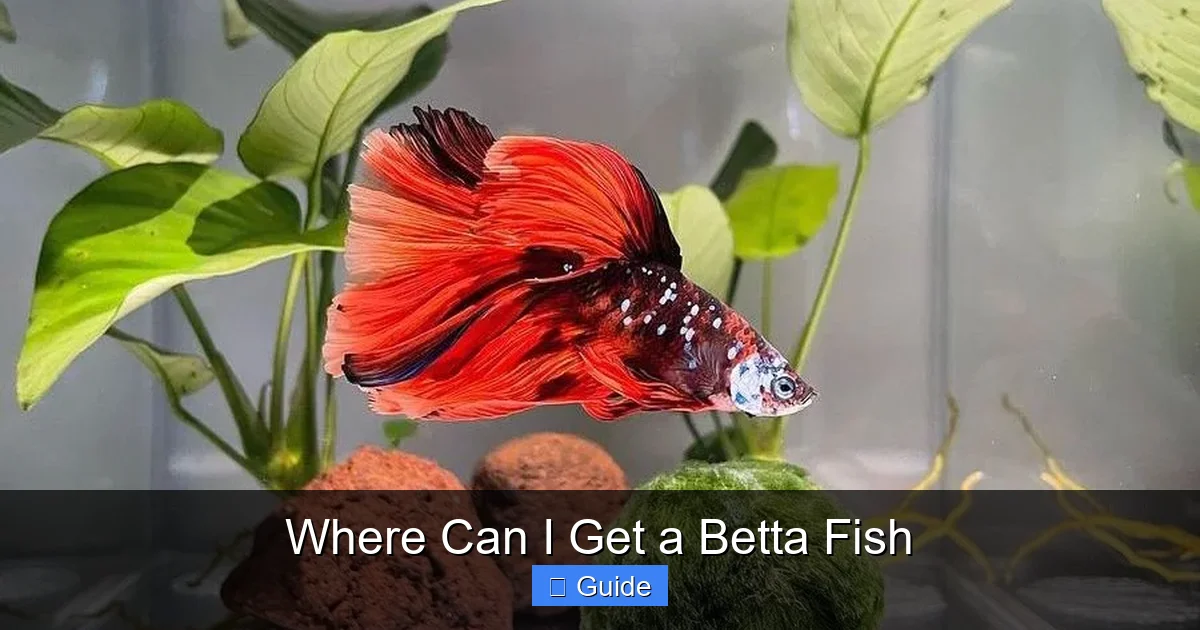
Let’s address the elephant in the room: Petco, PetSmart, Pet Supplies Plus, and even some large department stores. They are undeniably convenient, often open late and located in every major shopping center. They make the answer to where can I get a betta fish seem simple: just drive down the street. And yes, you can often find a betta there for a very low price, sometimes under $10.

Visual guide about Where Can I Get a Betta Fish
Image source: buildyouraquarium.com
The Reality of the Supply Chain
Here’s the critical context: most bettas in big-box stores come from large-scale commercial farms in Southeast Asia, primarily Thailand. They are bred in vast numbers for specific colors and fin types. After a few months, they are shipped as young adults in small, padded bags with minimal water, packed into cardboard boxes for international transit that can last 2-3 days. Upon arrival at a US distribution center, they are shipped again to individual retail stores.
This process is inherently stressful. The mortality rate is high, and the survivors are often weakened, stressed, and susceptible to diseases like velvet, dropsy, or fin rot. You are frequently looking at fish that have endured a terrible journey and have been in a small cup for weeks, sometimes months, waiting for a home.
How to Choose a Healthy Betta from a Chain Store
If you choose this route, your selection process must be meticulous. Do not just grab the first colorful cup you see.
- Observe Behavior: Look for a betta that is alert, perhaps flaring at its reflection or another fish nearby. It should be swimming purposefully, not hovering listlessly at the top or sinking and struggling to rise.
- Inspect the Fins: Fins should be whole, without tears, blackening (fin rot), or fuzzy white growths (fungus). They should be held relatively open, not clamped tightly against the body.
- Check the Body: The body should be streamlined, not bloated or pinecone-like (sign of dropsy). Scales should lie flat. Eyes should be clear, not cloudy or protruding.
- Assess the Environment: Is the cup water relatively clean? Is there excessive slime on the sides? Are there any dead tankmates in adjacent cups? A store with good turnover and dedicated staff will change water more frequently.
- Ask About Acclimation: Some stores are better than others about drip-acclimating new arrivals from their shipment bags to the display cups. A manager might know this. It’s a sign of a more conscientious operation.
The key takeaway: you are performing triage. You are selecting the strongest, healthiest individual from a cohort that has been through significant trauma. Be prepared for a potentially longer quarantine period and have a plan for common ailments.
Online Betta Breeders and Sellers: The Premium Route
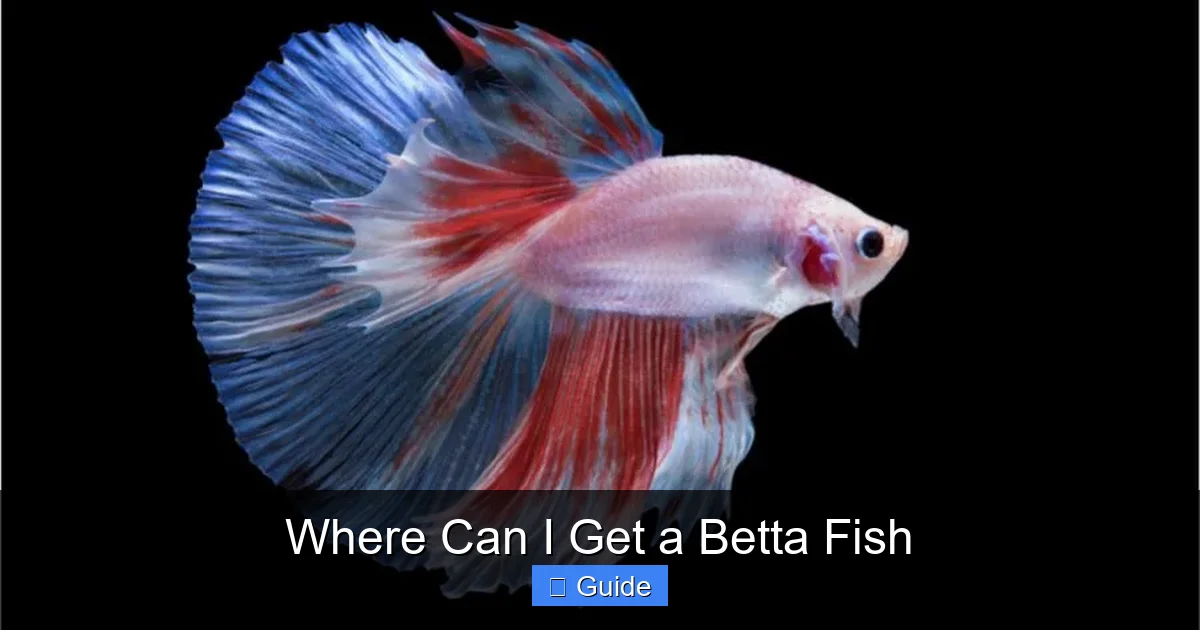
For those seeking a specific variety—a halfmoon with perfect 180-degree spread, a vibrant koi pattern, or a rare plakat—the online breeder is the ultimate destination. This is where you answer where can I get a betta fish with “from an expert who has dedicated themselves to the breed.”

Visual guide about Where Can I Get a Betta Fish
Image source: light.fish
The World of Specialized Breeding
Online betta breeders are often small, passionate operations run by individuals or tiny teams. They focus on specific lines: color (like copper, mustard gas, or marble), fin type (halfmoon, double tail, delta, plakat), or even specific regional types like the wild-type *Betta splendens* or the aggressive fighting strains (though these are less common as pets). They breed their own stock, carefully selecting pairs to enhance desired traits over generations.
Because they control the entire process—from spawning to raising the fry to maturity—they can ensure optimal nutrition, pristine water, and minimal stress. The fish you receive are typically 4-6 months old, fully grown, and at their prime. They are accustomed to human interaction and are often remarkably personable.
Navigating the Online Marketplace
Finding a reputable online breeder requires research. A simple Google search for “online betta breeder” will yield many results, but quality varies wildly.
- Look for Professionalism: A good breeder’s website or social media will be informative. They will have clear photos and videos of their fish, detailed descriptions of their breeding practices, and transparent pricing. They discuss water parameters, feeding regimens (often high-quality frozen foods like bloodworms and brine shrimp), and genetics.
- Beware of “Too Good to Be True”: Extremely low prices for “halfmoon” bettas from an unknown source are almost certainly a red flag. Quality bettas from good breeders start around $40-60 and can go into the hundreds for show-quality specimens.
- Read Reviews Relentlessly: Find reviews on forums like Fishlore, Seriously Fish, or Reddit’s r/bettafish. Look for consistent praise about fish health upon arrival, packaging, and communication. A single negative review isn’t a deal-breaker, but a pattern is.
- Ask Questions: Before purchasing, email the breeder. Ask about their health guarantee, their shipping method (usually via USPS Priority Mail or FedEx), their acclimation recommendations, and if they offer a quarantine period before shipping. Their willingness to engage and provide detailed answers is a great sign.
The Shipping and Acclimation Process
Shipping a live animal carries inherent risk. Reputable breeders use a proven process: the fish is fasted for 24-48 hours, then bagged with clean, oxygenated water and a small amount of a tranquilizer like AVS tranquilizer to reduce stress. The bag is double-bagged and insulated, shipped early in the week to avoid weekend delays in transit.
YOU MUST Drip-Acclimate. Do not just dump the fish and bag water into your tank. The breeder will provide instructions, but the standard method is to float the sealed bag in your tank for 15-30 minutes to equalize temperature, then slowly siphon tank water into the bag over 30-60 minutes. Once the bag’s water volume has doubled, gently net the betta and transfer it to your clean, prepared tank. Discard the bag water. This slow process allows the fish to adjust to your tank’s chemistry (pH, GH, KH) and is critical for survival.
Specialty and Hobbyist Breeders: The Niche Experts
This category overlaps with online breeders but deserves its own mention. These are often passionate individuals who sell fish through forums, Facebook groups, or dedicated hobbyist websites. They might focus on an ultra-specific niche: breeding for extreme finnage, preserving a rare color morph, or working with wild betta species like *Betta imbellis* or *Betta smaragdina*.
Finding these breeders often happens through community involvement. You join a betta forum, participate in discussions, and eventually see someone offering fish for sale. The advantage here is deep, personal knowledge. You can ask about the fish’s lineage, its parents’ temperaments, and get incredibly detailed care tips. The fish are usually impeccably raised. The downside is availability—you may wait on a list for months—and the process is less formal than a commercial breeder website. It’s built on trust and reputation within the community.
Betta Fish Rescues: The Compassionate Option
Yes, betta fish rescues exist, and they are a beautiful, growing phenomenon. These are typically volunteer-run organizations or dedicated individuals who save bettas from neglectful situations: Walmart cups that have been there for months, pets being rehomed, or fish confiscated from neglectful owners.
Visual guide about Where Can I Get a Betta Fish
Image source: acaquarium.com
How Betta Rescues Operate
Rescues use networks of foster homes. A volunteer will take in a surrendered or rescued betta, nurse it back to health (often treating for fin rot, velvet, or internal parasites), and then adopt it out to a pre-screened, knowledgeable home. The adoption fee usually covers the cost of medication, supplies, and the foster’s time. It is rarely, if ever, a “free” fish.
Why Consider a Rescue?
- You Save a Life: You are directly intervening in a cycle of neglect. Many of these bettas have known histories of poor care and deserve a second chance.
- You Get an Adult with Known Personality: Often, fosters can tell you if the betta is shy, bold, curious, or aggressive. You might get a fish that is already accustomed to frozen foods or even a community tank.
- It’s Often Cost-Effective: The adoption fee is usually less than the price of a specialty betta, and it includes initial veterinary care.
- You Support a Cause: Your fee helps the rescue save the next betta.
Where to Find Rescues: Search for “betta fish rescue [your state/region]” or check national organizations like the International Betta Congress (IBC) rescue page or the Betta Fish Rescue network on Facebook. Be prepared for an application process. Reputable rescues want to ensure their bettas go to homes with proper setups and committed owners.
Before You Buy: The Non-Negotiable Preparation
No matter where you ultimately get your betta, the most important step happens before you bring them home. A betta in a cup is not a “starter fish” for a tiny bowl. It is a tropical fish with specific, non-negotiable needs. Bringing a betta home without a proper tank is the single biggest cause of suffering and early death.
The Absolute Minimum: The 5-Gallon Heated Tank
Forget the “betta in a vase” myth. A single betta requires a minimum of a 5-gallon (19-liter) tank. This provides stable water parameters, room to explore, and dilutes toxins. The tank must have a gentle filter (a sponge filter is ideal) and a heater set to 78-80°F (25.5-26.5°C). A lid is recommended as bettas are notorious jumpers.
The Essential Cycling Process
This is the most critical technical step. You cannot put a betta in a brand-new tank. You must “cycle” the tank for 4-6 weeks before adding the fish. Cycling establishes a colony of beneficial bacteria that convert toxic fish waste (ammonia) into less harmful substances (nitrite, then nitrate). Without this cycle, your betta will be poisoned by its own waste and die within days or weeks.
How to Cycle: Set up the tank with filter, heater, and decor (no fish!). Add a source of ammonia (pure ammonia from a hardware store, or a piece of fish food/shrimp). Test the water daily with a liquid test kit (API Freshwater Master Test Kit is the industry standard). You will see ammonia rise, then nitrite, then finally nitrate, and the ammonia/nitrite will drop to zero. Once you see nitrates and zero ammonia/nitrite for several days, the tank is safe for your betta. This process cannot be rushed.
Stocking the Tank
While cycling, add silk or live plants (like Anubias or Java Fern attached to driftwood) for hiding places. Avoid plastic plants that can tear delicate fins. Add a bare bottom or fine, smooth substrate like sand. Have a water conditioner (like Seachem Prime) on hand to dechlorinate tap water. Have a gravel vacuum for water changes. Plan for weekly 25-50% water changes once the betta is home, using the vacuum to clean the substrate.
Do this entire setup before you even ask “where can I get a betta fish.” A reputable seller, especially an LFS or breeder, will ask you about your tank during the sales process. Being able to say, “I have a heated, filtered, cycled 5-gallon tank ready” is the mark of a responsible new owner.
Conclusion: Choosing Your Path
The answer to “where can I get a betta fish” is deeply personal. It reflects your values: convenience, budget, support for ethical breeding, or compassionate rescue. There is no single “wrong” answer if you are armed with knowledge and prioritize the fish’s health.
For most first-time owners, a scrutinized purchase from a clean Local Fish Store offers the best balance of advice, reasonable price, and a healthier starting point than a big-box retailer. If you have a specific dream betta in mind and the budget, a reputable online breeder will deliver a magnificent, high-quality specimen. If your heart is in saving a life, seek out a dedicated betta rescue. Avoid the impulse buy from a stressed cup at a large retailer unless you are exceptionally confident in your ability to identify a healthy individual and have a quarantine plan.
Remember, the source is just the beginning. Your commitment to proper, long-term care—the heated tank, the cycled water, the varied diet, the enrichment—is what will truly determine your betta’s health, vibrancy, and the joy they bring to your life for years to come. You are not just buying a fish; you are gaining a low-maintenance but highly interactive companion. Choose wisely, prepare thoroughly, and enjoy the mesmerizing beauty of your betta splendens.
Frequently Asked Questions
How much does a betta fish typically cost?
The initial cost varies widely. A common betta from a big-box retailer might cost $5-$15. From a local fish store, expect $15-$40 for a healthy, well-sourced individual. From a specialized online breeder for specific fin types or colors, prices range from $40 to over $200. Remember, the tank setup (5+ gallon, heater, filter, etc.) is a separate, one-time cost of $100-$300+.
Can I keep a betta in a small bowl or vase as shown in stores?
No. This is a dangerous myth. Bettas are tropical fish that require warm, stable water (78-80°F) and efficient filtration to process their waste. A small bowl or vase cannot maintain temperature or water quality, leading to stress, disease, and a shortened lifespan. A minimum 5-gallon, heated, filtered tank is the humane standard.
How long do betta fish live?
With proper care in a heated, filtered, cycled tank and a good diet, a betta fish commonly lives 3-5 years. Some even reach 6 or 7 years. A betta kept in a small, unheated bowl may only live 1-2 years. Their lifespan is directly tied to the quality of their environment.
Are betta fish aggressive? Can I keep them with other fish?
Male bettas are famously aggressive toward other male bettas and will fight to the death. They can also be aggressive toward fish with long, flowing fins (like guppies) or bright colors. However, many bettas can live peacefully in a community tank with carefully chosen, peaceful, short-finned tank mates like certain tetras, corydoras catfish, or Kuhli loaches, in a tank of 20 gallons or more. Female bettas can sometimes be kept in a “sorority” of 4-5 in a heavily planted 20+ gallon tank, but this requires expert management.
What should I feed my betta fish?
A high-quality pellet formulated for bettas or carnivorous fish should be the staple. Feed only 2-3 pellets once or twice a day, removing any uneaten food after 3 minutes. Supplement their diet 2-3 times a week with treats like frozen or live daphnia, brine shrimp, or bloodworms. This varied, protein-rich diet mimics their natural insectivore diet and enhances color and vitality. Avoid overfeeding, which fouls the water.
How often do I need to change the water in my betta’s tank?
In a properly cycled, filtered 5-gallon tank with one betta, you should perform a 25-50% water change once a week. Use a gravel vacuum to remove debris from the substrate during the change. Always treat the new water with a dechlorinator before adding it to the tank. Never change 100% of the water at once, as this removes beneficial bacteria and shocks the fish. Test your water regularly with a liquid test kit to ensure ammonia and nitrite are at 0ppm.