Where Betta Fish Are Found
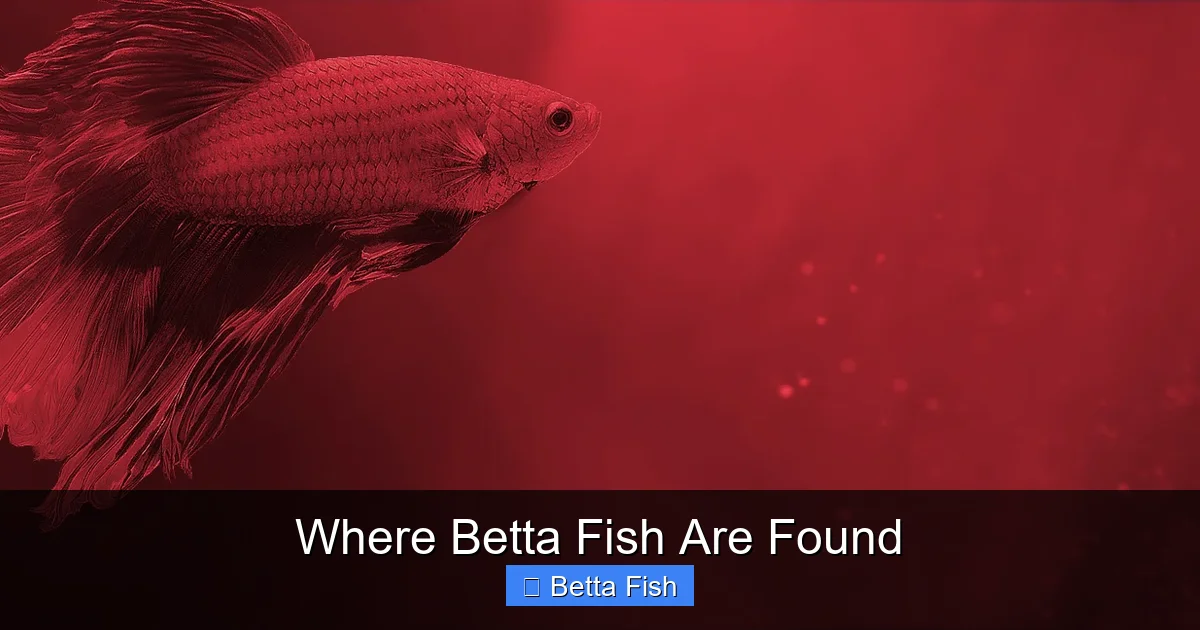
Surprisingly, betta fish aren’t just from pet stores—they’re native to the vibrant, shallow waters of Southeast Asia. Wild bettas thrive in rice paddies, slow-moving streams, and peat swamps across Thailand, Cambodia, and Vietnam. Their incredible ability to breathe air directly allows them to survive in low-oxygen environments that would suffocate other fish. Understanding their natural habitats is key to providing proper care and supporting conservation efforts for these dazzling fish in the wild.
Key Takeaways
- Native to Southeast Asia: Wild betta fish (Betta splendens) originate from the central and northern regions of Thailand, with native populations also found in Cambodia, Vietnam, and parts of Myanmar and Laos.
- Habitat Specialists: They inhabit shallow, slow-moving or stagnant bodies of water like rice paddies, drainage ditches, peat swamps, and forest pools, often with dense vegetation and dark, tannin-stained water.
- Labyrinth Organ Adaptation: Their specialized “labyrinth organ” allows them to gulp atmospheric air, enabling survival in oxygen-poor (hypoxic) waters that are common in their native habitats.
- Seasonal Migrators: During the rainy season, bettas spread into newly flooded forests and plains. In the dry season, they become trapped in isolated pools and mud holes, demonstrating extreme resilience.
- Wild vs. Captive: Wild bettas are typically shorter-finned and more subdued in color (greens, browns, reds) compared to the brilliantly colored, long-finned varieties selectively bred for aquariums over the last century.
- Facing Threats: Their natural habitats are under pressure from pollution, agricultural runoff, damming, and the illegal wildlife trade, making some local populations vulnerable.
- Care Implications: Replicating key aspects of their wild home—warm, shallow water, gentle flow, live plants, and surface access for air-breathing—is essential for the health and well-being of pet bettas.
[FEATURED_IMAGE_PLACEHOLDER]
📑 Table of Contents
- Introduction to Betta’s Wild Origins
- The Native Range: A Country-by-Country Journey
- Natural Habitats: From Paddies to Peat Swamps
- Seasonal Rhythms and Environmental Adaptations
- Human Impact: How We’ve Changed Their World
- Conservation Efforts and the Future of Wild Bettas
- Conclusion: Bridging the Wild and the Home Aquarium
Introduction to Betta’s Wild Origins
When you picture a betta fish, you likely imagine a vibrant, frilly-tailed jewel swimming gracefully in a small, ornate bowl on a desk. This iconic image, however, is a world away from the betta’s true story. The betta fish, scientifically known as Betta splendens, has a wild origin story far more dramatic and fascinating than its common captive portrayal. To truly understand these captivating creatures—and to provide them with the best possible care—we must journey to the muddy, warm, and surprisingly beautiful waterways of Southeast Asia. This is where betta fish are found in their natural state, living a life shaped by extreme environmental challenges and breathtaking biological adaptations.
The phrase “where betta fish are found” is not just a geographical question; it’s an invitation to explore an ecosystem. It’s about understanding the tannin-stained peat swamps, the shimmering rice paddies under a hot sun, and the seasonal cycles of flood and drought that forged the betta’s legendary resilience. This knowledge transforms our perspective. The betta in your tank is not a passive decoration; it is a descendant of a hardy survivor from a specific, exotic corner of our planet. By learning about its native range and habitat, we gain invaluable insights into its behavior, its needs, and our responsibility as keepers and admirers.
The Native Range: A Country-by-Country Journey
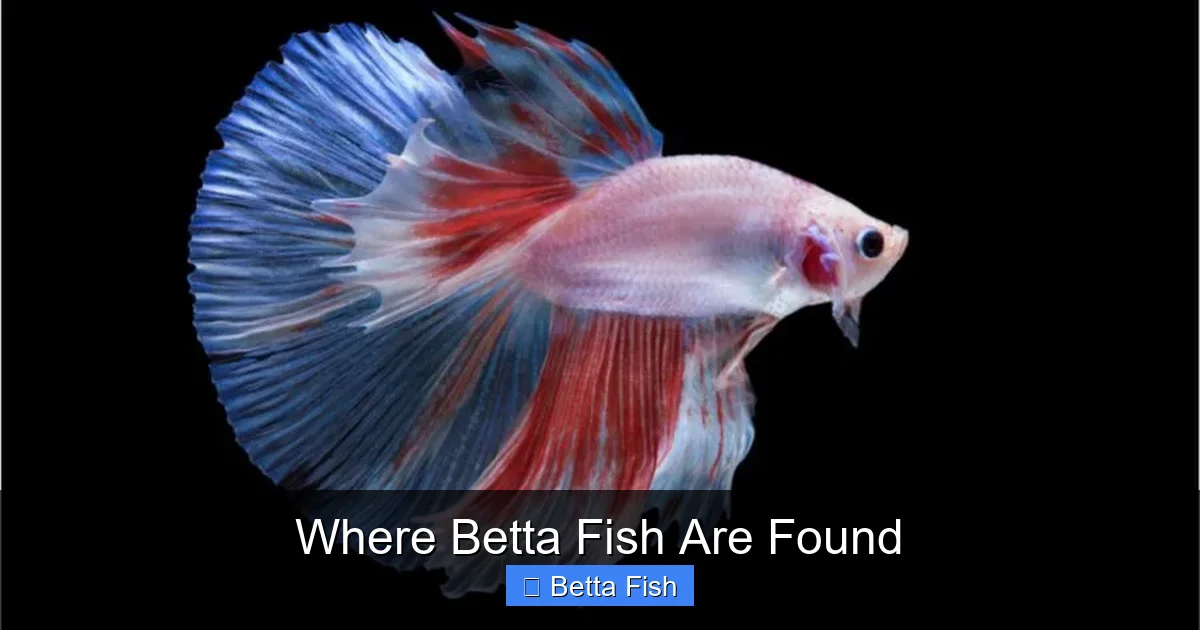
The undisputed heartland of the wild betta is Thailand. This is the species’ type locality, meaning it was first scientifically described from specimens collected there. More specifically, wild Betta splendens are native to the Chao Phraya river basin, which drains the central plains of Thailand, and the vast Mekong river basin in the country’s northeastern region, known as Isaan. These basins are not characterized by fast-flowing rivers, but by the intricate network of slow streams, canals, ponds, and seasonal floodplains that define the landscape.
Visual guide about Where Betta Fish Are Found
Image source: acaquarium.com
Thailand: The Cradle of the Betta
In Thailand, you’ll find bettas in provinces like Chachoengsao, Chonburi, Rayong, and Ubon Ratchathani. The water bodies here are typically shallow, often less than 20 cm (8 inches) deep, with thick margins of aquatic plants and grasses. The water temperature hovers between 24°C and 30°C (75°F – 86°F) year-round, and the pH can range from slightly acidic (6.0) to neutral (7.5), heavily influenced by the decaying organic matter from the surrounding vegetation.
Neighboring Nations: Cambodia and Vietnam
The betta’s range extends naturally across borders. In Cambodia, they are found in the Tonlé Sap lake and the Mekong river systems that flow through the country. The immense Tonlé Sap, which reverses flow with the seasons, creates a vast, nutrient-rich flooded forest habitat perfect for bettas during the wet months. In southern Vietnam, particularly in the Mekong Delta, bettas inhabit similar lowland wetlands, rice fields, and small tributaries. The Vietnamese populations are sometimes classified as a closely related species or subspecies by some taxonomists, highlighting the subtle genetic diversity across its range.
The Broader Southeast Asian Context
While Betta splendens is the species most familiar to us, the Betta genus is incredibly diverse, with over 70 recognized species. Where betta fish are found in the broader sense includes peninsular Malaysia, Indonesia (Sumatra, Borneo), and Myanmar. These locations are home to other unique betta species, like the Betta imbellis (Peaceful Betta) or Betta mahachaiensis. This genus is almost exclusively a Southeast Asian phenomenon, a result of the region’s stable tropical climate and complex geological history that created countless isolated aquatic habitats, driving speciation.
Natural Habitats: From Paddies to Peat Swamps
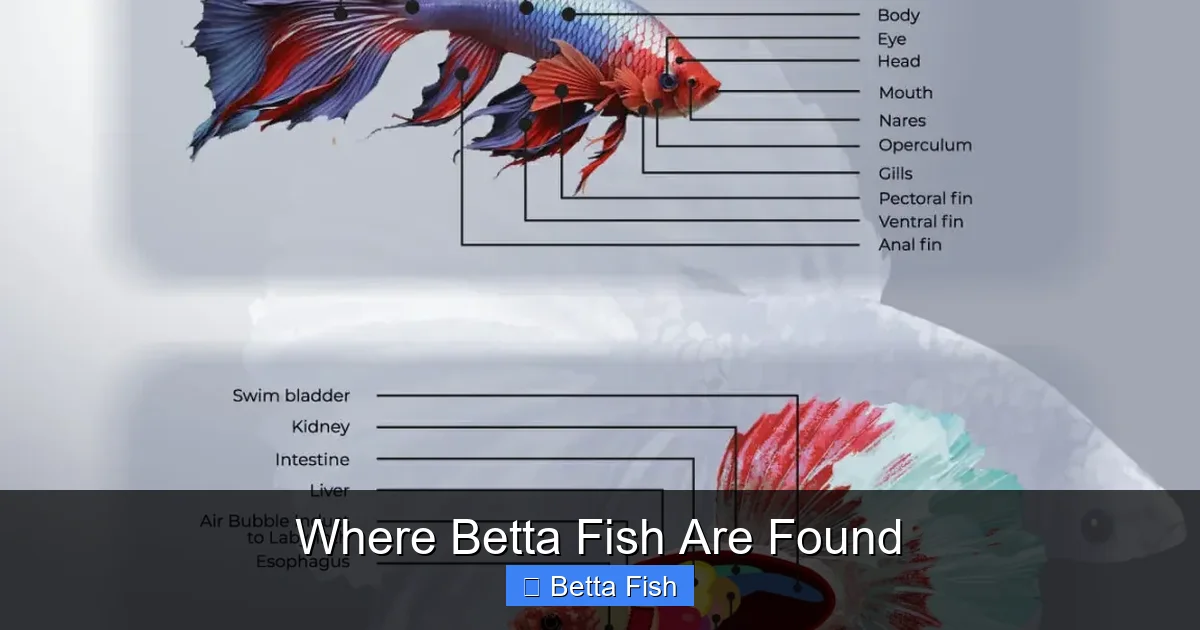
So, what exactly does the home of a wild betta look like? It’s not a clear, flowing stream. Instead, it’s a suite of habitats defined by stillness, shallow depth, and abundant surface vegetation. Understanding these specific environments is crucial for anyone asking “where are betta fish found” in the wild.
Visual guide about Where Betta Fish Are Found
Image source: ekk4j69ebaa.exactdn.com
Rice Paddies: The Iconic Farmland Home
The flooded rice paddy is perhaps the most classic image of a betta habitat. During the growing season, these fields are deliberately flooded to a depth of 5-15 cm (2-6 inches). This creates a vast, shallow, sun-drenched expanse of water. The water is often warm, silty, and low in dissolved oxygen. Rice plants provide vertical structure and surface cover. Insects and their larvae fall into the water, providing a rich food source. Bettas are perfectly adapted to this agricultural landscape, using the dense plant cover for ambush hunting and building bubble nests among the roots and stems.
Peat Swamp Forests and Blackwater Streams
Further from human agriculture, bettas thrive in natural peat swamp forests. Here, the water is stained a dark tea color by tannins and humic acids released from decaying leaves and wood. This “blackwater” is famously soft (low in minerals) and acidic. The water is often crystal clear but dark, with a layer of fallen leaves on the bottom. The substrate is soft mud or peat. These habitats are biodiversity hotspots, filled with specialized plants like Cryptocoryne and Eleocharis. The low light penetration and acidic chemistry are a perfect match for the betta’s natural camouflage and physiology.
Drainage Ditches, Canals, and sluggish Streams
Human-altered landscapes like drainage ditches and irrigation canals often mimic natural conditions perfectly: slow, shallow, and vegetated. Even in sluggish sections of larger streams, where the current is negligible and the banks are lined with reeds and overhanging foliage, bettas can establish territories. The key unifying factor across all these habitats is the lack of significant water movement. Bettas are built for still water; strong currents would quickly exhaust them in the wild.
The Critical Role of Surface Access and Vegetation
Two non-negotiable features define a wild betta’s home: unobstructed access to the water’s surface and dense vertical and horizontal cover. Their labyrinth organ demands they breathe air from the surface. In the wild, this is never an issue. Dense floating plants (like water lettuce or duckweed) or overhanging vegetation provides essential cover from aerial predators (herons, kingfishers) and the harsh tropical sun. It also provides the ideal anchor point for the male’s famous bubble nest. A habitat without surface access or cover is fundamentally unsuitable for a betta.
Seasonal Rhythms and Environmental Adaptations
The tropics are not defined by summer and winter, but by wet and dry seasons. Where betta fish are found is inextricably linked to this powerful annual cycle. Their entire existence is a masterclass in adaptation to these dramatic fluctuations.
Visual guide about Where Betta Fish Are Found
Image source: infoanimales.net
The Inundation: Life in the Flood
During the monsoon or rainy season, the landscape transforms. Rivers overflow, floodplains become vast seas, and forests are submerged. This is the betta’s time of abundance and expansion. Fish that were confined to small, murky pools can now disperse over enormous areas into newly flooded forests and fields. This seasonal connectivity allows for genetic mixing between previously isolated populations. Food is plentiful—insects, zooplankton, and small crustaceans are everywhere. Bettas spawn prolifically during this period of resource plenty, with males building bubble nests in the shelter of submerged vegetation.
The Drought: Survival in Isolation
The dry season is the true test of the betta’s legendary toughness. As the rains cease, the vast floodplain shrinks back to a series of disconnected, isolated pools, puddles, and even damp mud. Many of these water bodies become severely degraded: hot, stagnant, and critically low in oxygen. This is where the betta’s labyrinth organ becomes a miraculous survival tool. While other fish might gasp and perish, the betta simply swims to the surface, takes a gulp of air, and returns to the depths. They can also survive in very warm water (up to 40°C/104°F in extreme cases) for short periods and will often burrow into the damp mud if a pool dries completely, entering a dormant state called aestivation until the rains return.
Temperature and Water Chemistry: A Tight Tolerance
In their native range, bettas live in consistently warm water. There is no winter. The temperature rarely, if ever, drops below 20°C (68°F). This has profound implications for captive care. They are tropical fish with a low tolerance for cold. The water chemistry in their peat swamp habitats is typically soft and acidic due to the tannins. While they are adaptable and can live in harder, more alkaline water (as seen in some farmed populations), their long-term health and breeding success are optimized in softer, slightly acidic conditions that mimic the blackwater home.
Human Impact: How We’ve Changed Their World
The question of where betta fish are found today cannot be separated from the impact of humanity. For over a century, the betta’s natural world has been altered, often negatively, by the very people who revere it.
Agricultural Intensification and Pollution
The expansion of industrial rice farming, while initially creating habitat, now often involves heavy pesticide and fertilizer use. These chemicals runoff into the ditches and canals, poisoning the delicate ecosystem and killing the insect larvae bettas eat. Sediment from eroded fields clouds the water, smothering plants and reducing oxygen levels. In some areas, traditional, less-intensive rice farming that supported bettas is being replaced by more destructive practices or by cash crops like palm oil, which drastically alter the hydrology of the land.
Habitat Destruction and Urbanization
As Southeast Asia develops, wetlands are drained for cities, roads, and factories. Peat swamp forests are logged and burned for land conversion. Canals are lined with concrete, removing all plant life and surface access. These actions directly eliminate betta habitat. What remains is often a degraded, polluted version of their former home, unable to support healthy, breeding populations.
The Double-Edged Sword of the Aquarium Trade
The global popularity of the betta has created a complex relationship with its wild relatives. On one hand, the demand for wild-caught specimens for the ornamental trade can incentivize habitat protection—local communities may value the wetlands that produce a source of income. On the other hand, unsustainable collection can deplete local populations, especially if collectors target specific color morphs or use destructive methods like dynamite or poison (though this is rare and illegal). Most wild bettas in the trade today are reportedly collected sustainably as bycatch from other fisheries or via regulated collection, but monitoring is difficult.
Conservation Efforts and the Future of Wild Bettas
Despite the pressures, there is growing awareness and action aimed at preserving wild betta populations and their habitats. The future of where betta fish are found in the wild depends on these efforts.
In-Situ Conservation: Protecting the Home
The most effective strategy is protecting the habitat itself. This includes establishing and effectively managing protected areas that encompass critical wetland ecosystems. In Thailand, some betta habitats fall within protected zones, but enforcement is key. Conservation groups are working to promote sustainable agriculture and wetland restoration projects that benefit both local communities and wildlife. Educating farmers about the value of buffer zones with native vegetation along waterways can reduce pesticide runoff and provide habitat corridors.
Ex-Situ Conservation and Research
Captive breeding programs for wild-type bettas are being developed by dedicated hobbyists and institutions. These programs serve as an “insurance policy” against extinction in the wild and provide a source of fish that can satisfy demand without further pressuring natural populations. Furthermore, scientific research is vital. Taxonomists are still untangling the relationships between different Betta species and populations. Understanding genetic diversity helps identify unique populations that may need special protection. Research into their specific habitat requirements also guides conservation planning.
The Role of the Responsible Hobbyist
You, as a betta keeper, play a direct role. By choosing captive-bred wild-type bettas from reputable breeders instead of wild-caught specimens (unless for specific conservation projects), you reduce collection pressure. More importantly, by replicating aspects of their natural habitat in your aquarium—warm water, gentle flow, live plants, surface access—you promote the health and welfare of your fish, celebrating its wild heritage. Supporting conservation organizations that work in Southeast Asia is another powerful step. The story of the betta is a reminder that the glittering fish in our homes is a ambassador for a fragile, beautiful, and vital ecosystem halfway around the world.
Conclusion: Bridging the Wild and the Home Aquarium
To ask “where are betta fish found?” is to uncover a tale of survival, beauty, and profound interconnectedness. The betta’s native range in the wetlands of Southeast Asia is not a mere footnote in its history; it is the blueprint for its biology. The shallow, warm, oxygen-poor waters of rice paddies and peat swamps forged its labyrinth organ, its bubble-nesting behavior, its territorial aggression, and its spectacular colors used for communication in the dappled light. Every flare of a male’s gills, every bubble of its nest, is an echo of the seasonal floods and droughts of the Chao Phraya or Mekong basins.
Bringing a betta into our homes carries with it an unspoken contract. We are caretakers of a lineage that has weathered immense natural challenges. By understanding and respecting its wild origins—the need for warm, still water at the surface, the preference for soft, acidic conditions, the instinct to claim a territory among plants—we move beyond basic ownership to a deeper form of stewardship. We create a micro-habitat that honors its heritage. At the same time, we must look beyond our glass walls and recognize that the wild habitats that shaped this fish are under siege. Our fascination can and should translate into awareness and action to ensure that for generations to come, the question “where are betta fish found?” will have a resounding, positive answer: in the lush, sun-drenched wetlands of Southeast Asia, thriving in the wild as they have for millennia.
Frequently Asked Questions
Are the brightly colored bettas in pet stores found in the wild?
No. The brilliantly colored, long-finned bettas commonly sold in pet stores are the result of over a century of selective breeding. Wild bettas are typically shorter-finned and have more subdued, camouflaged coloration in greens, browns, and muted reds, though males can still show impressive iridescent scales.
Can I keep a betta fish in a small bowl without a filter or heater?
While a betta *can* survive in a small, unheated bowl due to its labyrinth organ and tolerance for poor water, this is not a healthy or ethical setup. It causes chronic stress and shortens their lifespan. To mimic their warm, stable wild habitat, a filtered tank of at least 5 gallons (19 liters) with a gentle heater is strongly recommended.
What do wild bettas eat?
Wild bettas are carnivorous insectivores. Their diet consists primarily of insects and larvae that fall onto the water’s surface (like mosquitoes, midges, and beetles), as well as small crustaceans, zooplankton, and occasionally tiny fish. They are surface-feeding ambush predators.
Why are betta fish so aggressive?
The famous aggression, especially in males, is a territorial behavior tied to their wild breeding strategy. In their shallow, resource-limited habitats, a male must fiercely defend a small territory (a patch of plants) to attract a female and protect his bubble nest from rival males. This instinct is heightened in captivity.
Can wild bettas and captive bettas breed with each other?
Yes, absolutely. Captive bettas are the same species (Betta splendens) as their wild counterparts and can interbreed freely. This is how wild-type coloration and finnage are sometimes introduced back into captive lines.
Are wild betta fish endangered?
The wild species Betta splendens is currently listed as “Vulnerable” by the IUCN (International Union for Conservation of Nature). While not yet endangered, its populations are declining due to habitat loss, pollution, and overcollection in some areas. The status of other, less-studied Betta species varies, with some being critically endangered.