Where Are Wild Betta Fish Found
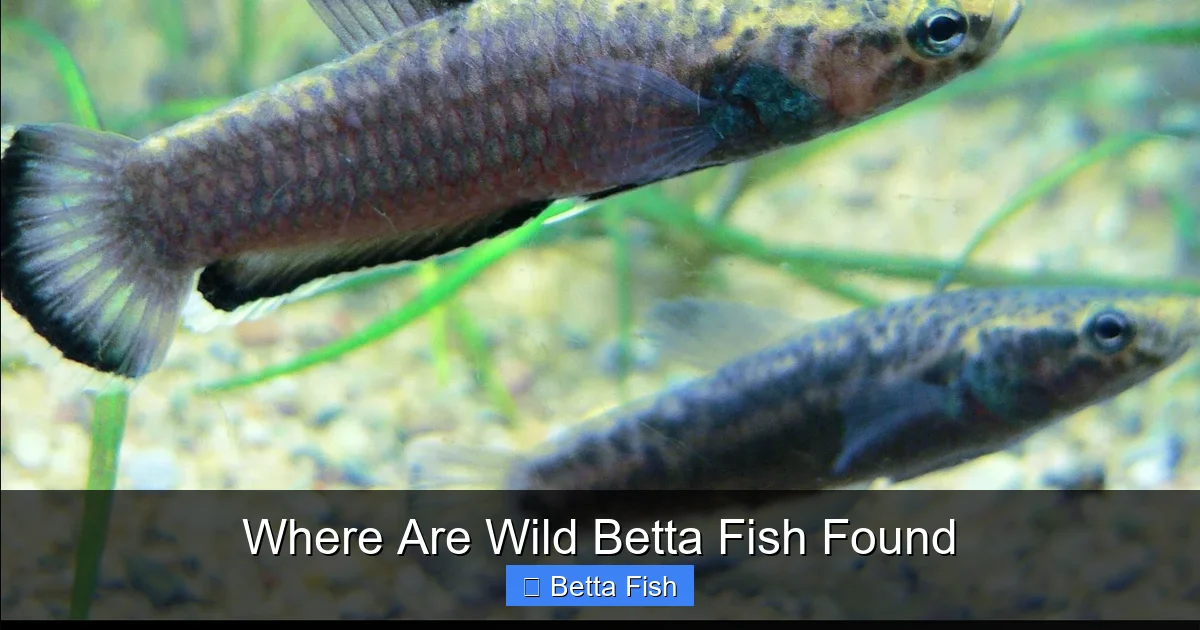
Wild betta fish, specifically Betta splendens, are not found in pet stores but in the shallow, tropical waters of Southeast Asia. Their native range is centered in Thailand, with populations extending into Cambodia, Vietnam, and Malaysia. They thrive in slow-moving or stagnant bodies of water like rice paddies, marshes, and leaf-littered streams. Understanding their wild origins is crucial for proper aquarium care and highlights the urgent need for habitat conservation, as their natural environments face significant threats from development and pollution.
Key Takeaways
- Native Range: Wild betta fish are indigenous to the Chao Phraya and Mekong river basins of Thailand, with historical populations in Cambodia, southern Vietnam, and parts of Malaysia.
- Preferred Habitat: They inhabit shallow, slow-moving or stagnant freshwater environments with dense vegetation, such as rice paddies, marshes, ditches, and forest swamps.
- Water Conditions: Their wild homes feature warm water (often 75-86°F / 24-30°C), soft to moderately hard acidity, and can be low in oxygen, a condition they survive via their labyrinth organ.
- Seasonal Adaptation: Wild bettas are adapted to extreme seasonal cycles, surviving in isolated, hot puddles during the dry season and dispersing through flooded forests during the monsoon.
- Conservation Status: While not yet endangered globally, wild betta populations are under severe pressure from habitat destruction, pollution, and the illegal wildlife trade, making local conservation critical.
- Behavioral Roots: The famous “fighting” behavior and brilliant colors of domestic bettas are exaggerated traits from their wild ancestors, which use displays for territory and mate attraction, not daily combat.
- Ethical Insight: Knowing their wild origins helps aquarists create better tank environments that mimic natural conditions, reducing stress and promoting health for pet bettas.
📑 Table of Contents
- The Myth vs. Reality of Betta Fish Origins
- Geographical Range: Mapping the Wild Betta’s Homeland
- Habitat Specifics: More Than Just Puddles
- Evolutionary Marvels: Wild Betta Adaptations
- The Vanishing Wild: Conservation Challenges
- Bringing the Wild Into the Home: Ethical Aquarium Practices
- Conclusion: A Legacy Worth Protecting
The Myth vs. Reality of Betta Fish Origins
Picture a betta fish. You’re likely imagining a vibrant, flowing-finned creature in a small, solitary vase on a desk. This iconic image, sold worldwide as a “low-maintenance” pet, is a world away from the truth. The story of where wild betta fish are found is a tale of muddy puddles, dense jungle foliage, and incredible survival. It’s the story of Betta splendens in its true, unadulterated form.
The common name “Siamese fighting fish” gives the first clue to their origin. “Siamese” refers to Siam, the former name of Thailand. This is the undisputed heartland of the wild betta. For over a century, these fish were observed and collected by Westerners from the waters of central Thailand. Yet, the popular myth that they naturally live in tiny, isolated jars is exactly that—a myth. In the wild, they are not prisoners of puddles but adaptable residents of a complex, seasonal ecosystem. Their entire biology, from their famous labyrinth organ (a special breathing structure) to their territorial nature, is a direct response to the specific challenges of their native habitat. Understanding this is the first step toward appreciating these fish beyond their decorative value and respecting the wild legacy that flows through every pet betta’s veins.
Geographical Range: Mapping the Wild Betta’s Homeland
When we ask “where are wild betta fish found,” we are talking about a specific, relatively small region of the globe. The natural distribution of Betta splendens is confined to the inland river systems of Southeast Asia. This is not a widespread species; it is a regional specialist.
Visual guide about Where Are Wild Betta Fish Found
Image source: cdn.shopify.com
The Thai Core: Chao Phraya and Mekong Basins
Thailand is the absolute core of the wild betta’s range. Two major river basins dominate: the Chao Phraya River basin and the Mekong River basin. The Chao Phraya, which flows through Bangkok, and its countless tributaries and associated floodplains are historically the most significant source of wild bettas. The Mekong basin, particularly in northeastern Thailand (Isaan), also hosts robust populations. In these areas, bettas are found from the lowlands up to about 1,500 meters (5,000 feet) in elevation, though they are most common in the warm, flat floodplains.
Neighboring Populations: Cambodia, Vietnam, and Malaysia
While Thailand is the epicenter, the distribution extends across modern borders. In Cambodia, bettas are found in the Tonlé Sap lake and river system, which is intimately connected to the Mekong. In southern Vietnam, specifically the Mekong Delta region, populations exist. There is also a historical, though perhaps less certain, record from the extreme southern tip of Malaysia (near the Thai border). It’s important to note that these are all lowland, tropical freshwater systems. You will not find wild bettas in brackish (slightly salty) water or in fast-flowing mountain streams; they are strictly fish of the calm, warm, low-oxygen lowlands.
The “Wild” Distinction: Native vs. Invasive
A critical point of clarity: when we say “wild betta,” we mean Betta splendens living in its native, historical range. Due to the pet trade, escaped or released bettas have established small, problematic populations in places like Australia, Brazil, Florida (USA), and Singapore. These are invasive populations, not native ones. They can pose an ecological threat to local species. So, the true answer to “where are they found?” is strictly within that Southeast Asian belt. Everywhere else, they are an introduced species, not a wild one.
Habitat Specifics: More Than Just Puddles
Knowing the country isn’t enough. The specific microhabitat is everything. The romanticized idea of a betta living in a single, isolated rain puddle is an oversimplification that can be misleading. While they can survive in such conditions, their prime habitats are more diverse and interconnected.
Visual guide about Where Are Wild Betta Fish Found
Image source: qwikbetta.com
The Rice Paddy Kingdom
Perhaps the most classic image of a wild betta’s home is a Thai rice paddy. During the rainy season, these flooded agricultural fields become a vast, shallow network of water. They are warm, sun-drenched, and filled with aquatic plants, algae, and microorganisms—a perfect betta buffet. The water is often stained brown with tannins from decaying vegetation, which is slightly acidic and soft. Rice paddies provide abundant hiding spots among plant roots and stems, crucial for a territorial fish that needs to avoid predators like birds and larger fish.
Marshes, Swamps, and Ditches
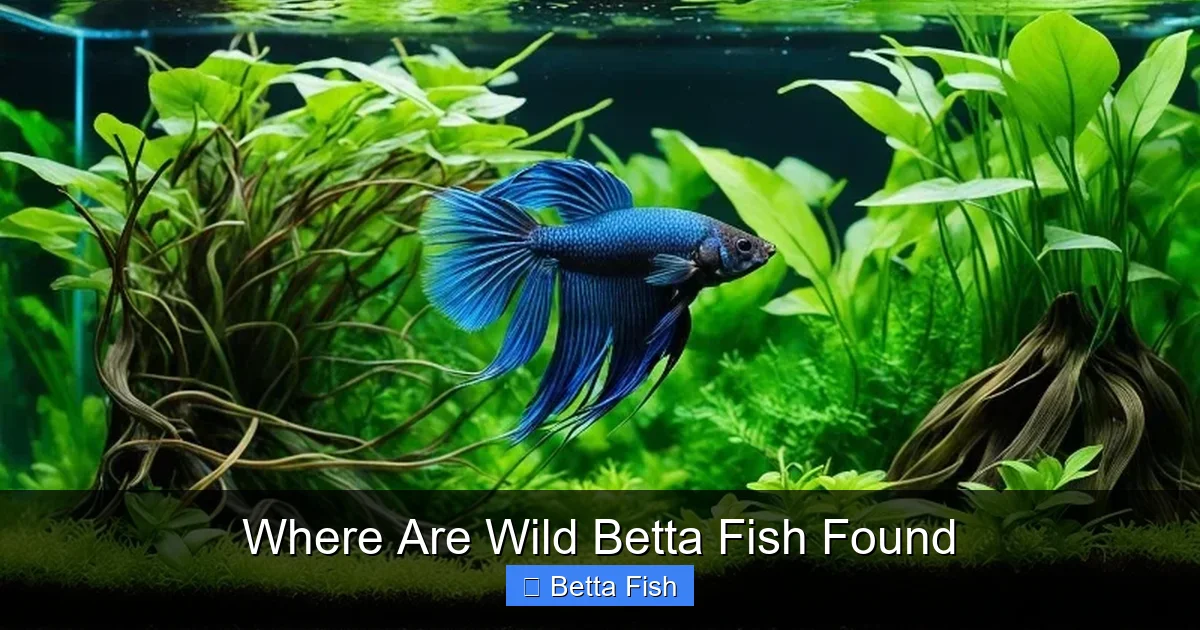
Beyond cultivated fields, wild bettas thrive in natural freshwater marshes, forest swamps, and slow-moving irrigation ditches. These environments share key traits: very slow or negligible current, dense emergent and submerged vegetation (like water hyacinth, Vallisneria, and cryptocorynes), and leaf litter covering the bottom. The leaf litter is vital; it harbors infusoria (microscopic life) for baby bettas to eat and releases tannins that condition the water. The water in these habitats is often dark, “tea-colored” from the tannins, which provides camouflage and reduces sunlight penetration.
Seasonal Floodplains and Temporary Waters
The betta’s ability to survive in isolated puddles is a survival adaptation, not a preferred state. Southeast Asia has a dramatic monsoon climate. The wet season (roughly May to October) brings torrential rains that flood vast lowland areas. Rivers overflow, connecting previously isolated ponds and ditches into a continuous watery landscape. Bettas disperse through this flooded forest, breeding aggressively. Then comes the dry season. The waters recede, leaving bettas trapped in shrinking pools, mud puddles, and the moist leaf litter of the forest floor. It is here that their labyrinth organ becomes a lifesaver, allowing them to gulp atmospheric air as oxygen levels plummet. This cycle of flood and drought has shaped their entire physiology and behavior.
Evolutionary Marvels: Wild Betta Adaptations
The specific conditions of their habitat have driven the evolution of some of the betta’s most famous traits. These aren’t just for show; they are精密 (jīngmì -精密) tools for survival.
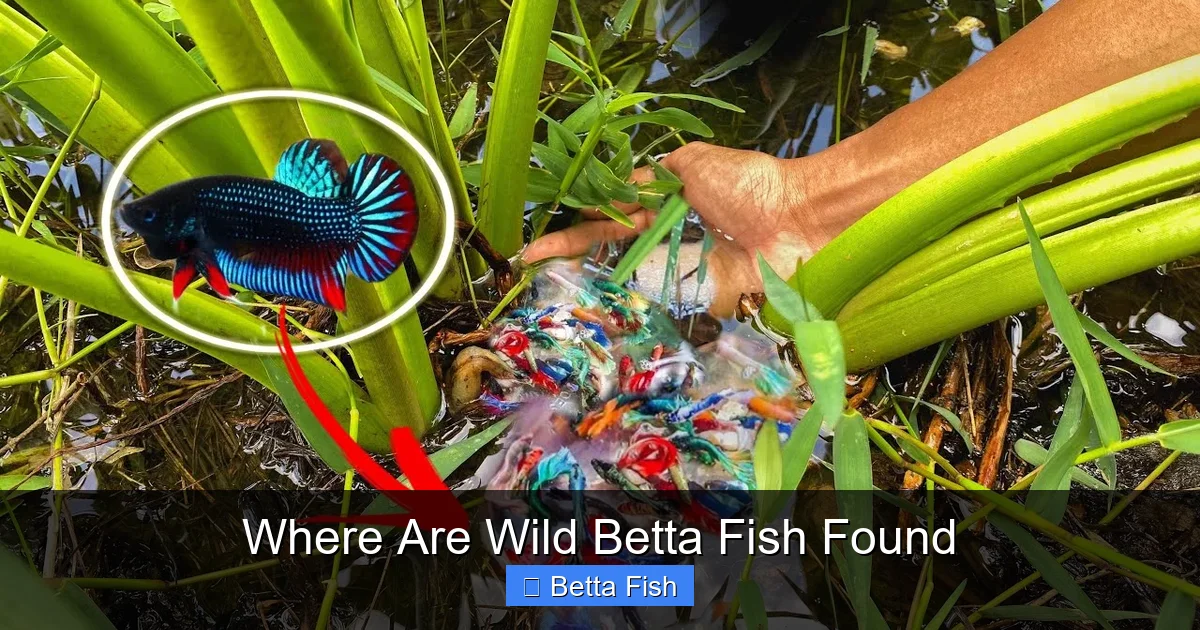
Visual guide about Where Are Wild Betta Fish Found
Image source: i.ytimg.com
The Labyrinth Organ: Breathing Air
The single most important adaptation for a wild betta is its labyrinth organ. This is a folded, vascularized structure located in a chamber above the gills. It allows the fish to extract oxygen directly from the air. This is why you often see a betta come to the surface to take a gulp of air. In the warm, stagnant, plant-choked waters of Thailand, dissolved oxygen levels can drop dangerously low, especially at night or in the dry season. The labyrinth organ is a literal lifeline, enabling them to live in conditions that would suffocate most other fish. This is also why a betta in a tiny, unfiltered vase can survive for a while—it’s using its air-breathing ability to cope with poor water quality, but this is a survival mode, not a healthy existence.
Territoriality and the “Fighting” Instinct
The aggressive reputation of bettas stems from their wild behavior. A male betta in the wild commands a small territory—a patch of plants, a root system, a section of ditch. He will vigorously defend this space from rival males to secure resources and attract females. Fights are dramatic displays of flared gills, extended fins, and sudden charges, but they are usually ritualized and end with one fish retreating. Prolonged, mortal combat is rare in the vast wild, as there is space to flee. In the cramped confines of a small tank or jar, however, this territorial instinct leads to the famous, often fatal, battles that gave them their name. Females are also territorial, especially around nesting sites, but are generally less aggressive than males.
Coloration and Finnage: Camouflage and Communication
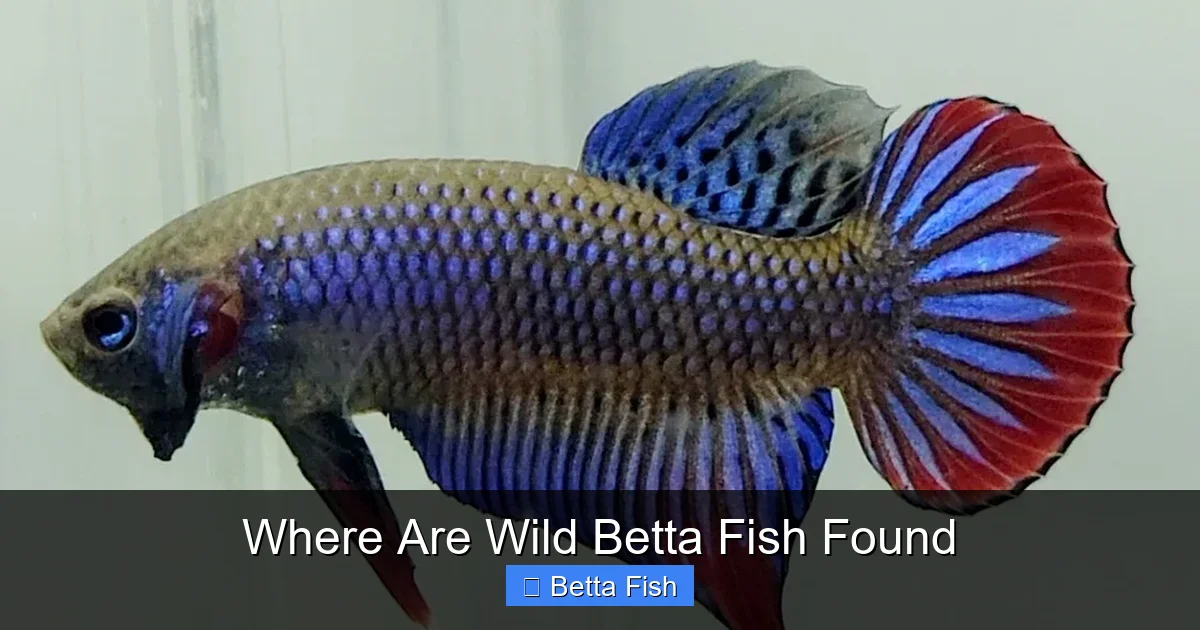
A wild betta is not as vibrantly colored as its domesticated cousins. Typical wild coloration is a muted, earthy palette: olive green, brown, grey, or a dull reddish-brown. This is cryptic coloration, allowing them to blend into the murky, plant-filled waters and avoid predators like herons and kingfishers. The brilliant reds, blues, and iridescent scales of pet bettas are the result of centuries of selective breeding. However, wild males do show enhanced color during aggression or courtship—their fins flare, and red or blue highlights may become more pronounced. Their fins are also much shorter and more practical than the flowing, cumbersome fins of modern varieties, allowing for efficient movement through dense vegetation.
The Vanishing Wild: Conservation Challenges
This is the most critical section of our discussion. The assumption that wild bettas are plentiful because pet store bettas are everywhere is dangerously wrong. Their natural habitats are under siege.
Habitat Loss: The Primary Threat
The biggest threat to wild Betta splendens is the destruction and degradation of its freshwater habitat. Southeast Asia is experiencing rapid economic development. This means:
- Urbanization: Wetlands and marshes are drained for housing, industry, and roads.
- Agriculture: Traditional, diverse rice paddies are being replaced by large-scale, intensively managed farms that use more pesticides and have less marginal vegetation.
- Deforestation: Removal of forest cover increases runoff, silts up waterways, and eliminates the shaded, leaf-littered forest swamps bettas rely on.
- Infrastructure: Dams and water diversion projects alter natural flood cycles, fragment habitats, and change water flow and quality.
As these shallow, vegetated ecosystems disappear, so do the wild bettas that depend on them.
Pollution: A Silent Killer
The waters bettas call home are often the first to receive pollutants. Agricultural runoff (fertilizers, pesticides) causes algal blooms that deplete oxygen and poison sensitive species. Industrial discharge and untreated sewage introduce toxins and pathogens. Plastic waste chokes waterways. These pollutants can directly kill bettas or degrade their habitat to the point where it can no longer support a healthy population. Their tolerance of poor conditions is a survival trait, but it has a limit.
The Pet Trade and Collection Pressure
While not the primary threat, the live aquarium trade exerts pressure on certain local populations. Wild bettas are still collected for the international market, often as “wild-type” specimens for hobbyists seeking genetic diversity. Unregulated or unsustainable collection can deplete local stocks, especially if combined with habitat loss. Furthermore, the demand for colorful bettas drives large-scale commercial breeding, which, while mostly captive, can have indirect environmental impacts through resource use and potential escapees becoming invasive. The IUCN Red List currently lists Betta splendens as “Vulnerable” in the wild, a status that reflects these combined pressures.
Bringing the Wild Into the Home: Ethical Aquarium Practices
So, what does all this mean for the person who simply wants a beautiful, peaceful betta in a tank? Everything. Understanding a betta’s wild origins is the ultimate guide to providing proper, ethical care. It moves us away from the “survival in a vase” myth and toward creating a thriving, healthy life.
Tank Size and Environment: Mimicking the Floodplain
A “vase” or a half-gallon bowl is an insult to this fish’s evolutionary history. In the wild, a male betta might command a territory of several square feet during the wet season. The bare minimum for a captive betta is a 5-gallon (19-liter) tank, but larger is always better. The tank setup must replicate key elements of its wild home:
- Gentle Filtration: Use a sponge filter or a filter with a very low flow setting. Wild bettas come from still waters; strong currents exhaust them and damage their long fins.
- Abundant Vegetation: Live plants are ideal. They provide security, improve water quality, and mimic the dense cover of their habitat. Floating plants like frogbit or water lettuce are excellent for creating a canopy and making the fish feel safe. Silk or live plants with soft leaves are a must; plastic plants can tear delicate fins.
- Hiding Spots: Use driftwood, smooth rocks, ceramic caves, and dense plant thickets. This allows the betta to establish a sense of territory and retreat when stressed.
- Secure Lid: Betta splendens are skilled jumpers. A tight-fitting lid is non-negotiable to prevent escape.
Water Parameters: The Tannin Advantage
Tap water is often too hard and alkaline for wild bettas. Aim for a temperature of 78-80°F (25.5-26.5°C). The pH should be slightly acidic to neutral (6.0-7.0). To soften water and add beneficial tannins, use:
- Indian Almond (Catappa) Leaves: The single best item you can add. They slowly release tannins, lowering pH and hardness, and have mild antifungal/antibacterial properties.
- Driftwood: Also leaches tannins over time.
- Peat Filtration: Can be used in filter media to soften water.
This creates the dark, “tea-stained” water condition that is natural for them and reduces stress. Regular, gentle water changes (25% weekly) with dechlorinated water are essential to manage waste, even with live plants.
Diet: From Microbes to Protein
In the wild, bettas are opportunistic micro-predators. They eat mosquito larvae, tiny crustaceans (like Daphnia), insect larvae, and zooplankton. A good captive diet should reflect this:
- High-Quality Pellets: Use a reputable betta or carnivorous fish pellet as a staple.
- Frozen or Live Foods: Supplement 2-3 times a week with daphnia, brine shrimp, or bloodworms. These provide essential nutrients and fiber.
- Avoid Overfeeding: Their stomach is tiny. A pinch of food once or twice a day is plenty. Overfeeding fouls the water quickly.
This varied diet promotes vibrant color, strong fins, and a robust immune system, directly countering the malnutrition common in poorly kept pet bettas.
Conclusion: A Legacy Worth Protecting
The journey to answer “where are wild betta fish found” takes us from the bustling streets of Bangkok to the quiet, leaf-littered swamps of the Thai countryside. It reveals a fish of remarkable resilience and beauty, perfectly adapted to a specific, seasonal world. The betta in your tank is not just a decoration; it is a living descendant of the wild fish that navigates the monsoon floods and droughts of Southeast Asia. Every swirl of its fin, every gulp of air from the surface, is an echo of that wild legacy.
This knowledge carries a responsibility. By understanding their true nature, we can reject the cruel myth of the “vase fish” and become better, more ethical caretakers. We can provide an environment that honors their instincts for exploration, territory, and security. More broadly, we can support conservation efforts aimed at protecting the vanishing wetlands of Thailand and its neighbors. The wild betta’s future is not guaranteed. But by appreciating its story—a story of survival in mud and water—we can help ensure that its vibrant, labyrinth-breathing descendants continue to thrive, both in our carefully crafted aquariums and, most importantly, in the wild places they call home.
Frequently Asked Questions
Are wild betta fish different from pet store bettas?
Yes. Wild bettas (Betta splendens) have shorter, less elaborate fins and more subdued, camouflaged coloration (greens, browns). Pet store bettas are selectively bred over centuries for dramatic fins and bright colors, making them look quite different from their natural counterparts.
Can I keep a wild-caught betta as a pet?
While possible with great expertise, it is generally not recommended. Wild bettas are more sensitive to water quality, less tolerant of tank mates, and capturing them contributes to wild population pressure. Captive-bred bettas are far hardier and ethically preferable for a home aquarium.
What is the natural lifespan of a wild betta fish?
In the wild, their lifespan is typically shorter, often 2-3 years, due to predation, disease, and harsh seasonal conditions. In optimal captive care that mimics their wild environment, they can live 3-5 years, with some reaching 7-10 years.
Why are wild bettas called “fighting fish”?
The name comes from their intense territorial aggression toward other males. In the wild, they spar to defend small territories and breeding rights. This behavior was historically exploited in gambling matches in Thailand, where fish would fight until one retreated. Modern pet bettas have been bred to enhance this aggression.
How can I help conserve wild betta habitats?
Support reputable conservation organizations focused on Southeast Asian wetlands. Avoid releasing pet fish into the wild. Choose sustainably sourced aquarium products. Most importantly, spread awareness about their wild origins and the threats they face, advocating for wetland preservation.
Do wild bettas build bubble nests in the wild?
Yes, absolutely. The male wild betta is a dedicated bubble nester. He builds a nest of air bubbles coated with saliva on the water’s surface, typically under an overhanging leaf or plant stem, to house and protect his eggs and fry after spawning. This behavior is identical to that seen in captivity.