Can Guppies and Betta Fish Be in the Same Tank
Can guppies and betta fish be in the same tank? It’s possible, but it’s risky and requires careful planning. Betta fish are territorial and may attack colorful, long-finned guppies. Success depends on tank size, betta temperament, and proper setup. This guide covers everything you need to know before attempting this combination.
Key Takeaways
- It’s possible but not guaranteed: Some bettas tolerate guppies while others attack them on sight. Individual temperament plays a huge role.
- Tank size matters enormously: A minimum 20-gallon tank is recommended to give both species enough space and reduce territorial aggression.
- Male bettas are the most aggressive: Male bettas with long, flowing fins are especially territorial and more likely to see guppies as rivals.
- Guppy appearance triggers aggression: Brightly colored guppies with long fins resemble rival bettas, making them prime targets for attacks.
- Proper tank setup is essential: Heavy planting, hiding spots, and visual barriers help reduce stress and give guppies places to escape.
- Always have a backup plan: Be ready to separate the fish immediately if aggression occurs. Keep a spare tank or divider on hand.
- Monitor constantly in early days: The first 48-72 hours are critical. Watch for chasing, fin nipping, or signs of stress in either species.
📑 Table of Contents
- Can Guppies and Betta Fish Be in the Same Tank?
- Understanding Betta Fish Temperament
- Why Guppies Are Tricky Tank Mates for Bettas
- Tank Requirements for Housing Guppies and Bettas Together
- Setting Up the Tank for Success
- Choosing the Right Guppies
- Monitoring and Managing Aggression
- Common Mistakes to Avoid
- Safer Alternatives to Guppies
- Final Thoughts on Keeping Guppies and Bettas Together
Can Guppies and Betta Fish Be in the Same Tank?
If you’ve ever walked into a pet store and admired both betta fish and guppies, you’ve probably wondered if these two beautiful species could share a tank. It’s one of the most common questions in the freshwater aquarium hobby. The short answer is yes, it’s possible. But the longer answer comes with a lot of important caveats.
Betta fish are known for their stunning colors and dramatic fins. Guppies are famous for their bright patterns and active swimming. On paper, they seem like perfect tank mates. Both enjoy similar water conditions. Both are tropical freshwater fish. Both are popular among beginners. But here’s the thing — betta fish have a reputation for aggression that makes this combination a gamble.
In this article, we’ll break down everything you need to know about keeping guppies and betta fish together. We’ll cover why it can go wrong, what conditions improve your chances of success, and how to set up a tank that gives both species the best shot at peaceful coexistence. Let’s dive in.
Understanding Betta Fish Temperament
Why Are Bettas So Aggressive?
To understand whether guppies and betta fish can coexist, you first need to understand what makes bettas tick. Betta splendens, the species most commonly kept as pets, are naturally territorial fish. In the wild, they inhabit shallow rice paddies, ponds, and slow-moving streams in Southeast Asia. Males in particular defend their territory fiercely against other males.
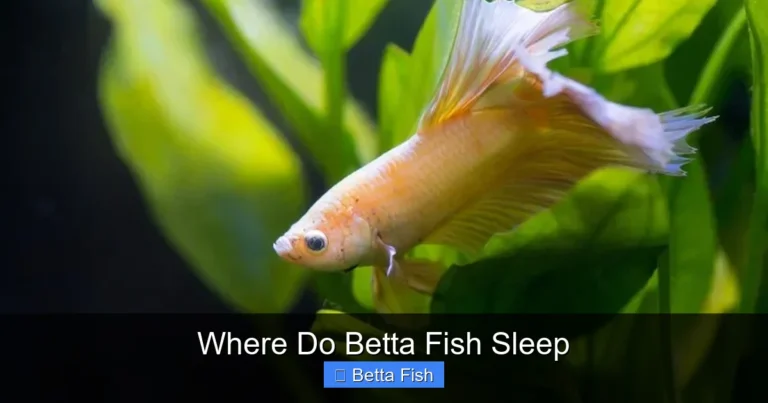
This territorial instinct doesn’t disappear in a home aquarium. A male betta will flare his gills, spread his fins, and attack anything he perceives as a threat. Unfortunately, a brightly colored guppy with flowing fins can look a lot like a rival betta. This is the root of the problem.
Not All Bettas Are the Same
Here’s some good news. Not every betta is a killing machine. Individual temperament varies widely. Some bettas are surprisingly docile and ignore tank mates entirely. Others will attack anything that moves. Female bettas tend to be less aggressive than males, though they can still be territorial.
The problem is that you won’t know your betta’s personality until you test it. That’s why keeping guppies and betta fish together always carries some risk. If you’re curious about how bettas interact with their own kind, check out our guide on can two male betta fish be in the same tank for more insight into their social behavior.
Why Guppies Are Tricky Tank Mates for Bettas
The Color and Fin Problem
Guppies are gorgeous fish. That’s their appeal. But their beauty is exactly what makes them dangerous tank mates for bettas. Male guppies display vibrant colors — reds, blues, greens, and yellows. Many varieties have long, flowing tail fins. To a betta fish, a male guppy looks like a smaller, less intimidating version of a rival male betta.
This visual similarity triggers the betta’s aggression response. The betta doesn’t think, “Oh, that’s a different species.” He thinks, “That’s another betta in my territory.” And he responds accordingly.
Guppy Behavior Adds to the Problem
Guppies are active, fast-swimming fish. They zip around the tank constantly. This high-energy behavior can stress out a betta, who prefers calmer surroundings. A betta that feels stressed is more likely to lash out. Additionally, guppies are curious fish. They may approach the betta to investigate, which the betta can interpret as a challenge.
Female guppies are generally a safer choice than males. They’re less colorful and have shorter fins. They don’t trigger the betta’s aggression response as strongly. If you’re determined to try this combination, starting with female guppies significantly improves your odds.
Tank Requirements for Housing Guppies and Bettas Together
Size Matters More Than Anything
If there’s one factor that can make or break this combination, it’s tank size. A small tank is a recipe for disaster. In a cramped space, the betta can easily corner and attack guppies. There’s nowhere for the guppies to escape, and the betta’s territory covers the entire tank.
The absolute minimum tank size for keeping guppies and betta fish together is 20 gallons. A 20-gallon long tank is even better than a 20-gallon tall tank because it provides more horizontal swimming space. Larger tanks dilute territorial behavior. The betta can claim one area as his own while the guppies occupy another. If you’re unsure about proper sizing, our article on how big should a tank be for a betta fish provides detailed guidance.
Water Parameters Both Species Need
The good news is that bettas and guppies thrive in similar water conditions. Both prefer warm water between 76°F and 82°F. A quality aquarium heater is essential. Both do best in water with a pH between 6.8 and 7.8. Gentle filtration is important because bettas dislike strong currents.
Regular water changes are critical in a community tank. Aim for 25% weekly water changes to keep ammonia and nitrite levels at zero. Poor water quality stresses fish and increases aggression. For step-by-step instructions, see our guide on how to change the water in a betta fish tank.
Setting Up the Tank for Success
Heavy Planting Is Non-Negotiable
A bare tank is a dangerous tank when mixing species. You need to create a heavily planted environment with plenty of hiding spots. Live plants like Java fern, Anubias, Amazon sword, and hornwort are excellent choices. They provide cover for guppies and break up sight lines so the betta can’t see the entire tank at once.
Floating plants like water sprite or frogbit are especially useful. Bettas love resting near the surface, and floating plants give them a sense of security. They also create shaded areas where guppies can retreat if chased.
Add Decorations and Hiding Spots
Beyond plants, add caves, driftwood, and rock formations. These create physical barriers and escape routes. Guppies are fast swimmers, but they need places to hide when the betta gives chase. Ceramic caves, PVC pipes, and dense plant thickets all work well.
Arrange the tank so there are multiple distinct zones. The betta should be able to claim one area without feeling the need to patrol the entire tank. Visual barriers like tall plants or decorations help divide the space naturally.
Introduce the Guppies First
Here’s a pro tip that many experienced aquarists swear by. Add the guppies to the tank before introducing the betta. This way, the guppies establish themselves in the environment first. When the betta is added later, he enters a space that already smells like other fish. He’s less likely to view the entire tank as his exclusive territory.
If you add the betta first, he’ll claim the whole tank as his domain. Every guppy that enters afterward is seen as an invader. Reversing the order can make a real difference.
Choosing the Right Guppies
Female Guppies Over Male Guppies
We mentioned this earlier, but it bears repeating. If you’re going to try keeping guppies and betta fish together, choose female guppies. They’re less colorful, have shorter fins, and don’t trigger the betta’s aggression as readily. A group of 4-6 female guppies is ideal. They’ll school together and feel more confident in numbers.
If you must use male guppies, choose varieties with shorter fins and less intense coloration. Avoid fancy guppy strains with elaborate tail patterns. The plainer the guppy, the safer it is.
Keep Guppies in Groups
Guppies are social fish that do best in groups. A single guppy will be stressed and vulnerable. A group of guppies spreads out the betta’s attention. If the betta chases one guppy, the others can escape. Aim for at least 4-6 guppies. More is better in a larger tank.
Monitoring and Managing Aggression
The Critical First 72 Hours
The first three days after introducing guppies and betta fish together are the most important. Watch the tank closely during this period. Some chasing is normal as the betta establishes dominance. But there’s a difference between mild posturing and genuine attacks.
Signs of dangerous aggression include relentless chasing, fin nipping, the betta cornering guppies, and guppies hiding constantly. If you see torn fins, missing scales, or a guppy that can’t eat because it’s too scared to come out, you need to separate them immediately.
Have a Backup Plan Ready
Before you even attempt this combination, prepare a backup. Keep a spare tank, a tank divider, or a breeding box on hand. If things go wrong, you need to act fast. A stressed guppy can die from exhaustion or injury within hours. Don’t wait and hope the situation improves on its own.
Some aquarists use a tank divider for the first week. This lets the betta and guppies see each other without physical contact. It’s a good way to gauge the betta’s reaction before committing to a full introduction.
When to Give Up
Sometimes, despite your best efforts, a betta simply won’t tolerate tank mates. If aggression continues after a week of careful monitoring, it’s time to separate them permanently. No amount of tank rearranging will change a betta’s fundamental personality. It’s not worth risking the lives of your guppies.
For more information on compatible companions, explore our article on which fish can live with betta fish in a tank for safer alternatives.
Common Mistakes to Avoid
Using a Tank That’s Too Small
This is the number one mistake. People try to keep a betta and guppies in a 5-gallon or 10-gallon tank. It almost never works. The betta dominates the entire space, and the guppies have nowhere to go. Always use at least a 20-gallon tank.
Adding Too Many Guppies
Overcrowding creates stress for everyone. A 20-gallon tank can comfortably house one betta and 4-6 guppies. Adding more than that leads to poor water quality and increased aggression. Remember that guppies breed rapidly. What starts as 6 guppies can become 30 in a matter of months.
Ignoring Water Quality
A community tank produces more waste than a single-species tank. Neglecting water changes leads to ammonia spikes, which stress fish and make bettas more aggressive. Stay on top of your maintenance schedule.
Choosing the Wrong Betta
Some bettas are simply too aggressive to live with any tank mates. If your betta attacks his own reflection constantly, flares at everything that moves, or has a history of killing other fish, don’t test him with guppies. He’s telling you he wants to live alone.
Safer Alternatives to Guppies
If the risk of keeping guppies and betta fish together feels too high, there are safer tank mate options. Bottom-dwelling fish like Corydoras catfish are excellent choices. They occupy a different part of the tank and don’t resemble bettas at all. Kuhli loaches are another good option.
Small, fast-moving fish like neon tetras or ember tetras can also work. They’re quick enough to avoid a betta and don’t have the flashy fins that trigger aggression. Shrimp like Amano shrimp or cherry shrimp are popular choices too, though some bettas will eat them.
For a comprehensive list of compatible species, check out our guide on what can be in a tank with betta fish.
Final Thoughts on Keeping Guppies and Bettas Together
So, can guppies and betta fish be in the same tank? Yes, but it’s far from a sure thing. Success depends on your betta’s individual personality, the size of your tank, the type of guppies you choose, and how well you set up the environment. Even with perfect conditions, there’s always a risk.
If you decide to try it, go in with realistic expectations. Use a large, heavily planted tank. Choose female guppies over males. Introduce the guppies first. Monitor closely. And always have a separation plan ready. The safety of your fish should always come first.
At the end of the day, betta fish are stunning display fish that often do best alone. A well-decorated species-only tank can be just as beautiful as a community setup — without the stress or risk. But if you’re an experienced aquarist willing to put in the work, keeping guppies and betta fish together can be a rewarding challenge.
Frequently Asked Questions
Can guppies and betta fish live together peacefully?
Some bettas and guppies can coexist peacefully, but it depends entirely on the individual betta’s temperament. Male bettas are more likely to attack guppies, especially colorful males with long fins. Female guppies in a large, heavily planted tank offer the best chance of success.
What size tank do I need for guppies and a betta fish?
You need a minimum of a 20-gallon tank to keep guppies and a betta fish together. A 20-gallon long tank is ideal because it provides more horizontal swimming space. Larger tanks reduce territorial aggression by giving each species room to establish its own area.
Will my betta fish kill my guppies?
There is always a risk that a betta will attack or kill guppies. Brightly colored male guppies with flowing fins are most at risk because they resemble rival bettas. Female guppies with shorter fins are safer, but no combination is completely risk-free.
Should I add the betta or guppies to the tank first?
Add the guppies to the tank first, before the betta. This allows the guppies to establish themselves in the environment. When the betta is introduced later, he’s less likely to view the entire tank as his exclusive territory.
How do I know if my betta is too aggressive for tank mates?
Signs of an overly aggressive betta include constant flaring at his reflection, attacking the glass, chasing your hand, and relentless aggression during feeding. If your betta displays these behaviors, he’s best kept alone without any tank mates.
What are safer alternatives to guppies as betta tank mates?
Safer alternatives include Corydoras catfish, kuhli loaches, neon tetras, and ember tetras. These fish either occupy a different area of the tank or don’t have the flashy appearance that triggers betta aggression. Bottom dwellers are generally the safest choice.