How Much Does It Cost to Raise a Betta Fish
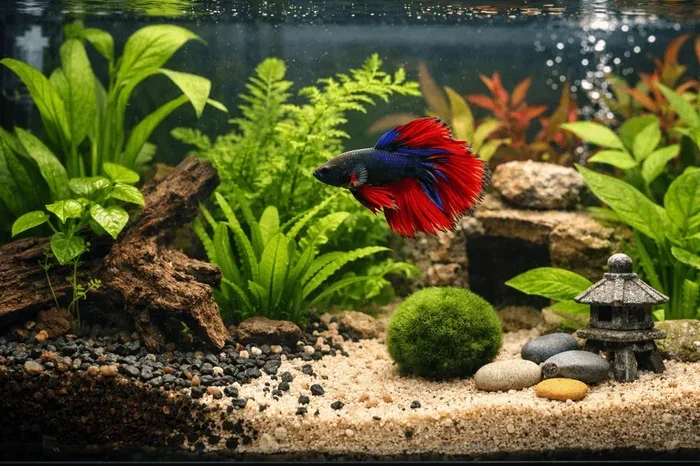
Raising a betta fish is more affordable than most people think. The total cost ranges from around $50 for a basic setup to $250+ for a premium habitat. This guide covers every expense so you can plan your budget before bringing your betta home. Knowing the real cost of betta fish ownership helps you avoid surprises and give your fish the best life possible.
Key Takeaways
- Basic setup costs $50-$100: A small tank, filter, heater, and decorations will cover the essentials for your betta.
- Monthly food costs are low: Expect to spend just $5-$10 per month on high-quality betta food.
- Water changes are ongoing: Water conditioner and maintenance supplies add roughly $5-$15 per month.
- Optional upgrades add up: Plants, lights, and fancy decorations can push costs higher but aren’t required.
- Veterinary care is rare but possible: Budget a small emergency fund for unexpected health issues.
- A bigger tank saves money long-term: Larger tanks are more stable and need fewer frequent water changes.
📑 Table of Contents
- How Much Does It Cost to Raise a Betta Fish?
- Initial Costs: Setting Up Your Betta’s Home
- Monthly Costs of Feeding a Betta Fish
- Ongoing Maintenance Costs
- Optional but Helpful Extras
- Unexpected Costs to Plan For
- How Much Does It Really Cost to Raise a Betta Fish? The Full Picture
- Money-Saving Tips for Betta Owners
- Common Mistakes That Increase Costs
- Expert Insights on Budgeting for Betta Care
- Conclusion
How Much Does It Cost to Raise a Betta Fish?
So you’re thinking about getting a betta fish, or you just brought one home. Either way, you probably wonder how much it actually costs to raise a betta fish properly. The answer might surprise you. While bettas are some of the most popular freshwater fish in the world, many people underestimate what goes into keeping them healthy and happy.
The good news is that betta fish care on a budget is totally doable. You don’t need a fancy setup or expensive equipment to keep your betta thriving. But you do need to plan ahead. Skimping on essentials like water heating or tank size can lead to health problems — and that costs more in the long run.
In this guide, we’ll break down every single cost involved in raising a betta fish. From the initial tank setup to monthly food bills and everything in between, you’ll know exactly what to expect. Let’s dive in.
Initial Costs: Setting Up Your Betta’s Home
The biggest chunk of money you’ll spend upfront is the betta fish tank setup. This includes the tank itself plus all the gear your fish needs to survive and thrive. Let’s look at what you actually need.
The Tank
Most pet stores sell bettas in tiny cups or bowls. That can trick people into thinking bettas need very little space. But a 5-gallon tank is really the minimum for a healthy betta. Smaller tanks like bowls or 1-gallon containers are harder to keep clean and the water quality drops fast.
A decent 5-gallon tank runs about $20 to $40. If you want something bigger — like a 10-gallon tank — expect to pay $30 to $60. Larger tanks actually cost less per gallon and give your betta more room to swim. They’re also easier to maintain because the water chemistry stays more stable.
Filter
Bettas don’t need super strong filtration, but a small hang-on-back filter or sponge filter makes your life a lot easier. Filters help remove waste and keep the water cleaner between water changes. A basic filter costs around $15 to $30.
Some betta owners skip filters in very small bowls, but that means doing daily water changes. If you want a low-maintenance routine, a filter is worth the investment.
Heater
This is non-negotiable. Betta fish are tropical. They need water temperatures between 76°F and 82°F to stay healthy. Room temperature water often drops below that, especially in winter.
A small submersible heater for a 5-gallon tank costs about $10 to $20. Get one with a built-in thermostat so it shuts off if it overheats. Cheap heaters without thermostats can burn your fish or fail to regulate temperature properly.
Substrate, Decorations, and Plants
You’ll also want some substrate (gravel or sand) for the bottom of the tank. A small bag runs $5 to $10. Betta-safe decorations like caves, driftwood, or smooth rocks add another $10 to $20. Live or silk plants cost $5 to $15 each, but plastic plants work too.
Avoid anything with sharp edges. Betta fins are delicate and can tear easily on rough decorations.
Total Initial Setup Cost
Here’s a quick breakdown:
- 5-gallon tank: $20–$40
- Filter: $15–$30
- Heater: $10–$20
- Substrate: $5–$10
- Decorations and plants: $15–$30
- Water conditioner: $5–$10
Total: $70 to $150 for a solid, budget-friendly setup. You can go cheaper if you buy used equipment or skip a few decorations. But don’t cut corners on the heater or tank size.
Monthly Costs of Feeding a Betta Fish
Food is one of the simplest ongoing expenses. Betta fish have small stomachs and don’t eat much. But the quality of food matters a lot.
How Much Does Betta Food Cost?
A good-quality betta pellet or flake food costs around $5 to $10 for a jar that lasts several weeks. Premium brands with higher protein content tend to be a bit pricier but keep your betta healthier and more colorful.
You can also supplement with frozen or freeze-dried foods like bloodworms and brine shrimp. These cost about $5 to $10 per pack and make great treats. But they shouldn’t replace a quality staple food.
How Often to Feed
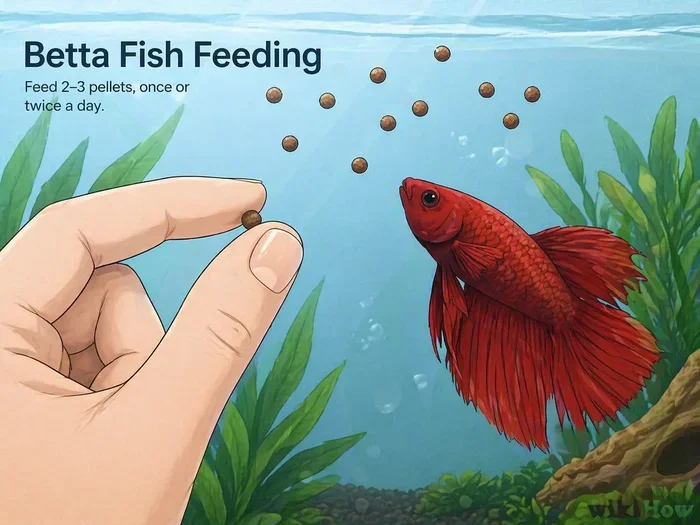
Feeding your betta 2 to 3 times a day with small portions is ideal. Overfeeding is one of the most common mistakes new owners make. Uneaten food rots in the tank and pollutes the water, which leads to more frequent cleaning and higher costs.
Monthly food cost: about $5 to $10. That’s it. Betta fish are very budget-friendly when it comes to feeding.
Ongoing Maintenance Costs
Keeping your betta’s water clean and safe is the biggest recurring expense. Let’s break it down.
Water Conditioner
Tap water contains chlorine and chloramines that are harmful to fish. You need a water conditioner to make it safe every time you do a water change. A bottle costs $5 to $10 and lasts several months. So the monthly cost is roughly $2 to $5.
Water Changes
You should change about 25% to 50% of the tank water every 1 to 2 weeks. A Python water changer or gravel vacuum makes this easier and costs $10 to $20. But the water itself is basically free from your tap.
Filter Maintenance
Filter cartridges need replacing every 4 to 6 weeks. Replacement cartridges cost around $5 to $10 each. Some people rinse sponges in old tank water instead of buying new ones, which saves money.
Electricity
This is often overlooked. Your heater, filter, and any lighting all use electricity. For a small 5-gallon setup, expect an extra $3 to $8 per month on your electric bill. It’s not huge, but it’s worth factoring in.
Total Monthly Maintenance: $10 to $20
This covers conditioner, filter cartridges, and basic supplies. If you add live plants or specialty treatments, it can creep a bit higher.
Optional but Helpful Extras
Once your betta is settled in, you might want to add some extras. These aren’t required, but they improve your fish’s quality of life and make the tank look great.
LED Lighting
A small LED light for a 5-gallon tank costs $10 to $25. It helps if you have live plants and makes the tank look much better. LED lights also use very little electricity.
Live Plants
Live plants naturally filter the water and give your betta something to explore. Cheap options like java fern or anubias nana cost $5 to $10 each. They’re hardy and don’t need special lighting.
Betta Hammock or Rest Spot
Some bettas like to rest near the surface. A small hammock or plant leaf near the top gives them a cozy spot. These cost $5 to $15 and aren’t essential but many bettas enjoy them.
Thermometer
You should always know the water temperature. A simple stick-on thermometer costs $3 to $5 and sticks right to the inside of the tank glass.
Unexpected Costs to Plan For
Even with the best care, things can go wrong. Planning for the unexpected saves you from stressful surprises.
Medications and Treatments
Bettas can develop issues like ich, fin rot, or bloating. Medications for these conditions cost $10 to $20 per bottle. Most common treatments work well if caught early. But prevention through good water quality is always cheaper than treatment.
Emergency Betta Care
If your betta gets seriously sick, you might need to quarantine it in a smaller hospital tank. A basic 1-gallon container costs $5 to $10. You’ll also need extra water conditioner and possibly salt for treatment baths.
Replacement Equipment
Heaters and filters don’t last forever. A broken heater or failing filter needs prompt replacement. Budget a small amount each month for potential equipment swaps. This keeps your betta safe and avoids costly emergencies.
How Much Does It Really Cost to Raise a Betta Fish? The Full Picture
Let’s look at the big picture. Here’s what a typical betta fish owner spends over the first year and then each year after that.
Year One Costs
- Tank and equipment setup: $70 to $150
- Fish purchase: $5 to $30 (depending on the variety)
- First month of food and supplies: $10 to $20
- Optional extras: $20 to $50
Year one total: roughly $105 to $250.
Year Two and Beyond
After the initial setup, costs drop a lot. You won’t need to buy a new tank or heater unless something breaks.
- Monthly food: $5 to $10
- Monthly supplies: $10 to $20
- Annual equipment replacement: $10 to $30
Yearly cost after year one: about $80 to $180 per year.
That works out to roughly $7 to $15 per month on an ongoing basis. For comparison, many other pets cost far more. A betta fish is genuinely one of the most affordable pets you can own.
Money-Saving Tips for Betta Owners
Not everyone wants to spend a lot. Here are some smart ways to cut costs without sacrificing your betta’s health.
Buy Equipment Online
Online retailers often have better prices than pet stores. You can find quality filters, heaters, and tanks at discounts. Just make sure you’re buying from reputable sellers.
DIY Where Possible
Making your own tank divider or using natural driftwood from outside (properly cleaned) saves money. Many betta owners enjoy crafting decorations at home. Just avoid anything toxic to fish.
Buy Food in Bulk
Larger containers of betta pellets are usually cheaper per ounce. Just store them in a cool, dry place so they stay fresh. You can also mix in homemade foods like cooked peas as a budget-friendly supplement.
Master Water Changes
Learning to do water changes properly prevents most health problems. Healthy fish don’t need medications. A $5 bottle of water conditioner goes a long way when you stay on top of maintenance.
Common Mistakes That Increase Costs
Avoiding these pitfalls keeps more money in your pocket and keeps your betta healthier.
- Buying a too-small tank: Bowls and cups seem cheap upfront but lead to constant water changes and health issues.
- Skipping the heater: Cold water weakens your betta’s immune system. That leads to expensive medications later.
- Overfeeding: Uneaten food fouls the water fast and causes health problems that cost money to treat.
- Ignoring water quality: Testing strips and regular water changes prevent most diseases. Skipping them means costly treatments.
- Cheap equipment: A $3 heater that doesn’t work properly can kill your fish. Spend a little more for reliability.
Expert Insights on Budgeting for Betta Care
Experienced betta keepers often say the same thing: invest a little more upfront and save a lot later. A quality tank, reliable heater, and good filter create a stable environment. That means fewer sick days, fewer medications, and a happier fish.
Many experts also recommend joining online betta communities. These groups are full of tips on budget-friendly care, DIY projects, and where to find the best deals. Learning from others who’ve raised bettas for years is incredibly valuable.
Quality betta care doesn’t have to be expensive. With smart planning and a little research, you can give your betta a wonderful life without breaking the bank.
Conclusion
So how much does it cost to raise a betta fish? The truth is, it’s one of the most affordable pets you can own. A basic setup costs between $70 and $150. Monthly care runs about $15 to $25. And ongoing yearly expenses stay well under $200.
Raising a betta fish on a budget is completely realistic. Focus on the essentials: a properly sized tank, a reliable heater, a good filter, and quality food. Skip the gimmicks and invest in things that actually impact your fish’s health. Your betta will reward you with vibrant colors, active swimming, and years of companionship.
Now you know exactly what to budget for. Plan ahead, set up a proper home, and enjoy the journey of raising a beautiful betta fish. You’ve got this!
Frequently Asked Questions
How much does a betta fish cost to buy?
A standard betta fish typically costs between $5 and $30 depending on the color, fin type, and where you buy it. Rare or show-quality bettas can cost more, but most pet store bettas are affordable and make great pets.
Do betta fish need a heater?
Yes. Betta fish are tropical and need water temperatures between 76°F and 82°F. Without a heater, room temperature water can drop too low, which weakens their immune system and leads to health problems.
What is the cheapest way to set up a betta tank?
The cheapest solid setup is a 5-gallon tank with a basic filter, small heater, gravel substrate, and a few decorations. Buying equipment online or during sales can help you save money. Avoid using tiny bowls — they end up costing more in health and maintenance.
How much does betta fish food cost per month?
Expect to spend about $5 to $10 per month on quality betta food. A single jar of pellets lasts several weeks. Freeze-dried treats like bloodworms add a few extra dollars but aren’t required every month.
Are betta fish expensive to maintain?
No. Betta fish are very low-cost to maintain compared to most pets. Monthly expenses for food, water conditioner, and filter supplies typically total $15 to $25. Annual costs stay well under $200 in most cases.
Can I keep a betta fish in a bowl to save money?
You can, but it’s not recommended. Bowls are hard to keep clean and don’t hold heat well. A 5-gallon tank is a better investment that saves you money on water changes and treatments over time. Your betta will also live a healthier, happier life.