Why Does My Betta Fish Have Holes in His Fins
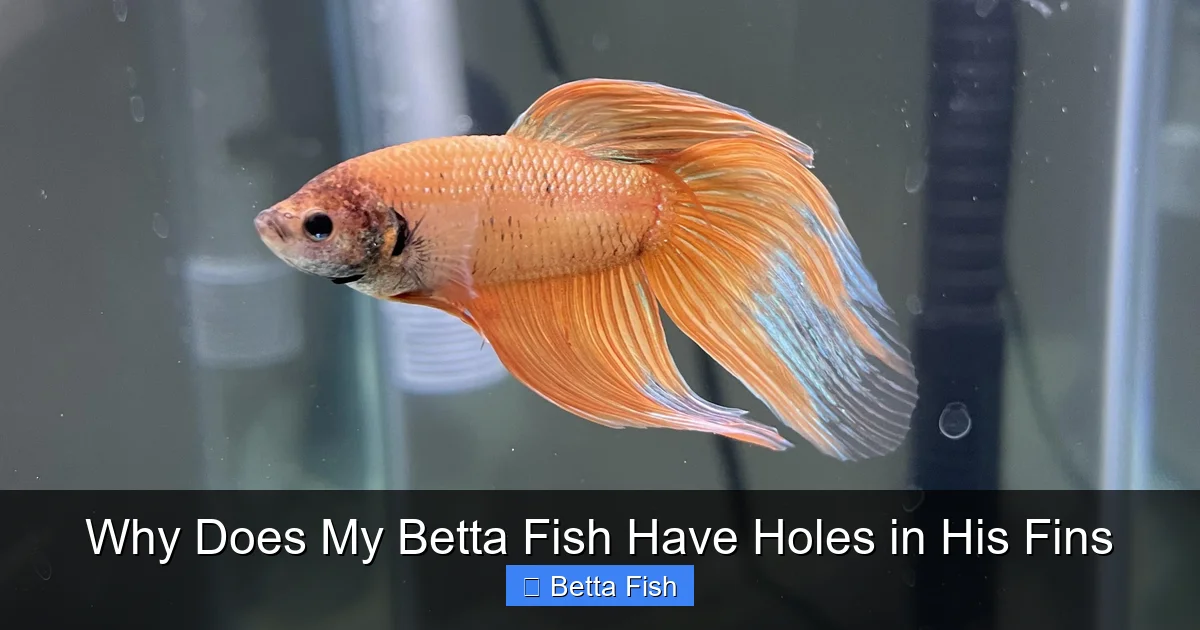
Seeing holes in your betta’s fins can be alarming, but it’s often a sign of a treatable issue. This guide explains the common reasons—like fin rot, parasites, and poor water conditions—and offers clear steps to heal and prevent further damage. Act fast, and your betta can regain its beautiful, full fins.
Key Takeaways
- Fin rot is the top cause: Bacterial infection creates ragged holes and requires prompt treatment.
- Parasites also bite: Ich and velvet can puncture fins, needing specific medication.
- Water quality matters: High ammonia or low temperature weakens fins and invites disease.
- Nutrition supports healing: High‑protein foods and vitamins speed recovery.
- Quarantine new fish: Prevents the spread of pathogens that cause fin damage.
- Regular tank maintenance: Weekly water changes and filter checks reduce risk.
- Early detection saves lives: Spotting tiny holes early can stop a full‑blown outbreak.
📑 Table of Contents
Introduction
Betta fish are famous for their dazzling colors and flowing fins. When those fins start to look like Swiss cheese, most owners panic. “Why does my betta fish have holes in his fins?” is a question that pops up in forums, hobby shops, and even the occasional YouTube comment.
Don’t worry—holes don’t always mean a hopeless situation. In many cases, they’re a symptom of an underlying problem that you can fix with the right care. This article walks you through the most common culprits, how to diagnose them, and step‑by‑step treatment plans. By the end, you’ll feel confident enough to give your betta the help it needs.
1. Understanding Fin Anatomy
What a Betta’s Fin Looks Like
A healthy betta has smooth, continuous fins—dorsal, caudal, anal, and the beautiful pectoral and pelvic fins. Each fin is made of tiny fin rays covered by a thin membrane. When the membrane is damaged, it appears as holes, tears, or ragged edges.
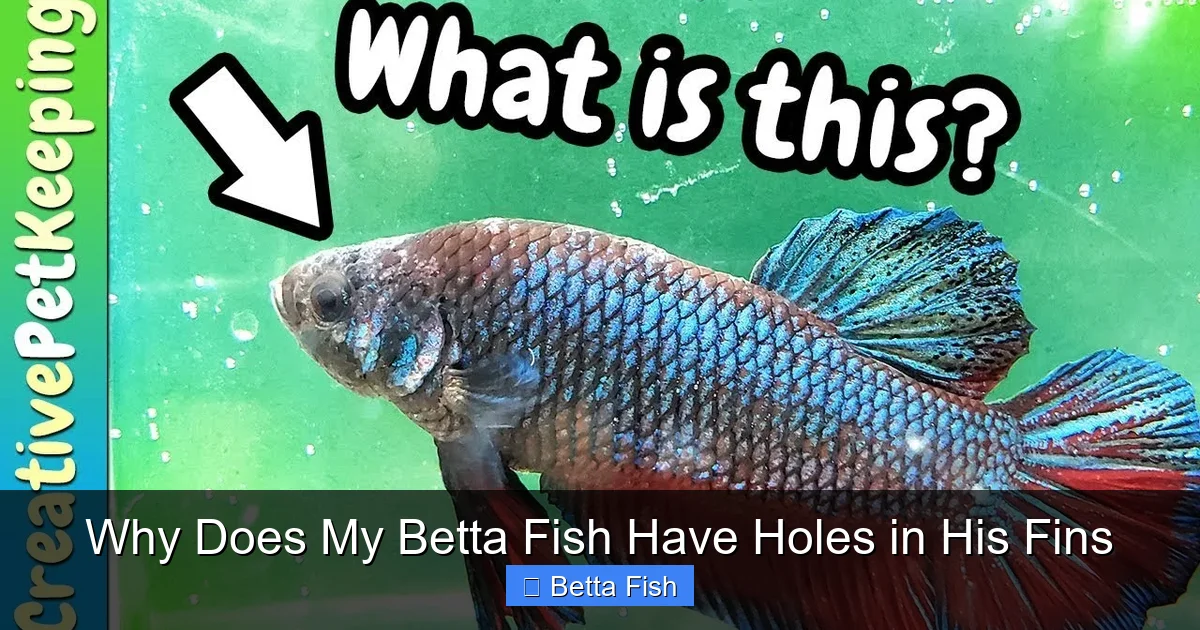
Visual guide about Why Does My Betta Fish Have Holes in His Fins
Image source: i.ytimg.com
Why Fins Are Vulnerable
Fins are constantly moving, rubbing against décor, and exposed to water microbes. Any stress—poor water, aggressive tank mates, or low nutrition—can weaken the membrane, making it an easy target for bacteria and parasites.
2. The Usual Suspects: Common Causes of Holes
Fin Rot (Bacterial Infection)
Fin rot is the most frequent cause of holes. It starts as a small notch, then spreads, turning the fin edge white, then black, and finally creating a hole. The bacteria thrive in warm, dirty water.
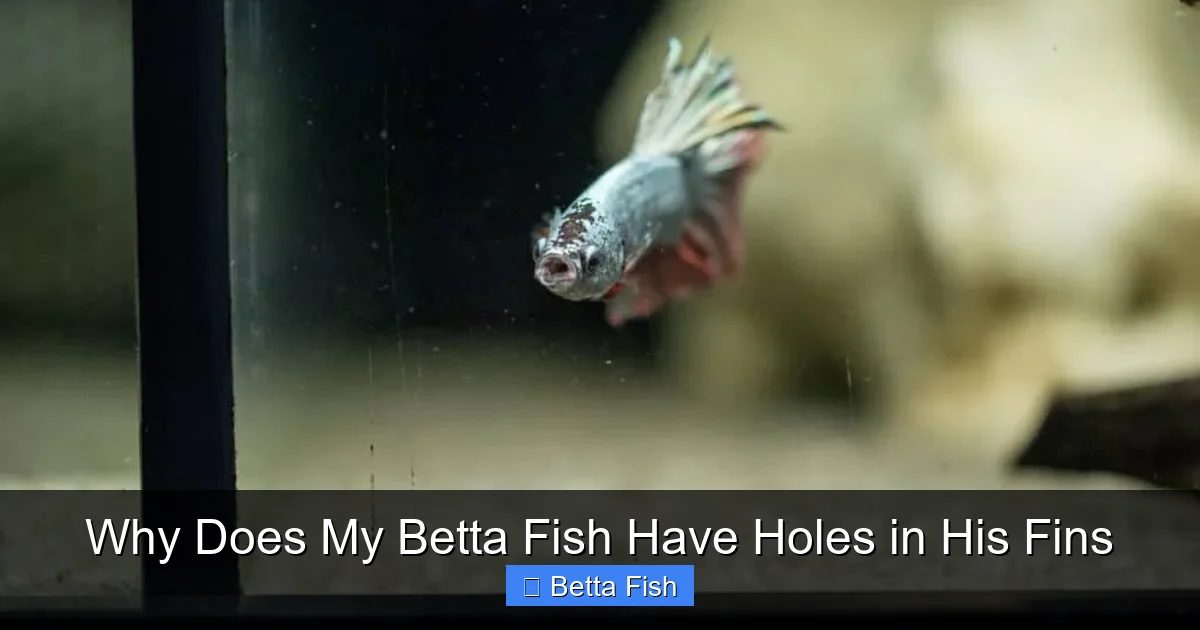
Visual guide about Why Does My Betta Fish Have Holes in His Fins
Image source: aquariadise.com
Learn more about why betta fish lose their fins and how to spot the early signs.
Parasites: Ich and Velvet
Both Ich (Ichthyophthirius multifiliis) and velvet (Piscinoodinium) can bite through fin tissue. You’ll notice tiny white spots or a dusty gold sheen before the holes appear.
Physical Trauma
Sharp décor, aggressive tank mates, or even a sudden splash can tear fins. The tear may start small and then the edges can fray, looking like holes.
Water Quality Issues
High ammonia, nitrite, or a sudden temperature drop weakens the immune system. A stressed betta can develop fin holes without any visible infection.
Nutritional Deficiencies
Betas need high‑protein diets rich in omega‑3 fatty acids. A diet lacking these nutrients can cause slow fin growth and make existing damage worse.
3. Diagnosing the Problem
Step‑by‑Step Inspection
- Observe behavior: Is the betta swimming normally or rubbing against objects?
- Check water parameters: Test ammonia, nitrite, nitrate, and temperature.
- Look for other symptoms: White spots, cotton‑like growth, or discoloration.
- Examine the holes: Are they clean cuts (trauma) or ragged edges (infection)?
When to Seek Professional Help
If the holes spread quickly, the fin tissue turns black, or your betta stops eating, it’s time to consult a vet or a knowledgeable aquarium store.
4. Treatment Options
Fin Rot Treatment
1. Separate the betta: Move it to a quarantine tank to prevent spreading.
2. Improve water quality: Perform a 25‑30% water change with dechlorinated water.
3. Medication: Use a broad‑spectrum antibiotic such as Maracyn or a commercial fin rot cure. Follow the label for dosage.
4. Salt bath: A 1‑gram aquarium salt per gallon for 30 minutes can help reduce bacterial load.
Parasite Treatment
For Ich, raise the temperature to 82°F (28°C) and add copper‑based medication. Velvet responds to formalin or copper treatments as well. Always remove carbon from the filter while medicating.
Healing Nutrition
Feed high‑quality betta pellets, frozen or live brine shrimp, and add a vitamin supplement once daily. Foods rich in Vitamin C and E support tissue repair.
Repairing Physical Damage
If the holes are from trauma, keep water pristine and avoid sharp décor. The fin will often regrow if the base remains intact.
5. Preventive Measures
Maintain Optimal Water Conditions
Test weekly. Keep ammonia at 0 ppm, nitrite at 0 ppm, nitrates below 20 ppm, and temperature between 76‑80°F (24‑27°C). Use a gentle filter and perform regular 20‑30% water changes.
Choose Betta‑Friendly Decor
Opt for smooth stones, silk plants, and avoid sharp plastic ornaments. Provide plenty of hiding spots to reduce stress.
Quarantine New Arrivals
Any new fish or live food should spend at least two weeks in a separate tank. This prevents hidden parasites from invading your main setup.
Balanced Diet
Feed a varied diet: pellets, frozen bloodworms, and occasional daphnia. Avoid overfeeding; 2‑3 small meals per day are enough.
Regular Health Checks
Spend a few minutes each day watching your betta. Early detection of tiny holes can stop an outbreak before it spreads.
6. When Things Go Wrong: Emergency Actions
Rapid Deterioration
If holes expand within 24‑48 hours, increase water changes to 50% daily, raise temperature slightly (1‑2°F), and start medication immediately.
Fin Loss Prevention
In severe cases, trim the damaged fin edges with sterilized scissors to stop infection from traveling up the fin ray.
End‑of‑Life Considerations
Sometimes, despite our best efforts, a betta’s health declines beyond recovery. If the fish stops eating, loses buoyancy, and shows severe fin loss, humane euthanasia may be the kindest option.
Conclusion
Finding holes in your betta’s fins can be stressful, but it’s usually a solvable problem. By understanding the root causes—fin rot, parasites, water quality, trauma, or nutrition—you can act quickly and give your fish the best chance to heal. Consistent tank maintenance, a balanced diet, and early observation are your strongest tools. Keep a close eye on your betta, and those holes will become a thing of the past, letting your fish flaunt its gorgeous fins once again.
Frequently Asked Questions
Why does my betta fish have holes in his fins?
Holes are most often caused by fin rot, parasites, poor water quality, physical injury, or a lack of proper nutrition.
How can I tell if the holes are from fin rot or parasites?
Fin rot creates ragged, white‑to‑black edges that spread, while parasites often start with white spots or a dusty appearance before the holes form.
What immediate steps should I take when I notice holes?
Move the betta to a quarantine tank, perform a water change, test water parameters, and start an appropriate medication based on the suspected cause.
Can I prevent holes by changing the tank décor?
Yes—use smooth, non‑sharp decorations and avoid rough plastic that can tear fins.
How long does it take for a betta’s fin to heal?
With proper treatment and good water, minor holes can start to close in 5‑7 days, while larger damage may take 2‑3 weeks.
Is it safe to keep other fish with a betta that has fin holes?
Only if you have treated the underlying issue and the tank is well‑filtered. Otherwise, quarantine is the safest option.