Where Betta Fish Come From
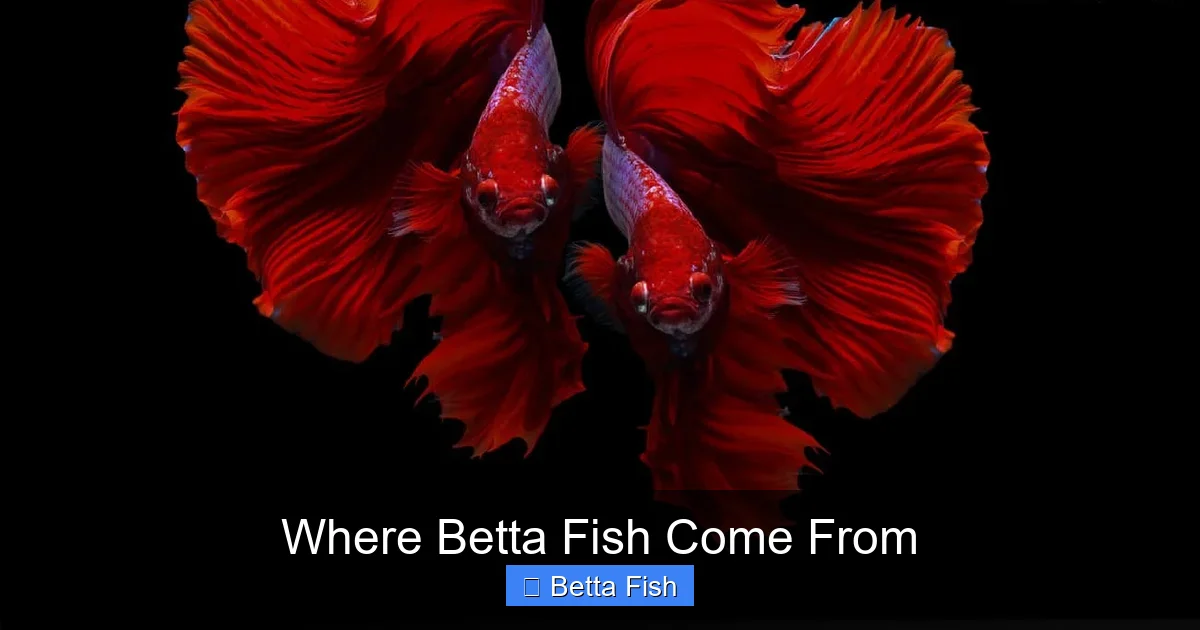
Betta fish, or Siamese fighting fish, originate from the shallow, warm waters of Southeast Asia. Wild bettas are native to Thailand, Cambodia, Vietnam, and Malaysia, where they live in rice paddies, slow-moving streams, and floodplains. Their aggressive “fighting” behavior was selectively bred by humans for centuries, leading to the diverse, colorful varieties we keep as pets today. Understanding their natural habitat is crucial for providing proper care in captivity.
Key Takeaways
- Wild Origins: All betta fish (Betta splendens) are native to the tropical regions of Southeast Asia, primarily Thailand.
- Natural Habitat: They thrive in shallow, warm, slow-moving or stagnant waters like rice paddies, ponds, and ditches with dense vegetation.
- Fighting Heritage: The species’ aggressive “flaring” behavior was exploited in historical fish fights, driving early selective breeding for aggression.
- Domestication Shift: Modern pet bettas were later bred for vibrant colors and long fins, a shift that began in the late 19th/early 20th century.
- Air-Breathing Adaptation: Their unique labyrinth organ allows them to survive in oxygen-poor water by breathing atmospheric air, a key to their wild survival.
- Conservation Status: Wild betta populations face threats from habitat loss and pollution, though the species is currently listed as “Least Concern” by the IUCN.
- Care Connection: Replicating aspects of their wild environment—warm water, hiding spots, calm surface access—is essential for their health in aquariums.
📑 Table of Contents
- The Shallow Roots: Southeast Asia’s Natural Cradle
- First Encounters: Western Discovery and Early Observations
- The Blood Sport: A History of Selective Breeding for Aggression
- The Transformation: From Fighter to Fashion Icon
- Global Spread: From Thai Paddies to Living Rooms Worldwide
- Back to the Wild: Conservation and the Modern Hobbyist
- Conclusion: A Legacy in a Glass Box
The Shallow Roots: Southeast Asia’s Natural Cradle
To truly understand the betta fish swimming in your desk aquarium, you must first travel thousands of miles away to the steaming, humid floodplains of Southeast Asia. The story of where betta fish come from is not a tale of sterile laboratories or commercial fish farms, but a story written in the mud and water of ancient rice fields. The wild betta, Betta splendens, is an endemic species, meaning it is found naturally nowhere else on Earth but this specific region. Its historical heartland is centered in the Chao Phraya river basin of central Thailand, but its native range extends into neighboring Cambodia, southern Vietnam, and the northern tip of the Malay Peninsula.
This area is defined by a dramatic monsoon climate. For months, the land is drenched by relentless rain, swelling rivers and turning vast lowlands into shallow, interconnected seas of water. Then, for the dry season, the waters recede, leaving behind a network of isolated, stagnant pools, oxbow lakes, and muddy ditches. It is in these extreme, ever-changing environments—often less than a few inches deep—that the betta evolved. The water is typically warm year-round (often 75-85°F or 24-29°C), tea-colored from tannins released by decaying vegetation, and low in dissolved oxygen. These harsh conditions forged the betta’s most famous adaptation: its labyrinth organ. This specialized structure, a folded piece of tissue rich in blood vessels, allows the fish to gulp air directly from the surface. This evolutionary masterstroke lets them survive in waters so oxygen-poor that most other fish would suffocate, giving them a critical advantage in their ephemeral wild homes.
The Wild Betta’s World: A Portrait of a Natural Habitat
Imagine a quiet Thai rice paddy at dawn. The water is still, reflecting the sky and the towering, broad leaves of rice plants. Submerged grasses and the roots of water hyacinths create a dense, underwater jungle. This is the quintessential betta habitat. The water is shallow enough for the sun to warm it profoundly, yet shaded by overhanging foliage, creating a dim, peaceful environment. The substrate is soft mud, often covered with a layer of decomposing leaves and plant matter.
In this setting, a wild betta is not the flamboyant spectacle of the aquarium. A male in his natural state is typically a modest 2-2.5 inches long, with short, rounded fins and a subtle coloration of muted greens, browns, and reds—perfect camouflage against the plant backdrop. His behavior is one of quiet patrol. He establishes a small territory centered around a clump of plants or a piece of debris, from which he will chase away rival males. His famous “flaring” display—gills expanded, fins spread, body stretched—is a territorial and courtship ritual, not a constant state of war. He feeds on insects that land on the water’s surface, mosquito larvae, and small crustaceans. The life is one of resourcefulness and patience, a far cry from the exaggerated beauty we prize in captivity.
First Encounters: Western Discovery and Early Observations
The question of where betta fish come from has a definitive geographic answer, but the question of when and how the Western world learned of them is a more recent chapter. The first formal scientific description of Betta splendens was made in 1909 by the Dutch ichthyologist Pieter Bleeker, based on specimens from Siam (the former name of Thailand). However, Westerners in Southeast Asia had likely encountered these fish decades earlier.
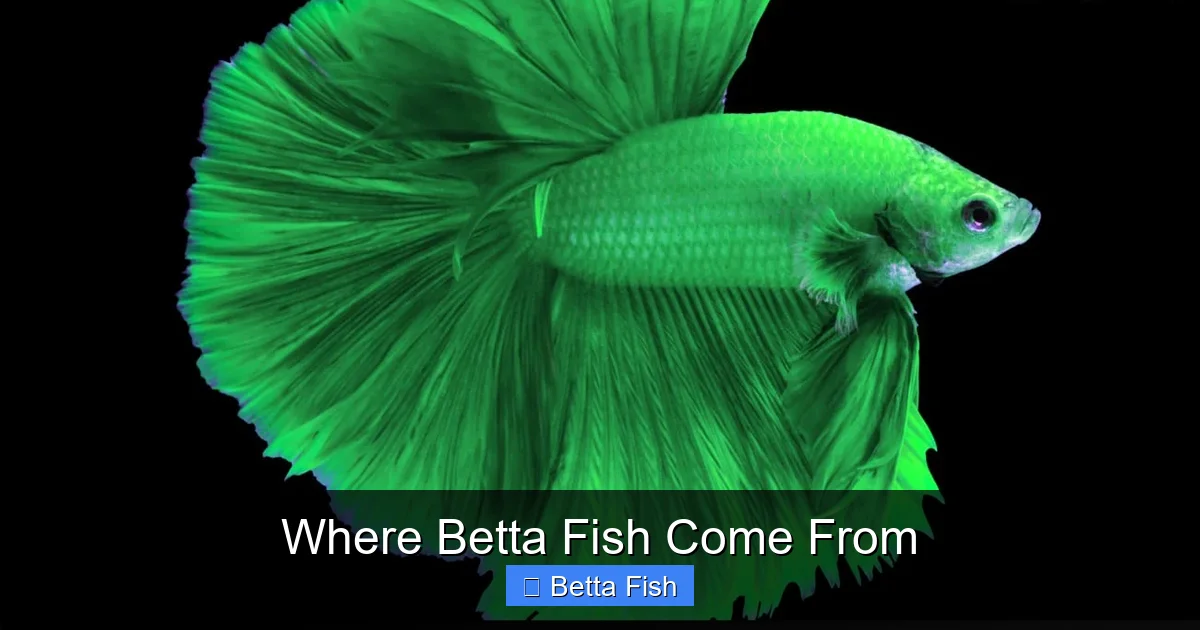
Visual guide about Where Betta Fish Come From
Image source: buildyouraquarium.com
European traders, colonial officials, and naturalists in 19th-century Siam would have been immediately struck by the local practice of betta fighting. These were not casual pastimes but organized, popular events with gambling stakes. Men would bring their prized fighters—selected for their aggression and durability—to pit against each other in small bowls or divided containers. The fights, which rarely resulted in death but could cause significant fin damage, would continue until one fish retreated. This spectacle, so alien to Western sensibilities, was the primary context in which bettas were first observed by outsiders. The fish were initially imported not as pets, but as curiosities and subjects of scientific interest, often labeled “Siamese fighting fish.” Their remarkable ability to survive in small containers for transport only added to their mystique and ease of export.
The Scientific Eye: Early Misconceptions
Early Western descriptions often focused almost exclusively on the fighting instinct, sometimes to the point of mythologizing. Some accounts suggested the fish would fight to the death, a misunderstanding of the natural behavioral limit where one fish concedes defeat. The labyrinth organ was a source of great fascination, proving they could survive in tiny jars—a fact that unfortunately led to their long-term mistreatment as “easy” pets that didn’t need space or clean water. The disconnect between their wild, vegetated habitat and their perceived tolerance for poor conditions began here, a misconception that aquarium hobbyists are still working to correct today. The initial scientific and popular narrative was built around conflict, not ecology.
The Blood Sport: A History of Selective Breeding for Aggression
To comprehend the betta’s journey from wild fish to global pet, one must understand the deep cultural history of fish fighting in Southeast Asia. The practice, particularly in Thailand, is believed to be centuries old, possibly originating as a form of entertainment akin to cockfighting. This is the critical first chapter in human-directed betta breeding. For generations, local breeders, often working as family trades, practiced a form of natural selection with a very specific goal: identify and breed the most aggressive, tenacious, and resilient fighters.

Visual guide about Where Betta Fish Come From
Image source: buildyouraquarium.com
Males that displayed a readiness to attack, sustained a fight without fleeing, and recovered quickly were chosen as broodstock. Their offspring were rigorously tested in small-scale matches. Traits like jaw strength, fin durability, and “gameness” were prized. Color and fin length were secondary concerns, though a healthy, vibrant fish was likely seen as a robust one. This long, unrecorded period of selection for behavior—not beauty—is the genetic foundation upon which all modern bettas stand. It created a strain of Betta splendens with a heightened, pre-programmed territorial response. This is why even wild-caught bettas or those bred for show can exhibit such dramatic flaring behaviors. The fighting instinct is woven into their DNA through hundreds of generations of intentional pairing.
Plakat: The Living Legacy of the Fighting Strain
The direct descendants of these fighting lines are known as Plakat bettas (from the Thai word “pla kat,” meaning ” biting fish”). They are characterized by their short, robust, and often spade-like fins, which are less vulnerable to tearing in a scuffle. Their body type is more muscular and streamlined. While modern Plakats are bred for the aquarium trade and come in many colors, they retain that powerful, alert, and often pugnacious demeanor. For the aquarist seeking a betta with a more “natural” or athletic build—and a temperament that can match its looks—the Plakat is a popular choice. They are a living window into the betta’s historical purpose, a stark contrast to the flowing, delicate varieties like the Halfmoon or Rosepetal. Observing a Plakat’s focused, darting movements and instant reaction to its own reflection is seeing the legacy of the fighting pits.
The Genetic Bottleneck: Consequences of Early Breeding
The intense, single-trait selection for aggression in the early fighting strains created a significant genetic bottleneck. Only a small number of the most aggressive males were used for breeding, drastically reducing the overall genetic diversity of the domesticated population. This has had lasting consequences. Modern bettas, even those not from fighting lines, can be prone to certain health issues, potentially linked to this reduced gene pool. It also means that the behavioral predisposition for aggression is a highly heritable trait. While environment plays a huge role, some bettas will simply be more territorial and easily triggered than others, a direct echo of their ancestors’ selective history. This understanding is crucial for responsible ownership; knowing a betta’s potential genetic temperament helps in setting up appropriate tank mates and environments to minimize stress and conflict.
The Transformation: From Fighter to Fashion Icon
The metamorphosis of the betta from a scrappy fighter to a jewel-like show fish is one of the most dramatic examples of selective breeding in the aquarium world. This shift began in the early 20th century, as the fish made their way to Europe and later to the United States. Breeders, particularly in Germany and later in the U.S., began to prioritize aesthetics over aggression. The goal changed from “who can fight the longest” to “who has the most beautiful, flowing fins and the most dazzling color.”

Visual guide about Where Betta Fish Come From
Image source: modestfish.com
This was a painstaking process of identifying and pairing fish with slight genetic variations that enhanced desired traits. Over decades, breeders selected for:
- Fin Length and Form: Mutations leading to longer, more flowing fin rays were amplified. This gave rise to the Veiltail (long, flowing single tail), the Crowntail (fin rays extended like spikes), the Halfmoon (a 180-degree tail spread), the Doubletail (two caudal fins), and the Deltatail (broad, triangular tail). The Halfmoon, with its perfect semicircle when flared, became the holy grail of form.
- Color and Patterns: The wild palette of greens and reds was exploded through selective breeding for color intensity and pattern. Layers of pigment (red, yellow, black, blue, metallic iridescence) were stacked to create effects like the butterfly pattern (distinct color bands on the fins), the marble pattern (changing patches), and the Koi pattern (resembling the famous Japanese fish). True, solid blue and turquoise iridescence are also products of this refinement, as the wild fish’s blue is often a subtle, metallic sheen.
- Body Shape: Selection also favored more elongated, “show” body types compared to the stockier wild build.
This aesthetic revolution was largely completed by the 1960s-1980s. The betta was no longer just a fighting curiosity; it was a living work of art, a small-scale masterpiece of genetic manipulation. The modern pet store betta is almost always a product of this “beauty breeding,” with its enormous fins and kaleidoscopic colors representing traits that would be a severe handicap in the wild.
The IBC and Standardization
The formation of the International Betta Congress (IBC) in 1967 was a pivotal moment. This organization of dedicated hobbyists established formal show standards for different betta varieties, codifying the ideal forms for Halfmoons, Plakats, and others. This created a structured framework for competition and breeding goals, pushing the art of betta breeding to new heights of precision. It also fostered a community focused on health and responsible breeding practices alongside aesthetics, a crucial development for the breed’s welfare.
Global Spread: From Thai Paddies to Living Rooms Worldwide
The final leg of the betta’s journey from the Chao Phraya basin to your living room is a story of 20th-century globalization, improved transportation, and the explosive growth of the aquarium hobby. After their initial introduction to Europe in the late 1800s/early 1900s, bettas were imported in relatively small numbers by specialty dealers and hobbyist clubs. Their reputation as hardy fish that could live in a small jar on a desktop made them a novelty item.
The real boom occurred post-World War II, and especially from the 1970s onward. The advent of commercial, large-scale fish farming in Southeast Asia—primarily in Thailand, but also in Malaysia, Indonesia, and Vietnam—changed everything. These operations function like aquaculture factories, breeding millions of bettas in a controlled, intensive system to meet insatiable global demand. Here, the wild betta’s natural breeding behavior (the male builds a bubble nest) is exploited for efficiency. Males are kept in individual, small bottles or compartments, females are housed separately, and breeding is triggered by environmental cues. The fry are raised in vast numbers in greenwater (algae-rich) ponds or tanks before being sorted, graded, and shipped worldwide.
Today, the vast majority of bettas sold in pet stores across North America, Europe, and beyond are farm-raised in Thailand. They are typically shipped as young adults, already displaying their adult colors and fin shapes. This commercial pipeline has made bettas one of the most accessible and popular freshwater aquarium fish on the planet. However, it also raises important questions about animal welfare in the supply chain, with many fish enduring long, stressful transports in tiny bags before reaching the shelf.
Back to the Wild: Conservation and the Modern Hobbyist
As we ponder where betta fish come from, we must close the loop and consider the status of their wild relatives. While the domesticated betta is ubiquitous, its wild cousin faces an uncertain future. The IUCN Red List currently classifies Betta splendens as “Least Concern,” but this assessment is outdated and does not reflect the mounting pressures on its habitat. The primary threats are classic tropical conservation issues: agricultural expansion (especially for palm oil and rice), pollution from pesticides and fertilizers, deforestation of watershed areas, and urban development draining wetlands. The very rice paddies that were once their sanctuary are being converted or intensified with chemicals toxic to sensitive wild fish populations.
Furthermore, the introduction of non-native species and interbreeding with escaped or released domestic bettas poses a genetic pollution risk to wild gene pools. A wild population with reduced genetic diversity from historical bottlenecks is less resilient to these changes. There are documented local declines and extirpations, particularly in parts of Thailand where development is most rapid. Conservation efforts are largely piecemeal, focused on specific wetland preserves. The future of the wild betta is tied to the fate of Southeast Asia’s fragile freshwater ecosystems.
What the Hobbyist Can Do: Ethical Sourcing and Habitat Emulation
For the modern betta keeper, understanding this wild origin is not just academic—it directly informs ethical and practical care. First, consider sourcing. While the commercial farming industry is unlikely to disappear, seeking out reputable breeders who prioritize fish health and genetic diversity over quantity is a step toward better welfare. Some specialty breeders in the West now maintain lines with more robust genetics.
More importantly, let the wild habitat guide your aquarium setup. The mantra should be: “Think of a shallow, vegetated, warm paddy.” This means:
- Tank Size: A minimum of 5 gallons is now widely recommended as the absolute bare minimum, with 10 gallons being ideal. This provides stable water parameters and swimming space, unlike the tiny jars they are often sold in.
- Water Conditions: Maintain a warm, stable temperature (78-80°F or 25.5-26.5°C) with a gentle filter. Avoid strong currents, as wild bettas come from still waters. Live plants (like java fern, anubias, floating frogbit) are not just decor; they provide security, improve water quality, and mimic their natural cover.
- Surface Access: Always leave a gap between the water surface and the tank lid. The betta *must* be able to gulp air. This is non-negotiable and a direct requirement from their labyrinth organ.
- Mental Enrichment: Provide hiding spots (caves, PVC tubes, dense plants) to reduce stress. A bored betta in a bare tank is more likely to be aggressive or depressed. Floating plants are particularly loved.
- Companions: Understanding their territorial nature is key. While they can often live with peaceful, fast-moving tank mates (like certain tetras or corydoras), it must be done with caution and observation. A well-planted, spacious tank is the best prerequisite for success.
By creating an environment that respects their evolutionary blueprint, we honor the wild betta’s incredible journey and ensure our captive companions thrive, not just survive.
Conclusion: A Legacy in a Glass Box
The story of where betta fish come from is a profound journey from the muddy, resilient wilds of Southeast Asia to the pristine glass boxes of our homes. It is a tale of evolutionary marvel—the labyrinth organ that defies adversity. It is a story of human interaction, first through the brutal spectacle of fighting, then through the gentle artistry of selective breeding for beauty. The betta in your tank carries the genetic memory of both: the flaring, territorial instinct of the fighter and the shimmering, flowing elegance of the show fish.
To keep a betta is to hold a piece of this complex history. It is a responsibility that goes beyond feeding and water changes. It calls us to understand the “why” behind their needs: the warm water because their world was a sun-baked paddy; the surface breathing because their rivers ran low on oxygen; the need for plants and hiding places because their survival depended on camouflage and defined territories. By looking at our bettas with this informed perspective, we move beyond seeing them as mere decorations. We see them as descendants of a wild, enduring lineage, survivors of ecological change and human exploitation, now dependent on us to replicate the essence of the world they left behind. In doing so, we don’t just keep a pet; we become stewards of a remarkable biological and cultural legacy, one graceful bubble-nest at a time.
Frequently Asked Questions
Are betta fish originally from Thailand?
Yes, the wild species Betta splendens is native to Thailand, with its historical range centered in the Chao Phraya river basin. Its native range also includes parts of Cambodia, Vietnam, and Malaysia.
Why are betta fish called Siamese fighting fish?
The name comes from Siam, the former name of Thailand, where the practice of selectively breeding them for aggressive fighting matches was a popular cultural activity for centuries before they were introduced to the West.
Do wild bettas have long, colorful fins like pet store bettas?
No. Wild bettas have short, sturdy fins and subtle coloration (greens, browns, reds) that provides camouflage in their natural habitat of dense vegetation. The long, flowing fins and vibrant colors are the result of over a century of selective breeding for the aquarium trade.
What is the labyrinth organ and why is it important?
The labyrinth organ is a specialized breathing structure that allows bettas to gulp air directly from the water’s surface. This adaptation enables them to survive in warm, stagnant, oxygen-poor waters like shallow rice paddies and ditches, which is their natural habitat.
Can pet bettas be released into the wild?
Absolutely not. Pet bettas are genetically distinct, often carry diseases, and are not adapted to survive in local ecosystems. Releasing them is illegal in many places and poses a serious threat to native fish and wildlife through competition, predation, and disease transmission.
How can I best mimic a betta’s natural habitat in my aquarium?
Focus on a warm, stable temperature (78-80°F), a gentle filter with low flow, live or silk plants for cover and security (especially at the surface), and a minimum tank size of 5 gallons. Ensure there is always calm surface access for them to breathe atmospheric air.