Can a Betta Fish Live in Purified Water
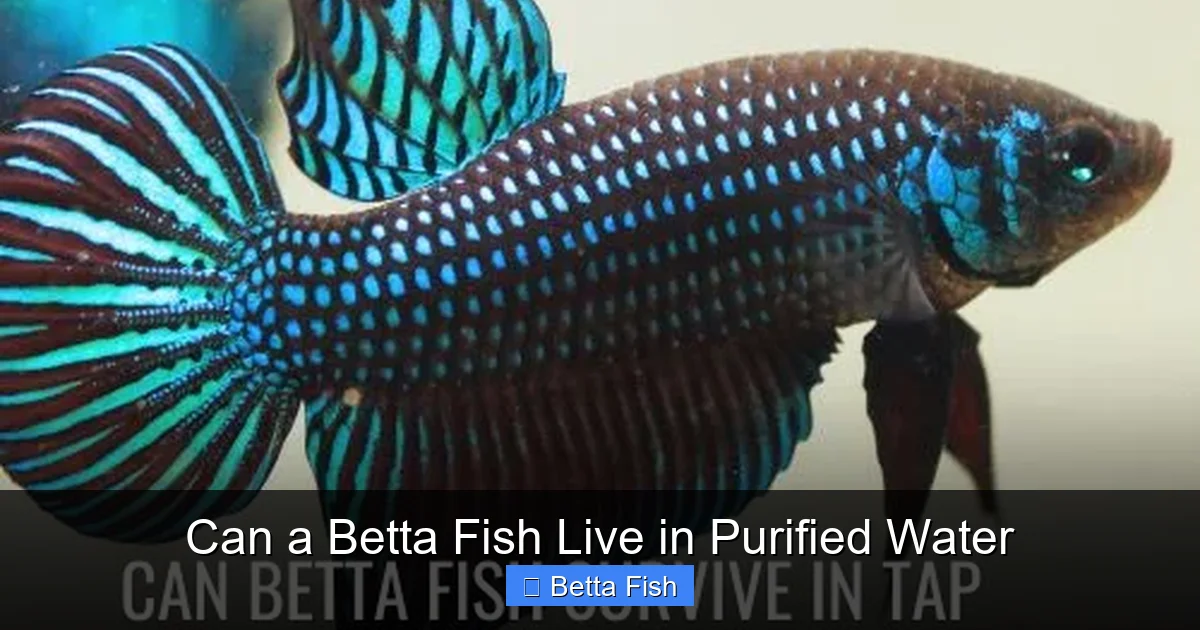
Yes, a betta can thrive in purified water if you maintain proper temperature, pH, and regular water changes. Pure water removes harmful chemicals, but you must add the right minerals and filtration to keep your betta healthy.
Key Takeaways
- Purified water is safe: It removes chlorine, chloramines, and heavy metals that stress bettas.
- Mineral balance matters: Betta fish need trace minerals; use a conditioner or remineralizer.
- Temperature control is critical: Keep water between 76‑82°F (24‑28°C) with a reliable heater.
- Regular water changes prevent buildup: Change 25‑30% of the tank weekly.
- Use a gentle filter or sponge: Betta’s delicate fins appreciate low‑flow filtration.
- Test water parameters often: Monitor pH, ammonia, nitrite, and nitrate weekly.
- Start with a proper setup: A 5‑gallon tank with a lid, heater, and live plants gives the best environment.
📑 Table of Contents
- Introduction: Why Water Quality Is the Heartbeat of Betta Health
- Understanding Purified Water: Types and What They Contain
- Preparing Purified Water for Your Betta
- Setting Up the Ideal Tank for Purified Water
- Maintaining Water Quality Over Time
- Common Mistakes and How to Avoid Them
- Real‑World Example: Sarah’s Success Story
- Conclusion: The Bottom Line on Purified Water for Betta Fish
Introduction: Why Water Quality Is the Heartbeat of Betta Health
If you’ve ever watched a betta flare its fins in a bright bowl, you know these little fighters are beautiful but delicate. One of the biggest myths new owners believe is that any water will do—as long as it’s “clean enough.” In reality, the type of water you use can make or break your betta’s lifespan.
Purified water—whether it’s distilled, reverse‑osmosis (RO), or filtered tap water—offers a clean slate free from chlorine, chloramines, and harmful metals. But the question on every hobbyist’s mind is simple: can a betta fish live in purified water? The short answer is yes, but only when you treat it right. This guide walks you through everything you need to know, from preparing the water to maintaining a thriving tank.
Understanding Purified Water: Types and What They Contain
Distilled Water
Distillation boils water and condenses the steam, leaving almost all minerals behind. The result is ultra‑pure H₂O, which is great for removing contaminants but also strips essential calcium and magnesium that bettas need.

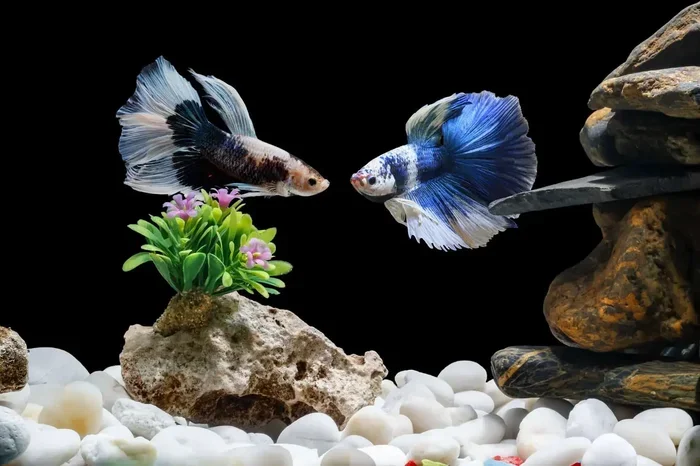
Visual guide about Can a Betta Fish Live in Purified Water
Image source: petshun.com
Reverse‑Osmosis (RO) Water
RO systems push water through a semi‑permeable membrane, filtering out 95‑99% of dissolved solids. Like distilled water, RO water is very low in minerals, so you’ll have to re‑mineralize before adding it to the tank.
Filtered Tap Water (Carbon‑Based Filters)
Standard carbon filters remove chlorine, chloramines, and some heavy metals while leaving most of the natural hardness intact. This type of water is often the easiest “purified” option for betta owners because it already contains beneficial trace elements.
Preparing Purified Water for Your Betta
Step 1: Test the Raw Water
Before you treat any water, use a simple test kit to check pH, hardness (GH), and alkalinity (KH). This gives you a baseline and helps you know how much conditioning your water needs.
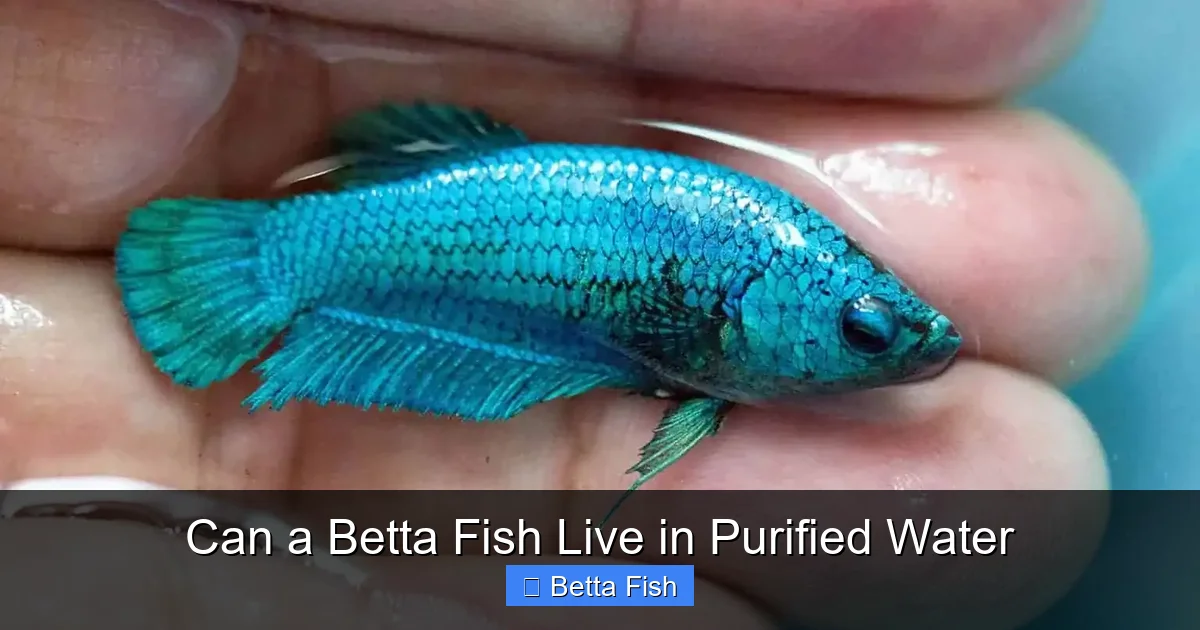
Visual guide about Can a Betta Fish Live in Purified Water
Image source: bettasource.com
Step 2: Condition the Water
Regardless of the source, always add a water conditioner that neutralizes chlorine and chloramine. Look for a product labeled “betta‑safe” and follow the dosage instructions.
Step 3: Re‑Mineralize if Needed
If you’re using distilled or RO water, add a commercial remineralizer or a pinch of aquarium salt (no‑iodine) to raise GH to 4‑8 dGH. This mimics the natural softness of Southeast Asian waters where bettas originate.
Step 4: Adjust Temperature
Heat the water to 78°F (25.5°C) before filling the tank. Use an aquarium heater with an adjustable thermostat for consistency.
Setting Up the Ideal Tank for Purified Water
Tank Size and Shape
A 5‑gallon (19‑liter) tank is the sweet spot. It provides enough water volume to dilute any waste, while still fitting on a desk or nightstand. Avoid tiny bowls—betta fish need space to swim and stable water parameters.
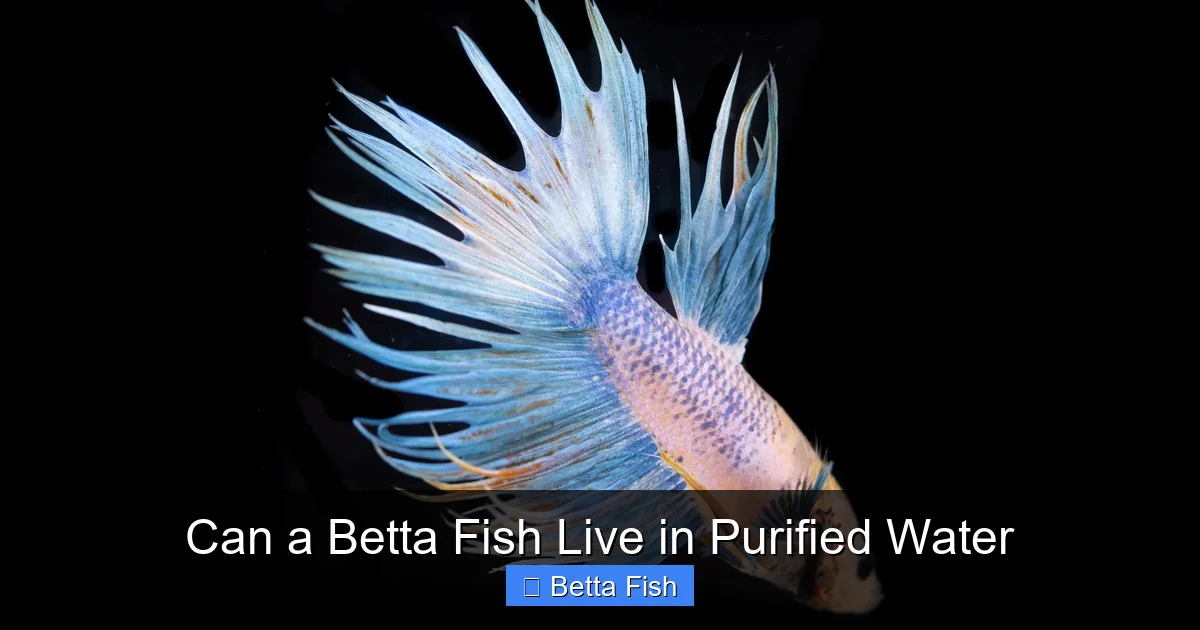
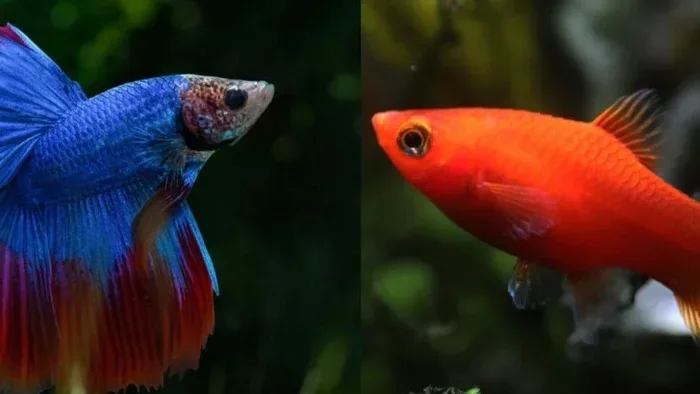
Visual guide about Can a Betta Fish Live in Purified Water
Image source: splashyfishstore.com
Filtration: Gentle Is Best
Betta fins are delicate, so choose a low‑flow sponge filter or a hang‑on‑back (HOB) filter with a fine mesh. The filter will keep ammonia low without creating a strong current that stresses the fish.
Substrate and Plants
Fine sand or smooth gravel creates a natural feel. Live plants like Java fern or Anubias help absorb nitrates and provide hiding spots. If live plants are not an option, silk plants are a safe alternative.
Lighting and Lid
Provide 8‑10 hours of gentle LED lighting daily. A secure lid prevents the betta from jumping out—a common mishap in uncovered tanks.
Maintaining Water Quality Over Time
Weekly Water Changes
Change 25‑30% of the tank water each week. Use the same preparation steps (condition, remineralize, heat) for the replacement water to keep parameters stable.
Testing and Monitoring
Test for ammonia, nitrite, nitrate, and pH weekly. Ideal ranges for bettas are:
- Ammonia: 0 ppm
- Nitrite: 0 ppm
- Nitrate: <10 ppm
- pH: 6.5‑7.5
If any value spikes, perform a partial water change immediately.
Cleaning the Filter
Rinse filter media in a bucket of tank water during water changes. This preserves beneficial bacteria while removing debris.
Common Mistakes and How to Avoid Them
Using Untreated Tap Water
Tap water often contains chlorine or chloramine that can burn a betta’s gills. If you skip conditioning, you’re answering the question “can a betta fish live in tap water?” with a risky “no.” Always treat tap water first.
Over‑Filtering or Strong Currents
Betta fish are “labyrinth” fish that breathe air from the surface. A strong filter can push them away from the top, causing stress. Keep flow gentle—no more than a few bubbles per second across the tank surface.
Neglecting Temperature
Even a few degrees outside the 76‑82°F range can suppress the immune system. Use a reliable heater and a thermometer to keep the water steady.
Ignoring Mineral Deficiency
Pure distilled or RO water lacks calcium and magnesium. Without remineralization, bettas may develop fin rot or poor scale development.
Real‑World Example: Sarah’s Success Story
Sarah bought a betta named “Jewel” and wanted to use RO water because her tap water was hard and smelly. She followed these steps:
- She ran the RO water through a conditioner and added a commercial remineralizer to reach 5 dGH.
- She heated the water to 78°F and filled a 5‑gallon tank with a sponge filter.
- She performed 30% water changes every Saturday, testing parameters each time.
- After three weeks, Jewel’s colors brightened, and she observed no signs of stress.
Sarah’s experience proves that can a betta fish live in purified water is not just possible—it can lead to a vibrant, long‑lived fish when done correctly.
Conclusion: The Bottom Line on Purified Water for Betta Fish
Answering the core question: can a betta fish live in purified water? Absolutely, as long as you condition, remineralize, and maintain stable temperature and flow. Purified water removes many hidden threats, but it also strips essential minerals, so you must replace them. With a proper setup, regular testing, and attentive care, your betta will not only survive but flourish in crystal‑clear, purified water.
Ready to give your betta the best home? Start with a clean, conditioned tank, keep the water parameters in the sweet spot, and enjoy watching those dazzling fins dance.
Frequently Asked Questions
Can I use distilled water for a betta tank?
Distilled water is safe only after you add a conditioner and a remineralizer to replace essential minerals. Without these steps, the water is too soft for a healthy betta.
How often should I change the water in a purified‑water tank?
Change 25‑30% of the water each week. This keeps nitrate levels low and maintains stable pH and temperature.
Is a filter necessary when using purified water?
Yes. Even purified water can develop ammonia and nitrite from fish waste. A gentle sponge filter provides biological filtration without stressing the betta.
Can a betta live in a bowl with purified water?
While a bowl can hold purified water, it lacks space and filtration, making it unsuitable for long‑term health. A small tank with a lid and filter is a far better choice.
Do I need to test the water if I’m using RO water?
Absolutely. Test for pH, GH, and KH after conditioning and remineralizing to ensure the water matches betta‑friendly parameters.
What’s the best temperature for a betta in purified water?
Keep the water between 76‑82°F (24‑28°C). Use an aquarium heater and a reliable thermometer to avoid fluctuations.