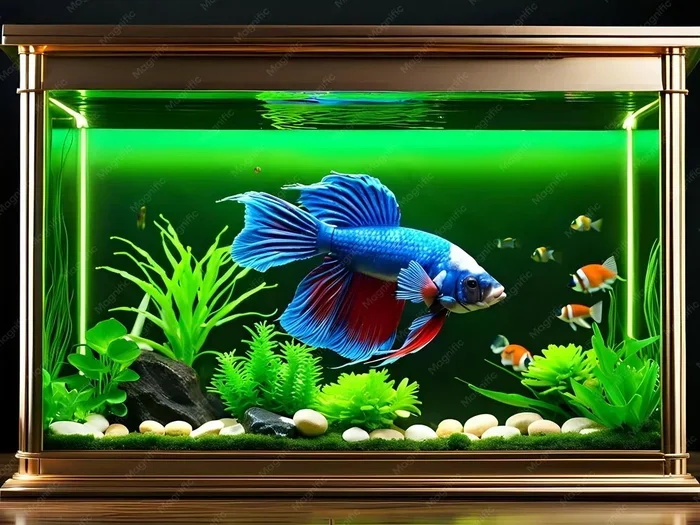
When to Feed a Betta Fish
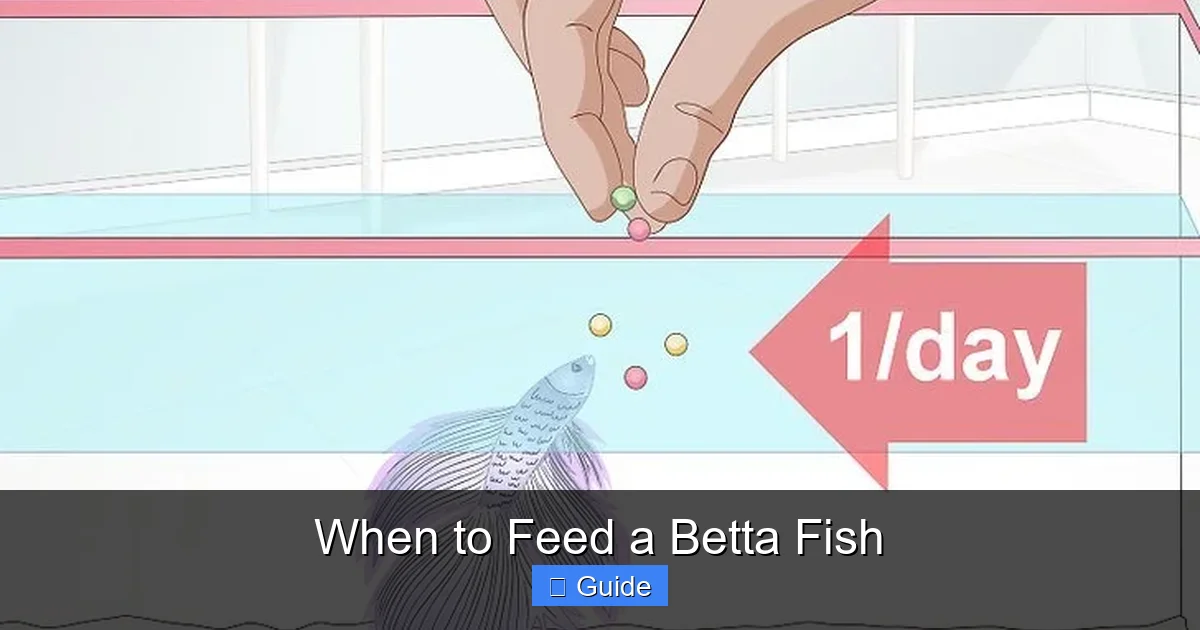
Overfeeding is the most common and dangerous mistake betta owners make, so feed your fish once or twice daily with only what it can consume in 2-3 minutes. This small, controlled portion prevents health issues like constipation and water pollution, ensuring your vibrant betta stays active and healthy for years.
Key Takeaways
- Feed bettas 1-2 times daily: Stick to a consistent schedule to match their natural habits.
- Use the “eyeball method” for portion control: A portion no larger than its eye prevents overfeeding.
- Fast your betta one day weekly: This aids digestion and helps prevent constipation and bloating.
- Monitor for signs of overfeeding: Look for bloating, uneaten food, and cloudy water immediately after feeding.
- Feed at the water’s surface: Bettas are upward-facing surface feeders; sink food if necessary.
- Ensure a high-quality pellet-based diet: Choose pellets with fish or shrimp as the first ingredient.
- Remove uneaten food within 2-3 minutes: This maintains water quality and prevents decay and ammonia spikes.
📑 Table of Contents
- When to Feed a Betta Fish: The Simple Guide to a Happy, Healthy Siamese Fighting Fish
- The Myth of Constant Hunger: Understanding Your Betta’s Stomach
- Decoding the Perfect Feeding Schedule: Frequency Over Clock Time
- Portion Control: Less is Truly More
- The Type of Food Matters: Quality Dictates Schedule
- Special Considerations for Different Life Stages
- Signs You’re Getting It Right (And Wrong)
- Conclusion: Feeding as a Path to Connection
When to Feed a Betta Fish: The Simple Guide to a Happy, Healthy Siamese Fighting Fish
Let me tell you about my first betta, a vibrant blue guy named Apollo. I was so excited to bring him home, his little cup from the pet store perched on my passenger seat. I read the little tag that said “feed 3-5 pellets twice a day.” Sounded simple enough! For the first week, I was a diligent, twice-a-day feeder. Then I noticed he wasn’t as active. His colors seemed a little dull. A quick online dive revealed my well-intentioned routine was, in fact, a form of slow-motion sabotage. I was overfeeding him. When to feed a betta fish isn’t just about the clock; it’s a delicate dance of biology, observation, and restraint. If you’ve ever wondered about the perfect schedule, you’re in the right place. This guide will cut through the confusion and help you get your betta’s nutrition just right.
The truth is, there is no single, universal “feed at 9 AM and 6 PM” rule that works for every betta in every tank. The answer to when to feed a betta fish depends on your specific fish, its environment, its age, and its health. But don’t worry, by the end of this article, you’ll have a clear, confident understanding. We’ll move from common myths to a practical, actionable schedule, discuss portion sizes that would make a nutritionist proud, and learn to read your fish’s own signals. Feeding time should be a joyful ritual, not a source of stress for you or your aquatic companion.
The Myth of Constant Hunger: Understanding Your Betta’s Stomach
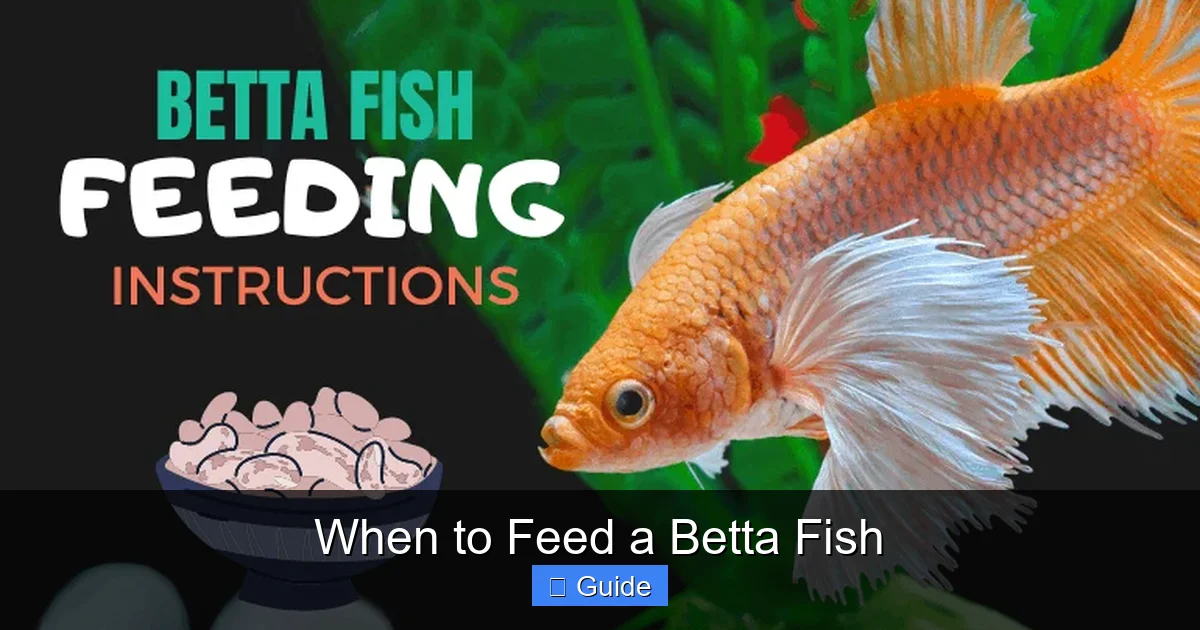
One of the biggest hurdles in figuring out when to feed a betta fish is overcoming the misconception that they are always hungry. Those enthusiastic little dances at the glass when you approach? They’re not necessarily cries for food. Bettas are intelligent, curious creatures. They associate your presence with potential events—a water change, a tank cleaning, or yes, a meal. That frantic swimming is often just excitement and recognition, not a starvation alarm.
Visual guide about When to Feed a Betta Fish
Image source: japanesefightingfish.org
Their Tiny Tummies Have Big Rules
A betta fish’s stomach is roughly the size of its eye. Let that sink in. This tiny organ has a very limited capacity. In the wild, bettas are opportunistic insectivores. They might snag a mosquito larva or a tiny crustacean here and there throughout the day, but large, regular meals are not the norm. Their metabolism is designed for this “little and often” or even “feast or famine” pattern. Feeding them a bowl-full of food once a day, or even the recommended 3-5 pellets twice a day, can easily overwhelm their system if those pellets are too large or expand too much in their stomach.
Overfeeding is the single most common mistake new betta owners make, and it directly leads to the two biggest health problems: constipation and swim bladder disorder. A constipated betta will look bloated, struggle to swim normally, and may even appear to be “jumping” or sinking. The swim bladder, a gas-filled organ that helps them control buoyancy, can become compressed or inflamed by a digestive tract packed with too much food. The result is a fish that floats upside down, sinks to the bottom, or swims erratically. It’s heartbreaking and entirely preventable with proper feeding knowledge.
Decoding the Perfect Feeding Schedule: Frequency Over Clock Time
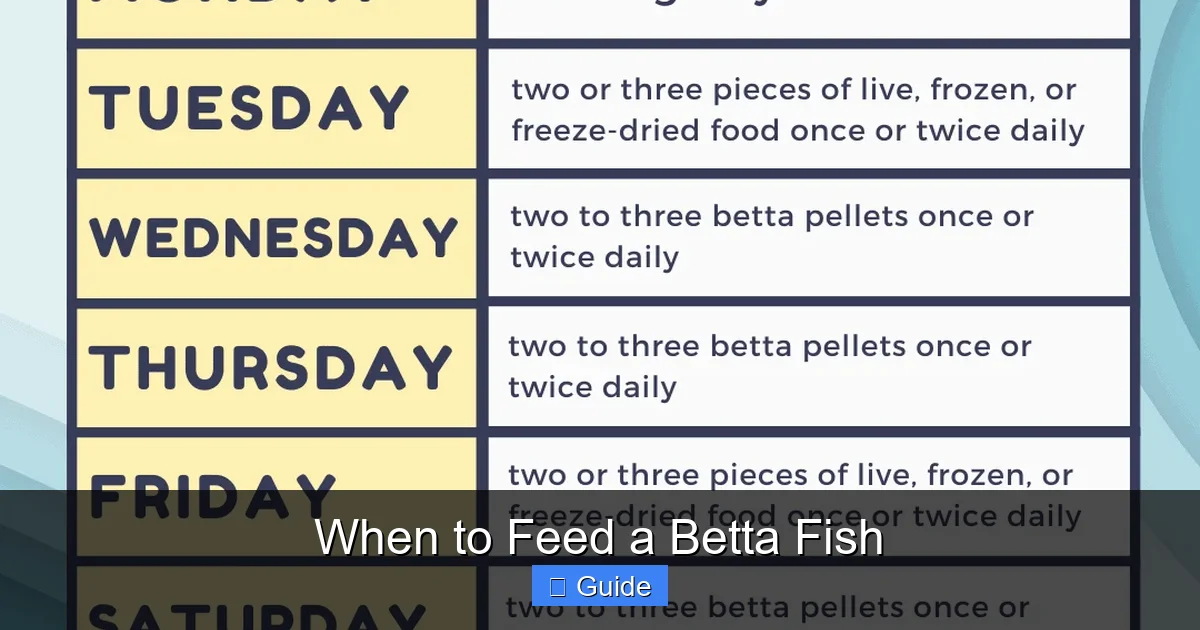
So, if it’s not about strict morning and evening bells, what is it about? Consistency and appropriateness. The goal is to provide enough nutrition for health and vibrancy without causing digestive stress or polluting the water. For the vast majority of adult bettas in a properly filtered, heated tank, the consensus among experienced aquarists and veterinarians is clear.
Visual guide about When to Feed a Betta Fish
Image source: behaviorchart.net
The Gold Standard: Once a Day, Small Portion
Feeding a high-quality meal once per day is often the ideal starting point for a healthy adult betta. This gives their digestive system a full 24-hour rest period, mimicking natural patterns and drastically reducing the risk of constipation and swim bladder issues. It also means less uneaten food decaying in the tank between meals, which protects your water quality. If your betta is very active, a larger (but still appropriate) single meal is better than two smaller ones that keep the digestive tract constantly active.
When Twice a Day Might Be Appropriate
There are exceptions. Very young, growing betta fry have much higher metabolic rates and need 2-3 small meals daily. Similarly, a betta recovering from illness or underweight might benefit from two carefully measured feedings to help them regain condition. Some keepers of exceptionally active, large bettas also find success with two very small meals (morning and early evening), ensuring at least 10-12 hours between the last meal and lights out. The key word is small. If you choose twice-daily feedings, each portion should be half of what you would give in a single meal.
To make this concrete, here is a simple reference table for different life stages:
| Life Stage | Feeding Frequency | Key Considerations |
|---|---|---|
| Fry (0-2 months) | 2-3 times daily | Need infusoria, baby brine shrimp, or powdered fry food. Tiny stomachs require minuscule, frequent feedings. |
| Juvenile (2-6 months) | 1-2 times daily | Transitioning to small pellets or frozen foods. Growth is rapid; monitor for healthy weight gain. |
| Adult (6 months – 3 years) | Once daily (ideal) | Stable metabolism. Focus on high-quality, varied diet. Once-daily feeding is safest for digestion. |
| Senior (3+ years) | Once daily or every other day | Metabolism slows. May have difficulty digesting rich foods. Consider pre-soaking pellets and using easily digestible options. |
Portion Control: Less is Truly More
We’ve tackled frequency, but when to feed a betta fish is useless without the correct portion. Remember the “eye-sized stomach” rule. That’s your ultimate guide. But how do you translate that into pellets or worms?
Visual guide about When to Feed a Betta Fish
Image source: tankarium.com
The Pinch Method and the 3-Second Rule
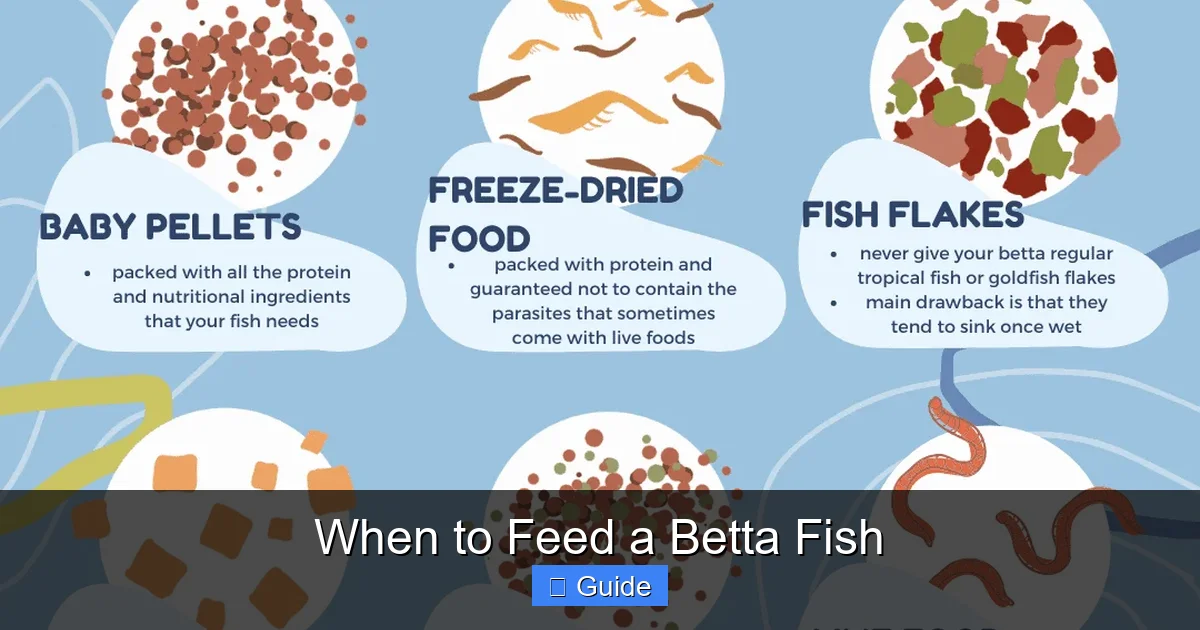
For standard betta pellets, the easiest method is the “pinch.” Take a small pinch of pellets between your thumb and forefinger. Now, remove half of what you think you need. That’s likely still too much for one feeding. Aim for 2-4 high-quality pellets per feeding for an average adult betta. The “3-second rule” is another good test: drop the food in. Your betta should be able to consume it all within 3-5 seconds. If food is hitting the bottom and staying there, you’ve fed too much. Any uneaten food must be siphoned out immediately with a turkey baster or gravel vacuum to prevent ammonia spikes.
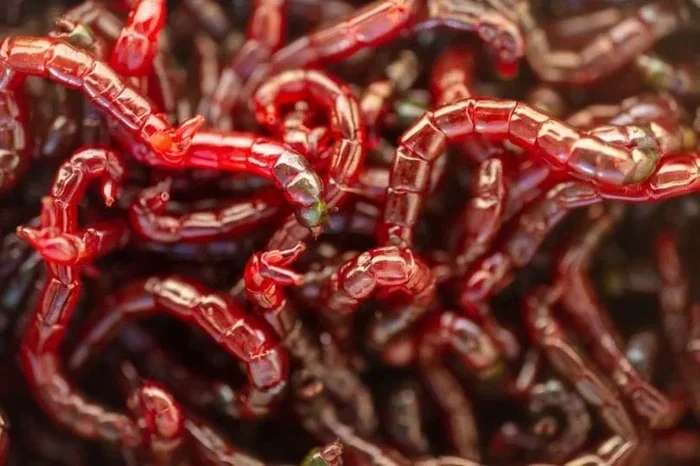
For frozen or live foods like brine shrimp or bloodworms, the portion is even smaller. A few shrimp (maybe 3-5 large ones) or a tiny cluster of worms is a full meal. These foods are treats, not staples. They are high in protein and fat and can cause digestive upset if fed too frequently or in large quantities. Think of them as the occasional steak dinner, not the daily salad.
Practical Tips for Perfect Portions
- Use a dedicated feeding tool: A plastic pipette or eye dropper is fantastic. You can dispense one or two pellets at a time, controlling exactly what goes in.
- Pre-soak dry pellets: Especially for older bettas, soak pellets in a bit of tank water for a minute before feeding. This prevents them from expanding in the stomach and causing blockages.
- Observe, don’t just dispense: Watch your fish eat. Is it frantic? That might mean it’s genuinely hungry (if underweight) or just excited. Is it slow and deliberate? That’s a good sign it’s satisfied. Does it leave food? You fed too much.
- Implement a “fast day”: Once a week, skip feeding entirely. This gives the digestive system a complete rest and is a natural way to prevent constipation. Your betta will be fine.
The Type of Food Matters: Quality Dictates Schedule
You can’t discuss when to feed a betta fish without talking about what you’re feeding. The quality and type of food directly impact how often and how much you should feed.
Staple Pellets: The Foundation
High-quality betta-specific pellets should make up 80-90% of your betta’s diet. Look for pellets where the first few ingredients are whole fish or seafood (like salmon, shrimp, krill), not fillers like wheat, soy, or potato. These protein-rich pellets are nutritionally balanced and digest well. Because they are complete nutrition, they can be fed as the daily meal without variety. However, even with great pellets, once a day remains the safest frequency for most adults.
Frozen & Live Foods: The Nutrient Boosters
Foods like frozen brine shrimp, daphnia, or bloodworms are incredible. Daphnia, in particular, is a natural laxative and is fantastic to offer once a week if your betta is prone to constipation. Live foods provide mental stimulation as the fish hunts. However, they are less nutritionally complete than pellets and are higher in fat and chitin (which can be hard to digest). Schedule these as treats: 1-2 times per week maximum, replacing the pellet meal for that day. Never feed these daily.
What to Avoid
Stay away from generic “goldfish flakes” or “tropical fish flakes.” They are not formulated for a carnivore like a betta and are mostly fillers. Avoid feeding peas or other vegetables as a regular part of their diet—they are not herbivores. While a pea can be used as a last-resort laxative for severe constipation, it’s not a suitable food. Also, never feed insects or worms you catch outside, as they may carry pesticides or parasites.
Special Considerations for Different Life Stages
A one-size-fits-all schedule doesn’t exist because bettas have different needs at different ages. Your when to feed a betta fish plan must evolve with your pet.
Betta Fry: The All-You-Can-Eat Buffet
Newly hatched fry have voracious appetites because they are growing at an explosive rate. For the first few days of life, they eat their yolk sacs. After that, they need infusoria (microscopic protozoa) or a commercial fry powder, available 24/7. As they grow (after about 1-2 weeks), you can introduce newly hatched brine shrimp (nauplii) and gradually move to microworms and then tiny crushed pellets. Feed them 2-3 times daily, but only what they can consume in a few minutes. Water quality is paramount with fry, so any excess must be removed immediately.
Juvenile and Adult Betta: Finding the Rhythm
As bettas mature (around 3-4 months), their metabolism steadies. This is the time to transition to the once-daily feeding schedule with high-quality pellets. Monitor their body condition. You should be able to see a subtle, streamlined shape. A visibly rounded or “pot-bellied” betta is almost always overfed. During breeding, a male betta building a bubble nest may eat less or even stop eating—this is normal hormonal behavior, not a health problem.
Senior Betta: Slowing Down
After 3 years, your betta is a senior. Their metabolism slows, and they may become less active. They are also more prone to digestive issues. For seniors, consider feeding every other day or a very small meal once daily. Pre-soak pellets to make them easier to digest. Stick to easily digestible foods like pre-soaked pellets and occasional daphnia. Watch for weight loss, which can be a sign of declining health.
Signs You’re Getting It Right (And Wrong)
The final piece of the puzzle is observation. Your betta’s body and behavior will tell you if your feeding schedule is correct.
Positive Indicators of a Proper Feeding Regimen
- Healthy, vibrant colors: Proper nutrition shows in bright, clear coloration.
- Active and curious: Your betta swims purposefully, explores its tank, and flares at its reflection (a sign of vigor).
- Eager but controlled eating: It comes to the surface quickly but eats its meal calmly without gulping frantically.
- Clean, well-formed stools: You might see a small, dark, string-like waste trailing behind. It should be short and not long and trailing (a sign of overfeeding).
- Stable weight and body condition: No bloating, no visible spine or sunken belly.
Red Flags: You’re Probably Overfeeding
- Constipation: A swollen, “pinecone-like” appearance, difficulty swimming, or hanging vertically at the water’s surface.
- Swim Bladder Disorder: Floating upside down, sinking and unable to rise, swimming in circles or sideways.
- Poor water quality: Cloudy water, persistent algae blooms, or high ammonia/nitrite readings are often fueled by excess food decay.
- Leftover food: Consistently finding pellets on the substrate after 10 minutes.
- Lethargy and loss of color: A fish that just sits at the bottom or in a corner is often suffering from digestive stress.
If you see these signs, the first step is a 3-day fast. Then, resume feeding with a tiny portion of pre-soaked daphnia or a blanched, skinned pea (just the inner part) to help clear the system. Then, recalibrate your feeding schedule to be less frequent and with smaller portions.
Conclusion: Feeding as a Path to Connection
Mastering when to feed a betta fish transforms a simple chore into a cornerstone of responsible pet ownership. It’s not about rigidly following a clock, but about understanding the biological needs of your specific fish and creating a sustainable routine that promotes long-term health. The core principles are powerful in their simplicity: feed high-quality food, in a portion no larger than the betta’s eye, and for most adults, once a day is the safest, healthiest frequency.
This approach reduces the risk of the most common and debilitating betta ailments, keeps your tank water cleaner, and helps your fish maintain a sleek, athletic shape. The time you save from not doing multiple daily feedings can be spent on water changes and observation—the true keys to a thriving aquarium. Your betta will reward you with brighter colors, more energetic displays, and a longer, healthier life. So, take a deep breath, toss out those extra pellets, and embrace the power of “less is more.” Your finned friend will thank you for it, one gracefully gliding lap at a time.
Frequently Asked Questions
What is when to feed a betta fish?
when to feed a betta fish is an important topic with many practical applications and benefits.
How can when to feed a betta fish help me?
Understanding when to feed a betta fish can improve your knowledge and provide practical solutions.