When Do Betta Fish Get Their Color
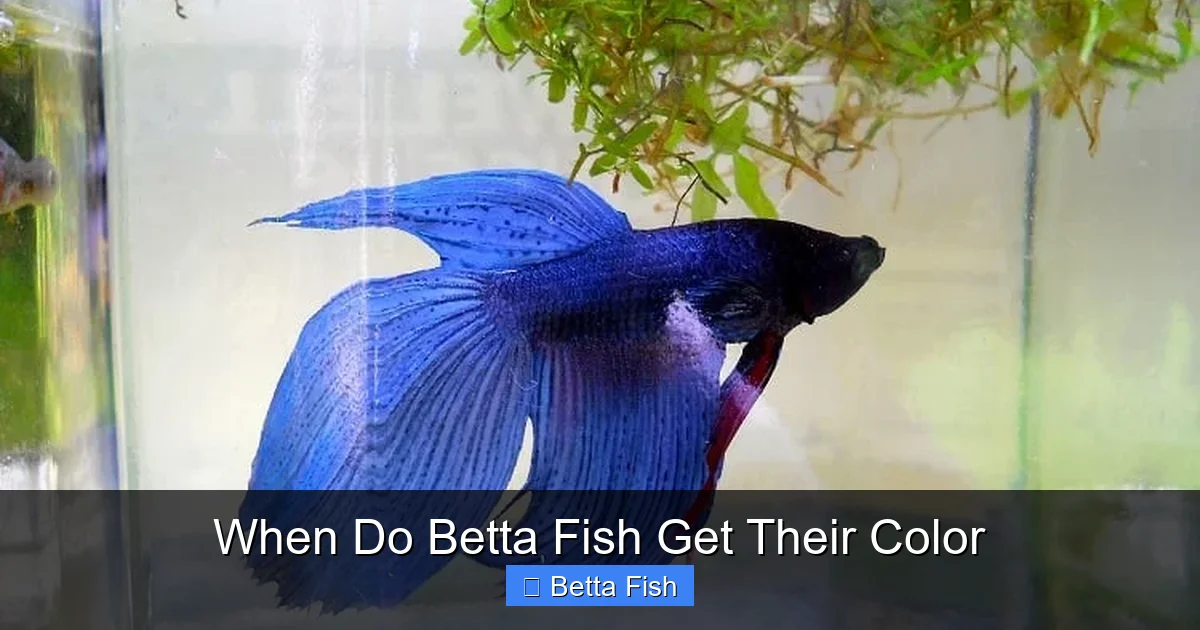
Betta fish typically begin developing their adult colors between 2 to 4 months of age, but the full, vibrant display can take up to a year to manifest fully. This process is primarily driven by genetics, but environmental factors like water quality, diet, and lighting play a crucial supportive role. Understanding this timeline helps set realistic expectations and highlights the importance of proper care for optimal color expression.
Key Takeaways
- Genetics is the primary blueprint: A betta’s potential color palette and patterns are inherited from its parents, setting the fundamental stage for future development.
- Juvenile “wild-type” camouflage: Most young bettas start with dull, brownish, or grayish markings for survival, which fade as their adult colors emerge.
- The 2-4 month window is critical: This is the most common period for the first significant bursts of color to appear, especially in males.
- Full maturation takes time: Reaching peak vibrancy and pattern clarity can continue for 6-12 months, with some fish getting richer into their second year.
- Environment acts as an amplifier: Excellent water quality, a protein-rich diet, and proper lighting don’t create color from nothing, but they allow genetic potential to shine.
- Stress and illness can cause fading: A sudden loss of color in an adult betta is often a red flag for poor water conditions, disease, or significant stress.
- Females develop color too: While often less dramatic, female bettas also develop their adult coloration on a similar timeline, though they may never reach the same intensity as males.
[FEATURED_IMAGE_PLACEHOLDER]
📑 Table of Contents
- The Magic Moment: Understanding Betta Fish Color Development
- The Genetic Foundation: Your Betta’s Color Blueprint
- The Developmental Stages: From Fry to Flawless
- The Environmental Catalyst: How Care Influences Color Expression
- Common Misconceptions and Interesting Phenomena
- A Practical Guide: What to Expect and How to Support Your Betta
- Conclusion: Patience, Genetics, and the Joy of the Journey
The Magic Moment: Understanding Betta Fish Color Development
There is perhaps nothing more thrilling for a new betta owner than watching their new, seemingly plain little fish transform into a dazzling, living jewel. The question “when do betta fish get their color?” is one of the most common and exciting in the hobby. The answer, however, is not a simple date on a calendar. It’s a story of genetics unfolding, a process influenced by time, environment, and care. This journey from drab to fab is one of the most rewarding aspects of betta keeping.
Think of a young betta fish as a rough, uncut diamond. Its potential for brilliance is locked inside, but it needs the right conditions to be revealed and polished. For many bettas, the first few months of life are spent in a state of camouflage, sporting dull, earthy tones that help them blend into the murky waters of their native Thai rice paddies. The dramatic shift to electric blue, fiery red, or iridescent green is a sign of maturity and genetic expression. But this shift doesn’t happen overnight. It’s a gradual unveiling, sometimes with surprising twists along the way.
The Genetic Foundation: Your Betta’s Color Blueprint
To understand the “when,” we must first understand the “why.” The timing and ultimate appearance of your betta’s color are dictated almost entirely by its genes. This genetic blueprint is the non-negotiable foundation. No amount of special food or water conditioner can give a betta a color its DNA doesn’t code for. Conversely, perfect genetics can be masked by poor care, leading to a faded, disappointing display.

Visual guide about When Do Betta Fish Get Their Color
Image source: infishtank.com
Layers of Color: The Pigment and Structure Story
Betta color comes from two primary sources working in layers: pigment cells (chromatophores) and structural coloration (iridescence).
- Pigment Cells: These are the most straightforward. They contain colored granules (like melanin for black/brown, erythrin for red/orange, xanthin for yellow) and reside in the skin’s deepest layer. These pigments are stable and provide the solid base colors we see.
- Structural Color (Iridescence): This is where the magic happens. Iridescent blues, greens, and purples aren’t from pigment at all. They are created by microscopic, platelet-like structures in a layer of cells called iridophores. These platelets reflect light at different angles, creating that shimmering, metallic, or opal-like effect that seems to change as the fish moves. The development and density of these structural layers are a key part of the color maturation timeline.
The combination, depth, and placement of these pigment and structural layers, controlled by multiple genes, determine if your betta will be a solid red, a multicolored “butterfly,” a shimmering blue, or a complex “marbled” pattern that may even change over its lifetime.
Breeder Lines and Selective Breeding
Decades of intense selective breeding have created the stunning variety we see today. Reputable breeders pair specific fish to enhance desired traits—vibrance, pattern symmetry, fin size. A betta from a high-quality breeder known for intense color often has a stronger genetic push for early and vivid color development. In contrast, a betta from a pet store chain might have less predictable genetics, coming from large-scale “farm” operations where color vibrancy is not the primary selection criterion. This doesn’t mean store bettas can’t become beautiful, but their color timeline and potential peak may be more variable.
The Developmental Stages: From Fry to Flawless
So, when does the transformation begin? Let’s walk through the typical life stages of a betta, focusing on the visual cues of color.
Visual guide about When Do Betta Fish Get Their Color
Image source: buildyouraquarium.com
Days 1-30: The Fry Stage (Invisible Color)
After the eggs hatch, the tiny fry (about the size of a pinhead) are entirely dependent on their yolk sacs. They are translucent and barely visible, with no signs of color. Their first few weeks are spent in a nursery tank, feeding on microscopic infusoria. During this period, the foundational pigment cells are forming, but they are not yet visible to the naked eye.
Weeks 4-8: The “Wild-Type” Juvenile Phase
As fry grow and start eating larger foods like baby brine shrimp, their bodies begin to develop. Around 4-6 weeks old, most bettas—especially those with wild-type or darker genes—will develop a protective, camouflage coloration. This is the “plain” phase many new owners see. The fish may appear as a muted brown, gray, or pale olive, often with a faint, mottled pattern. This is completely normal! This juvenile coloration is an evolutionary holdover, providing camouflage against predators in their natural, debris-filled habitats. For a betta destined for bright reds or yellows, you might see the very first faint hints of those colors as a subtle blush or stripe along the body or fins during this stage, but it will be far from the final product.
Months 2-4: The First Color Burst
This is the most anticipated window. Between approximately 8 weeks (2 months) and 16 weeks (4 months) of age, the magic typically begins. The juvenile camouflage starts to break down, and the genetically predetermined adult colors start to emerge more clearly.
- Males: This is the period of most dramatic change. You’ll often see patches of color appearing on the body and, crucially, beginning to extend into the developing fin rays. The first signs of iridescence (blue/green sheen) might become apparent on the gill covers (operculum) and head.
- Females: Females also develop color in this timeframe, but it is often more subdued. They may develop nice shades of red, blue, or yellow on their bodies, but their fins typically remain shorter and less intensely colored than males of the same strain. A high-quality female from a show line can still be quite colorful.
The speed of this change varies. Some bettas seem to “pop” into their color almost overnight between weeks 10 and 12. Others show a slow, steady intensification over these two months.
Months 4-12: Refinement and Maturation
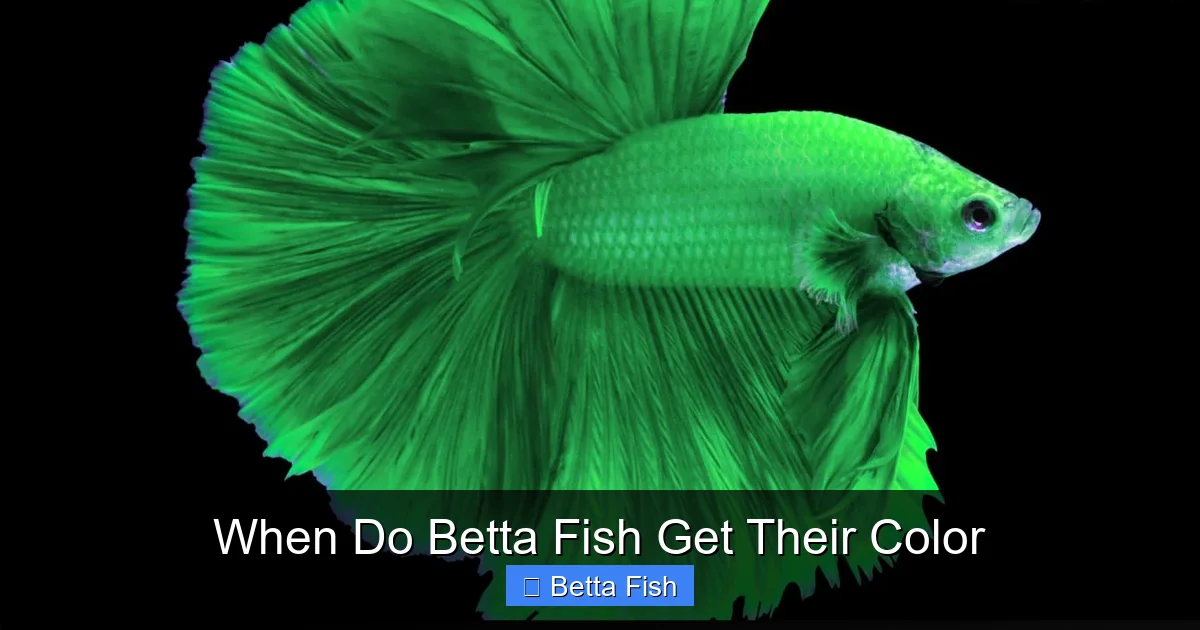
After the initial burst, the work of refinement begins. The color patches expand and merge, the edges between colors become sharper, and the overall vibrancy deepens. This is where structural iridescence really comes into its own. The blue or green may shift from a dull-ish tint to a brilliant, metallic sheen that catches the light perfectly. Fin coloration, especially in long-finned varieties like Halfmoons, may continue to fill in and become more opaque. For many bettas, the 6-month mark is when they are considered “fully” colored, but it is not uncommon for a betta to look noticeably richer and more vibrant at 10 or 12 months than it did at 5 months. Some bettas, particularly those with complex marble patterns, may continue to subtly shift their color distribution for years.
The Environmental Catalyst: How Care Influences Color Expression
While genes load the gun, environment pulls the trigger. You cannot make a betta more colorful than its genetics allow, but you can absolutely prevent it from reaching its full potential. Poor conditions lead to stress, which suppresses color expression and can even cause fading. Excellent care allows the genetic blueprint to be expressed to its maximum.
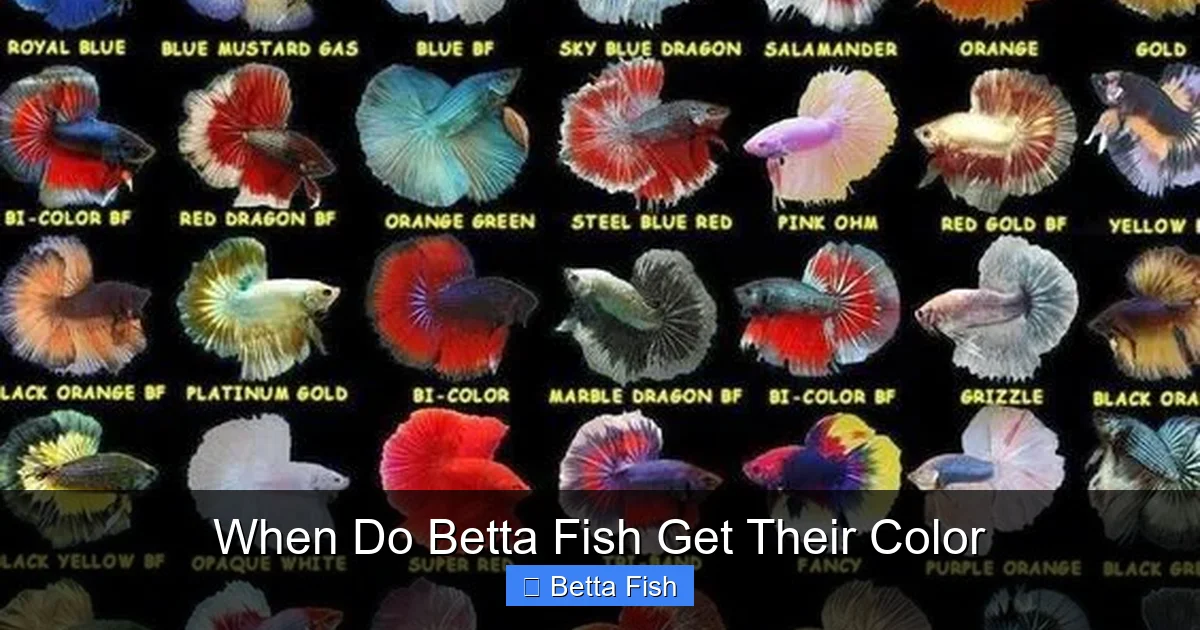
Visual guide about When Do Betta Fish Get Their Color
Image source: i.pinimg.com
The Non-Negotiable: Water Quality
This is the single most important environmental factor. Bettas are sensitive to poor water quality, which causes chronic stress and weakens their immune system. A stressed betta will often appear dull, pale, or clamped. Parameters like ammonia and nitrite must be at 0 ppm, and nitrate should be kept below 20 ppm through regular water changes (25-50% weekly in a filtered tank). Consistent, clean water is the bedrock of health and color. A betta thriving in pristine water will have brighter, more solid color and more active, confident behavior.
Fuel for Vibrancy: Nutrition
Color in fish, especially reds, oranges, and yellows, comes from carotenoids and other pigments in their diet. In the wild, bettas consume insects and insect larvae, which are rich in these compounds. In captivity, a high-quality pellet should be the staple, but it must be supplemented.
- Protein Sources: Offer high-protein foods like frozen or live daphnia, brine shrimp, and bloodworms 2-3 times a week. Daphnia is particularly excellent as it also aids digestion.
- Color-Enhancing Foods: Many premium betta pellets and gels contain added carotenoids (like astaxanthin and beta-carotene). You can also occasionally add a tiny amount of blanched, peeled cucumber or a small piece of raw shrimp to their diet.
- Consistency is Key: A varied, nutrient-rich diet supports overall health, immune function, and pigment development over the long term.
The Right Light: Seeing and Enhancing Color
Lighting plays a dual role. First, it allows you to see the fish’s true colors. Dim lighting will make any betta look muted. Second, proper lighting (a standard aquarium LED light on a 10-12 hour cycle) supports the fish’s circadian rhythm and overall well-being. However, be mindful of direct, harsh sunlight, which can cause algae blooms and overheat the tank. For showcasing iridescence, a light positioned to reflect off the fish’s scales can make blues and greens absolutely pop. But remember, what looks vibrant under a bright shop light may appear slightly different in your home’s ambient light.
Common Misconceptions and Interesting Phenomena
The world of betta color is full of myths and fascinating biological quirks. Let’s clear up some confusion.
“My adult betta changed color drastically!”
This is not only possible but relatively common, especially in certain genetic lines. The most famous example is the “marble” or “Koi” betta. These fish carry a genetic trait that causes their pigment cells to continue changing and redistributing throughout their lives. A Koi betta might start with a red and white pattern and, over months or years, develop new blue patches or have its red areas expand. This is a natural, ongoing expression of its genetics, not a sign of illness. Similarly, “jumping genes” (transposons) can cause random, permanent color changes in some bettas, like a new spot appearing on a previously solid-colored fish.
“Only males are colorful.”
This is a pervasive myth born from the fact that males have been intensely bred for color and finnage for fighting and display, while females were historically overlooked. Modern breeding has produced stunningly colorful female bettas. While a female of a given strain will generally be less intensely colored and have shorter fins than her male counterpart, she absolutely develops her own adult coloration on a similar timeline. Don’t overlook the females—they can be spectacular.
“My betta’s color faded. Is it sick?”
Sudden or progressive fading in an adult betta is a major red flag. The first suspect is always water quality. Test your water immediately. Other causes include:
- Stress: From tankmates, loud noises, or sudden temperature changes.
- Illness: Diseases like fin rot or velvet often present with paleness or clamped fins.
- Age: Very old bettas (3+ years) may naturally lose some vibrancy.
- Poor Diet: Nutritional deficiencies over time can lead to dull coloration.
Addressing the underlying cause often sees color return if the issue is caught early.
A Practical Guide: What to Expect and How to Support Your Betta
Let’s synthesize this into actionable advice for a betta owner at any stage.
When You Buy a “Juvenile” or “Baby” Betta
If you purchase a very young betta (often sold as “baby” or “juvenile” at 1-2 months old), be prepared for a wait. It likely still has its juvenile camouflage. Provide:
- Optimal Water: A heated, filtered tank (minimum 5 gallons) with pristine water via weekly changes.
- High-Quality Diet: A staple pellet, supplemented with frozen foods 3-4 times a week.
- Patience: Place the tank in a location with consistent, gentle light. Over the next 2-6 months, watch for the first signs of color. Document with monthly photos to see the subtle changes you might miss day-to-day.
When You Buy an “Adult” or “Fully Colored” Betta
If you buy a betta that is already displaying strong color (typically 4-6 months old), understand that its color may still deepen and refine over the next several months. Your job is to maintain that beauty:
- Stick to the regimen: Don’t slack on water changes because the fish “looks fine.” Clean water is what keeps that color looking sharp.
- Monitor for stress: A faded spot or clamped fins in an otherwise vibrant fish is your first warning sign to check water parameters and observe for other symptoms.
- Appreciate the maturity: A 1-year-old betta in peak condition is often at its most magnificent. Enjoy the result of your (and the breeder’s) patience and care.
The Role of Tankmates and Environment
While bettas are often kept alone, if you choose compatible, peaceful tankmates (like certain rasboras, corydoras, or snails), a calm, stress-free community can contribute to a betta’s sense of security and thus its overall health and color. Conversely, aggressive or harassing tankmates will cause stress and fading. A well-planted tank with hiding spots (using silk or live plants) provides security and reduces stress, supporting good color.
Conclusion: Patience, Genetics, and the Joy of the Journey
The question “when do betta fish get their color?” ultimately has a nuanced answer. The genetic clock starts ticking at conception, with the most common period for the debut of adult colors being between 2 and 4 months of age. However, the journey to maximum vibrancy is a marathon, not a sprint, often continuing for up to a year or more. This process is a beautiful interplay between inherited potential and environmental support.
As a betta keeper, your role is to be the best possible steward of that potential. By providing consistently clean, warm water, a nutritious and varied diet, and a stable, low-stress environment, you create the conditions for your betta’s colors to not just appear, but to truly dazzle. You are providing the “polish” for the genetic “diamond.” Embrace the juvenile phase as part of the experience. Watching those first hints of blue or red slowly emerge, expand, and deepen is one of the most rewarding parts of the hobby. It’s a tangible reward for your diligence and a daily reminder of the extraordinary life you are caring for. Whether your betta becomes a solid crimson, a shimmering blue phantom, or a dynamic Koi that changes with the seasons, understanding its color development deepens your appreciation for this incredible, living art form.
Frequently Asked Questions
Can a betta fish’s color change after it’s fully grown?
Yes, but it’s usually a gradual process. Most significant color development happens before 1 year of age, but some bettas, especially those with “marble” or “Koi” genetics, can develop new color patches or have patterns shift throughout their lives. Sudden, drastic fading, however, is typically a sign of stress or illness, not normal development.
Do female betta fish get as colorful as males?
Females absolutely develop color, often on a similar timeline to males (2-4 months). However, due to different breeding priorities, females of the same strain are generally less intensely colored and have shorter, less elaborate fins than males. That said, selectively bred “show” females can be exceptionally vibrant and beautiful in their own right.
Is it normal for a young betta to be plain or brown?
Yes, this is completely normal and expected. Most juvenile bettas exhibit a “wild-type” camouflage coloration—muted browns, grays, and olives—for the first 2-4 months of life. This is an evolutionary trait. The dull color protects them in the wild and will be replaced by their adult colors as they mature.
How can I make my betta’s colors brighter?
You cannot change its genetic potential, but you can maximize its expression. Focus on: 1) Maintaining pristine, warm water with regular changes, 2) Feeding a high-quality, high-protein diet with frozen foods like daphnia or brine shrimp 2-3 times a week, 3) Providing stable, appropriate lighting, and 4) Minimizing stress from tankmates or environment.
What does it mean if my adult betta’s color is fading?
Fading color in an adult betta is a serious warning sign, most commonly caused by poor water quality (the #1 suspect). Test your water immediately for ammonia, nitrite, and nitrate. Other causes include chronic stress, illness (like fin rot or velvet), severe temperature fluctuations, or nutritional deficiencies. Address the root cause promptly.
At what age should I expect to see my betta’s final color?
Most bettas show their primary adult colors by 4-6 months old. However, the full depth, richness, and pattern clarity often continues to develop and refine until they are 9-12 months old. Some bettas, particularly those with complex iridescence or marble patterns, may continue to subtly change for years. Consider 1 year as the typical age for a betta to be in its color prime.