How Many Food Pellets Do You Feed a Betta Fish
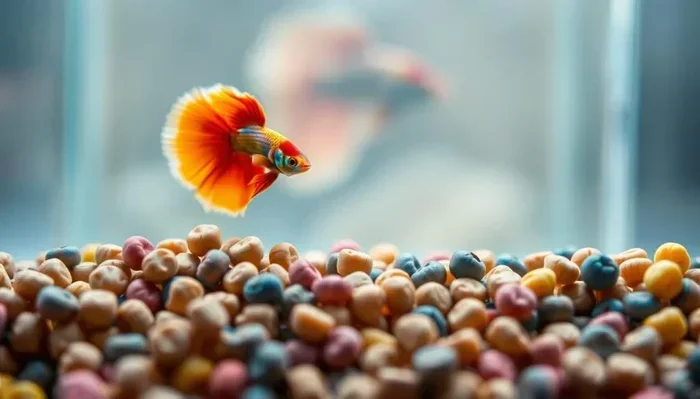
Feeding your betta fish the right number of pellets is crucial for their health and longevity. Most bettas need 2-3 pellets per meal, fed once or twice daily. Overfeeding is the most common mistake betta owners make, leading to serious health problems. This guide covers exact portions, feeding schedules, and expert-backed tips.
Owning a betta fish is rewarding, but feeding them correctly can feel confusing. You might wonder, how many food pellets do you feed a betta fish? The answer is simpler than you think, but getting it wrong can cause real problems. This guide walks you through everything you need to know about portion sizes, feeding frequency, and keeping your betta healthy.
Betta fish are small creatures with tiny stomachs. Their digestive systems work best with small, frequent meals. Many new fish owners assume more food means a happier fish, but that is far from the truth. Overfeeding is the number one cause of health issues in captive bettas. Understanding the right amount of food makes all the difference.
In this article, we break down exactly how many pellets to give your betta at each meal. We also cover how often to feed, what happens when you give too much or too little, and how to choose the best pellets. By the end, you will feel confident about your betta fish feeding schedule and nutrition routine.
Key Takeaways
- Portion Control Matters: 2-3 pellets per feeding is the standard recommendation for most adult bettas.
- Feed Once or Twice Daily: A consistent feeding schedule supports digestion and prevents overfeeding.
- Watch for Warning Signs: Bloating, constipation, and loss of appetite signal you may be feeding too much or too little.
- Not All Pellets Are Equal: High-quality betta-specific pellets provide better nutrition and appropriate sizing.
- Adjust Based on Your Fish: Age, activity level, and water temperature all affect how much your betta needs.
- Fasting Days Help: One fasting day per week supports healthy digestion and prevents bloating.
📑 Table of Contents
- Understanding Your Betta Fish Stomach Size
- How Many Pellets Per Feeding
- Feeding Frequency and Schedule
- What Happens If You Overfeed Your Betta
- What Happens If You Underfeed Your Betta
- Choosing the Right Pellets for Your Betta
- Common Feeding Mistakes to Avoid
- Final Thoughts on Feeding Your Betta Fish
Understanding Your Betta Fish Stomach Size
A betta fish stomach is roughly the size of their eye. That is tiny. This fact alone explains why they need such small portions. Many people overestimate how much food a betta can handle at one time.
When you ask how many food pellets do you feed a betta fish, the answer depends on pellet size and your fish’s age. A standard betta pellet is about the size of a pinhead. Two to three of these pellets make up one proper meal. Anything beyond that can sit undigested and pollute the water.
Your betta’s stomach empties within about 12 hours. This means their digestive system works best with small, spaced-out meals rather than one large feeding. Understanding this biological reality helps you avoid common mistakes.
Why Stomach Size Affects Feeding Amount
A betta’s stomach is designed for small, frequent meals in the wild. They are opportunistic eaters, meaning they nibble throughout the day. In captivity, this translates to a simple feeding routine. Give your betta just enough food they can consume in under two minutes.
If food sinks to the bottom and sits there, you have given too much. Uneaten food decays and releases ammonia into the water. This harms your betta’s water quality and overall health. Always remove any uneaten pellets after feeding time.
How Many Pellets Per Feeding
The golden rule for how many food pellets do you feed a betta fish is 2-3 pellets per meal. But this is not a one-size-fits-all answer. Several factors influence the exact number you should offer.
Let us break it down by different scenarios so you can find what works best for your fish.
| Betta Type | Pellets Per Meal | Feeding Frequency |
|---|---|---|
| Adult Betta (Normal) | 2-3 pellets | Once or twice daily |
| Young Betta (Under 6 months) | 2-3 pellets | Twice daily |
| Senior Betta (Over 2 years) | 1-2 pellets | Once daily |
| Breeding Male Betta | 2 pellets | Once daily |
These numbers serve as a solid starting point. Watch your fish closely and adjust as needed. Some bettas eat faster and may need a slight increase, while others are pickier and need less.
Pellet Size Matters
Not all betta pellets are created equal. Some brands make smaller pellets, while others produce larger ones. Always check the pellet size before deciding on portions. A large pellet might be equivalent to two small pellets in volume.
High-quality betta pellets are formulated to expand slightly in water. This means they look small before feeding but swell a bit after. Keep this in mind when measuring portions. If you are unsure about a specific brand, start with two pellets and observe how your betta responds.
Feeding Frequency and Schedule
Knowing how many food pellets do you feed a betta fish is only half the equation. When you feed matters just as much. A consistent schedule helps your betta’s digestion and reduces stress.
Most experts recommend feeding your betta once or twice a day. A single daily feeding works well for many adult bettas. If you choose twice daily, space the meals about 8-12 hours apart. This mimics their natural eating pattern in the wild.
Some experienced fish keepers also practice fasting days. Skipping one feeding per week gives the digestive system a chance to clear out fully. This simple habit can prevent bloating and constipation, which are very common in bettas.
Best Times to Feed Your Betta
Morning feedings work well because your betta is active and alert after a night of rest. Evening feedings are also fine, especially if you work during the day. The key is consistency. Feed your betta at the same times each day so they develop a predictable routine.
Here are some quick tips for a solid feeding schedule:
- Morning feeding: Give 2-3 pellets at roughly the same time each morning.
- Evening feeding: If feeding twice, offer the second portion 8-12 hours later.
- Fasting day: Choose one day per week with no food at all.
- Watch the clock: Remove uneaten food after 2 minutes.
Following a regular betta fish feeding schedule also makes it easier to monitor your fish’s appetite. Any sudden changes in eating behavior can signal illness early.
What Happens If You Overfeed Your Betta
Overfeeding is the most common mistake betta owners make. It is easy to do because bettas are enthusiastic eaters. They will beg for food even when their stomach is full. But giving in to those begging behaviors can cause serious health problems.
When you feed more than your betta can eat, the excess food sinks and decays. This process releases ammonia and nitrites into the water. Even small spikes in these toxins can damage your betta’s gills and overall health. Water quality drops fast when uneaten food accumulates.
Inside the betta’s body, overfeeding leads to bloating, constipation, and swim bladder issues. A constipated betta may swim erratically or float sideways. These symptoms are distressing to watch but are entirely preventable with proper portion control.
Signs of Overfeeding
Watch for these warning signs that you are giving too much food:
- Bettas leaving pellets uneaten after 2 minutes.
- Cloudy water that appears shortly after feeding.
- Swollen or bloated belly that does not go down.
- Lethargy or loss of appetite between feedings.
- Floating or sinking difficulties indicating swim bladder stress.
If you notice any of these signs, reduce the portion size immediately. Skip the next feeding to let the digestive system recover. Gradually return to the standard 2-3 pellet amount once your betta shows normal behavior again.
Expert Insight: Many experienced aquarists recommend the “two-minute rule.” Drop the pellets in and time how long your betta takes to eat them. If food remains after two minutes, you have given too much. This simple trick takes the guesswork out of proper betta feeding.
What Happens If You Underfeed Your Betta
Underfeeding is less common but still a concern, especially for new betta owners who are afraid of overfeeding. A betta that does not get enough food will lose weight, become lethargic, and eventually weaken its immune system.
A healthy betta should have a rounded, slightly plump body. If you can see the bones along the sides or belly, your fish may need more food. A betta that refuses food for more than two days needs attention. This could signal illness or stress rather than simply needing more pellets.
Finding the right balance is key. You want your betta to eat enough to stay healthy without overloading their tiny digestive system. The 2-3 pellet guideline works for most bettas, but always observe your individual fish and adjust accordingly.
Choosing the Right Pellets for Your Betta
Not all fish food is created equal. When it comes to betta fish nutrition, the quality of pellets matters a lot. Cheap generic fish flakes or pellets lack the protein content bettas need. Bettas are carnivorous by nature and thrive on a high-protein diet.
Look for pellets specifically formulated for bettas. These should list fish meal or whole ingredients near the top of the nutrition label. Avoid pellets filled with fillers like wheat or corn. These offer little nutritional value and can cause digestive issues.
High-quality betta pellets also come in the right size for your fish’s mouth. They sink slowly, giving your betta time to eat. This small detail makes a big difference in how much food your fish actually consumes.
Pellet Quality Checklist
Use this quick checklist when choosing pellets for your betta:
- Protein content of 30% or higher.
- No artificial colors or fillers.
- Appropriate size for a betta’s small mouth.
- Slow-sinking formula for easy eating.
- Reputable brand with positive reviews.
Investing in good pellets pays off in better health, brighter colors, and a longer lifespan for your betta. Pair your pellets with occasional treats like frozen bloodworms or brine shrimp for a varied and exciting betta fish diet.
Common Feeding Mistakes to Avoid
Even well-meaning betta owners make feeding mistakes. Learning from these common errors helps you avoid them and keep your fish thriving.
Mistake 1: Flakes instead of pellets. Many people default to fish flakes, but these are not ideal for bettas. Flakes often contain fillers and break apart quickly, creating messy water. Betta pellets are a much better choice.
Mistake 2: Feeding only once a day without variety. While once-daily feeding works, adding variety through frozen or live foods supports better nutrition. Rotate between pellets and protein-rich treats.
Mistake 3: Ignoring water temperature. Bettas in warmer water have faster metabolisms and may need slightly more food. Bettas in cooler water digest food more slowly. Adjust portions based on your tank’s temperature range.
Mistake 4: Skipping fasting days. A weekly fasting day is one of the simplest ways to support digestive health. It prevents constipation and gives the gut a chance to rest. Make it a regular part of your betta fish care routine.
Mistake 5: Feeding human food. Bread, crackers, and other human foods offer no nutritional benefit to bettas and can cause serious digestive problems. Stick to betta-specific foods for the best results.
Final Thoughts on Feeding Your Betta Fish
Getting the right number of pellets for your betta fish is one of the simplest yet most important aspects of fish care. Remember, how many food pellets do you feed a betta fish comes down to 2-3 pellets per meal, once or twice daily, with one fasting day per week. This straightforward approach supports healthy digestion, maintains water quality, and keeps your betta thriving.
Pay attention to your individual fish. Watch how much they eat, how they behave after meals, and how their body looks. Adjust portions as needed based on age, activity level, and water conditions. A well-fed betta is a happy betta, and a happy betta brings joy to your home.
If you ever feel unsure about your feeding routine, revisit the basics. Check your pellet quality, review your schedule, and make sure you are not over or underfeeding. A little attention goes a long way in keeping your betta fish healthy and vibrant for years to come.
For more detailed guidance on feeding routines, check out our article on how often you should feed your betta fish. You can also learn more about the correct number of pellets in our guide on how many pellets to feed a betta fish. Proper betta fish care starts with getting the basics right, and feeding is at the heart of it all.
Frequently Asked Questions
How many pellets should I feed my betta fish per day?
Most adult bettas do well with 2-3 pellets per meal, fed once or twice daily. This totals 4-6 pellets per day for a healthy adult betta. Adjust the amount slightly based on your fish’s age, activity level, and appetite. Always remove any uneaten pellets after two minutes to maintain clean water.
Can I feed my betta fish more than 3 pellets at once?
It is best to stick with 2-3 pellets per feeding. A betta’s stomach is about the size of their eye, so larger portions can cause bloating and digestive issues. If you feel your betta is still hungry after 3 pellets, consider switching to a higher-quality pellet that offers more nutrition per piece.
How often should I feed my betta fish pellets?
Feeding your betta once or twice a day is the standard recommendation. Some owners prefer a single daily feeding, while others split the portions into two smaller meals. Adding one fasting day per week supports healthy digestion and prevents common issues like constipation and bloating.
What happens if I accidentally overfeed my betta?
Overfeeding can lead to bloating, constipation, and swim bladder problems. Uneaten food also decays in the tank, which drops water quality quickly. If you overfeed, remove the excess food immediately and skip the next feeding to let your betta’s digestive system recover.
Are betta pellets better than flakes for feeding?
Yes, betta pellets are generally better than flakes. Pellets are specifically formulated for bettas, contain higher protein levels, and are the right size for their mouths. Flakes often contain fillers and break apart in the water, creating mess and reducing nutritional value. For the best results, choose quality betta pellets as the staple of your fish’s diet.
Should I change the number of pellets as my betta ages?
Yes, adjusting portions based on age is a good practice. Young bettas under six months may need slightly more frequent feedings. Senior bettas over two years old often do better with 1-2 pellets per meal once daily. Always observe your fish’s body condition and appetite to determine the right amount at each life stage.